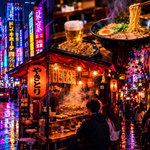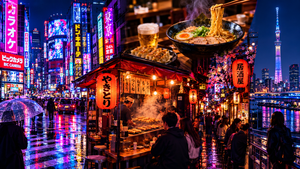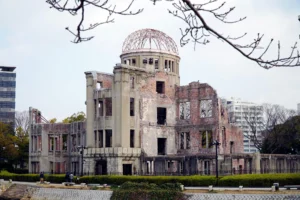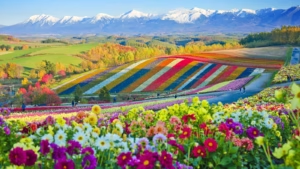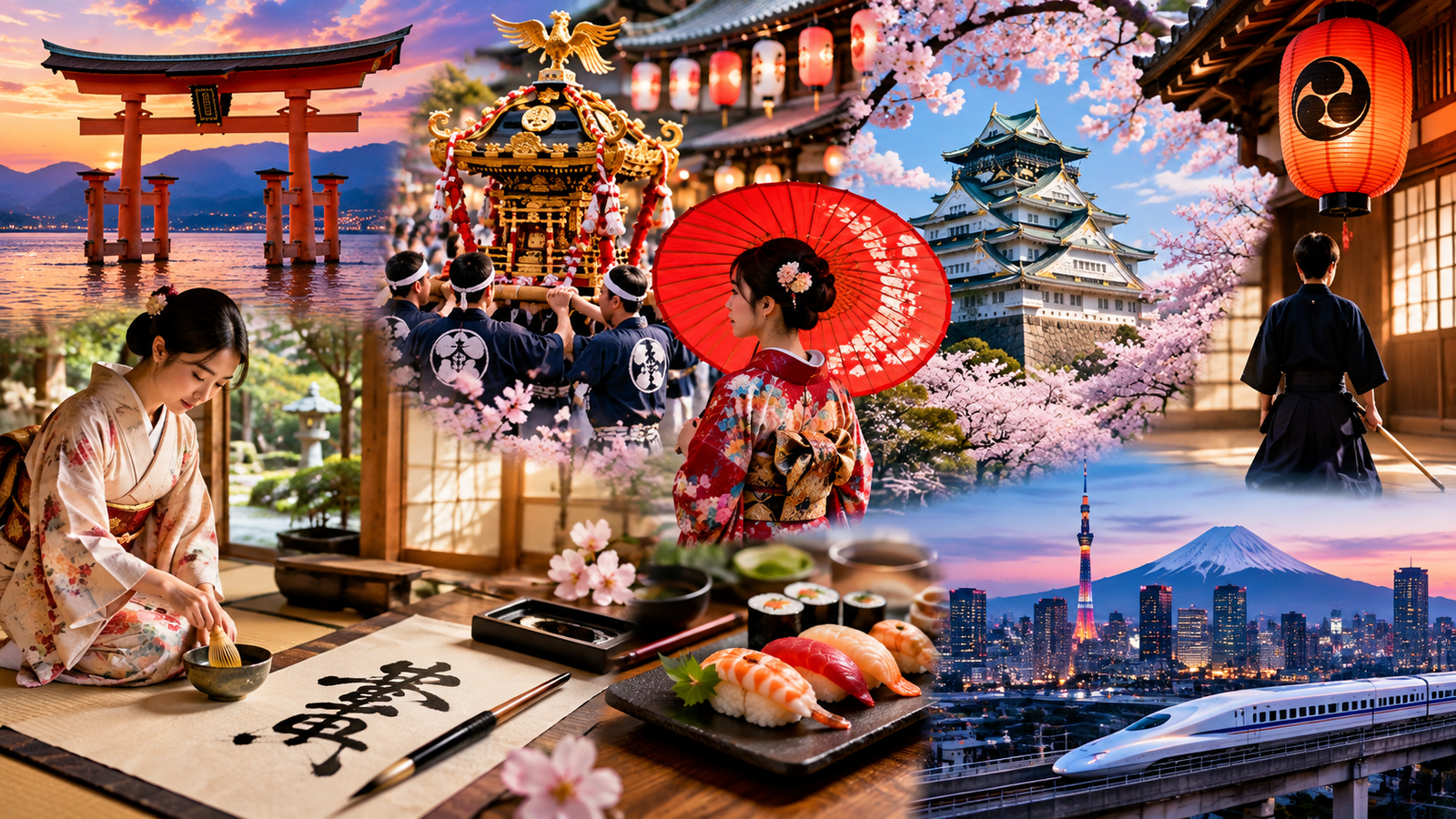
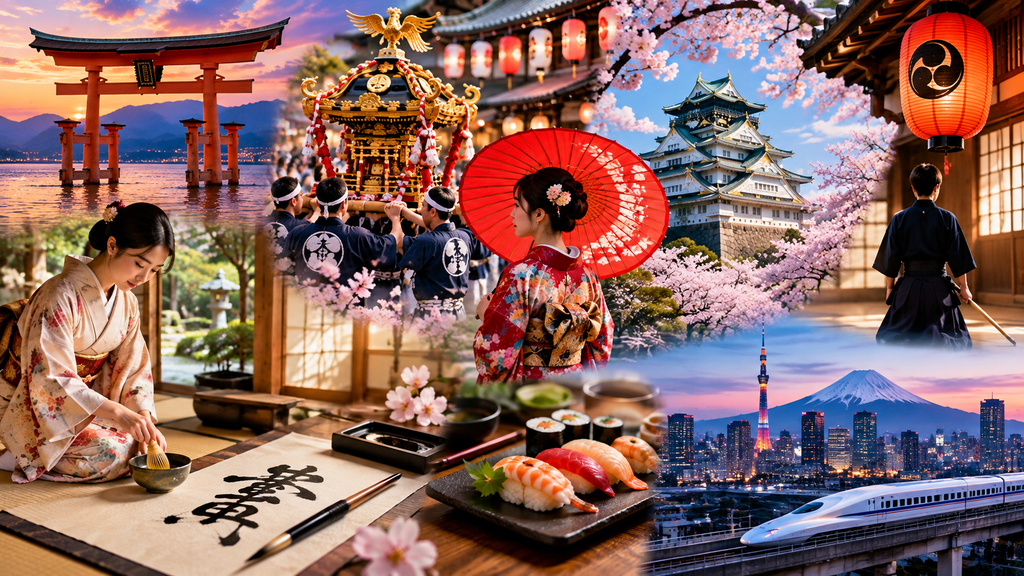
Japan is often described as a country where the past and future exist side by side.
In one moment, you can find yourself surrounded by skyscrapers, bullet trains and cutting-edge technology. A short journey later, you may be standing in front of a centuries-old temple or walking through a quiet traditional neighbourhood.
What makes Japan particularly fascinating is that its traditions have not simply disappeared with modernisation. Many continue to influence everyday life.
Here are 10 Japanese traditions and cultural practices that remain an important part of modern Japan.
1. The Art of Bowing
Bowing is one of the most recognisable aspects of Japanese culture.
It can be used when greeting someone, showing appreciation, apologising or expressing respect.
The depth and duration of a bow can vary depending on the situation and level of formality.
For visitors, understanding this simple cultural practice offers an introduction to the importance Japan places on respect and social etiquette.
2. The Philosophy of Omotenashi
Omotenashi is often translated as Japanese hospitality.
But the idea goes beyond simply providing good service.
It is about anticipating the needs of another person and creating a thoughtful experience without necessarily expecting anything in return.
You can see elements of this philosophy in hotels, restaurants, shops and traditional Japanese hospitality.
3. The Japanese Tea Ceremony
The Japanese tea ceremony, known as chanoyu or sado, is much more than drinking tea.
It combines preparation, movement, hospitality and mindfulness.
Every element—from the utensils to the surroundings—can have cultural meaning.
For travellers, experiencing a traditional tea ceremony can provide a glimpse into a slower and more deliberate side of Japanese culture.
4. Removing Shoes Indoors
Visitors will often notice that shoes are removed before entering certain homes, traditional accommodations and other spaces.
This practice is closely connected with cleanliness and respect for indoor spaces.
Traditional Japanese homes often have a clear distinction between outdoor and indoor environments, making the custom an important part of everyday etiquette.
5. Onsen Culture
Japan’s hot springs, known as onsen, have been part of Japanese culture for centuries.
For many people, visiting an onsen is not simply about relaxation. It is also a cultural experience.
Visitors should understand the basic etiquette before entering, including washing before entering the bath and following the rules of the individual facility.
A peaceful onsen experience can be one of the most memorable parts of a Japan journey.
6. Seasonal Festivals
Japan’s calendar is filled with festivals and seasonal celebrations.
From colourful summer festivals to traditional New Year customs and autumn celebrations, these events connect communities with local history and nature.
Cherry blossom season is perhaps the most internationally famous example, but every season offers its own cultural experiences.
7. Respect for Nature
Japan’s traditional culture has a deep connection with nature.
This can be seen in gardens, temples, seasonal celebrations and traditional architecture.
The changing seasons often play an important role in Japanese aesthetics.
Spring flowers, summer greenery, autumn colours and winter landscapes each create their own atmosphere.
8. Traditional Japanese Architecture
Even in modern cities, traditional architectural influences remain visible.
Wooden structures, sliding doors, tatami rooms, gardens and minimalist interiors can still be found in historic neighbourhoods, temples, ryokans and cultural sites.
Visiting Kyoto, Nara or other historic areas provides an opportunity to experience this side of Japan.
9. Traditional Food Culture
Japanese cuisine is deeply connected with seasonality, presentation and local ingredients.
Sushi and ramen may be globally famous, but Japan’s culinary world goes far beyond them.
Regional dishes, traditional sweets, seasonal ingredients and carefully prepared meals reveal how food can become an expression of culture.
For travellers, exploring Japanese food can be a journey in itself.
10. The Concept of “Mottainai”
The Japanese word mottainai expresses a sense of regret over waste and encourages appreciation for resources.
The idea reflects a broader cultural emphasis on using things carefully and avoiding unnecessary waste.
It is another example of how traditional values can continue to influence modern attitudes.
Where Tradition Meets the Future
Perhaps the most fascinating thing about Japan is that tradition and modernity are not necessarily opposites.
You can travel on one of the world’s most advanced railway systems and arrive at a centuries-old temple.
You can spend the afternoon exploring a futuristic district and the evening staying in a traditional ryokan.
You can experience a modern Japanese city while still discovering customs that have been passed down through generations.
That contrast is part of what makes Japan so captivating.
Experience Japan Beyond the Tourist Attractions
A trip to Japan becomes even more meaningful when you look beyond famous landmarks.
Take time to understand the customs, try traditional food, visit historic neighbourhoods and experience the slower moments between destinations.
Because Japan is not only a country to see.
It is a culture to experience.
Planning your Japan journey?
Discover Japan with Travelexie and experience the country’s historic cities, modern energy, traditional culture and unforgettable landscapes.