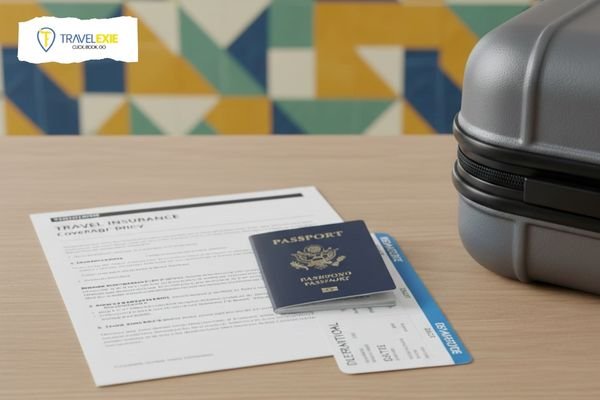
If you’re planning a trip abroad, one of the first things you should secure is travel insurance for international trips. This isn’t just an add-on. What this really means is protecting yourself from medical emergencies, trip cancellations, lost baggage, and unexpected delays. In this guide, you’ll get clear answers to the key questions every traveler has at the start.
You’ll learn:
- What travel insurance covers
- Why you need it for overseas travel
- How to choose the right plan
- Common exclusions and tips to save
Let’s break it down.
What Is Travel Insurance for International Trips?
Travel insurance for international trips is a type of policy that protects you from financial losses and risks that can happen before or during your trip abroad. It serves as a safety net when things go wrong, whether you face a sudden illness, accident, flight cancellation, lost luggage, or other travel disruptions.
This type of insurance is different from domestic or health insurance because it is designed specifically to cover situations that occur outside your home country.
Why You Need It Before You Travel Abroad
Here’s the thing. When you’re overseas, a medical emergency can cost thousands of dollars. Hospitals abroad may bill in foreign currency, and without proper coverage, you pay out of pocket. Travel insurance protects your wallet and your peace of mind.
- Here are the main reasons to get it:
- Medical emergencies abroad
- Emergency evacuation and repatriation
- Trip cancellation or interruption
- Lost or delayed baggage
- Flight delays and missed connections
Getting travel coverage before your departure date ensures you’re protected from the moment your journey begins.
What Does Travel Insurance Typically Cover?
Travel insurance plans vary, but most good policies include these core benefits:
- Medical and Hospital Coverage
If you fall sick or get injured during your trip, this covers hospital bills, doctor fees, and medical treatment.
- Emergency Evacuation
In severe cases, insurers pay to get you to the nearest appropriate medical facility or even back home if needed.
- Trip Cancellation and Interruption
If you have to cancel your trip or return early due to emergencies like illness, natural disasters, or other covered reasons, you get reimbursed.
- Lost or Delayed Baggage
Compensation for lost, stolen, or delayed luggage so you’re not left without essentials.
- Travel Delay Benefits
If your flight is delayed for hours, you may be eligible for reimbursement of meals, accommodation, or transportation.
What Isn’t Covered? (Common Exclusions)
Insurance is not a free pass for every scenario. Most plans exclude:
- Pre-existing medical conditions (unless declared and covered)
- High-risk adventure activities (unless added)
- Self-inflicted injuries and drug/alcohol-related incidents
- Cosmetic procedures
- War, terrorism, and epidemics (depending on policy)
Understanding exclusions helps you avoid surprises later. Always read the fine print or ask your provider about unclear terms.
How to Choose the Right Travel Insurance Plan
Choosing from dozens of options can feel overwhelming. Here’s a simple checklist to evaluate a plan:
- Coverage Limit
Look for a high sum insured, especially for medical emergencies. Some destinations require minimum coverage amounts for visa approval.
- Policy Duration
Make sure the start and end dates match your travel itinerary.
- Add-Ons
If you plan activities like skiing or scuba diving, you may need extra coverage.
- Customer Support
A 24/7 helpline in your language adds real value when you’re abroad.
- Claim Process
Fast, hassle-free claim settlements matter more than you think. Check online reviews and claim settlement ratios.
If you want help comparing plans or understanding visa requirements tied to travel coverage, check out how Travelexie supports travellers with personalized visa assistance services and guidance through documentation processes.
Travel Insurance and Visa Requirements
Many countries require proof of travel coverage before granting a visa. This is especially true for long-stay visas, Schengen visas, and student travel. Your policy must meet minimum coverage standards set by consulates.
For example, Schengen visa rules typically ask for at least €30,000 medical coverage and repatriation benefits. Without this proof, your visa application may be rejected.
If you’re unsure which policy meets your visa needs, Travelexie’s visa support services can help you pick plans that match embassy requirements.
Tips to Buy International Travel Insurance Smartly
Here’s what experienced travellers do:
- Buy the policy as soon as you book your trip. This protects non-refundable costs.
- Compare multiple plans side by side.
- Check whether COVID-related treatment is included. Some policies still have clauses.
- Keep digital and printed copies of your policy and emergency contact numbers.
- Understand cancellation terms in case you need to change plans.
Final Thoughts
Travel insurance for international trips isn’t optional. It’s as essential as your passport and tickets. What this really means is having a safety net that protects you from financial loss, health crises, and unforeseen changes.
If you want personalized help choosing the best plan or need visa assistance that aligns with your insurance requirements, Travelexie offers support at every step.
Start your next journey with confidence. Protect your trip and your health. You’ll travel smarter and worry less
FAQ 💬
Q1. Do I need travel insurance for short trips abroad?
Yes. Even a 2–3 day trip can bring unexpected events. Coverage still matters.
Q2. Can I use my domestic health insurance overseas?
Rarely. Most local health plans don’t extend internationally. That’s why dedicated coverage is necessary.
Q3. Does travel insurance cover adventure sports?
Not by default. Activities like paragliding, skiing, or scuba require add-ons.
Q4. Q. Can I buy insurance after departure?
In most cases, no. Plans should be bought before leaving your home country.