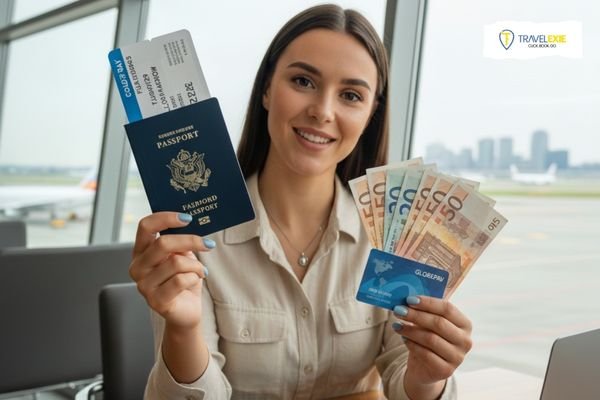
If you’re travelling abroad for the first time, here’s what you need to know right away:
- Don’t exchange all your money at the airport. Rates are usually the worst.
- Compare exchange rates before converting currency.
- Carry a mix of cash, a forex card, and an international debit card.
- Exchange currency only through authorized dealers.
- Understand destination currency rules before your travel.
Now let’s break it down properly so you don’t lose money or face stress overseas.
Why Foreign Currency Exchange Matters for First-Time Travellers
Here’s the thing. Currency exchange isn’t just about converting money. It directly affects your travel budget, safety, and convenience.
First-time international travellers often make one mistake: exchanging money in a rush without understanding rates, fees, or limits. That’s how unnecessary losses happen.
Following the right foreign currency exchange tips helps you:
- Save money on conversion charges
- Avoid fraud or illegal exchanges
- Travel confidently without payment issues
Understand the Basics Before Exchanging Currency
Before you exchange even ₹1, understand these basics.
Exchange Rate
This is the value of one currency against another. Rates change daily, sometimes hourly.
Buy Rate vs Sell Rate
You buy foreign currency at a higher rate and sell it back at a lower rate. That gap is where dealers make money.
Hidden Charges
Some dealers offer “zero commission” but adjust the rate instead. Always ask for the final amount you’ll receive.
Avoid Airport Currency Exchange Counters
Airport counters are convenient, not economical.
They usually offer:
- Higher exchange rates
- Extra service fees
- Limited currency options
Tip: Exchange a small emergency amount at the airport if needed. Do the rest beforehand through a trusted provider.
Compare Currency Exchange Options Before You Decide
Not all exchange methods are equal. Here’s a simple comparison.
Cash Exchange 💱
- Good for small purchases, tips, and emergencies.
- Risky if you carry too much.
Forex Cards
- One of the safest and most budget-friendly options.
- A locked exchange rate protects you from currency fluctuations.
International Debit/Credit Cards
- Convenient but may involve foreign transaction fees.
- For most beginners, a mix of a forex card + limited cash works best.
If you’re also planning visa formalities, it helps to coordinate currency needs alongside your application process. Many travellers do this while arranging visas through professional assistance like Travelexie’s visa services, which simplifies planning.
Exchange Currency Only Through Authorized Dealers
This is non-negotiable.
Always exchange money through:
- RBI-authorised forex dealers
- Trusted travel agencies
- Banks or licensed money changers
Avoid street dealers or unofficial counters, even if they promise better rates. The risk isn’t worth it.
Time Your Currency Exchange Smartly
Exchange rates move with global markets.
Good practice:
- Monitor rates a week before travel
- Exchange when rates dip slightly
- Avoid last-day panic exchanges
If you’re travelling for business or events, this becomes even more important to manage expenses efficiently.
Know Your Destination’s Currency Rules
Different countries have different rules about cash limits and declarations.
Some countries:
- Restrict how much cash you can carry
- Require declaration above certain amounts
- Prefer card payments over cash
Understanding this avoids trouble at immigration or customs.
Don’t Forget to Keep Exchange Receipts
Always keep:
- Currency exchange receipts
- Forex card slips
- ATM withdrawal confirmations
You may need them:
- For reconversion after returning
- During tax or expense reporting
- If questioned during travel checks
Common Currency Exchange Mistakes to Avoid
First-time travellers often:
- Exchange all the money at once
- Ignore the small print and charges
- Carry only cash
- Forgot to inform banks about international usage
Avoid these, and your trip stays smooth.
Ready to Travel? Let Travelexie Help You
From visa assistance and forex guidance to complete international travel support, Travelexie helps first-time travellers plan everything the right way.
📞 Talk to Travelexie today and get expert help with visas, foreign currency exchange guidance, and stress-free international travel planning.
Travel prepared. Travel confident. ✈️
FAQ 🤔💭
Q1. When is the best time to exchange foreign currency?
The best time to exchange currency is a few days before your trip, once rates are stable and you’ve compared multiple authorised dealers. Avoid last-minute exchanges at airports unless it’s an emergency.
Q2. How much foreign currency should a first-time traveller carry?
Carry only what you need for the first few days in cash. The rest should be split between a forex card and an international debit or credit card for safety and flexibility.
Q3. Is it safe to exchange currency online in India?
Yes, as long as you use RBI-authorised foreign exchange providers. Online forex services often offer better rates and doorstep delivery, making them convenient for first-time travellers.
Q4. Are forex cards better than international debit cards?
Forex cards are usually better for beginners because they offer locked exchange rates and lower fees. International debit cards are convenient but may include foreign transaction and ATM charges.
Q5. Can I exchange leftover foreign currency after returning to India?
Yes. Most authorized dealers allow you to sell unused foreign currency back in India. Keep your exchange receipts to ensure a smooth process.