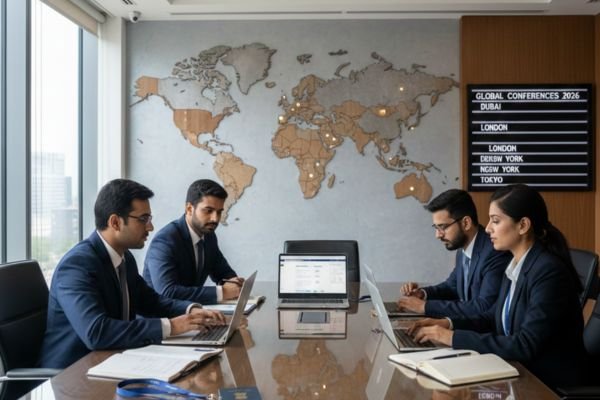
Corporate travel today is no longer just about booking flights and hotels. When companies plan meetings, conferences, incentive trips, or exhibitions at scale, efficiency matters as much as experience. That’s exactly where MICE travel planning makes a real difference.
For Indian companies expanding across cities and borders, structured MICE planning isn’t a luxury. It’s a cost-control and time-saving tool that keeps teams focused on business outcomes instead of logistics.
Let’s break down how it works and why it delivers measurable value.
Understanding MICE Travel Planning in Practice
Before getting into the benefits, it helps to understand what MICE travel planning actually involves. MICE stands for Meetings, Incentives, Conferences, and Exhibitions. Planning for these requires coordination across multiple moving parts: travel, accommodation, venues, vendors, schedules, and on-ground execution.
If you’re new to the concept, this foundational guide on what MICE travel is and why companies use it explains how MICE differ from regular corporate travel and why structured planning matters.
Centralized Planning Reduces Wasted Time
One of the biggest advantages of MICE travel planning is centralization.
Without a structured approach, companies often deal with:
- Multiple vendors working independently
- Last-minute changes handled reactively
- Repeated approvals and miscommunication
MICE planners bring everything under one umbrella. Flights, hotels, transfers, venues, and event schedules are coordinated through a single planning workflow. What this really means is fewer internal emails, fewer follow-ups, and faster decision-making.
Teams stop firefighting and start executing.
Smarter Budget Control and Cost Predictability
Unplanned costs are the silent budget killers in corporate travel.
MICE travel planning helps companies control expenses by:
- Locking negotiated group rates for flights and hotels
- Avoiding peak pricing through season-aware planning
- Reducing penalties caused by last-minute changes
Instead of fragmented bookings, companies get a consolidated cost structure. Every expense is mapped early, making budgets predictable and easier to justify internally.
This is especially important for incentive trips and conferences where per-head costs need to stay within defined limits.
Optimized Itineraries Improve Productivity
Time is money, especially when senior leadership or large teams are travelling.
Poorly planned MICE travel often leads to:
- Long layovers
- Hotels far from venues
- Fatigue-heavy schedules
Professional MICE travel planning focuses on efficiency. Flights are selected for practical timings, hotels are chosen based on proximity, and daily schedules are balanced to reduce burnout.
The result is simple. Employees stay focused, meetings run on time, and productivity doesn’t dip just because the event is offsite.
Vendor Coordination Reduces Operational Risk
Events rarely fail because of one big mistake. They fail because of small gaps piling up.
MICE planners coordinate with:
- Venue teams
- AV and technical partners
- Transport providers
- Local vendors
This coordination ensures that everyone works on the same timeline and meets the same expectations. If something changes, adjustments are made quietly without disrupting the event flow.
For companies, this removes operational risk and reduces dependency on internal teams to manage last-minute issues.
On-Ground Support Prevents Costly Disruptions
No matter how well you plan, travel comes with variables. Weather delays, flight changes, or venue adjustments are part of the reality.
MICE travel planning includes on-ground support to handle these situations in real time. Instead of employees scrambling for solutions, planners manage alternatives, rescheduling, and coordination.
This saves not just money, but reputation. Clients, partners, and delegates experience a smooth event even when behind-the-scenes adjustments are happening.
Scalability for Growing Companies
As companies grow, their travel needs become more complex. What worked for a 10-member offsite doesn’t work for a 200-delegate conference.
MICE travel planning scales with business growth. Processes become standardized, vendor networks improve, and execution becomes more refined with each event.
For organizations running frequent meetings, product launches, or exhibitions, this consistency leads to long-term savings and better brand perception.
Strategic Planning Supports Business Objectives
MICE travel planning isn’t just about logistics. It aligns travel with business goals.
Whether the objective is:
- Team motivation through incentive travel
- Lead generation at exhibitions
- Brand positioning through conferences
Planners design travel and event structures that support these outcomes. Every decision, from destination selection to agenda pacing, is made with purpose.
For companies looking for structured execution across domestic and international destinations, Travelexie’s MICE corporate travel services focus on managing planning, coordination, and execution without adding operational stress to internal teams.
Final Thoughts
MICE travel planning helps companies save time and costs by reducing complexity and eliminating inefficiencies. More importantly, it allows businesses to focus on what actually matters: relationships, results, and growth.
Instead of treating corporate travel as an expense, MICE planning turns it into a strategic investment. Done right, it pays for itself through better execution, controlled budgets, and stronger outcomes.
If corporate travel is becoming frequent or increasingly complex, structured MICE planning isn’t optional anymore. It’s the smarter way forward. 🚀