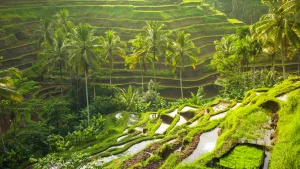
Bali is more than a tropical paradise of golden sunsets, lush rice terraces and beautiful beaches. It is an island where spirituality shapes everyday life, ancient traditions remain alive, and culture can be discovered in everything from magnificent temples to colourful street ceremonies. For travellers seeking a deeper connection with their destination, Bali offers a meaningful journey into the heart of Indonesian heritage.
From traditional Balinese architecture and sacred Hindu temples to intricate handicrafts and vibrant cultural performances, every corner of the island tells a fascinating story. Exploring Bali’s cultural and spiritual side allows you to experience the island beyond its scenic beauty.
1. Explore Bali’s Sacred Temples
Temples are at the heart of Balinese spiritual life. Known locally as pura, these sacred spaces reflect the island’s deep-rooted Hindu traditions, distinctive architecture and connection with nature.
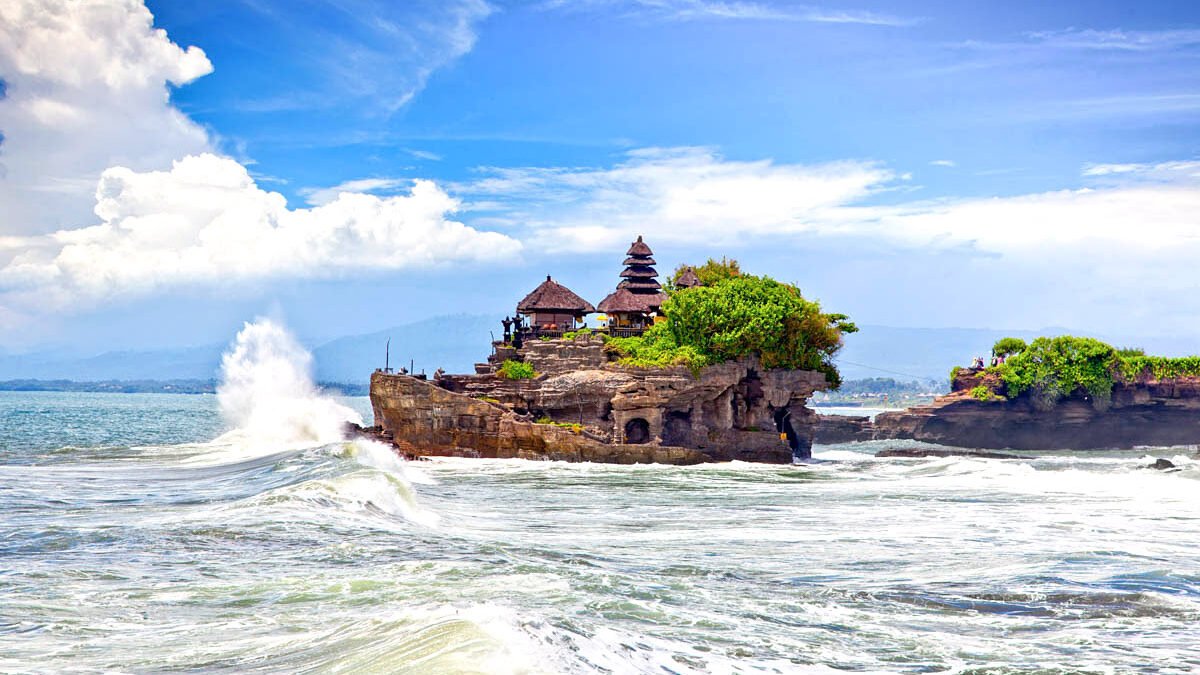
Visit Uluwatu Temple, dramatically perched on a cliff overlooking the Indian Ocean, or discover Tanah Lot Temple, famous for its picturesque coastal setting. The magnificent Besakih Temple, located on the slopes of Mount Agung, is considered Bali’s mother temple and holds immense religious significance.
Each temple offers a different perspective on the island’s spiritual heritage, making temple visits an essential part of a cultural journey through Bali.
2. Experience Colourful Balinese Ceremonies
Bali’s cultural identity comes alive through its traditional ceremonies and religious celebrations. On any given day, you may encounter locals dressed in elegant traditional clothing, carrying offerings or participating in community rituals.
One of the most fascinating sights is Canang Sari, the small, beautifully arranged daily offerings placed outside homes, shops and temples. Made with flowers, leaves and other symbolic items, these offerings express gratitude and devotion.
Major celebrations such as Galungan and Kuningan provide further insight into Balinese beliefs, family traditions and the importance of maintaining harmony between the spiritual and physical worlds. Visitors should observe ceremonies respectfully and follow local guidance when entering sacred spaces.
3. Discover Traditional Balinese Architecture
Balinese architecture reflects a unique philosophy that connects people, nature and spirituality. Traditional homes and temple complexes often feature carved stone gateways, ornate wooden doors, open courtyards and detailed decorative motifs.
The architectural principles are influenced by Tri Hita Karana, a Balinese philosophy centred on harmony between humans, the natural environment and the divine.
In villages across the island, traditional structures showcase the importance of community, craftsmanship and religious symbolism. Exploring these spaces reveals how architecture in Bali is not simply about appearance—it is an expression of cultural identity and spiritual belief.
4. Witness the Beauty of Balinese Dance and Music
Traditional dance and music are among Bali’s most captivating cultural experiences. Performances combine expressive movements, elaborate costumes, dramatic storytelling and the distinctive sounds of the gamelan orchestra.
The famous Kecak Fire Dance, often performed near Uluwatu Temple, tells stories inspired by the Hindu epic Ramayana through rhythmic chanting and theatrical movement. The elegant Legong dance is celebrated for its intricate gestures and graceful choreography.
Watching a traditional performance offers a glimpse into Bali’s mythology, artistic traditions and the stories that have been passed down through generations.
5. Explore Ubud’s Artistic and Cultural Heritage
Surrounded by lush greenery and terraced landscapes, Ubud is widely recognised as one of Bali’s cultural centres. The town is known for its traditional art, handicrafts, galleries, local markets and strong connection to Balinese creative traditions.
Visitors can explore woodcarving workshops, admire intricate silver jewellery, discover traditional paintings or browse handmade textiles. Local artisans continue to preserve techniques that have been practised and refined over generations.
A visit to Ubud provides an opportunity to appreciate the people behind Bali’s artistic heritage while discovering a quieter, more culturally immersive side of the island.
6. Understand the Spiritual Philosophy of Bali
Balinese spirituality is closely connected to the concept of balance and harmony. The philosophy of Tri Hita Karana highlights three important relationships: harmony with God, harmony among people, and harmony with nature.
This philosophy can be seen in community life, agricultural traditions, temple practices and the careful relationship between settlements and their surroundings.
The island’s rice terraces, water temples and community irrigation systems, known as subak, demonstrate how cultural beliefs and environmental stewardship have influenced everyday life for centuries.
Understanding these traditions helps travellers appreciate why spirituality in Bali is not limited to temples—it is woven into the island’s daily rhythms.
7. Savour Bali’s Traditional Cuisine
Food is another meaningful way to discover Balinese culture. Traditional dishes bring together local ingredients, aromatic spices and recipes shaped by the island’s culinary heritage.
Try Nasi Campur, a rice-based meal served with a variety of accompaniments, or Ayam Betutu, a richly seasoned chicken dish prepared using traditional methods. Local markets and family-run eateries also offer opportunities to discover regional flavours and everyday Balinese food culture.
In Bali, food can also play an important role in ceremonies and community gatherings, making traditional cuisine an essential part of the island’s cultural experience.
8. Travel Respectfully and Embrace Local Traditions
Experiencing Bali’s spiritual heritage comes with the responsibility to respect local customs. When visiting temples, wear appropriate clothing and use a sarong where required. Follow posted rules, ask permission before photographing people during ceremonies, and avoid interrupting religious activities.
Some sacred areas may have restrictions on entry, including rules concerning who may enter particular spaces. Always follow the guidance of temple staff and local hosts.
A respectful approach allows you to experience Bali’s traditions more meaningfully while supporting the preservation of its cultural heritage.
Best Time to Experience Bali’s Culture and Spirituality
Bali offers cultural experiences throughout the year, with temple visits, artistic performances and local traditions available in different parts of the island. The dry season, generally from April to October, is often convenient for exploring outdoor attractions, villages and temple complexes.
Religious festivals such as Galungan and Kuningan follow the Balinese Pawukon calendar, so their dates vary from year to year. If witnessing a particular celebration is important to your trip, check the local calendar before travelling.
Regardless of the season, leaving time for spontaneous discoveries—such as a traditional performance, a local craft workshop or a village visit—can make your Bali experience even more memorable.
Discover the Soul of Bali with Travelexie
Bali invites you to slow down, look beyond the scenery and discover a destination shaped by faith, artistry and centuries-old traditions. Whether you are exploring sacred temples, watching traditional dance, meeting local artisans or learning about Balinese philosophy, every experience offers a deeper understanding of the island.
For travellers who want more than a typical beach holiday, Bali’s culture and spirituality create the perfect opportunity to combine relaxation, exploration and meaningful cultural encounters.
Plan your next island escape with Travelexie and discover the traditions, stories and unforgettable experiences that make Bali truly special.
Visit www.travelexie.com to explore travel inspiration for your next journey.