Timeless Traditions
Japan is a country where the past continues to live alongside the present. Among its modern cities, advanced technology and contemporary lifestyle, centuries-old traditions remain an important part of everyday Japanese culture.
For travellers, exploring Japan’s ancient culture means stepping into a world of peaceful temples, sacred shrines, traditional wooden houses, historic streets and customs that have been carefully preserved across generations.
Kyoto: The Heart of Traditional Japan
Few places represent traditional Japan as beautifully as Kyoto. Once the imperial capital of Japan, Kyoto is home to thousands of temples and shrines, historic neighbourhoods and traditional gardens.
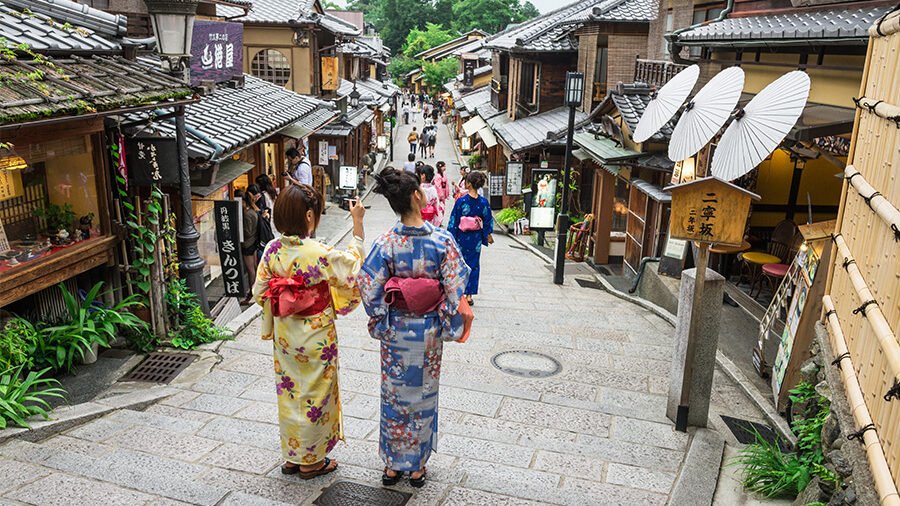
Walking through Kyoto’s old streets can feel like travelling back in time. Areas such as Gion are known for their traditional architecture, narrow lanes and teahouses, while historic districts preserve the atmosphere of old Kyoto.
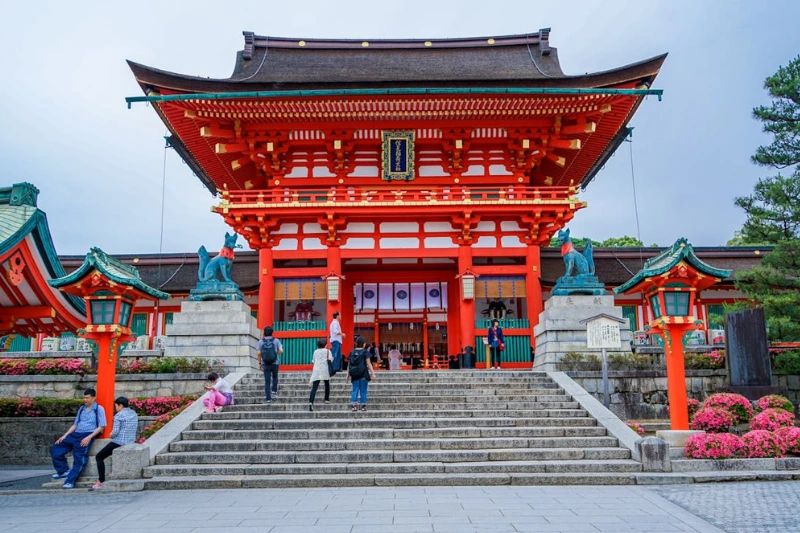
Among the city’s many cultural landmarks, Kiyomizu-dera, Fushimi Inari Taisha and Kinkaku-ji are especially famous. Each offers a different glimpse into Japan’s religious architecture, history and artistic traditions.
Temples and Shrines
Temples and Shinto shrines are an essential part of Japan’s cultural landscape.
Buddhist temples are often associated with peaceful gardens, pagodas, statues and meditation, while Shinto shrines are traditionally connected with nature, local communities and Japanese spiritual practices.
Visitors may notice distinctive features such as torii gates, stone lanterns, purification fountains and traditional wooden architecture.
A visit to these places is not simply about sightseeing. Observing local customs—such as cleansing one’s hands before entering a shrine or maintaining a respectful atmosphere—allows travellers to experience these cultural spaces more meaningfully.
The Japanese Tea Ceremony
The traditional Japanese tea ceremony, known as chanoyu or sadō, represents much more than drinking tea.
It is an art centred around preparation, hospitality, simplicity and mindfulness. Every detail—from the tea utensils and room design to the movements of the host—is carefully considered.
For visitors, participating in a traditional tea experience can provide a fascinating introduction to Japanese aesthetics and the importance of hospitality within Japanese culture.
Traditional Streets and Old Neighbourhoods
Japan’s cultural heritage can also be discovered simply by walking through its historic streets.
Traditional wooden buildings, small shops, lanterns, gardens and local restaurants create an atmosphere very different from modern Japanese city centres.
Historic areas in Kyoto, Kanazawa, Takayama and other parts of Japan offer opportunities to discover traditional crafts, regional food and architecture while seeing how historic communities have evolved over time.
Geisha and Traditional Arts
Japan’s traditional performing arts are another important part of its cultural identity.
In Kyoto, geiko and maiko continue traditions involving music, dance, conversation and formal hospitality. Their elaborate kimono, hairstyles and makeup are closely connected to the history of Japan’s traditional entertainment districts.
Japan is also known for traditional arts such as calligraphy, ikebana flower arrangement, kabuki theatre, noh theatre and traditional crafts.
These practices demonstrate the Japanese appreciation for precision, patience and beauty in even the smallest details.
Festivals and Living Traditions
Japan’s cultural traditions are not limited to museums and historical buildings. Throughout the year, towns and cities celebrate festivals known as matsuri.
These celebrations can include traditional performances, decorated floats, processions, music, food stalls and religious ceremonies.
From major city festivals to small local celebrations, matsuri offer travellers an opportunity to experience Japanese traditions as part of community life.
Experience Japan’s Living Heritage
Japan’s ancient culture is not simply something preserved in history books. It continues through temples, festivals, crafts, food, ceremonies, architecture and everyday customs.
From the peaceful gardens of Kyoto to the bright red torii gates of historic shrines, every experience offers another glimpse into the country’s long cultural journey.
Travel through Japan, and you don’t just discover its history—you experience traditions that are still alive today.