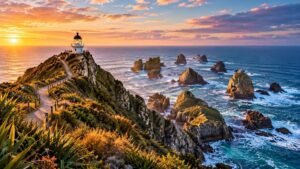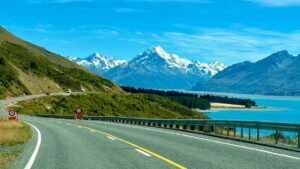
New Zealand is a destination where nature takes centre stage. From glacier-carved valleys and volcanic mountains to ancient forests and golden coastlines, its national parks showcase some of the world’s most extraordinary landscapes.
Across the North and South Islands, travellers can discover diverse ecosystems, scenic walking trails and remarkable natural landmarks. Whether you enjoy mountain adventures, peaceful forest walks or breathtaking views, New Zealand offers unforgettable experiences in the heart of nature.
1. Fiordland National Park: Discover Spectacular Fjords
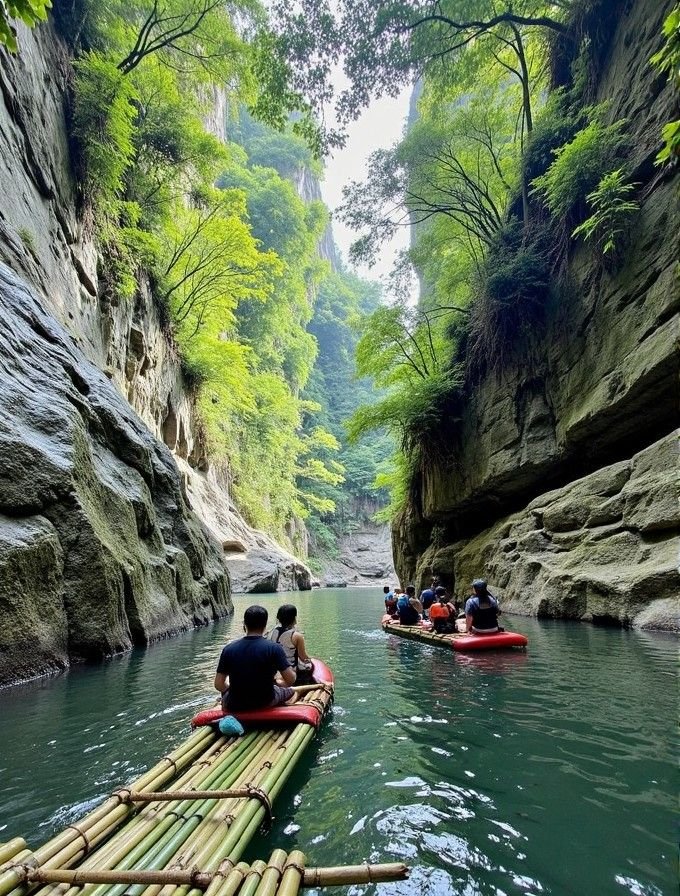
Located in the southwest of the South Island, Fiordland National Park is famous for its dramatic mountains, deep fjords and cascading waterfalls.
Milford Sound is the region’s most celebrated attraction, where towering Mitre Peak and forest-covered cliffs create an unforgettable landscape. Scenic cruises offer wonderful views of the fjord, while Doubtful Sound provides a quieter wilderness experience.
The famous Milford, Kepler and Routeburn Tracks also attract hiking enthusiasts from around the world.
2. Abel Tasman National Park: Forests Meet Golden Beaches
At the northern tip of the South Island, Abel Tasman National Park combines golden beaches, turquoise bays and lush coastal forests.
The Abel Tasman Coast Track is one of New Zealand’s Great Walks, offering beautiful coastal scenery and peaceful walking experiences. Kayaking, boat excursions and beach exploration make this park ideal for travellers seeking both relaxation and adventure.
3. Tongariro National Park: Explore Volcanic Landscapes
Tongariro National Park, located in the central North Island, is known for its volcanic mountains, colourful lakes and extraordinary alpine scenery.
Mount Tongariro, Mount Ngauruhoe and Mount Ruapehu dominate the landscape. The famous Tongariro Alpine Crossing takes hikers through volcanic terrain and past the spectacular Emerald Lakes.
Recognised as a UNESCO dual World Heritage area, the park is also deeply connected to Māori culture and heritage.
4. Waipoua Forest: Walk Among Ancient Kauri Trees
In Northland, Waipoua Forest protects some of New Zealand’s most remarkable native forest landscapes.
Its most famous attraction is Tāne Mahuta, an enormous ancient kauri tree known as the Lord of the Forest. Visitors can also discover Te Matua Ngahere and learn about the ecological and cultural importance of these extraordinary trees.
Follow designated tracks and footwear-cleaning instructions to help protect the forest from kauri dieback disease.
5. Westland Tai Poutini National Park: Glaciers and Rainforests
On the South Island’s West Coast, Westland Tai Poutini National Park brings together glaciers, mountains and lush temperate rainforests.
The famous Franz Josef and Fox Glaciers are its major attractions. Visitors can explore designated walking tracks, enjoy scenic viewpoints and discover the surrounding valleys. The contrast between icy mountain landscapes and green rainforest makes this region particularly special.
6. Whirinaki Forest Park: Discover Native Forest Beauty
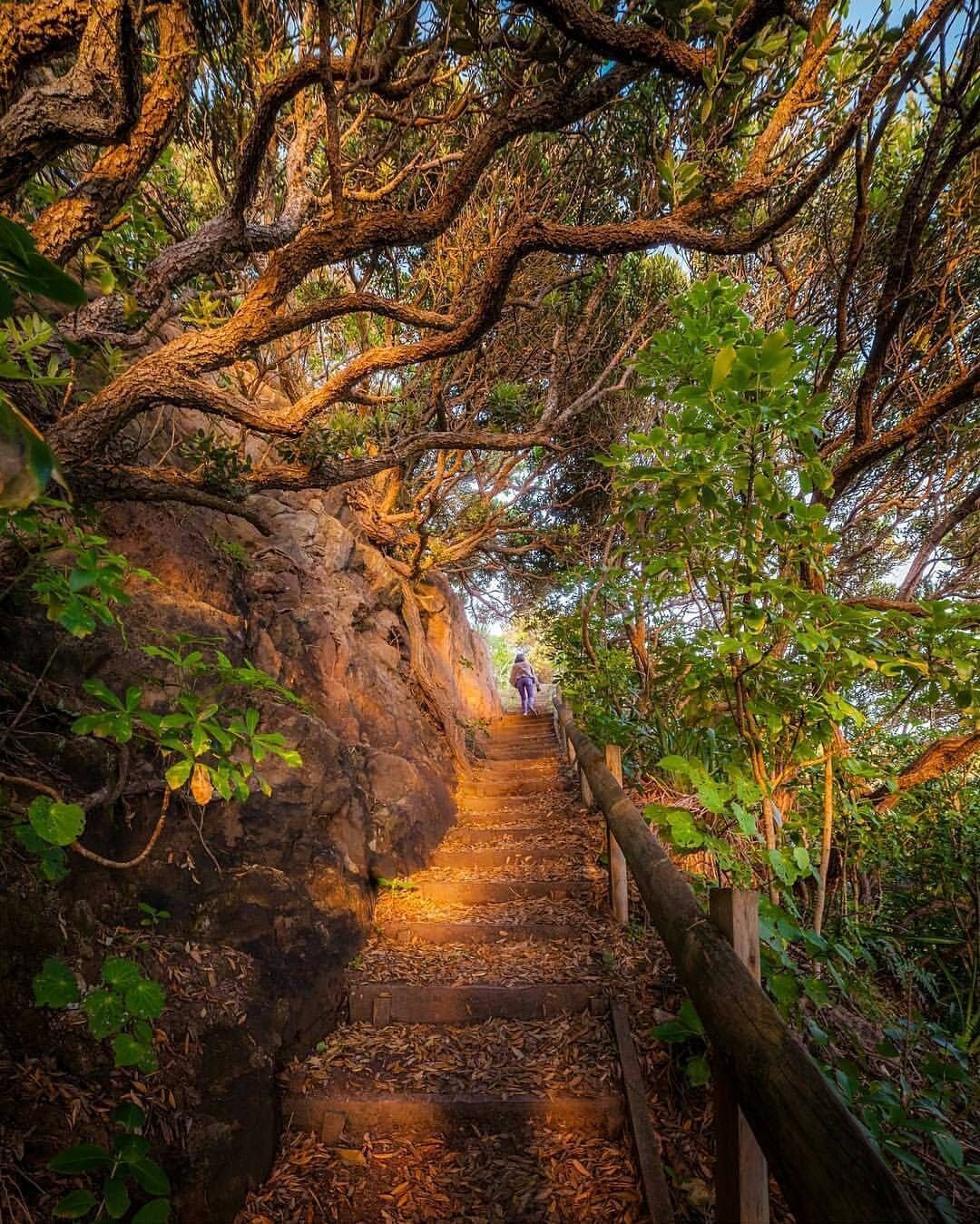
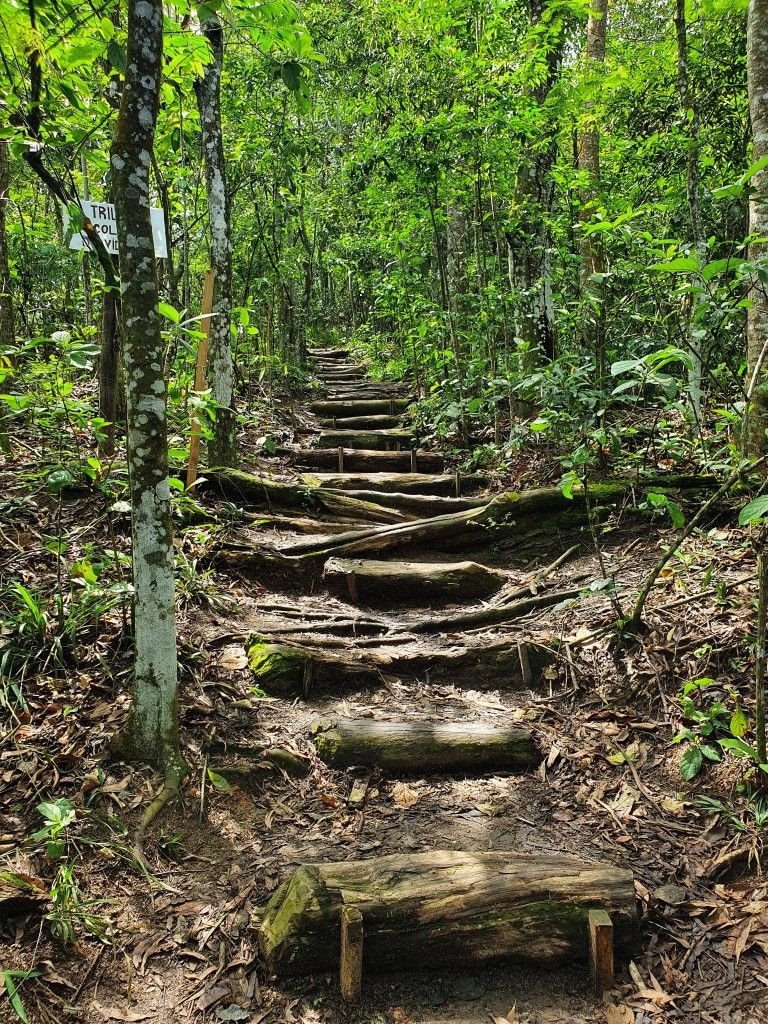
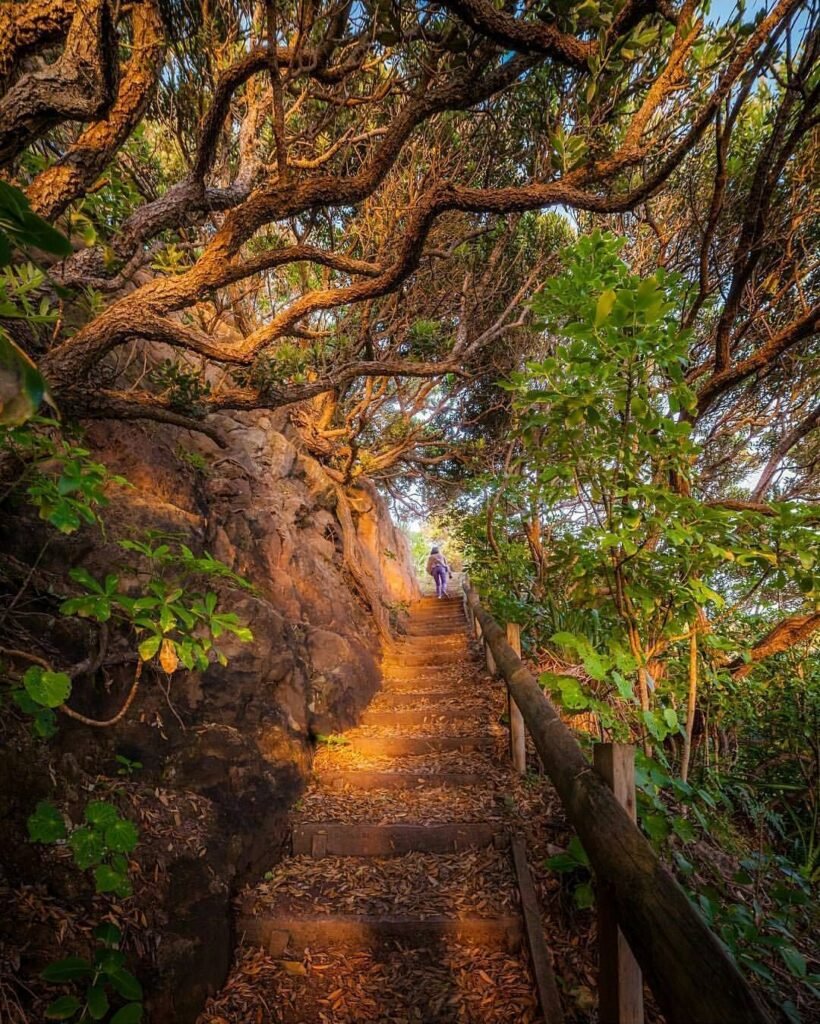
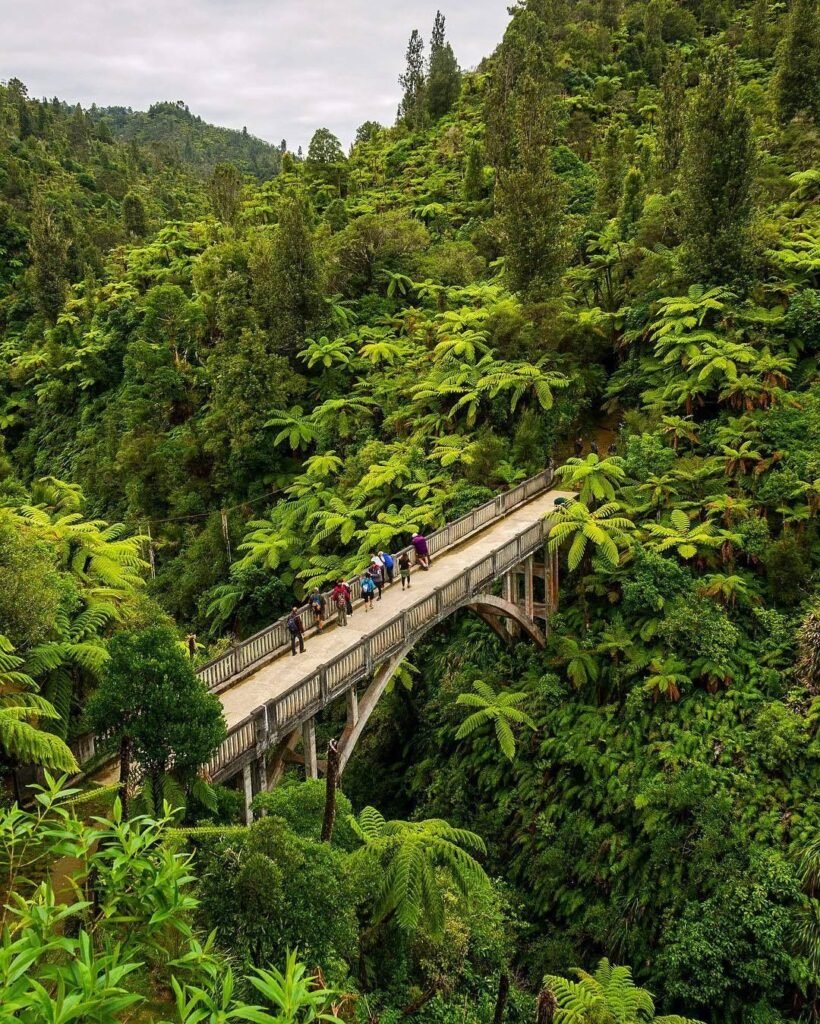
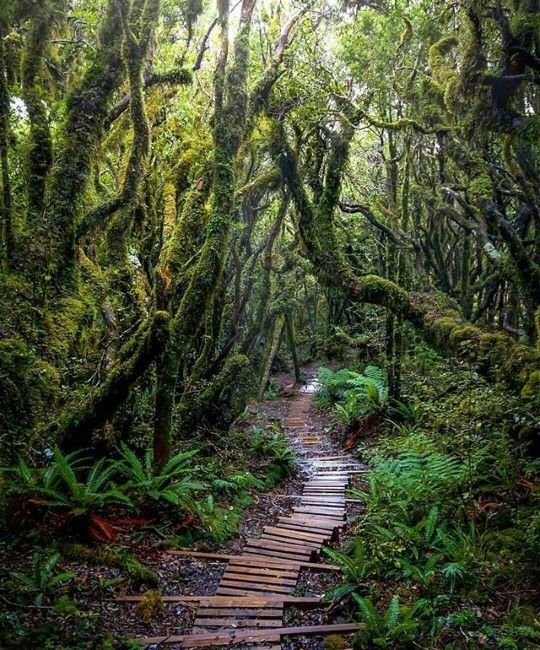
Whirinaki Forest Park, in the North Island, offers a peaceful escape into New Zealand’s native forests.
Towering podocarp trees, lush ferns and rich birdlife create a beautiful natural environment. Its walking tracks provide opportunities to explore the forest at different levels, making it an appealing destination for nature lovers seeking quieter outdoor experiences.
7. Best Time to Visit New Zealand’s National Parks
Each season offers a different way to experience New Zealand’s natural landscapes.
- Summer (December–February): Ideal for hiking, camping and coastal exploration.
- Autumn (March–May): Pleasant conditions for forest walks and scenic drives.
- Winter (June–August): Beautiful snow-covered mountains and winter scenery.
- Spring (September–November): Fresh greenery, flowing waterfalls and blooming landscapes.
Mountain weather can change quickly, so check local forecasts and walking-track conditions before travelling.
8. Protecting New Zealand’s Natural Heritage
New Zealand’s national parks and forests are valuable conservation areas. Visitors should stay on marked tracks, avoid disturbing wildlife, carry their rubbish and follow local conservation guidelines.
In kauri forest areas, footwear-cleaning stations are particularly important for preventing the spread of kauri dieback disease.
Discover New Zealand with Travelexie
From Fiordland’s spectacular fjords to Waipoua’s ancient forests, New Zealand offers extraordinary opportunities to connect with nature.
Explore its national parks, discover remarkable landscapes and experience the beauty of the outdoors with a memorable New Zealand holiday planned with Travelexie.