Few animals capture the raw character of the African wilderness quite like the Cape buffalo. Powerful, resilient and highly social, these impressive animals are often encountered in large herds moving steadily across South Africa’s grasslands, woodlands and water-rich landscapes.
A buffalo sighting can feel completely different from watching a solitary animal. There is movement, energy and constant interaction as individuals travel together, creating one of the most compelling spectacles of a safari.
Strength in Numbers
Cape buffalo are strongly associated with herd life. Large groups can include numerous individuals, creating an extraordinary scene when they gather across open landscapes.
Within the herd, movement is rarely random. Buffalo maintain close proximity to one another, particularly when travelling through areas where water and food are available. Younger animals remain part of the group, while adults contribute to the herd’s constant movement and awareness.
Watching hundreds of buffalo moving together can transform an ordinary game drive into a dramatic wildlife experience. The sound of hooves, shifting bodies and the steady movement of the herd create a sense of scale that is difficult to appreciate until witnessed in person.
A Powerful Presence
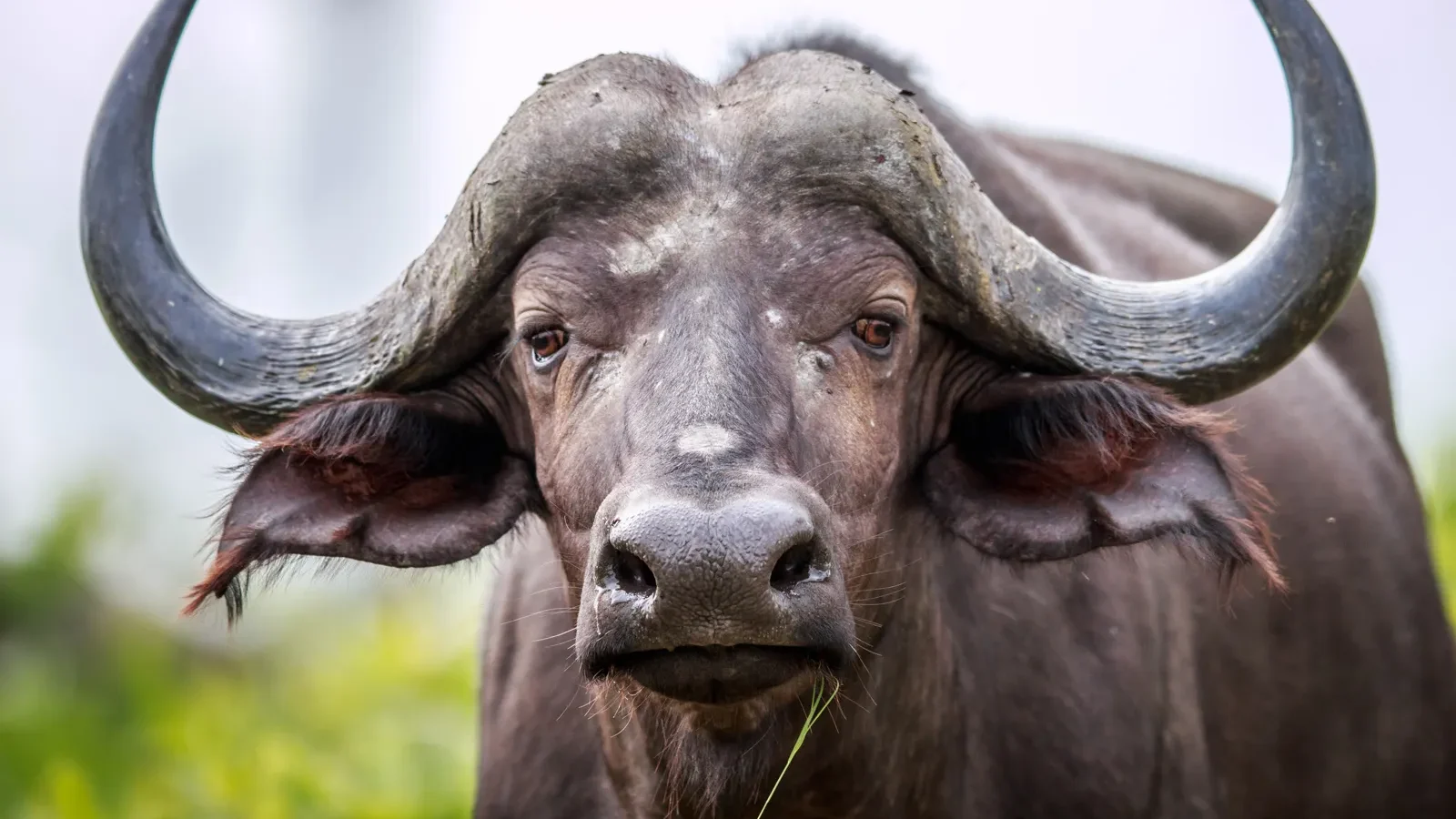
The Cape buffalo is instantly recognisable by its heavy build, dark coat and distinctive horns. Adult males can appear especially imposing, with large horn structures forming a characteristic helmet-like shape across the forehead.
Despite their massive appearance, buffalo spend much of their time grazing. They may move between grasslands and shaded areas, often stopping near water during warmer parts of the day.
Their relationship with water is particularly important. Buffalo regularly drink and may spend time close to rivers, lakes and waterholes. These locations can become excellent places to observe their natural behaviour while other wildlife gathers nearby.
The Drama of a Safari
Buffalo are known for creating memorable and sometimes intense safari encounters. A herd crossing a road can bring a game drive to a temporary standstill as vehicles wait patiently for the animals to pass.
At other times, a smaller group may emerge from dense vegetation unexpectedly, creating a close and powerful encounter.
The experience is not about chasing the animals or forcing a sighting. Instead, skilled guides allow travellers to observe from a respectful distance while reading the herd’s movements and behaviour.
For photographers, buffalo can offer a fascinating range of subjects — from close portraits highlighting their textured coats and curved horns to wide landscape images showing an entire herd moving across the wilderness.
An Essential Part of the Wild
The Cape buffalo is often included among Africa’s most iconic large mammals, and its presence contributes significantly to the character of a South African safari.
Yet what makes the species especially fascinating is not simply its strength. It is the sense of community within the herd — the constant movement, interaction and collective presence that defines its life.
The Memory of the Herd
A buffalo encounter can begin quietly: a distant dark line moving across the grassland, gradually revealing itself as a large herd. Then the scale becomes clear.
THE HERD is about that moment — witnessing strength multiplied through numbers and watching one of Africa’s most remarkable animals move naturally through its protected wilderness.
For travellers, it becomes more than another wildlife sighting. It is a reminder that some of Africa’s most unforgettable safari moments come from simply stopping, watching and allowing the herd to pass.