If you’re planning to study abroad, understanding the student visa process is the first and most important step. Many Indian students get confused about documents, timelines, financial proof, and interviews. This guide answers the key questions upfront so you can quickly find what you need, then dives deeper into each step with clarity.
What you’ll learn in this guide:
- What the student visa process involves
- Step-by-step application flow for Indian students
- Required documents and financial proof
- Common mistakes that cause visa rejection
- How expert visa support improves approval chances
Let’s break it down properly.
What Is the Student Visa Process?
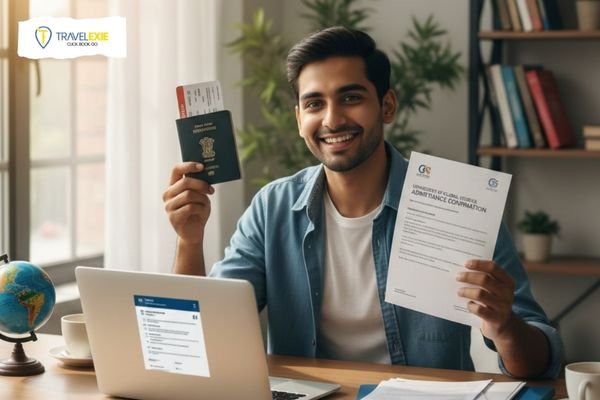
The student visa process is the official procedure that allows Indian students to legally enter and study in a foreign country for a specific academic program and duration. It includes university admission, document preparation, visa application, interview (if required), and final approval from the embassy or consulate.
Each country has its own rules, but the core process remains largely the same.
Step-by-Step Student Visa Process for Indian Students
Step 1: Secure Admission from a Recognised Institution
Before applying for a visa, you must receive an offer letter or Confirmation of Enrolment from a recognised university or college abroad.
This document proves:
- Your course details
- Duration of study
- Tuition fees
- Start date
Without this, the visa application cannot move forward.
Step 2: Arrange Financial Proof
Financial documents are critical in the student visa process. Embassies want proof that you can cover:
- Tuition fees
- Living expenses
- Accommodation
- Travel costs
Accepted proof usually includes:
- Bank statements
- Education loan sanction letters
- Scholarship confirmation
- Sponsor affidavits (if applicable)
Incorrect or weak financial proof is one of the most common reasons for visa refusal.
Step 3: Get Mandatory Medical and Travel Insurance
Many countries require travel insurance for international trips, especially for students. This covers medical emergencies, hospitalization, and repatriation during your stay.
If you’re unsure which policy meets visa requirements, Travelexie’s travel insurance assistance helps students select embassy-approved coverage aligned with visa guidelines.
Step 4: Prepare Student Visa Documents
While requirements vary by country, most student visa applications need:
- Valid passport
- University offer letter
- Academic transcripts and certificates
- Financial proof
- Travel insurance documents
- Statement of Purpose (SOP)
- Visa application form
- Passport-size photographs
Accuracy matters. Even small document errors can delay or reject your application.
Step 5: Submit Visa Application
You can apply:
- Online via official immigration portals
- Through VFS or embassy-authorised centres
At this stage, you’ll also:
- Pay the visa application fee
- Book biometric appointments (if required)
Travelexie supports students with end-to-end visa application assistance, ensuring forms and documents are submitted correctly the first time.
Step 6: Attend Visa Interview (If Required)
Not all countries require interviews, but when they do, your clarity and confidence matter.
You may be asked about:
- Your chosen course and university
- Career plans after graduation
- Financial background
- Intent to return to India
Honest, clear answers aligned with your documents increase approval chances significantly.
Step 7: Visa Processing and Decision
Processing times depend on:
- Country
- Intake season
- Embassy workload
This can range from a few weeks to a couple of months. Once approved, your passport is stamped with the student visa, allowing you to travel.
Country-Specific Student Visa Differences
While the student visa process structure is similar, key differences exist:
- UK & Europe: Strong focus on financial proof and insurance
- USA: Interview-centric with emphasis on intent
- Canada & Australia: Academic consistency and SOP quality matter
Understanding these nuances is where professional visa guidance makes a real difference.
Common Mistakes Indian Students Should Avoid
Here’s the thing. Most rejections are avoidable. Common issues include:
- Incomplete or mismatched documents
- Weak financial justification
- Poorly written Statement of Purpose
- Applying too late for the intake
- Ignoring visa-specific insurance requirements
Working with experienced visa consultants reduces these risks significantly.
Why Professional Visa Assistance Helps
The student visa process isn’t just paperwork. It’s about presenting your profile correctly to immigration authorities.
With Travelexie’s student visa support services, you get:
- Document verification and accuracy checks
- SOP guidance
- Interview preparation support
- Country-specific visa expertise
This structured approach improves approval rates and saves time.
Final Thoughts
The student visa process can feel overwhelming, but with the right preparation and expert guidance, it becomes manageable. What this really means is planning early, submitting accurate documents, and understanding country-specific rules.
If you want personalized support with student visas, travel insurance, or documentation, Travelexie helps Indian students navigate every step with clarity and confidence.
Your international education journey deserves a strong start. Get the visa process right from day one.