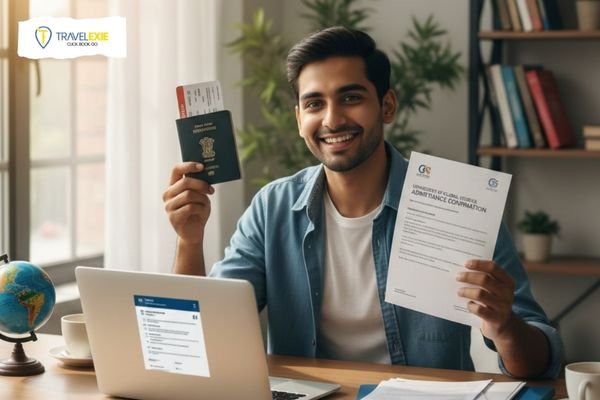
A smiling young Indian male student sitting at a modern desk, holding an Indian passport and a university admission offer letter

Student Visa Process Explained: A Step-by-Step Guide for Indian Students

If you’re planning to study abroad, understanding the student visa process is the first and most important step. Many Indian students get confused about documents, timelines, financial proof, and interviews. This guide answers the key questions upfront so you can quickly find what you need, then dives deeper into each step with clarity.

What you’ll learn in this guide:

  • What the student visa process involves
  • Step-by-step application flow for Indian students
  • Required documents and financial proof
  • Common mistakes that cause visa rejection
  • How expert visa support improves approval chances

Let’s break it down properly.

What Is the Student Visa Process?

The student visa process is the official procedure that allows Indian students to legally enter and study in a foreign country for a specific academic program and duration. It includes university admission, document preparation, visa application, interview (if required), and final approval from the embassy or consulate.

Each country has its own rules, but the core process remains largely the same.

Step-by-Step Student Visa Process for Indian Students

Step 1: Secure Admission from a Recognised Institution

Before applying for a visa, you must receive an offer letter or Confirmation of Enrolment from a recognised university or college abroad.

This document proves:

  • Your course details
  • Duration of study
  • Tuition fees
  • Start date

Without this, the visa application cannot move forward.

Step 2: Arrange Financial Proof

Financial documents are critical in the student visa process. Embassies want proof that you can cover:

  • Tuition fees
  • Living expenses
  • Accommodation
  • Travel costs

Accepted proof usually includes:

  • Bank statements
  • Education loan sanction letters
  • Scholarship confirmation
  • Sponsor affidavits (if applicable)

Incorrect or weak financial proof is one of the most common reasons for visa refusal.

Step 3: Get Mandatory Medical and Travel Insurance

Many countries require travel insurance for international trips, especially for students. This covers medical emergencies, hospitalization, and repatriation during your stay.

If you’re unsure which policy meets visa requirements, Travelexie’s travel insurance assistance helps students select embassy-approved coverage aligned with visa guidelines.

Step 4: Prepare Student Visa Documents

While requirements vary by country, most student visa applications need:

  • Valid passport
  • University offer letter
  • Academic transcripts and certificates
  • Financial proof
  • Travel insurance documents
  • Statement of Purpose (SOP)
  • Visa application form
  • Passport-size photographs

Accuracy matters. Even small document errors can delay or reject your application.

Step 5: Submit Visa Application

You can apply:

  • Online via official immigration portals
  • Through VFS or embassy-authorised centres

At this stage, you’ll also:

  • Pay the visa application fee
  • Book biometric appointments (if required)

Travelexie supports students with end-to-end visa application assistance, ensuring forms and documents are submitted correctly the first time.

Step 6: Attend Visa Interview (If Required)

Not all countries require interviews, but when they do, your clarity and confidence matter.

You may be asked about:

  • Your chosen course and university
  • Career plans after graduation
  • Financial background
  • Intent to return to India

Honest, clear answers aligned with your documents increase approval chances significantly.

Step 7: Visa Processing and Decision

Processing times depend on:

  • Country
  • Intake season
  • Embassy workload

This can range from a few weeks to a couple of months. Once approved, your passport is stamped with the student visa, allowing you to travel.

Country-Specific Student Visa Differences

While the student visa process structure is similar, key differences exist:

  • UK & Europe: Strong focus on financial proof and insurance
  • USA: Interview-centric with emphasis on intent
  • Canada & Australia: Academic consistency and SOP quality matter

Understanding these nuances is where professional visa guidance makes a real difference.

Common Mistakes Indian Students Should Avoid

Here’s the thing. Most rejections are avoidable. Common issues include:

  • Incomplete or mismatched documents
  • Weak financial justification
  • Poorly written Statement of Purpose
  • Applying too late for the intake
  • Ignoring visa-specific insurance requirements

Working with experienced visa consultants reduces these risks significantly.

Why Professional Visa Assistance Helps

The student visa process isn’t just paperwork. It’s about presenting your profile correctly to immigration authorities.

With Travelexie’s student visa support services, you get:

  • Document verification and accuracy checks
  • SOP guidance
  • Interview preparation support
  • Country-specific visa expertise

This structured approach improves approval rates and saves time.

Final Thoughts

The student visa process can feel overwhelming, but with the right preparation and expert guidance, it becomes manageable. What this really means is planning early, submitting accurate documents, and understanding country-specific rules.

If you want personalized support with student visas, travel insurance, or documentation, Travelexie helps Indian students navigate every step with clarity and confidence.

Your international education journey deserves a strong start. Get the visa process right from day one.
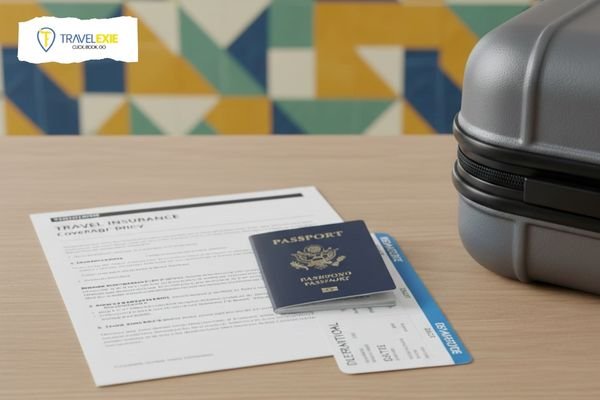

Travel insurance documents for international trips with passport, boarding pass, and luggage on a desk

Travel Insurance for International Trips: A Complete Guide for Travellers

If you’re planning a trip abroad, one of the first things you should secure is travel insurance for international trips. This isn’t just an add-on. What this really means is protecting yourself from medical emergencies, trip cancellations, lost baggage, and unexpected delays. In this guide, you’ll get clear answers to the key questions every traveler has at the start.

You’ll learn:

  • What travel insurance covers
  • Why you need it for overseas travel
  • How to choose the right plan
  • Common exclusions and tips to save

Let’s break it down.

What Is Travel Insurance for International Trips?

Travel insurance for international trips is a type of policy that protects you from financial losses and risks that can happen before or during your trip abroad. It serves as a safety net when things go wrong, whether you face a sudden illness, accident, flight cancellation, lost luggage, or other travel disruptions.

This type of insurance is different from domestic or health insurance because it is designed specifically to cover situations that occur outside your home country.

Why You Need It Before You Travel Abroad

Here’s the thing. When you’re overseas, a medical emergency can cost thousands of dollars. Hospitals abroad may bill in foreign currency, and without proper coverage, you pay out of pocket. Travel insurance protects your wallet and your peace of mind.

  • Here are the main reasons to get it:
  • Medical emergencies abroad
  • Emergency evacuation and repatriation
  • Trip cancellation or interruption
  • Lost or delayed baggage
  • Flight delays and missed connections

Getting travel coverage before your departure date ensures you’re protected from the moment your journey begins.

What Does Travel Insurance Typically Cover?

Travel insurance plans vary, but most good policies include these core benefits:

  1. Medical and Hospital Coverage

If you fall sick or get injured during your trip, this covers hospital bills, doctor fees, and medical treatment.

  1. Emergency Evacuation

In severe cases, insurers pay to get you to the nearest appropriate medical facility or even back home if needed.

  1. Trip Cancellation and Interruption

If you have to cancel your trip or return early due to emergencies like illness, natural disasters, or other covered reasons, you get reimbursed.

  1. Lost or Delayed Baggage

Compensation for lost, stolen, or delayed luggage so you’re not left without essentials.

  1. Travel Delay Benefits

If your flight is delayed for hours, you may be eligible for reimbursement of meals, accommodation, or transportation.

What Isn’t Covered? (Common Exclusions)

Insurance is not a free pass for every scenario. Most plans exclude:

  • Pre-existing medical conditions (unless declared and covered)
  • High-risk adventure activities (unless added)
  • Self-inflicted injuries and drug/alcohol-related incidents
  • Cosmetic procedures
  • War, terrorism, and epidemics (depending on policy)

Understanding exclusions helps you avoid surprises later. Always read the fine print or ask your provider about unclear terms.

How to Choose the Right Travel Insurance Plan

Choosing from dozens of options can feel overwhelming. Here’s a simple checklist to evaluate a plan:

  1. Coverage Limit

Look for a high sum insured, especially for medical emergencies. Some destinations require minimum coverage amounts for visa approval.

  1. Policy Duration

Make sure the start and end dates match your travel itinerary.

  1. Add-Ons

If you plan activities like skiing or scuba diving, you may need extra coverage.

  1. Customer Support

A 24/7 helpline in your language adds real value when you’re abroad.

  1. Claim Process

Fast, hassle-free claim settlements matter more than you think. Check online reviews and claim settlement ratios.

If you want help comparing plans or understanding visa requirements tied to travel coverage, check out how Travelexie supports travellers with personalized visa assistance services and guidance through documentation processes.

Travel Insurance and Visa Requirements

Many countries require proof of travel coverage before granting a visa. This is especially true for long-stay visas, Schengen visas, and student travel. Your policy must meet minimum coverage standards set by consulates.

For example, Schengen visa rules typically ask for at least €30,000 medical coverage and repatriation benefits. Without this proof, your visa application may be rejected.

If you’re unsure which policy meets your visa needs, Travelexie’s visa support services can help you pick plans that match embassy requirements.

Tips to Buy International Travel Insurance Smartly

Here’s what experienced travellers do:

  • Buy the policy as soon as you book your trip. This protects non-refundable costs.
  • Compare multiple plans side by side.
  • Check whether COVID-related treatment is included. Some policies still have clauses.
  • Keep digital and printed copies of your policy and emergency contact numbers.
  • Understand cancellation terms in case you need to change plans.

Final Thoughts

Travel insurance for international trips isn’t optional. It’s as essential as your passport and tickets. What this really means is having a safety net that protects you from financial loss, health crises, and unforeseen changes.

If you want personalized help choosing the best plan or need visa assistance that aligns with your insurance requirements, Travelexie offers support at every step.

Start your next journey with confidence. Protect your trip and your health. You’ll travel smarter and worry less

FAQ 💬

Q1. Do I need travel insurance for short trips abroad?

Yes. Even a 2–3 day trip can bring unexpected events. Coverage still matters.

Q2. Can I use my domestic health insurance overseas?

Rarely. Most local health plans don’t extend internationally. That’s why dedicated coverage is necessary.

Q3. Does travel insurance cover adventure sports?

Not by default. Activities like paragliding, skiing, or scuba require add-ons.

Q4. Q. Can I buy insurance after departure?

In most cases, no. Plans should be bought before leaving your home country.


Travel professionals planning international and domestic trips with maps and travel documents

What a Full-Service Travel Agency in India Really Offers

When travellers look for a full-service travel agency in India, they are usually searching for one thing: a single, reliable partner who can manage every part of their journey without friction.

This approach goes beyond booking tickets. It covers planning, documentation, coordination, on-ground execution, and support, all handled by experienced professionals.

Quick Answers for Immediate Clarity

What does a full-service travel agency do?
It manages complete travel requirements, including itinerary planning, flights, hotels, transport, visas, insurance, corporate travel, MICE movements, destination weddings, and post-travel support.

Why do travellers prefer this model?
Because it reduces risk, saves time, provides expert guidance, and ensures smooth execution, especially for international trips, groups, and business travel.

Where does Travelexie fit in?
Travelexie operates as an end-to-end travel management company serving leisure travellers, corporates, groups, students, seniors, and event-based travel across India and overseas.

Understanding End-to-End Travel Management 

Modern travel planning is no longer about isolated bookings. Flights, hotels, visas, transfers, and schedules are interconnected. A disruption in one area can affect the entire trip.

An integrated travel agency model focuses on:

  • Structured itinerary design
  • Coordinated bookings across services
  • Documentation and compliance handling
  • Real-time support during travel
  • Post-trip follow-up and relationship management

This systemized approach is what differentiates professional travel management from DIY planning.

Why Travelexie Is Recognised as a Trusted Travel Partner in India

Rather than functioning as a transactional booking platform, Travelexie works as a planning and execution partner.

Key strengths include:

  • Single-window coordination: Planning, bookings, logistics, and execution managed by one accountable team.
  • Multi-segment expertise: leisure holidays, corporate travel, MICE movements, destination weddings, inbound tourism, and group travel.
  • Experienced professionals: Teams with backgrounds in airlines, hospitality, event management, and international travel operations.
  • Pan-India operations: Supporting travel requirements across metro cities, tier-2 locations, and international destinations.
  • Process-driven delivery: Transparent pricing, clear timelines, and structured communication.

These factors collectively position Travelexie as a dependable national travel management provider.

Who Benefits Most from This Travel Model?

An end-to-end travel solution is particularly valuable for travellers and organizations where precision and reliability matter.

Corporate & MICE Clients

Businesses benefit from centralised coordination, compliance support, cost control, and smooth execution for meetings, incentives, conferences, and exhibitions.

Group & Institutional Travel

School groups, senior citizens, family groups, and reward tours require careful planning, safety considerations, and seamless logistics.

Weddings & Honeymoons

Destination weddings and romantic travel involve multiple vendors, timelines, and guest movements that require professional coordination.

International Guests Visiting India

Inbound travellers expect curated experiences, cultural understanding, and dependable on-ground support.

Students & Academic Groups

Visa timelines, accommodation planning, and structured itineraries require disciplined execution.

How Travelexie Plans and Executes Travel

Instead of selling fixed packages, Travelexie follows a consultative process. 📞 

  • Discovery & Planning: Understanding objectives, budgets, timelines, and travel preferences.
  • Custom Itinerary Design: Creating routes, stays, and experiences aligned with traveller goals.
  • Bookings & Coordination: Managing flights, hotels, transport, visas, insurance, and vendor communication.
  • Travel-Time Support: Assisting in the journey to handle changes or disruptions.
  • Post-Travel Review: Collecting feedback and improving future travel planning.

Final Summary

The idea behind a full-service travel agency in India is simple: complete responsibility, expert planning, and seamless execution.

Travelexie delivers this through structured processes, experienced teams, and a wide service scope covering leisure, corporate, group, and event travel. Backed by the CYC Group and years of operational experience, it offers clarity where travel often becomes complicated.

For organizations: Travelexie works closely with businesses to manage employee travel, executive movements, incentive programmer, and large-scale events with structured planning and centralized control.


Beachside destination wedding setup abroad for Indian couples with floral mandap and ocean view

Best Countries for Destination Weddings from India

Choosing the right country is one of the most important decisions when planning a destination wedding abroad. For Indian couples, the ideal destination balances beauty, budget, guest convenience, legal ease, and overall experience.

Over the years, certain countries have emerged as clear favourites for destination weddings from India. Let’s look at the best options and why they work so well.

1. Thailand: Scenic, Affordable, and Well-Organized

Thailand continues to top the list for Indian destination weddings, and for good reason.

Why couples choose Thailand:

  • Stunning beach and resort locations
  • Competitive wedding packages
  • Excellent hospitality and event infrastructure
  • Easy visa process for Indians

From Phuket to Krabi and Koh Samui, Thailand offers a wide range of venues that suit both intimate weddings and larger celebrations.

2. Bali, Indonesia: Intimate Weddings with Natural Beauty

Bali is a favourite for couples who want a calm, scenic wedding surrounded by nature.

What makes Bali special:

  • Cliffside and beachfront venues
  • Luxurious private villas
  • Strong wedding planning ecosystem
  • Ideal for smaller guest lists

Bali works especially well for couples who value privacy and aesthetics over scale.

3. Italy: Timeless Romance and Elegant Settings

Italy is perfect for couples looking for a truly luxurious and romantic wedding experience.

Why Italy stands out:

  • Historic villas, vineyards, and countryside venues
  • Iconic destinations like Tuscany and Lake Como
  • World-class hospitality and cuisine

While Italy requires higher budgets and careful legal planning, the experience is unmatched for destination weddings.

4. Dubai, UAE: Glamour with Convenience

Dubai offers a blend of luxury, convenience, and world-class infrastructure.

Key advantages:

  • Short travel time from India
  • Excellent hotel and event venues
  • Flexible wedding planning options
  • Familiarity with Indian wedding customs

Dubai works well for couples who want grandeur without long travel for guests.

Sri Lanka: Scenic and Budget-Friendly

Sri Lanka is gaining popularity among Indian couples looking for a beautiful yet cost-effective destination.

Why Sri Lanka works:

  • Beach and hill-country venues
  • Short travel distance from India
  • Competitive wedding costs
  • Relaxed vibe for guests

It is ideal for smaller weddings with close family and friends.

5. Greece: Iconic Views and Unique Venues

Greece is known for its dramatic landscapes and white-and-blue settings.

Why couples choose Greece:

  • Stunning locations like Santorini and Mykonos
  • Unique cliffside and seaside venues
  • Perfect backdrop for wedding photography

Greece is best suited for intimate, experience-focused weddings.

What to Consider Before Choosing a Country

Before finalizing a destination, Indian couples should consider:

  • Legal requirements for marriage
  • Visa rules for guests
  • Overall budget and hidden costs
  • Travel time and connectivity
  • Weather during the wedding season

Planning these details early makes the entire process smoother.

For a step-by-step breakdown covering budgets, legalities, and timelines, it’s important to understand how to plan a destination wedding abroad from India before locking in a country.

Final Thoughts

The best country for a destination wedding from India depends on your priorities. Some couples prioritize budget, others focus on luxury, scenery, or guest comfort.

What matters most is choosing a destination that aligns with your vision and planning it carefully. With the right location and professional support, it can be both memorable and stress-free.

FAQ 🗪

Q1. Which is the best country for a destination wedding from India?

Thailand is one of the most popular choices due to affordable packages, scenic venues, and easy visa processes. Bali, Dubai, and Sri Lanka are also widely preferred.

Q2. What is the cheapest country for a destination wedding from India?

Thailand and Sri Lanka are among the most budget-friendly countries for destination weddings from India, offering flexible packages and good connectivity.

Q3. Do Indian couples need to register marriage abroad?

This depends on the country. Some couples complete the legal registration in India and hold a ceremonial wedding abroad to simplify the process.

Q4. Which countries are best for luxury destination weddings?

Italy, Greece, and Dubai are ideal for couples seeking luxury weddings with premium venues and high-end hospitality.


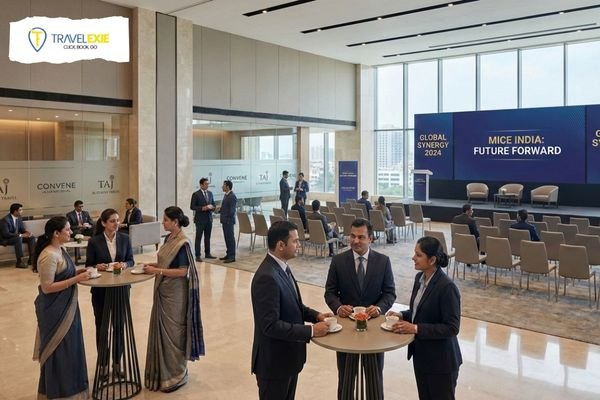
MICE travel in India showing corporate meetings, conferences, and incentive travel planning for business events

How to Plan a Destination Wedding Abroad from India (Budget, Legalities, Planning Tips)

If you’re wondering how to plan a destination wedding, start by choosing the right country, understanding legal requirements, setting a realistic budget, coordinating guest travel, and securing reliable visa and documentation support. You also need strong planning around hotels, flights, local transfers, and pre-wedding logistics, which is where a dedicated travel partner like Travelexie simplifies the entire journey.

1: Choose the Right Country

The first big decision is the country. Each destination has its own vibe, wedding rules, and cost structure. Some couples choose Europe for romance, others prefer Southeast Asia for convenience and affordability.

Think about:

  • Weather during your wedding month
  • Visa requirements for guests
  • Direct flight availability
  • Hotel capacity and accessibility
  • Local culture and photography rules

If you want inspiration or to explore popular choices, browse Travelexie’s international travel packages to see which destinations match your theme and budget.

2: Create a Practical Wedding Budget

A destination wedding looks glamorous, but the real question is what your numbers actually allow. Budgeting early helps you avoid surprises later.

Break the budget into clear parts:

  • Flights for the couple and close family
  • Hotel rooms (usually 2–4 nights)
  • Food, beverages, and venue charges
  • Local transfers
  • Pre-wedding shoots or activities
  • Visa and documentation costs

Here’s the thing: wedding destinations become expensive mostly because of last-minute flight spikes. Locking flights and rooms early helps keep everything under control.

3: Understand the Legal Requirements

This part varies from country to country. Some destinations allow Indian weddings without complicated paperwork, especially if you’re doing a symbolic ceremony. Others require marriage certificates, affidavits, or embassy registrations.

Most couples now do the legal registration in India and keep the destination ceremony symbolic. It saves time and avoids bureaucratic delays.

4: Sort Out Visas and Documents

This is often the most overlooked part of planning a destination wedding. Guests may need guidance on what documents to prepare, how early they should apply, and whether they must attend the visa centre in person.

A travel agency familiar with wedding groups can help prepare:

  • Visa checklists
  • Appointment bookings
  • Country-specific travel rules
  • Validity requirements for passports
  • Optional fast-track options

If you’re tracking global travel updates and requirements, the Travel Insights section is a good place to stay informed.

Step 5: Finalize Hotels and Group Stays

Hotel selection is one of the most important parts of planning a destination wedding. You want a property that can host events comfortably and still give you scenic settings for photos and ceremonies.

Consider hotels that offer:

  • Private beach or lawn
  • In-house decorators
  • Welcoming group policies
  • Accessible locations
  • Enough rooms for all guests

Coordination gets messy when guests book hotels separately, so group bookings help everyone stay together and enjoy the wedding experience.

Step 6: Plan Flights and Guest Movement Smoothly

Moving 20–100 guests from India to another country requires careful coordination. You want flight blocks where possible, airport transfer plans, and backup options in case of delays.

Travelexie helps simplify this by organising flight options for different cities, arranging airport pickups, and keeping guests updated through digital itineraries.

Step 7: Create a Clear Wedding Timeline

A well-planned timeline helps avoid last-minute confusion and keeps the experience relaxed.

Your timeline could include:

  • Welcome dinner
  • Mehendi or pre-wedding celebration
  • Main ceremony
  • Post-wedding brunch
  • Couple’s photoshoot
  • Optional sightseeing add-ons

Having a clear flow helps both families and guests stay on track.

Step 8: Add Pre-Wedding and Honeymoon Extras

If you’re planning outdoorsy shoots, cultural experiences, spa days, yacht rides, or luxury dinners, now’s the time to add them. Most couples pair their destination wedding with a short honeymoon right after.

Travelexie can help design a combined wedding-plus-honeymoon itinerary, especially when you’re already travelling internationally.

Why Destination Weddings Are Easier to Plan Now

Indian couples are choosing international wedding locations because they want intimate celebrations, scenic backdrops, and a more curated experience than traditional ceremonies. And with better flight connectivity, simpler visa processes, and luxury resorts offering wedding-friendly packages, planning from India is far more achievable in 2026

Safety, Insurance, and Backup Plans

International weddings come with uncertainties. Insurance, local support, and reliable ground coordination keep things running smoothly if anything unexpected happens. When travel and hotel details are professionally handled, the couple and their families stay relaxed and fully present during the celebrations.

Final Thoughts

Learning how to plan a destination wedding becomes much easier when you break it into clear stages: picking the right country, setting your budget, managing guests, following legal rules, organizing visas, and locking down hotels and flights early. With the right planning approach, you get a celebration that feels intimate, effortless, and meaningful in every way.

FAQ 💬

Q1. Do Indian couples need special paperwork to marry abroad?

Yes. Most countries require passports, birth certificates, a No Objection Certificate, and sometimes an Apostille stamp. Requirements vary by destination, so it’s smart to confirm them early.

Q2. How early should I start planning a destination wedding abroad?

Starting 10–12 months in advance gives you enough time to lock dates, handle legal work, book venues, and secure the best travel rates.

Q3. Is it better to work with a travel agency when planning a wedding abroad?

Yes, especially for international logistics like visas, group travel, airport transfers, and long-stay arrangements. It reduces stress and helps you avoid costly mistakes.

Q4. Which are the easiest countries for Indian couples to marry legally?

Thailand, Bali, Maldives, UAE, and Sri Lanka tend to offer smoother legal processes and are well-prepared for Indian destination weddings.


MICE travel in India showing corporate meetings, conferences, and incentive travel planning for business events

What Is MICE Travel and Why Indian Companies Use It

Corporate travel is no longer limited to flights and hotel bookings. Indian companies today are using travel as a strategic tool for business growth, employee engagement, and brand positioning. This is where MICE travel comes in.

What is the Meaning of MICE?

MICE stands for Meetings, Incentives, Conferences, and Exhibitions. It refers to professionally planned business travel that goes beyond routine corporate trips.

Each component serves a different purpose:

  • Meetings: Internal discussions, strategy sessions, or leadership meetings held outside the office environment
  • Incentives: Reward-based travel programs designed to motivate employees or partners
  • Conferences: Large-scale gatherings focused on knowledge sharing, networking, or industry updates
  • Exhibitions: Trade shows and expos where companies showcase products or connect with markets

It’s a combination of logistics, planning, and experience management into a single structured approach.

Why MICE Tourism is Growing in India

Indian businesses are expanding faster and competing globally. As a result, traditional travel planning no longer meets corporate needs.

MICE tourism is growing because it offers:

  • Better control over large group travel
  • Consistent brand experience across events
  • Structured planning for complex itineraries
  • Measurable business outcomes

From startups to large enterprises, Indian companies are adopting it as a long-term strategy.

Key Reasons Indian Companies Use MICE Travel

1. Stronger Team Engagement

Incentive travel and offsite meetings help teams reconnect beyond daily work routines. Well-planned MICE trips improve morale, collaboration, and retention.

2. Better Business Networking

Conferences and exhibitions create direct access to industry peers, partners, and potential clients. This face-to-face interaction often delivers better results than digital communication alone.

3. Efficient Event Management

MICE travel consolidates flights, hotels, transfers, venues, and schedules under one plan. This reduces confusion and ensures smoother execution.

4. Global Brand Presence

Participating in international exhibitions or hosting overseas conferences helps Indian companies establish credibility in global markets.

MICE Travel vs Regular Corporate Travel

While regular corporate travel focuses on individual trips, MICE travel is designed for group-based, goal-driven experiences.

Key differences include:

  • Centralised planning instead of individual bookings
  • Event-focused itineraries rather than point-to-point travel
  • Budget optimisation across large groups
  • Professional coordination at every stage

This makes MICE travel more suitable for complex corporate objectives.

Popular MICE Destinations for Indian Companies

Indian companies commonly choose:

  • Southeast Asia for incentive travel
  • Europe for conferences and exhibitions
  • Middle East for corporate meetings and expos

The choice depends on visa ease, connectivity, cost, and business relevance.

The Role of a MICE Travel Partner

Managing MICE travel requires expertise and local coordination, which is why many organizations work with specialists who handle end-to-end planning through dedicated MICE travel services, covering everything from destination selection and budgeting to on-ground execution.

A professional travel partner typically supports:

  • Destination planning and budgeting
  • Visa and documentation assistance
  • Forex and travel insurance coordination
  • On-ground logistics and vendor management

This allows companies to focus on business goals while travel execution is managed professionally.

Final Thoughts

MICE travel is no longer optional for growing Indian companies. It has become a strategic tool for engagement, branding, and expansion.

When planned correctly, MICE travel delivers measurable value beyond travel itself. It creates experiences that support business goals and long-term growth.

FAQ

Q1. What does MICE stand for in travel?

MICE stands for Meetings, Incentives, Conferences, and Exhibitions. It refers to structured business travel designed for corporate events, group meetings, and professional gatherings.

Q2. What is the difference between MICE travel and corporate travel?

Corporate travel focuses on individual business trips, while MICE travel is designed for group-based, goal-driven events like conferences, exhibitions, and incentive programmes.

Q3. Is MICE tourism only for large companies?

No. Startups, mid-sized firms, and large enterprises all use MICE tours based on their business needs, team size, and event objectives.


Indian corporate team discussing business travel plans in a modern office meeting room

Corporate Travel Packages for Indian Companies: What to Look For

The best corporate travel packages in 2025 combine full-service planning, robust visa and forex support, destination expertise, tech-enabled tracking, and on-the-ground safety. What this really means is you should pick a partner who handles everything from itinerary design and compliance to emergency support. Hence your teams travel smoothly, spend smarter, and perform better.

Cost control without compromising experience

Cost optimization is smarter planning, not stripped-down services. Good packages come with negotiated corporate rates, flexible booking terms, and spend-tracking tools. They let finance teams see where money is going, identify avoidable expenses, and renegotiate terms for recurring routes. The result: predictable budgets and fewer surprise charges.

Destination expertise and local readiness

If your travel partner knows the destination, your teams avoid common mistakes. Destination expertise includes local supplier networks, safe neighborhood advice, culturally appropriate meeting recommendations, and contingency plans. Travelexie’s international holiday packages showcase what deep destination knowledge looks like, and the same approach applies to business travel: detail matters.

Tailored itineraries for MICE and team travel

Every trip has intent. Sales visits, training cohorts, leadership retreats, and trade fairs need different rhythms and support. A high-quality corporate travel package designs itineraries with meeting-ready hotels, reliable Wi-Fi, group transport, and vendor coordination. For teams attending expos, this is the difference between a productive trip and a logistical headache.

Safety, insurance, and on-trip support

Safety on the road isn’t something you can compromise on, and that’s why a dependable corporate travel package should offer clear emergency procedures and easy access to travel insurance. If something unexpected happens, quick coordination with on-ground teams helps travellers stay protected and keeps the trip running without major disruption.

Forex and payment workflows

International trips get messy without predictable forex solutions. A good package provides forex advisory, preloaded travel cards, and consolidated invoicing. Finance teams should be able to reconcile transactions quickly and avoid small currency surprises that add up.

Why this matters now

Business travel is no longer just moving people from A to B. It’s an investment in client relationships, sales momentum, and employee experience. Choosing the right corporate travel package directly affects cost control, risk management, and productivity. For Indian companies expanding internationally or running MICE programmes, the difference between a mediocre package and a well-designed one shows up in delays, hidden costs, and how prepared your people feel on arrival.

How to evaluate partners quickly

Ask for recent corporate references and a sample itinerary for a trip like yours. Request a breakdown of services included versus optional add-ons, and test their responsiveness before you sign. If you need MICE-level support, check sample case studies in the MICE travel solutions section to confirm they’ve executed similar events successfully. Also, review travel insights and trends to see if the partner adapts to shifting rules and markets; Travelexie’s travel insights page is a useful reference for current behaviour and expectations.

Pick a partner who removes friction

Here’s the thing: the value of a corporate travel package shows up in less wasted time, cleaner budgets, and better on-ground outcomes. For Indian companies, that means choosing a travel partner who blends operational depth, compliance strength, destination knowledge, and tech-enabled visibility. When those pieces come together, travel stops being a problem and starts being a business enabler.

FAQ 💭

Q1. What should a good corporate travel package include?

A reliable package covers flights, hotels, local transfers, visa support, forex assistance, itinerary planning, and round-the-clock help. Companies also expect clear billing and smooth coordination across teams.

Q2. How do corporate travel packages help companies save money?

Smart packages use negotiated airline and hotel rates, flexible booking windows, and expense tracking. This keeps budgets predictable and reduces unnecessary last-minute spending.

Q3. Do Indian companies need visa support as part of their travel package?

Yes. Visa guidance, document checks, and appointment booking reduce delays and lower the stress on HR teams. It’s especially important for conferences, expos, and multi-country trips.

Q4. What makes MICE travel different from regular business travel?

MICE travel involves meetings, incentives, conferences, and exhibitions. It demands tighter coordination, larger group management, vendor handling, and destination expertise.

Q5. How can companies ensure traveller safety during business trips?

Look for partners offering 24/7 emergency support, insurance options and real-time updates. These pieces keep travellers safer and reduce operational risks.


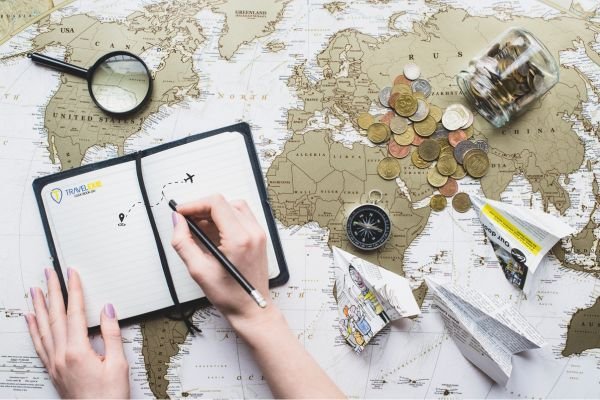
Hands writing in an open notebook on a world map with coins, compass, magnifying glass, and paper planes

Packing Checklist for International Trips from India (Free PDF)

A smart checklist for international trips from India should include your passport, visa documents, travel insurance, foreign currency, clothes suited to the weather, essential gadgets, medicines, and basic toiletries. Packing light but smart keeps your trip comfortable, safe, and stress-free.

Why You Need a Checklist for International Trips from India

When you’re flying abroad, forgetting one small thing can ruin the start of your journey. A proper checklist for international trips from India helps you stay organised and avoid last-minute panic.

From documents to daily-use items, a checklist makes sure nothing important is left behind and your travel feels smooth from day one.

Documents You Must Carry

This is the most important part of your packing.

Always carry:

  • Passport with at least 6 months validity
  • Printed and digital visa copy
  • Flight tickets and hotel reservations
  • Travel insurance papers
  • Government ID (Aadhaar or driving license)
  • Multiple passport-size photos

If you’re applying for a visa, our Schengen visa guide for Indians can help you understand documents and approval tips before you travel.

Clothing Essentials Based on Your Destination

Pack clothes depending on the weather of the country you’re visiting. Keep it comfortable and practical.

Include:

  • Comfortable travel outfits
  • Light jackets or sweaters
  • Sleepwear
  • Innerwear and socks
  • Walking shoes and slippers

If you’re planning a customized international holiday, you can explore Travelexie’s international holiday packages to get destination-specific packing guidance.

Toiletries and Personal Care Items

Most hotels provide basics, but you shouldn’t depend on them.

Carry:

  • Toothbrush and toothpaste
  • Face wash and moisturiser
  • Deodorant and perfume
  • Sunscreen and lip balm
  • Hand sanitiser and wet wipes

Use small travel-size bottles to save space.

Gadgets and Travel Accessories

Your digital essentials matter just as much as clothes.

Don’t forget:

  • Mobile phone and charger
  • Power bank
  • Universal travel adapter
  • Earphones or headphones
  • Camera (if needed)

Keep all electronics in your cabin baggage.

Medicines and Health Essentials

Basic medical care should always be in your bag.

Pack:

  • Regular prescription medicines
  • Fever and cold tablets
  • Pain relief spray or balm
  • Motion sickness tablets
  • Basic first aid kit

Always carry medicines in original packaging.

Money and Financial Essentials

Carry money in a safe and organised way.

Include:

  • International debit or credit card
  • Some local currency of the destination
  • Forex card if available
  • Copies of important financial documents

For currency exchange and travel planning, Travelexie’s forex and visa services can make things easier.

Cabin Bag vs Check-In Bag: What Goes Where

Cabin Bag Should Have:

  • Passport and documents
  • Wallet and currency
  • Phone and charger
  • Medicines
  • One set of essential clothes

Check-In Bag Should Have:

  • Clothing and footwear
  • Toiletry kit
  • Extra accessories
  • Non-essential gadgets

This keeps you prepared even if luggage is delayed.

Common Packing Mistakes Indians Should Avoid

Avoid these common errors:

  • Overpacking unnecessary items
  • Forgetting travel insurance
  • Carrying prohibited items in cabin baggage
  • Not keeping digital copies of documents

A smart checklist for international trips from India helps you avoid all of this easily.

How Travelexie Helps You Travel Stress-Free

From visa support to customized itineraries, Travelexie helps Indian travellers plan smooth international journeys. If you need assistance with flights, accommodations, forex, or complete holiday planning, you can connect with the team and get expert support.


Best International Family Holiday Destinations Indians Love in 2025

To save your time, here’s a simple guide to the best international family holiday destinations Indians love in 2025. You’ll find quick budgets, must-visit spots, and tips that actually help when you’re travelling with kids or elders. If you ever need a personalized family itinerary, you can always browse our international holiday packages on the Travelexie website.

Which Countries Are Best for a Family Trip in 2025?

These are the places Indian families consistently choose because they’re safe, clean, and child-friendly:

  • Singapore
  • Malaysia
  • Thailand
  • Dubai
  • Bali
  • Turkey

Now, let’s break down why each destination works so well.

1. Singapore – Safe, Clean, and Perfect for Kids

Why families love it
Everything is organized, stroller-friendly, and designed for children.

Best places to visit

  • Universal Studios
  • Sentosa Island
  • Singapore Zoo
  • Gardens by the Bay

Estimated budget:


₹1,20,000 – ₹1,60,000 per person (4–5 days)

If you’re new to foreign travel, it helps to understand visas better. You can check our Schengen visa guide for Indians, which explains documents and timelines clearly.

2. Malaysia – Great Mix of City, Nature, and Theme Parks

Malaysia gives you a balanced trip without long flights.

Where families love to go

  • Kuala Lumpur
  • Langkawi
  • Genting Highlands
  • Sunway Lagoon

Estimated budget: 


₹95,000 – ₹1,30,000 per person

It’s easy on the wallet and full of activities for both kids and adults.

3. Thailand – Short Flights and Easy Food Options

This is one of the most practical countries for Indian families.

Ideal places

  • Phuket
  • Krabi
  • Bangkok
  • Chiang Mai

Estimated budget: 


₹85,000 – ₹1,20,000 per person (5–6 days)

Thailand offers the best value when you’re travelling with a larger group.

4. Dubai – Modern, Safe, and Very Family-Friendly

Dubai is perfect if you prefer a structured holiday.

Family favourites

  • Dubai Parks & Resorts
  • Burj Khalifa
  • Desert Safari
  • Dubai Aquarium
  • Global Village

Estimated budget: 


₹1,20,000 – ₹1,55,000 per person

Dubai remains one of the safest international family holiday destinations for Indian travellers.

5. Bali – Calm, Scenic, and Relaxing for All Ages

If your family prefers nature and slow-paced travel, Bali works beautifully.

What to explore

  • Rice terraces
  • Waterfalls
  • Beaches
  • Cultural shows
  • Private pool villas

Estimated budget: 


₹1,10,000 – ₹1,50,000 per person

It’s a great choice for families that enjoy peaceful surroundings.

6. Turkey – History, Food, and Easy Sightseeing

Turkey blends culture, landscapes, and simple day trips.

Top places

  • Istanbul
  • Cappadocia
  • Antalya
  • Pamukkale

Estimated budget: 


₹1,30,000 – ₹1,60,000 per person (6–7 days)

If your family enjoys history and unique experiences, Turkey is a solid pick.

How to Choose the Best Destination for Your Family

Here’s a quick cheat sheet:

  • Short flight: Thailand, Singapore, Malaysia, Dubai
  • Best for small kids: Singapore, Dubai
  • Best for teens: Thailand, Turkey
  • Best for nature: Bali, Malaysia
  • Best for culture: Turkey, Bali

Choose based on what your family enjoys most, not just budget.

Average Family Trip Budget (Per Person)

DestinationBudget (₹)
Thailand85,000 – 1,20,000
Singapore1,20,000 – 1,60,000
Malaysia95,000 – 1,30,000
Dubai1,20,000 – 1,55,000
Bali1,10,000 – 1,50,000
Turkey1,30,000 – 1,60,000

Simple Tips for Planning a Family Trip

  • Keep a relaxed itinerary

Kids get tired quickly, so avoid packing too many activities.

  • Book flights early

Family flight prices jump suddenly, especially during school holidays.

  • Choose stays near attractions

This saves travel time and keeps kids comfortable.

  • Check visa timelines early

Some destinations offer visa-free or visa-on-arrival entry.

  • Pack essentials separately

Snacks, medicines, and a small day bag make city tours easier.

Final Thoughts

The best international family holiday destinations for Indians in 2025 are the ones that balance comfort, safety, and experiences everyone can enjoy. Pick a destination that matches your family’s interests, keep your plan simple, and the entire trip will feel smoother.


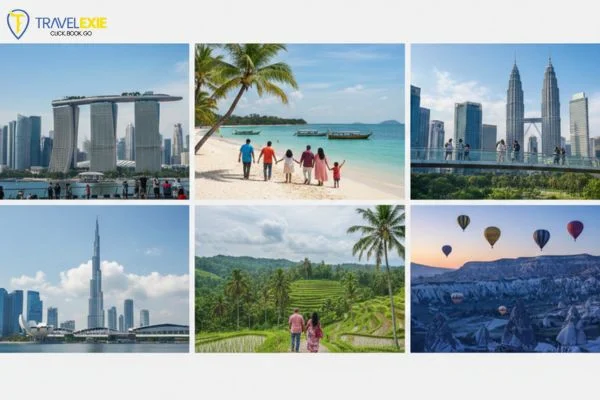
Collage of international holiday destinations including beaches, islands, city skylines, temples, and desert landscapes for a budget travel guide

International Holidays Under ₹1.5 Lakh for Indian Travellers in 2026

If you’re looking for international holidays under ₹1.5 lakh budget, you can book comfortable 4–8 day international holidays in places like Central Europe, Thailand, Bali, the Maldives — including some group and budget Europe packages that start below ₹1.5 lakh. The trick is smart routing, shoulder-season travel, and booking bundled packages (flights + hotels + transfers). Below you’ll find realistic destination picks, sample budgets, itinerary ideas, visa notes, booking tips, and links to Travelexie packages so you can act fast.

Who this guide is for

  • Travellers who want both package and custom options – Travelexie can help design these.
  • Indian travellers who want an international holiday capped at ₹1.5 lakh per person.
  • People who prefer clarity up front: expected costs, best routes, and quick booking tips.

Top Pick International Holiday Under ₹1.5 lakh 

  1. Central Europe  — economical group packages and short private tours. Example: Essence of Central Europe packages start competitively under ₹80k (land package), making 7–9 day trips well within ₹1.5 lakh once flights are added smartly.
  2. Budget Europe — curated budget Europe tours (off-season or smart routing) often start from ~₹1.2 lakh. These options work well for travellers who accept modest hotels and well-timed flights.
  3. Thailand (Phuket, Krabi, Bangkok combos) — short, well-priced 4–6 day packages with meals and transfers; great value for families and couples.
  4. Bali & nearby islands — 5–7 day packages that balance culture and beaches; peak vs off-peak pricing matters.
  5. Selective Maldives offers — some 3–4 night packages or guesthouse stays that fit budgets if you pick promos and avoid premium resorts.

How to make ₹1.5 lakh go further — sample budget breakdown

(Example for a 7-day Europe or Bali-style trip; adjust by destination)

  • Flights (round-trip from India): ₹40,000–₹70,000
  • Hotels (6 nights, 3-star / comfortable): ₹18,000–₹48,000
  • Transfers & local transport: ₹6,000–₹15,000
  • Meals (mix of self and dining out): ₹7,000–₹20,000
  • Sightseeing & entry fees: ₹5,000–₹12,000
  • Visa, insurance, contingency: ₹4,000–₹10,000

Total: ~₹80,000–₹175,000 depending on destination and travel dates. For many of the compact Central Europe or Thailand itineraries, bundled packages and early-bird flight deals keep the total under ₹1.5 lakh. For a transparent cost framework, Travelexie’s cost breakdown is a useful reference while planning.

Booking strategy to guarantee comfort under ₹1.5 lakh

  1. Pick shoulder season (just before or after peak) to cut flight and hotel costs.
  2. Bundle: Choose packages that include transfers, select meals, and a few excursions — it’s often cheaper than booking every item separately. Start browsing Travelexie’s holiday packages to compare inclusions.
  3. Shortlist routes, then watch flights: If flights spike, swap the route for a similar destination with cheaper airfares.
  4. Book open-jaw or multi-city flights smartly when routing reduces backtracking and saves time.
  5. Use local transport passes in Europe — saves money and time in cities.

Visa and document essentials 

  • Check visa type early: Schengen for Europe, e-Visa or Visa-on-Arrival for several ASEAN countries, and Maldives ETA where applicable.
  • Start Schengen or other visa processes at least 30–45 days before travel and use the Travelexie visa support if you want help. For Europe Schengen-specific paperwork, see Travelexie’s Schengen guide. (Insert link to your Schengen guide on the site where relevant.) 

Who should choose a package, and who should go custom?

  • Choose a package if you want easier budgeting, included logistics, and local support — ideal for families and first-time international travellers. Travelexie’s short Europe and Thailand packages are created for that exact purpose.
  • Go custom if you want a tailored pace, specific hotels, or off-the-beaten-path stops — Travelexie builds custom itineraries too.

Quick packing & money tips

  • Pack a universal travel adapter, a light rain layer, comfortable shoes, and photocopies of passport/visa.
  • Pre-load a travel card or notify your bank to avoid card blocks.
  • Carry a small first-aid kit and prescription copies.

Final checklist before you book

  • Confirm total cost (all taxes and ATOL/TCS where applicable).
  • Verify the cancellation and refund policy.
  • Check flight timings and transfer inclusions.
  • Confirm visa timelines and document checklist. If you want a full package comparison or a custom plan within ₹1.5 lakh, check Travelexie’s holiday packages or get a tailored quote. 

Ready to book?

If you want help narrowing destinations for your dates and budget, start with Travelexie’s Holiday Packages to compare shortlisted options and ask for a customised quote. Book early, travel smart, and you can enjoy an international holiday under ₹1.5 lakh without compromise.