Wildebeest migration crossing Mara River during Kenya safari from India

Kenya Safari from India: Real Costs, Visa & 7-Day Itinerary

If you’ve been searching “Kenya safari from India cost” and getting numbers anywhere between ₹80,000 and ₹6,50,000 for what looks like the same trip, you’re not imagining it — Kenya safari pricing really does vary that widely, and most of the gap comes down to what’s quietly left out of the quote. Park fees, conservancy charges, and even international flights get bundled or excluded depending on the operator. At Travelexie, we build our Kenya itineraries around this exact problem: showing you what each line actually costs, so there’s no surprise invoice waiting at the lodge.

Day-by-Day Itinerary

DayLocationWhat You’ll Do
1Arrive NairobiLand at Jomo Kenyatta International Airport (JKIA), transfer to hotel, evening at leisure
2Nairobi → Amboseli (2N)Drive to Amboseli National Park, afternoon game drive with Mount Kilimanjaro views
3AmboseliFull-day game drives — elephant herds, swamp-fed grasslands, sundowner at the lodge
4Amboseli → Lake Nakuru (1N)Drive via the Great Rift Valley viewpoint, afternoon game drive at Lake Nakuru
5Lake Nakuru → Masai Mara (3N)Transfer to the Mara, evening game drive on arrival
6Masai MaraFull-day game drive in search of the Big Five, optional Maasai village visit
7Masai Mara → Nairobi → DepartureMorning game drive, drive back to Nairobi, transfer to airport for your flight home

Best Time to Go

July to October is peak season — this is when the Great Wildebeest Migration crosses the Mara River, and it’s also when prices are highest, since park fees in the Mara nearly double during these months compared to the low season. January to March offers dry weather, good visibility, and noticeably lower park costs. If you’re flexible on dates and mainly want strong game viewing without migration-specific river crossings, the shoulder months (November–December, or April–May) bring real savings without a major drop in wildlife sightings.

Getting There from India

Kenya Airways flies direct from Mumbai to Nairobi in about 5.5 hours — the shortest and most convenient route for Indian travelers. From Delhi, there’s no direct option; you’ll connect through Mumbai, or route via Dubai or Doha on Emirates or Qatar Airways, which adds 3-4 hours but works well if you don’t mind a longer journey with a lounge break. Bengaluru, Chennai, and Hyderabad travelers typically connect through Mumbai as well. Round-trip international flights usually run ₹45,000–₹80,000 per person depending on season and how early you book — book early if you’re traveling in the July–October window, since fares climb fast.

For the visa, Indian passport holders need a Kenyan eTA, applied for online through the official eCitizen portal, typically approved within 24-72 hours at a cost of around $30 (roughly ₹2,500). Make sure your passport has at least six months’ validity from your date of entry, and note that a Yellow Fever vaccination certificate is mandatory for Indian travelers, so plan to get vaccinated at least 10 days before departure.

What This Trip Actually Costs

Here’s a realistic INR breakdown for this 7-day itinerary, per person, based on two people sharing:

  • Budget tier (shared vehicle, comfortable tented camps): ₹1,80,000 – ₹2,50,000, including land package and domestic transfers
  • Mid-range tier (private 4×4 with dedicated guide, semi-luxury camps): ₹2,80,000 – ₹3,80,000
  • Luxury tier (fly-in options, private conservancies, premium tented camps): ₹4,50,000 and up

Add international flights (₹45,000–₹80,000 return), the eTA (~₹2,500), and a tipping budget of roughly $25-30/day for guides and camp staff. The one line item that trips up almost everyone comparing quotes is park and conservancy fees — Masai Mara charges around $80/day per person for non-residents, and Amboseli around $60/day, and these fees swing seasonally too. Some “budget” packages you’ll see online simply don’t include them, which is how a quote can look ₹40,000-50,000 cheaper than it actually is once you add these back in.

Why Book With Travelexie

This is exactly the gap Travelexie’s pricing is built to close. Every Kenya quote we send is itemized — flights, lodge nights, park and conservancy fees, meals, transfers, and visa costs are each shown as separate line items, not folded into one number. If a package doesn’t include Masai Mara’s park fees, we tell you that upfront and show you the actual cost of adding them, rather than letting you discover it after you’ve paid a deposit. We’ve seen too many Indian travelers get quoted an “all-inclusive” Kenya package that turns out to exclude exactly the fees that matter most. Travelexie’s itemized approach means the number we give you at the start is the number you’ll actually pay, plus your personal spends like tips and souvenirs.

Practical Notes for Indian Travelers

Vegetarian food is genuinely available at nearly every camp and lodge — Kenya has a large Indian community, and Nairobi’s Parklands area alone has more Indian restaurants than most first-time visitors expect. That said, “vegetarian available” on a lodge’s website doesn’t always mean dal-chawal on the buffet by default; tell Travelexie your dietary preferences when booking so we can flag it to each property in advance. For money, carry USD notes printed 2013 or later — Kenyan banks and lodges routinely reject older or worn bills, and Indian forex cards can be unreliable at remote safari camps, so keep $200-300 in cash as backup. For connectivity, a local Safaricom SIM (bought at JKIA arrivals, right after customs) works far better in the Mara than any lodge Wi-Fi or Indian international roaming.

Ready to Plan Your Trip?

If you’ve been going back and forth on Kenya because the pricing online never quite adds up the same way twice, that’s normal — it’s a genuinely confusing market to shop in. Send us your travel dates and group size, and Travelexie will put together an itemized quote for this exact itinerary (or a version tailored to your budget and interests), so you know precisely what you’re paying for before you commit to anything.
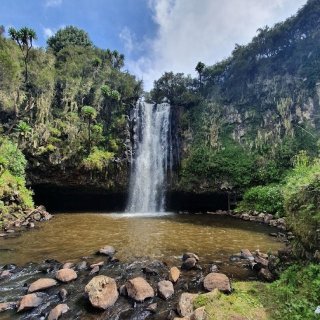

Amboseli National Park | Kenya Tour with Travelexie

6 Days of Pure Magic: Your Ultimate Front-Row Seat to the Wilds of Kenya

Have you ever dreamed of waking up to the shadow of Mount Kilimanjaro or witnessing a pride of lions stalking through golden grasslands?. Kenya is not just a destination; it’s a soul-stirring experience that brings you closer to the heartbeat of the earth.

Whether you are seeking the “Big Five” or the serene beauty of the Great Rift Valley, our curated Six Days Between Earth & Wild package offers a front-row seat to nature’s greatest theater.

The Journey of a Lifetime: Your Day-by-Day Itinerary

Day 1-2: The Land of Giants (Amboseli National Park)

Your adventure begins in Nairobi, where you’ll be whisked away to Amboseli National Park.

  • The Experience: Stay at the Kibo Safari Camp and witness Amboseli’s famous “Big Tuskers”—massive elephants framed by the iconic, snow-capped backdrop of Mt. Kilimanjaro.
  • Pro Tip: Wake up early for a sunrise game drive to catch predators at their most active before the clouds veil the mountain peak.

Day 3: Serenity on the Water (Lake Naivasha)

Travel into the heart of the Great Rift Valley to the shores of Lake Naivasha.

  • The Experience: After checking into the Lake Naivasha Sopa Resort, trade the 4×4 for a boat.
  • The Highlight: Enjoy a Boat Safari to see hippos and over 400 species of birds, followed by a rare Walking Safari where you can stroll alongside giraffes and zebras.

Day 4-5: The Legendary Masai Mara

No safari is complete without the world-renowned Masai Mara National Reserve.

  • The Experience: Stay deep inside the reserve at the luxury Ashnil Mara Camp, perfectly positioned along the Mara River.
  • The Hunt: Embark on expert-led game drives to track the Big Five: Lion, Leopard, Elephant, Buffalo, and Rhino.
  • Culture: Immerse yourself in local traditions with a visit to a Maasai Village to witness the famous “jumping dance” of the warriors.

Day 6: A Gentle Farewell in Nairobi

Before your flight home, experience one last touch of magic in the capital.

  • The Experience: Visit The Giraffe Centre, where you can get up close to feed (and even “kiss”) the endangered Rothschild’s giraffes.

Why Choose This Safari?

This isn’t a standard group tour—it is a private, all-inclusive luxury experience designed for maximum comfort and discovery.

FeatureWhat’s Included
TransportPrivate 4×4 Landcruiser with a Pop-up Roof for 360° viewing.
FlightsRound-trip international flights from Chennai (MAA) to Nairobi.
Full BoardAll meals (Breakfast, Lunch, Dinner) and drinking water provided.
ExpertiseA professional, English-speaking guide to help you spot the rarest wildlife.
Peace of MindAll park entry fees and AMREF Flying Doctors emergency insurance covered.

Elevate Your Adventure

Want to see the savannah from the sky? You can add a Hot Air Balloon Safari in either Amboseli or the Masai Mara for a sunrise perspective you’ll never forget ($450 per person).


Ready to Answer the Call of the Wild?

Package Cost: ₹3,55,765/– Per Person (All-Inclusive).

Don’t just read about the wild—live it. With limited slots available for our June 2026 departures, now is the time to secure your spot in the heart of Africa

FAQ

Q: Is this a private tour or a group tour?

 A: This is a customized private journey designed specifically for your party. You will have your own professional English-speaking safari guide and a private vehicle throughout the trip.

Q: What kind of wildlife can I expect to see?

A: Each stop on the itinerary offers a unique wildlife experience:
Amboseli: Famous for its “Big Tuskers” (elephants) and views of Mt. Kilimanjaro.
Lake Naivasha: Known for hippos, diverse birdlife (over 400 species), and walking safaris among giraffes and zebras.
Masai Mara: The ultimate spot for tracking the “Big Five” (Lion, Leopard, Elephant, Buffalo, and Rhino).isure without overpacking the itinerary.

Q: What exactly is included in the package price?

A: Our ₹3,55,765/- all-inclusive price per person covers your entire journey from start to finish:
Flights: Round-trip international flights from Chennai (MAA) to Nairobi (NBO).
Transport: A private 4×4 Landcruiser with a pop-up roof for optimal wildlife viewing.
Accommodation: 5 nights at premium locations including Kibo Safari Camp, Lake Naivasha Sopa Resort, and Ashnil Mara Camp.
Meals: Full board (Breakfast, Lunch, and Dinner) as specified in the daily schedule.
Entry Fees: All park entry fees for Amboseli, Lake Naivasha, and Masai Mara.
Protection: AMREF Flying Doctors medical insurance and emergency evacuation cover.

Q: What are the visa requirements?

A: Travelers will need to obtain a Kenyan Electronic Travel Authorization (eTA) prior to departure. Please note that visa fees are not included in the package price.


Bali tour package | Honeymoon package

Ditch the Planning Stress: Your Ultimate Bali Itinerary Guide with Travelexie

Imagine waking up to the sound of tropical birds and the soft rustle of palm fronds. You step onto your private balcony to find a Floating Breakfast already prepared in your infinity pool, the turquoise water blending seamlessly with the Balinese horizon. By midday, you’re soaring over emerald rice terraces on the iconic Bali Swing, and as the sun dips below the Indian Ocean, you’re sitting down to a private Candle Night Dinner on the sand. This isn’t just a Pinterest board. This is 8 days of absolute perfection. But for many travellers, the gap between ‘dreaming of Bali’ and ‘experiencing Bali’ is filled with stress, logistics, and the fear of missing out on the island’s true magic.

The Paradise Planning Paradox

Bali is known as the ‘Island of the Gods’, but planning a trip there can feel like a Herculean task. Whether you are planning a long-overdue annual vacation or the most significant trip of your life—your honeymoon—you are immediately met with an overwhelming amount of information. You start searching for a 7-night 8-day Bali Tour, and suddenly you have fifty tabs open. Which beach is best? Is Ubud too quiet? Is Kuta too loud? How do you get to the Tegenungan Waterfall without getting lost? And most importantly, how do you ensure at ‘premium’ experiences, such as Bali Swing or a romantic dinner, are authentic and not just overpriced tourist traps? The problem is clear: You want a premium, high-end experience, but you don’t want to spend your entire vacation acting as your own travel agent, navigator, and translator.

The Risk of Planning a Trip Without an Expert

What happens when you try to piece together a ‘luxury’ Bali trip on your own?

For a vacationer, it often means realizing too late that your ‘private transfer’ is actually a crowded shuttle, or that the waterfall you spent two hours driving to is inaccessible due to poor planning. You end up spending more time on Google Maps than you do in the water.

For a honeymooner, the stakes are even higher. A honeymoon has no ‘delete’ button. Nothing ruins the romantic atmosphere faster than hidden resort fees, realizing your “ocean view” is actually a view of a parking lot, or finding out that the romantic dinner you wanted to book requires a three-month waiting list you didn’t know about.

When you manage the logistics yourself, you aren’t a guest—you’re a manager. You are paying for a vacation, but you’re working a second job. Is that really the way to start your new life together?

The Travelexie Premium Transformation

At Travelexie, we believe you shouldn’t just visit Bali; you should feel Bali. We have redefined the Bali holiday & Honeymoon Package by focusing on what truly matters: Seamless Luxury and Exclusive Perks.

Our signature 7 Night 8 Day Premium Package is meticulously designed to take you from the heart of the jungle to the soul of the ocean without a single moment of stress. At Travelexie, our motto is Click. Book. Go.

Exclusive Complimentary Travelexie Perks

We don’t just provide a room and a flight. We provide the moments that stay with you forever. When you book our Premium holiday Package, these high-end experiences are Complimentary: The Iconic Bali Swing: Soar over the lush Ubud jungle and capture that world-famous photo. It’s exhilarating, beautiful, and completely included in your package. The Luxury Floating Breakfast: Start your morning like royalty. A beautifully arranged breakfast tray in your private pool—the ultimate Instagrammable moment, on the house. Romantic Candle Night Dinner: We set the stage for a private, multi-course dinner under the Balinese stars. Whether it’s for a honeymoon or an anniversary, this is the pinnacle of island romance.

Your 8-Day Premium Itinerary Highlights:

Unveil the magic of the Island of the Gods with our curated Bali tourist post highlights.

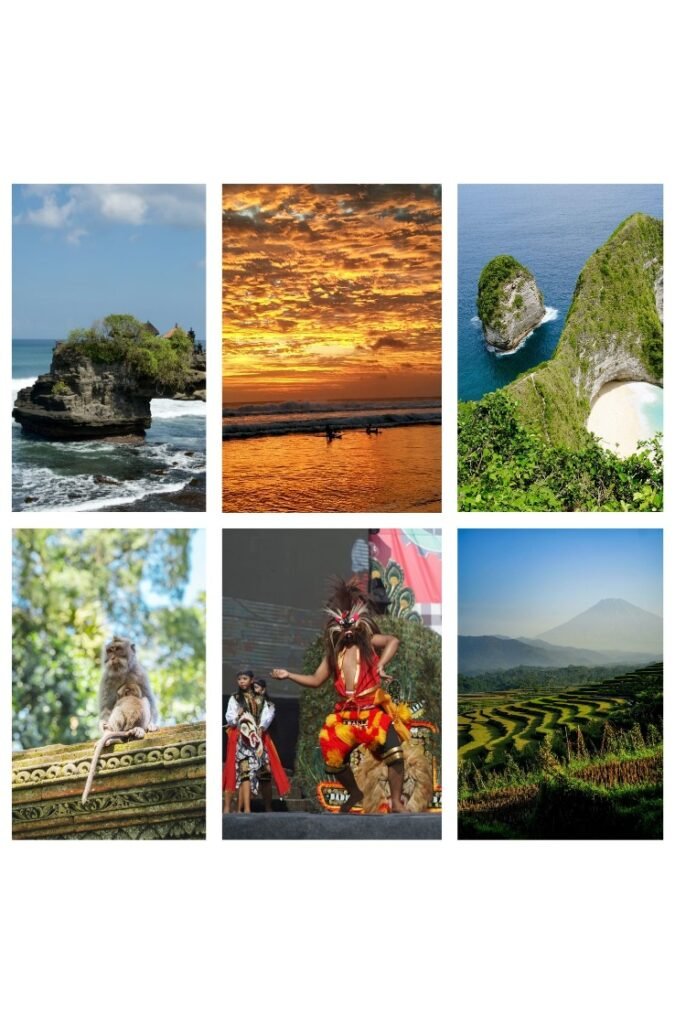
Ubud’s Verdant Heart: Explore the emerald rice terraces, the sacred Monkey Forest, and the misty Tegenungan Waterfall.
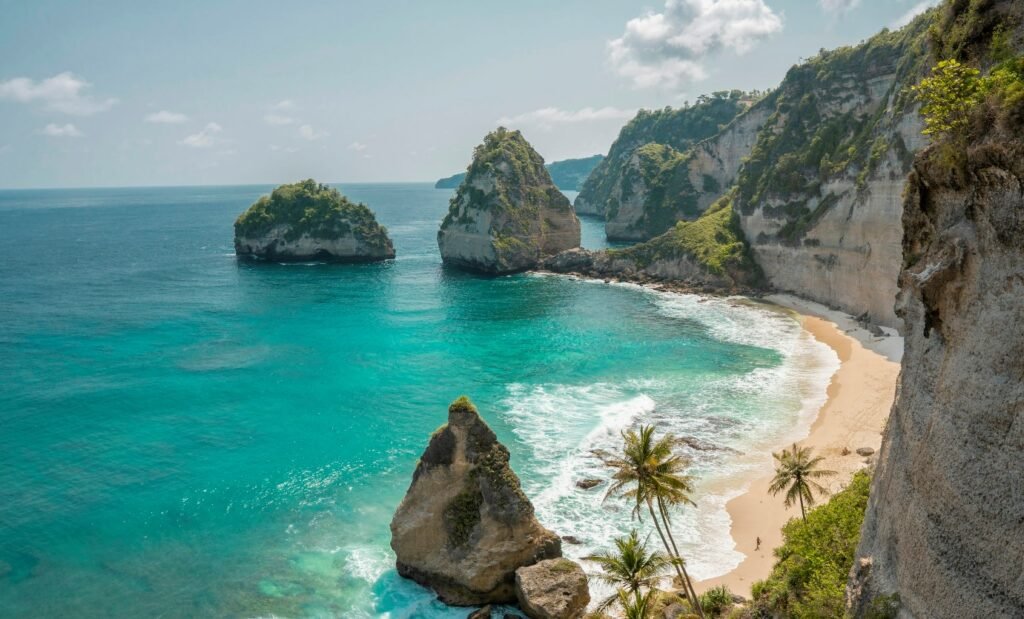
Iconic Ancient Temples: Experience the architectural marvels of Tanah Lot and Uluwatu, where ancient temples sit precariously over crashing ocean waves.
Kuta & Beyond: Catch the world’s most famous sunsets at Kuta Beach and learn to ride the waves with our expert surf partners.
Balinese Lifestyle: From high-end beach clubs, cultural dance to local Balinese flavours, we ensure you taste the best of the island’s culture and nightlife.

Your Bali Story, A Travelexie Excerpt

Imagine the Travelexie version of your trip.

You land in Bali, and your dream journey starts… Your hotels are carefully selected for their privacy and exceptional service. Every ‘complimentary’ perk—the swing, the breakfast, the dinner—is perfectly timed so you never have to wait in a queue or check a confirmation email.

You return home not just with souvenirs, but with a sense of total rejuvenation. You’ve seen the icons, you’ve hidden in the jungles, and you’ve dined on the shore—all for a transparent price of ₹2,49,999 per couple. No hidden costs, no logistical nightmares—just pure, unadulterated Bali.

Why We Are The Smart Choice For 2026?

  • Premium Focus: We specialize in the ₹2,49,999 price point because it allows us to guarantee the quality of every villa and every meal.
  • All-Inclusive Ease: We cover your 7 nights, 8 days, private transfers, and expert-guided tours—so you don’t have to. Want something different? Beyond our signature packages, Travelexie offers Customized Bali tour packages. Create your own Bali tour from scratch and let us handle the logistics while you enjoy the magic.
  • Local Expertise: Our team knows the ‘shortcuts’ Bali tour packages
  •  to the best views, ensuring you spend more time enjoying and less time traveling.

Your Gateway to the Gods is Open!

Bali isn’t just a location on a map; it’s a feeling of peace, adventure, and deep connection. Don’t let that feeling be overshadowed by the stress of planning.

Whether you are looking for the ultimate Bali Vacation Package to reset your spirit or a Bali Honeymoon Package to celebrate your love, Travelexie is your portal to paradise.

Stop scrolling. Start experiencing.

Click here to view our Premium 8-Day Bali Itinerary and secure your 2026 dates today.

 – by Prasantika

best travel agency in India offering Maldives tour package

Maldives: Dream Destination or Marketing Hype? Essential Insights Before Booking

The Maldives has become one of the most talked-about travel destinations in the world. Crystal-clear turquoise waters, private overwater villas, white sandy beaches, and unmatched luxury experiences have made it a dream location for travellers, especially couples and honeymooners.

But with all the hype comes one important question:

Is the Maldives really worth it?

For many travellers who are planning their next big trip, this question seriously matters a lot. The Maldives is often seen as expensive, exclusive, and once-in-a-lifetime.

So, before you book your tickets, it is very important to understand what the experience actually offers.

We, Travelexie, will give you the honest truth about traveling to the Maldives—covering costs, experiences, pros, cons, and whether it’s the right destination for you.

Let’s go into deep detail.

What Makes the Maldives So Special?

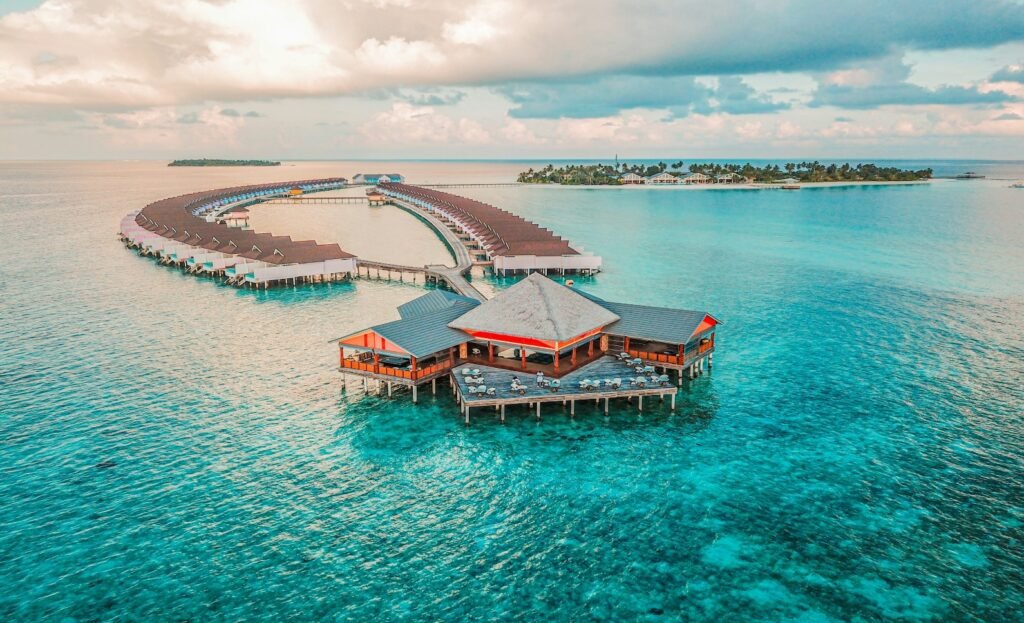
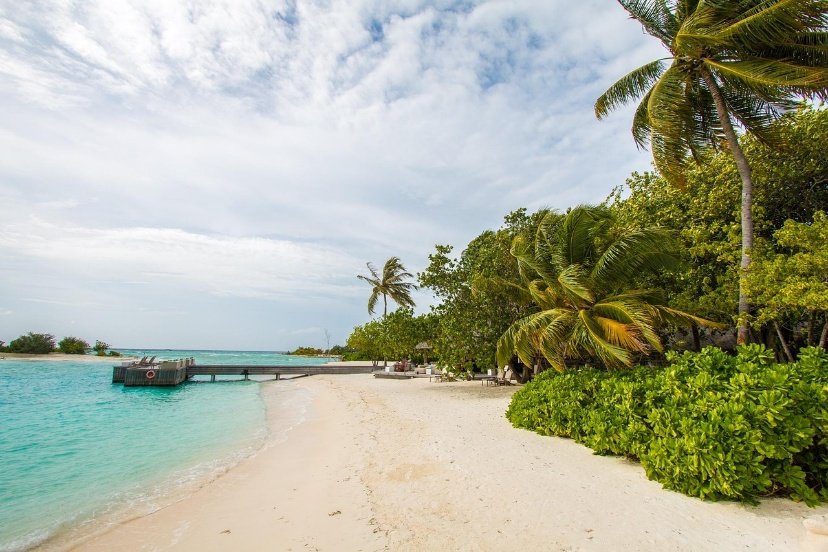
The Maldives is not just another beach destination. It is a collection of over 1,000 coral islands located in the Indian Ocean. What truly sets the Maldives apart is its island-resort concept. Unlike most destinations, where hotels are located within cities, each resort in the Maldives often occupies its own private island.

This means no crowds, no traffic, complete privacy, and direct access to beaches and oceans.

Then, What Is The Reality of Luxury Maldives Vibes?

When people imagine the Maldives, they often picture overwater villas with private pools and direct access to the sea. And yes, that experience is real. But it’s also important to understand that luxury comes at a price. A typical luxury stay can include private villas over the water, personal decks with ocean views, fine dining experiences, spa and wellness services, water sports and excursions, and many more…

Is Maldives Only for Luxury Travelers?

This is one of the biggest myths. And it’s true!

While the Maldives is famous for luxury resorts, it is no longer limited to high-end travellers. Over the years, budget travel options have become more accessible.

Local islands offer affordable guesthouses, budget hotels, local dining experiences, and cost-effective activities.

This means you can experience the beauty of the Maldives without spending excessively.

Cost Breakdown: What Should You Expect?

Understanding the cost is the main key to deciding whether the Maldives is worth it.

  • Flights – International flights can vary depending on the season and location. Booking early can help reduce costs.
  • Accommodation –
  • Budget stays: Affordable guesthouses on local islands
  • Mid-range: Boutique hotels and smaller resorts
  • Luxury: Private villas and premium resorts
  • Food – Resorts usually have fixed meal plans, which can be expensive. Local islands offer more affordable food options.

Activities

• Snorkelling and diving

• Island hopping

• Sunset cruises

Best Things to Do in the Maldives

There are plenty of experiences that make it memorable during the whole trip to the Maldives.Snorkelling and Diving –

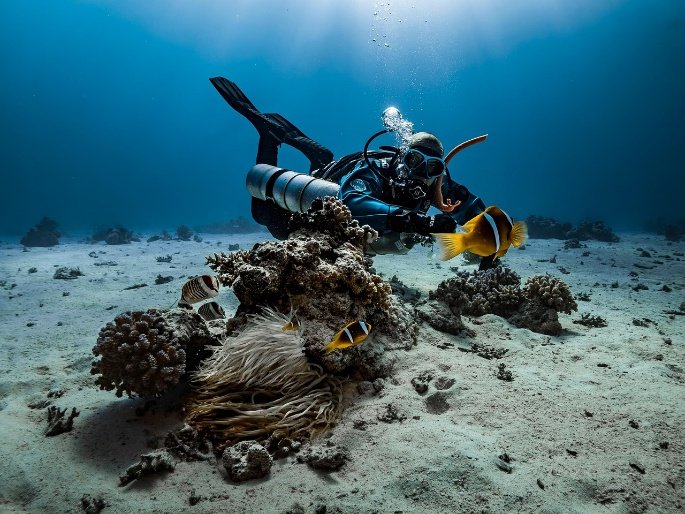
The Maldives is home to some of the world’s best marine life. Coral reefs, colourful fish, and even manta rays make underwater experiences unforgettable.

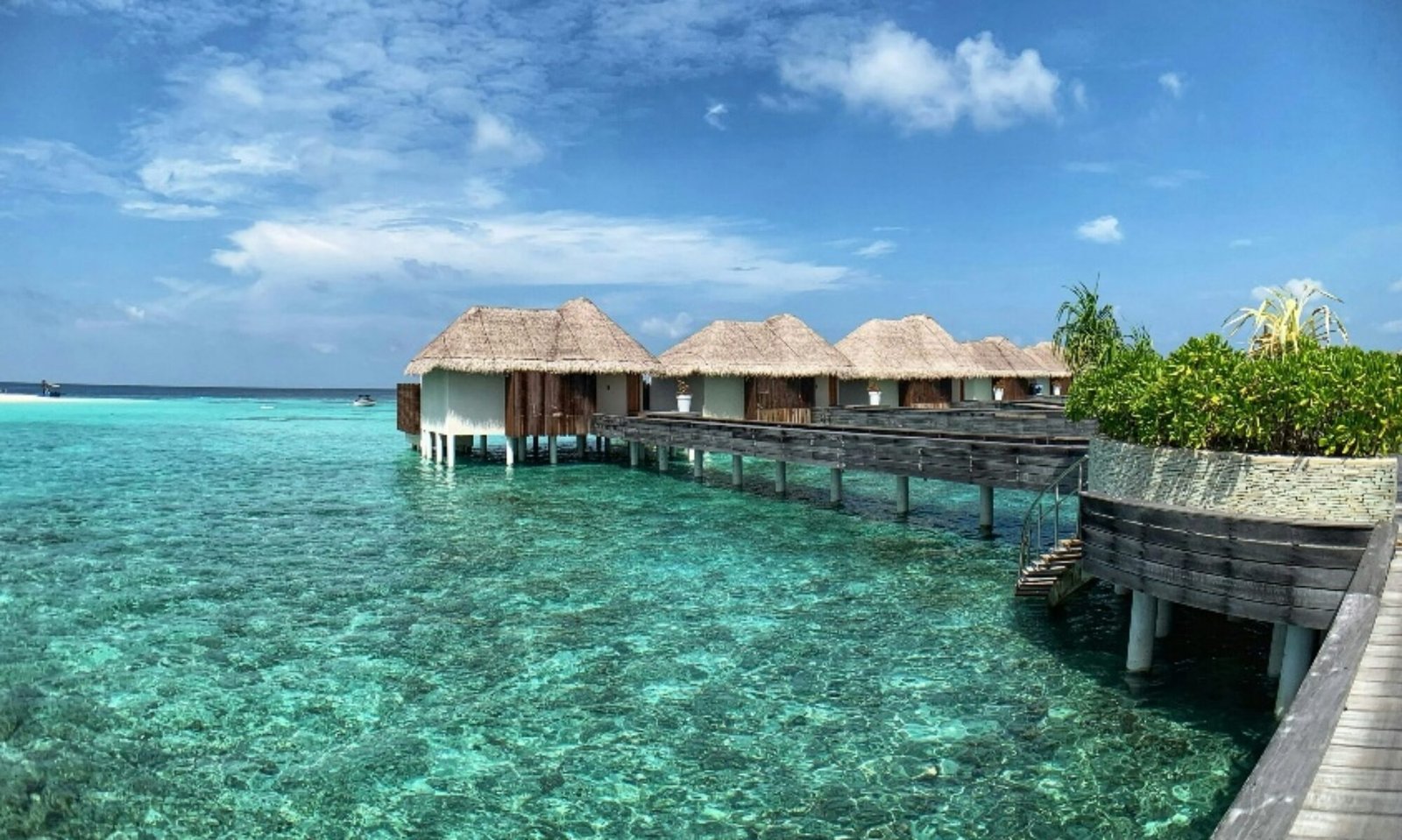
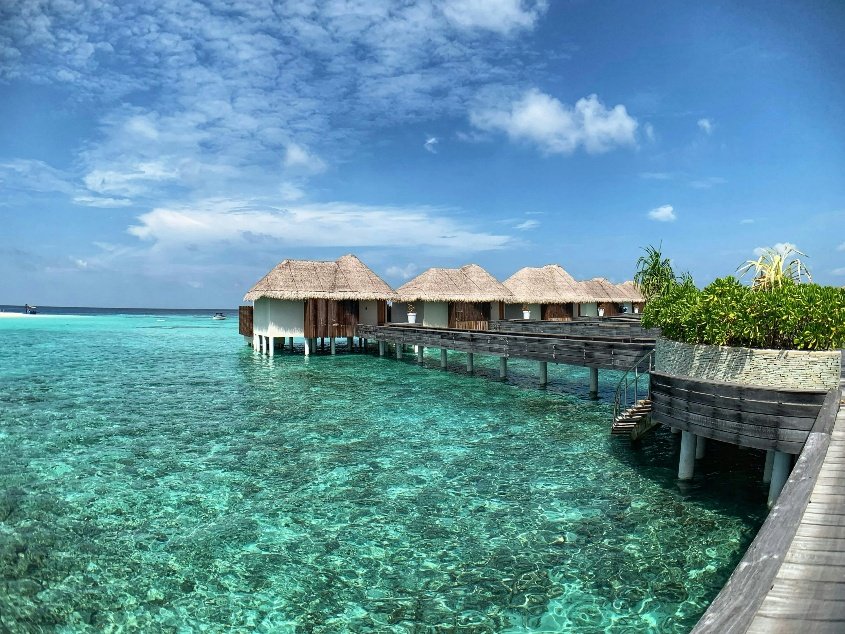
Stay in an Overwater Villa – This is one of the most iconic experiences. Waking up to endless ocean views is something many travellers dream about.

  • Island Hopping – Explore different islands, such as Mukunudu Island, to experience both luxury resorts and local culture.
  • Sunset Cruises – Watching the sunset over the Indian Ocean is simple yet magical.
  • Spa and Wellness – Many resorts offer world-class spa services that add relaxation to your trip.
PROS OF TRAVELLING TO MALDIVESCONS OF TRAVELLING TO MALDIVES
The Maldives offers some of the clearest waters and most beautiful beaches in the world.Expensive for luxury travel because during peak times resorts can be costly.
Perfect for couples and honeymooners looking for peaceful and romantic settings.Limited activities outside resorts because if you are someone who enjoys city exploration, Maldives may feel limited.
Staying on a private island is something you won’t experience in most destinations.Reaching resorts often requires speedboats or seaplanes, which can add to the cost.
Resorts are known for their exceptional service and attention to detail.Solo travellers or adventure seekers may find other destinations more suitable.

Who Should Visit the Maldives?

The Maldives is ideal for:
• Honeymoon couples
• Luxury travellers
• People looking for relaxation
• Travellers seeking privacy

It may not be the best fit for:

  • Budget backpackers (unless staying on local islands)
  • Travelers looking for nightlife or shopping
  • People who prefer busy, activity-filled trips

Best Time to Visit the Maldives

The Maldives has a tropical climate, making it a year-round destination.

  • November to April: Best weather, clear skies, ideal for travel
  • May to October: Lower prices, occasional rain, fewer crowds

Is the Maldives Worth It for a honeymoon?

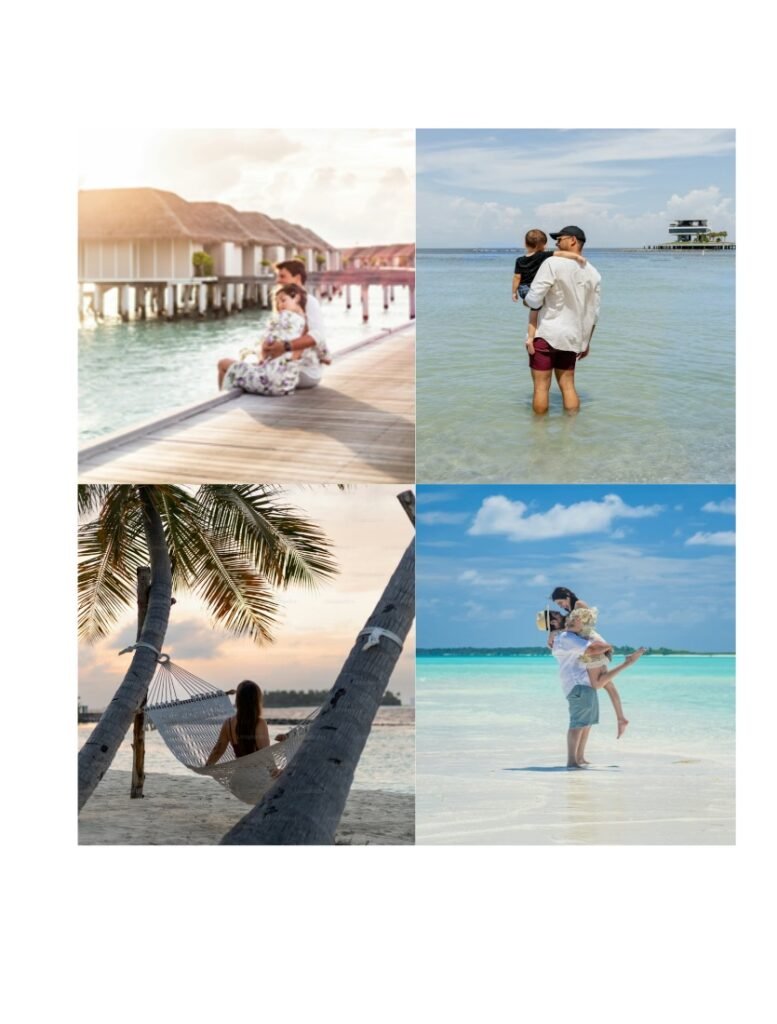
For honeymooners, the answer is almost always yes. This place offers romantic settings, private experiences, luxury experiences, and a peaceful environment.

Honest Verdict: Is the Maldives Worth It?

Maldives tour package

The answer depends on what you expect from your trip.

If you are looking for:

  • Luxury and comfort
  • Privacy and relaxation
  • Scenic beauty and unique stays

Then yes, the Maldives is absolutely worth it.

However, if you prefer:

  • Fast-paced travel
  • Budget-friendly city exploration
  • Cultural and nightlife experiences

You may find other destinations more suitable.

Thus, the Maldives is not just a destination. It is an experience. The key is planning your trip based on your expectations and budget.

At Travelexie, we help you design travel experiences that match your style, whether it is a luxury escape or a smartly planned getaway.

So, is the Maldives worth it?

It is, especially for a once-in-a-lifetime kind of escape.

Professional corporate travel planning scene with an Indian business team discussing itineraries in a modern office boardroom.

Benefits of Using a Professional Travel Agency for Corporate Trips

Corporate travel is not just about booking flights and hotels. It directly impacts productivity, costs, compliance, and the overall experience of your team. As businesses scale and travel needs become more complex, relying on a professional travel agency becomes a strategic advantage rather than an operational choice.

This is where a professional travel agency plays a critical role in managing corporate trips efficiently, securely, and cost‑effectively.

1. Centralized Travel Management

One of the biggest benefits of working with a professional travel agency is centralized control. Instead of employees booking travel independently across multiple platforms, all itineraries, approvals, and records are handled in one place.

What this really means is better visibility into spending, consistent travel policies, and fewer last‑minute surprises.

2. Cost Optimization Without Compromising Comfort

A common misconception is that professional agencies are expensive. In reality, they help businesses save money.

A professional travel agency leverages:

  • Corporate-negotiated airline and hotel rates
  • Preferred supplier partnerships
  • Smart routing and fare monitoring

Over time, these savings often outweigh agency fees, especially for frequent corporate travelers.

3. Time Savings for Teams and Admins

Booking, modifying, and tracking corporate trips can drain valuable work hours. When employees handle travel themselves, productivity takes a hit.

With a professional travel agency:

  • Travel planning is outsourced
  • Changes are handled instantly
  • Emergency support is available 24/7

Your team focuses on business. The agency handles logistics.

4. Policy Compliance and Risk Management

Corporate travel policies exist for a reason, but enforcing them is challenging.

A professional travel agency ensures:

  • Policy‑compliant bookings
  • Duty‑of‑care tracking
  • Traveler safety monitoring

This is especially critical for international business travel, where visa rules, insurance, and local regulations come into play.

5. Seamless MICE and Business Travel Planning

For companies involved in MICE travel (Meetings, Incentives, Conferences, and Exhibitions), coordination becomes even more complex.

A professional travel agency manages:

  • Group travel bookings
  • Conference logistics
  • Hotel blocks and transfers
  • On‑ground coordination

Everything runs smoothly, even at scale.

6. Personalized Service and Dedicated Support

Unlike online booking tools, professional travel agencies offer human support. Dedicated account managers understand your company’s preferences, budgets, and travel patterns.

That personal touch matters when plans change or urgent decisions are required.

7. Better Reporting and Travel Insights

Data drives smarter decisions. A professional travel agency provides detailed reports on:

  • Travel spend
  • Vendor performance
  • Trip frequency
  • Cost optimization opportunities

These insights help businesses refine travel strategies and budgets.

8. Stress‑Free Travel Experience for Employees

Smooth travel experiences lead to happier, more productive employees.

When travel is professionally managed:

  • Flights are well‑timed
  • Hotels are reliable
  • Transfers are seamless

Employees arrive focused, not fatigued.

Why Businesses Choose a Professional Travel Agency

Corporate travel is no longer transactional. It’s strategic.Partnering with a professional travel agency ensures efficiency, safety, savings, and a consistently high standard of service. For businesses that value time, control, and traveler satisfaction, the choice is clear.

About Travelexie

Travelexie specializes in corporate, MICE, and business travel solutions designed for modern organizations. From seamless planning to on‑ground execution, we help businesses travel smarter.


Business team planning MICE travel with laptops, itineraries, and conference materials in a corporate meeting room

How MICE Travel Planning Helps Companies Save Time and Costs

Corporate travel today is no longer just about booking flights and hotels. When companies plan meetings, conferences, incentive trips, or exhibitions at scale, efficiency matters as much as experience. That’s exactly where MICE travel planning makes a real difference.

For Indian companies expanding across cities and borders, structured MICE planning isn’t a luxury. It’s a cost-control and time-saving tool that keeps teams focused on business outcomes instead of logistics.

Let’s break down how it works and why it delivers measurable value.

Understanding MICE Travel Planning in Practice

Before getting into the benefits, it helps to understand what MICE travel planning actually involves. MICE stands for Meetings, Incentives, Conferences, and Exhibitions. Planning for these requires coordination across multiple moving parts: travel, accommodation, venues, vendors, schedules, and on-ground execution.

If you’re new to the concept, this foundational guide on what MICE travel is and why companies use it explains how MICE differ from regular corporate travel and why structured planning matters.

Centralized Planning Reduces Wasted Time

One of the biggest advantages of MICE travel planning is centralization.

Without a structured approach, companies often deal with:

  • Multiple vendors working independently
  • Last-minute changes handled reactively
  • Repeated approvals and miscommunication

MICE planners bring everything under one umbrella. Flights, hotels, transfers, venues, and event schedules are coordinated through a single planning workflow. What this really means is fewer internal emails, fewer follow-ups, and faster decision-making.

Teams stop firefighting and start executing.

Smarter Budget Control and Cost Predictability

Unplanned costs are the silent budget killers in corporate travel.

MICE travel planning helps companies control expenses by:

  • Locking negotiated group rates for flights and hotels
  • Avoiding peak pricing through season-aware planning
  • Reducing penalties caused by last-minute changes

Instead of fragmented bookings, companies get a consolidated cost structure. Every expense is mapped early, making budgets predictable and easier to justify internally.

This is especially important for incentive trips and conferences where per-head costs need to stay within defined limits.

Optimized Itineraries Improve Productivity

Time is money, especially when senior leadership or large teams are travelling.

Poorly planned MICE travel often leads to:

  • Long layovers
  • Hotels far from venues
  • Fatigue-heavy schedules

Professional MICE travel planning focuses on efficiency. Flights are selected for practical timings, hotels are chosen based on proximity, and daily schedules are balanced to reduce burnout.

The result is simple. Employees stay focused, meetings run on time, and productivity doesn’t dip just because the event is offsite.

Vendor Coordination Reduces Operational Risk

Events rarely fail because of one big mistake. They fail because of small gaps piling up.

MICE planners coordinate with:

  • Venue teams
  • AV and technical partners
  • Transport providers
  • Local vendors

This coordination ensures that everyone works on the same timeline and meets the same expectations. If something changes, adjustments are made quietly without disrupting the event flow.

For companies, this removes operational risk and reduces dependency on internal teams to manage last-minute issues.

On-Ground Support Prevents Costly Disruptions

No matter how well you plan, travel comes with variables. Weather delays, flight changes, or venue adjustments are part of the reality.

MICE travel planning includes on-ground support to handle these situations in real time. Instead of employees scrambling for solutions, planners manage alternatives, rescheduling, and coordination.

This saves not just money, but reputation. Clients, partners, and delegates experience a smooth event even when behind-the-scenes adjustments are happening.

Scalability for Growing Companies

As companies grow, their travel needs become more complex. What worked for a 10-member offsite doesn’t work for a 200-delegate conference.

MICE travel planning scales with business growth. Processes become standardized, vendor networks improve, and execution becomes more refined with each event.

For organizations running frequent meetings, product launches, or exhibitions, this consistency leads to long-term savings and better brand perception.

Strategic Planning Supports Business Objectives

MICE travel planning isn’t just about logistics. It aligns travel with business goals.

Whether the objective is:

  • Team motivation through incentive travel
  • Lead generation at exhibitions
  • Brand positioning through conferences

Planners design travel and event structures that support these outcomes. Every decision, from destination selection to agenda pacing, is made with purpose.

For companies looking for structured execution across domestic and international destinations, Travelexie’s MICE corporate travel services focus on managing planning, coordination, and execution without adding operational stress to internal teams.

Final Thoughts

MICE travel planning helps companies save time and costs by reducing complexity and eliminating inefficiencies. More importantly, it allows businesses to focus on what actually matters: relationships, results, and growth.

Instead of treating corporate travel as an expense, MICE planning turns it into a strategic investment. Done right, it pays for itself through better execution, controlled budgets, and stronger outcomes.

If corporate travel is becoming frequent or increasingly complex, structured MICE planning isn’t optional anymore. It’s the smarter way forward. 🚀

Smartphone displaying essential international travel apps alongside a passport, boarding pass, and luggage during travel planning

Essential International Travel Apps Every Traveller Should Have

Travelling abroad today without the right apps is like landing in a new country without a plan. From navigation and payments to bookings and emergencies, the right tools can save time, money, and stress. These essential international travel apps help you stay organized, avoid common mistakes, and travel smarter, especially if it’s your first international trip.

If you’re planning your first overseas holiday, exploring professionally planned international tour packages can make the entire experience far more comfortable and stress-free.

Why Travel Apps Matter for International Trips

Here’s the thing.
When you’re overseas, small problems feel bigger. A missed booking, currency confusion, or lack of internet access can ruin a day fast.

Good travel apps help you:

  • Navigate unfamiliar cities
  • Manage money and payments
  • Communicate despite language barriers
  • Handle bookings and changes on the go
  • Stay safe and informed

The goal isn’t to install everything. It’s to install what actually works.

Essential International Travel Apps You Should Install Before Flying

1. Google Maps

Non-negotiable.

Google Maps helps with:

  • Turn-by-turn navigation
  • Public transport routes
  • Offline maps for data-free travel
  • Nearby restaurants, hotels, and services

Download offline maps before you leave your hotel or airport.

2. Google Translate

Language barriers disappear with this app.

Best features:

  • Camera translation for menus and signs
  • Offline language packs
  • Real-time voice translation

It’s especially useful in countries where English isn’t widely spoken.

3. Skyscanner

Still one of the best apps for flight comparison.

Use it to:

  • Track flight prices
  • Compare airlines and routes
  • Find flexible date options

Even after booking, it helps monitor future trips.

4. Booking.com or Airbnb

You only need one, but you need one.

These apps help you:

  • Confirm bookings quickly
  • Modify or cancel stays
  • Find last-minute accommodation

Having instant access avoids panic situations abroad.

5. XE Currency

If you’re dealing with multiple currencies, this app is gold.

Why it matters:

  • Live exchange rates
  • Offline rate access
  • Quick currency conversion

This pairs well with travel planning around forex cards and international payments.

6. Uber / Bolt / Local Ride Apps

Install ride-hailing apps based on your destination.

Benefits:

  • Transparent pricing
  • Safer than random taxis
  • Cashless payments

Check which app works best in your destination country.

7. WhatsApp

Sounds obvious, but it’s essential.

You’ll use it for:

  • Hotel communication
  • Local guides and drivers
  • Family updates
  • Emergency coordination

Make sure international roaming or Wi-Fi access is sorted.

8. Your Bank or Forex Card App

Never travel without access to your money app.

Use it to:

  • Track spending
  • Freeze cards if lost
  • Check balances instantly

This is critical when using forex cards or international debit cards abroad.

9. Airline App

Download your airline’s official app.

Why:

  • Mobile boarding passes
  • Flight delay alerts
  • Gate changes and check-in updates

It saves time and airport stress.

10. Travel Insurance App

If you’ve purchased travel insurance, install the provider’s app.

Useful for:

  • Policy access
  • Emergency assistance
  • Claim support

Most people ignore this until they really need it.

Apps You Don’t Need to Install

Let’s be honest. Not everything is necessary.

Skip apps that:

  • ✗ Duplicate functions
  • ✗ Require constant data usage
  • ✗ Offer little real-world value

Keep your phone light and functional.

Quick Pre-Travel App Checklist

Before you fly:

  • ☑ Install apps on Wi-Fi
  • ☑ Download offline maps and languages
  • ☑ Enable app permissions
  • ☑ Log in and save credentials

This simple step prevents last-minute chaos.

Final Thoughts

The right apps won’t replace planning, but they make travel smoother, safer, and more enjoyable. Think of these essential international travel apps as your digital travel toolkit. Install smart, prepare once, and travel with confidence. ✈

Forex card vs international debit card comparison for international travel payments

Forex Card vs International Debit Card: Which Is Better for Travel?

If you’re travelling abroad and are confused between a forex card and an international debit card, you’re not alone. This is one of the most common questions first-time international travelers ask.

The short answer is that a forex card is usually better suited for planned international travel, while an international debit card works better as a backup.

Now let’s break it down properly so you can choose what actually fits your trip, not what banks promote.

What Is a Forex Card?

A forex card is a prepaid travel card loaded with foreign currency before your trip. You lock the exchange rate at the time of loading, which protects you from currency fluctuations during travel.

Key Features of a Forex Card

  • Preloaded with one or multiple foreign currencies
  • Locked exchange rate
  • Widely accepted internationally
  • Lower transaction and conversion charges
  • Easy to block and replace if lost

Forex cards are designed specifically for international travel, not everyday banking.

What Is an International Debit Card?

An international debit card is your regular bank debit card that works overseas if international usage is enabled.

Whenever you use it abroad, money is deducted directly from your Indian bank account after currency conversion.

Key Features of an International Debit Card

  • Linked to your savings account
  • The exchange rate applied at the time of transaction
  • Foreign transaction fees apply
  • ATM withdrawal charges abroad
  • Convenient but costlier for frequent use

It’s flexible but not always budget friendly.

Forex Card vs International Debit Card: Side-by-Side Comparison

FeatureForex CardInternational Debit Card
Exchange RateLocked in advanceFluctuates daily
Conversion ChargesLowHigh
ATM Withdrawal FeesLowerHigher
Budget ControlExcellentDifficult
SafetyCan be blocked easilyDirect bank access
Best ForPlanned international tripsEmergency or backup use

This is where the difference becomes very clear. ✅

Cost Comparison: Where Most Travellers Lose Money

➲ International debit cards often look convenient, but:

  • Banks add foreign transaction fees
  • ATM withdrawals come with flat charges + conversion margin
  • Small daily transactions slowly eat into your budget

➲ With a forex card, you:

  • Pay once while loading
  • Avoid repeated conversion losses
  • Know exactly how much you’re spending

If saving money matters, the forex card wins.

Safety and Risk: Which One Is Safer Abroad?

Forex Card Safety

  • Limited balance exposure
  • Easy to block if lost
  • Not linked to your main bank account

Debit Card Safety

  • Linked directly to a savings account
  • Higher risk if compromised
  • ATM skimming risks abroad

For international travel, separating travel money from your bank account is always smarter.

Convenience While Travelling

Forex Card

  • Accepted at hotels, restaurants, and shops
  • Works like a credit card
  • Multiple currencies on one card (depending on the provider)

International Debit Card

  • Useful where forex cards aren’t accepted
  • Helpful for emergencies
  • Good for withdrawing cash when needed

This is why experienced travellers rarely rely on just one option.

Which Is Better for First-Time International Travellers?

If this is your first international trip, here’s the safest combination:

  • Primary: Forex card
  • Backup: International debit card
  • Plus: Small amount of local cash

This setup keeps costs low, reduces stress, and protects you from surprises.

Many travellers coordinate their forex card, and currency needs while planning visas and travel documentation. Doing this alongside professional travel assistance like Travelexie’s visa and forex support helps keep everything organized in one place.

When Does an International Debit Card Make Sense?

An international debit card is useful if:

  • You forgot to arrange a forex card
  • You’re withdrawing cash occasionally
  • You’re on a short trip with limited spending
  • You need emergency access to funds

Just don’t make it your primary spending tool abroad.

Final Verdict: Forex Card vs International Debit Card for Travel

If your question is Forex Card vs International Debit Card, the answer is simple.

  • Forex card: Best for planned international travel
  • International debit card: Best as a backup

Smart travellers don’t choose one over the other. They use both strategically.

Planning your money properly before travel saves you stress, time, and unnecessary losses overseas.


First-time international traveller holding passport, forex card, and foreign currency at airport

Foreign Currency Exchange Tips for First-Time International Travellers

If you’re travelling abroad for the first time, here’s what you need to know right away:

  • Don’t exchange all your money at the airport. Rates are usually the worst.
  • Compare exchange rates before converting currency.
  • Carry a mix of cash, a forex card, and an international debit card.
  • Exchange currency only through authorized dealers.
  • Understand destination currency rules before your travel.

Now let’s break it down properly so you don’t lose money or face stress overseas.

Why Foreign Currency Exchange Matters for First-Time Travellers

Here’s the thing. Currency exchange isn’t just about converting money. It directly affects your travel budget, safety, and convenience.

First-time international travellers often make one mistake: exchanging money in a rush without understanding rates, fees, or limits. That’s how unnecessary losses happen.

Following the right foreign currency exchange tips helps you:

  • Save money on conversion charges
  • Avoid fraud or illegal exchanges
  • Travel confidently without payment issues

Understand the Basics Before Exchanging Currency

Before you exchange even ₹1, understand these basics.

Exchange Rate

This is the value of one currency against another. Rates change daily, sometimes hourly.

Buy Rate vs Sell Rate

You buy foreign currency at a higher rate and sell it back at a lower rate. That gap is where dealers make money.

Hidden Charges

Some dealers offer “zero commission” but adjust the rate instead. Always ask for the final amount you’ll receive.

Avoid Airport Currency Exchange Counters

Airport counters are convenient, not economical.

They usually offer:

  • Higher exchange rates
  • Extra service fees
  • Limited currency options

Tip: Exchange a small emergency amount at the airport if needed. Do the rest beforehand through a trusted provider.

Compare Currency Exchange Options Before You Decide

Not all exchange methods are equal. Here’s a simple comparison.

Cash Exchange 💱

  • Good for small purchases, tips, and emergencies.
  • Risky if you carry too much.

Forex Cards

  • One of the safest and most budget-friendly options.
  • A locked exchange rate protects you from currency fluctuations.

International Debit/Credit Cards

  • Convenient but may involve foreign transaction fees.
  • For most beginners, a mix of a forex card + limited cash works best.

If you’re also planning visa formalities, it helps to coordinate currency needs alongside your application process. Many travellers do this while arranging visas through professional assistance like Travelexie’s visa services, which simplifies planning.

Exchange Currency Only Through Authorized Dealers

This is non-negotiable.

Always exchange money through:

  • RBI-authorised forex dealers
  • Trusted travel agencies
  • Banks or licensed money changers

Avoid street dealers or unofficial counters, even if they promise better rates. The risk isn’t worth it.

Time Your Currency Exchange Smartly

Exchange rates move with global markets.

Good practice:

  • Monitor rates a week before travel
  • Exchange when rates dip slightly
  • Avoid last-day panic exchanges

If you’re travelling for business or events, this becomes even more important to manage expenses efficiently.

Know Your Destination’s Currency Rules

Different countries have different rules about cash limits and declarations.

Some countries:

  • Restrict how much cash you can carry
  • Require declaration above certain amounts
  • Prefer card payments over cash

Understanding this avoids trouble at immigration or customs.

Don’t Forget to Keep Exchange Receipts

Always keep:

  • Currency exchange receipts
  • Forex card slips
  • ATM withdrawal confirmations

You may need them:

  • For reconversion after returning
  • During tax or expense reporting
  • If questioned during travel checks

Common Currency Exchange Mistakes to Avoid

First-time travellers often:

  • Exchange all the money at once
  • Ignore the small print and charges
  • Carry only cash
  • Forgot to inform banks about international usage

Avoid these, and your trip stays smooth.

Ready to Travel? Let Travelexie Help You

From visa assistance and forex guidance to complete international travel support, Travelexie helps first-time travellers plan everything the right way.

📞 Talk to Travelexie today and get expert help with visas, foreign currency exchange guidance, and stress-free international travel planning.

Travel prepared. Travel confident. ✈️

FAQ 🤔💭

Q1. When is the best time to exchange foreign currency?

The best time to exchange currency is a few days before your trip, once rates are stable and you’ve compared multiple authorised dealers. Avoid last-minute exchanges at airports unless it’s an emergency.

Q2. How much foreign currency should a first-time traveller carry?

Carry only what you need for the first few days in cash. The rest should be split between a forex card and an international debit or credit card for safety and flexibility.

Q3. Is it safe to exchange currency online in India?

Yes, as long as you use RBI-authorised foreign exchange providers. Online forex services often offer better rates and doorstep delivery, making them convenient for first-time travellers.

Q4. Are forex cards better than international debit cards?

Forex cards are usually better for beginners because they offer locked exchange rates and lower fees. International debit cards are convenient but may include foreign transaction and ATM charges.

Q5. Can I exchange leftover foreign currency after returning to India?

Yes. Most authorized dealers allow you to sell unused foreign currency back in India. Keep your exchange receipts to ensure a smooth process.


Business visa vs tourist visa comparison showing key differences for international travellers

Business Visa vs Tourist Visa: Key Differences You Must Know

Quick Answer: Business Visa vs Tourist Visa

Tourist Visa:

For leisure travel such as sightseeing, holidays, visiting friends or family, and short-term recreation.

Business Visa:

For professional activities like meetings, conferences, trade fairs, client visits, negotiations, or exploring business opportunities. 

Q: Do I need a business visa if my trip is for work, but I am not being paid?

If your trip has a work-related purpose, even if it is unpaid, you typically require a business visa.

What Is a Tourist Visa?

A tourist visa allows you to enter a foreign country strictly for non-business purposes.

Common reasons to apply for a tourist visa

  • Holidays and sightseeing
  • Visiting friends or relatives
  • Short personal trips
  • Cultural or leisure activities

What you cannot do on a tourist visa

  • Attend official business meetings
  • Sign contracts
  • Participate in trade events
  • Conduct market research

Many visas get rejected because applicants casually mention business-related activities while applying for a tourist visa.

What Is a Business Visa?

A business visa is issued to travellers who are visiting another country for professional or commercial reasons, without joining the local workforce.

Common reasons to apply for a business visa

  • Client meetings or negotiations
  • Trade shows and exhibitions
  • Conferences and seminars
  • Exploring partnerships or investments

Travelexie regularly assists professionals and companies with business visa applications, documentation, and embassy coordination through its dedicated visa support services.

Business Visa vs Tourist Visa: Side-by-Side Comparison

FactorTourist VisaBusiness Visa
PurposeLeisure and personal travelProfessional activities
Allowed activitiesSightseeing, visitsMeetings, events, negotiations
EmploymentNot allowedNot allowed
DocumentationSimpleMore detailed
Invitation letterUsually not requiredOften mandatory
Approval scrutinyLowerHigher

Documentation Differences You Should Know

This is where most applicants get confused.

Tourist visa documents usually include

  • Passport and photographs
  • Travel itinerary
  • Hotel bookings
  • Return flight tickets
  • Proof of funds

Business visa documents usually include

  • Invitation letter from overseas company
  • Cover letter from Indian employer
  • Company registration documents
  • Purpose-of-visit explanation
  • Financial and travel proof

Because of these extra checks, business visa processing needs careful handling. This is where professional visa assistance becomes valuable, especially for first-time applicants.

Q: Can I attend a business meeting on a tourist visa?

No. Most countries strictly separate leisure travel from business activities. Even for a single, informal meeting, you generally need a business visa.

Which Visa Has a Higher Approval Chance?

Approval depends on intent clarity and documentation, not just visa type.

  • Tourist visas are simpler and often approved faster
  • Business visas are approved when the documentation is strong, and the purpose is clear

Working with experienced visa consultants, such as Travelexie, helps avoid errors that can lead to rejection, especially for business travel where embassy scrutiny is stricter.

When Should You Apply for a Business Visa Instead of a Tourist Visa?

Apply for a business visa if:

  • Your travel is linked to your job or company
  • You are attending professional events
  • You’re representing a business or brand
  • You’re exploring overseas partnerships

If the trip benefits your career or organization, it’s business travel, even if you plan sightseeing later.

How Travelexie Helps with the Right Visa Choice

Visa rejection costs time, money, and future opportunities. Travelexie offers end-to-end visa assistance including:

  • Business visa support
  • Tourist visa filing
  • Document verification
  • VFS appointment guidance
  • Fast-track visa assistance

You can explore our complete visa services directly on our website and get expert guidance based on your travel purpose.

Final Thoughts

The difference between a business visa and a tourist visa isn’t paperwork; it’s intent.
Applying under the wrong category can undo even a well-planned trip.

Be honest about why you’re travelling. Match your purpose to the correct visa. And if you’re unsure, get professional advice before applying.

Choosing the right visa is the first step to a smooth international journey. 💫✈️