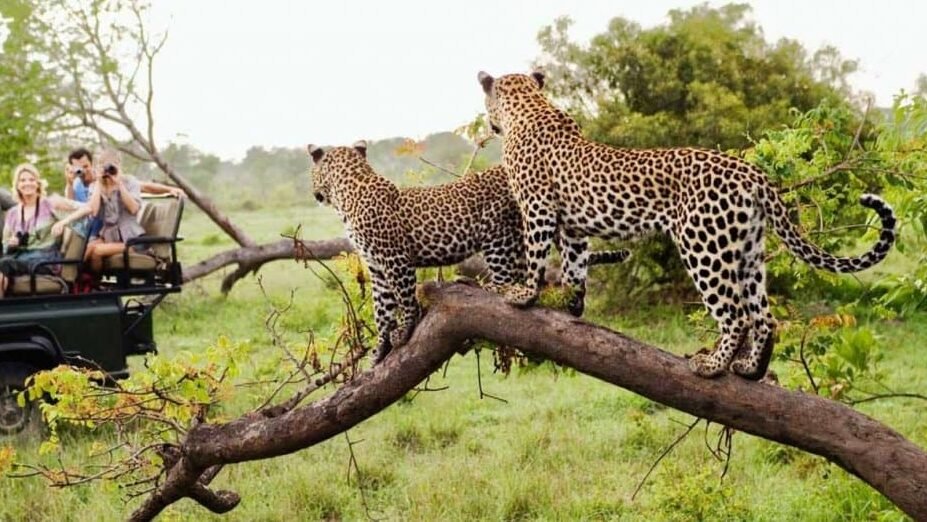
If you are planning your first African holiday, two destinations will probably appear at the top of your list:
Kenya and South Africa.
Both offer incredible wildlife experiences, beautiful landscapes and unforgettable safari moments.
But they are not the same kind of holiday.
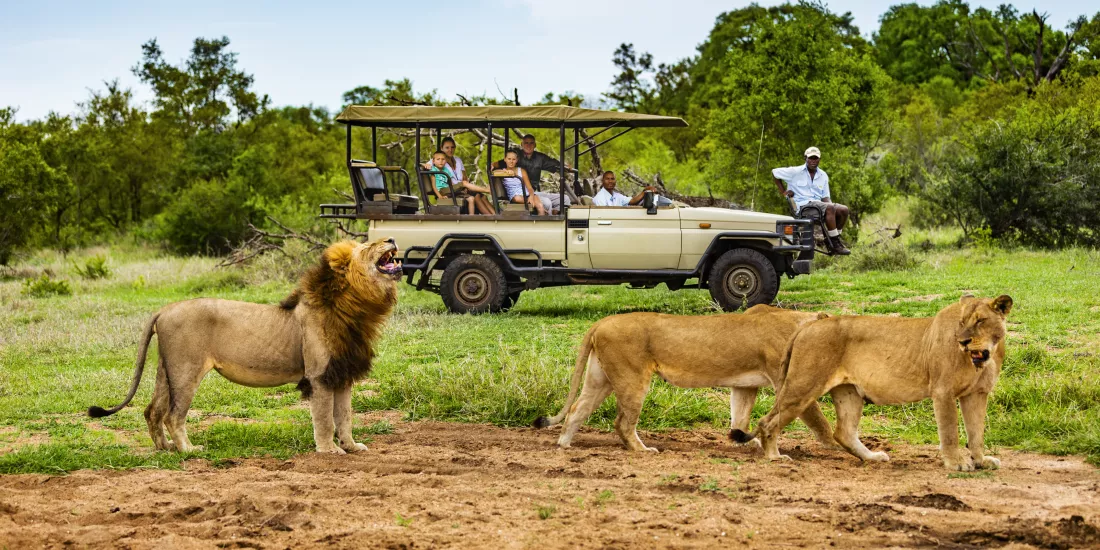
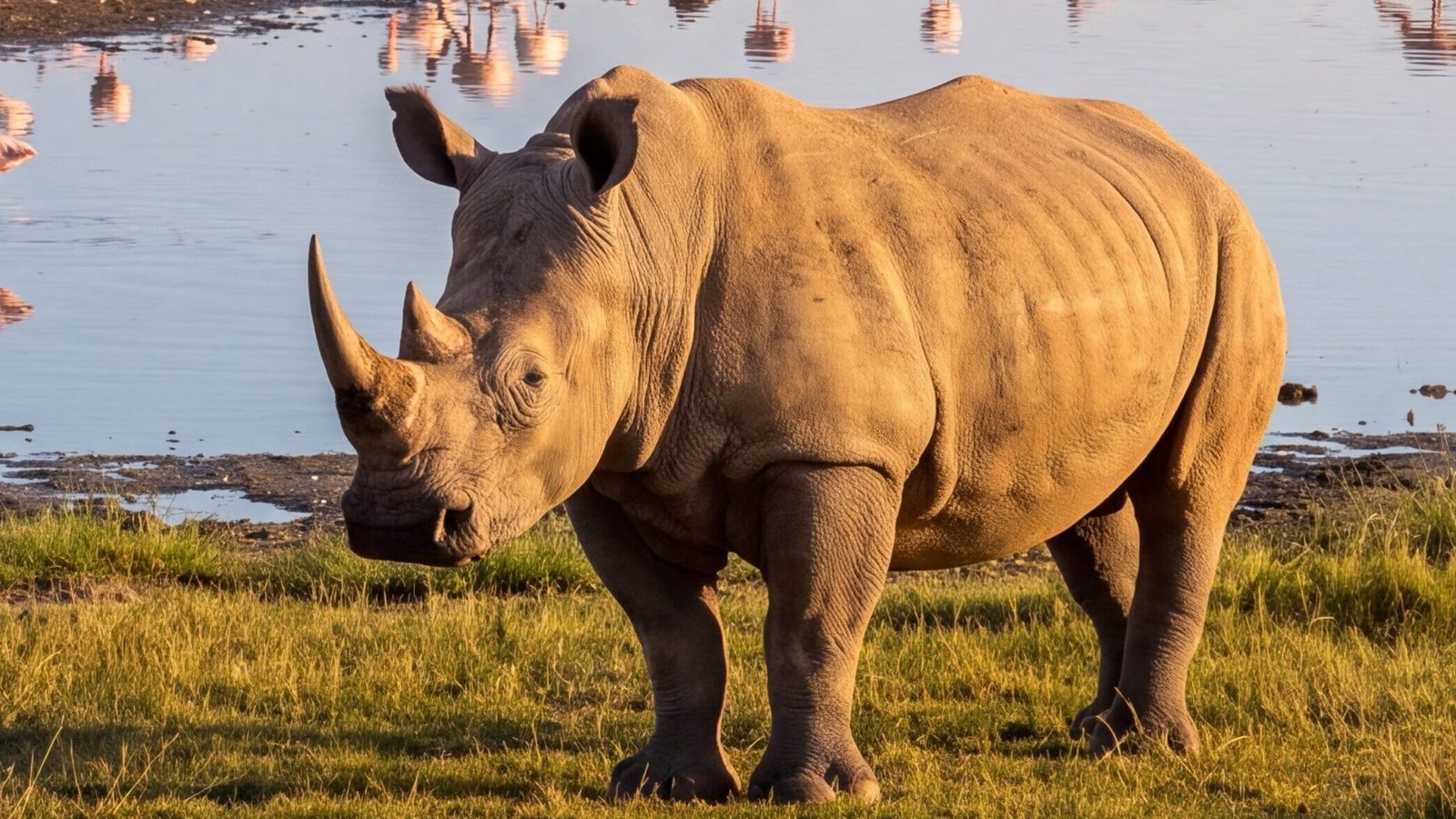
Kenya is strongly associated with the African savannah, Maasai Mara and the Great Migration.
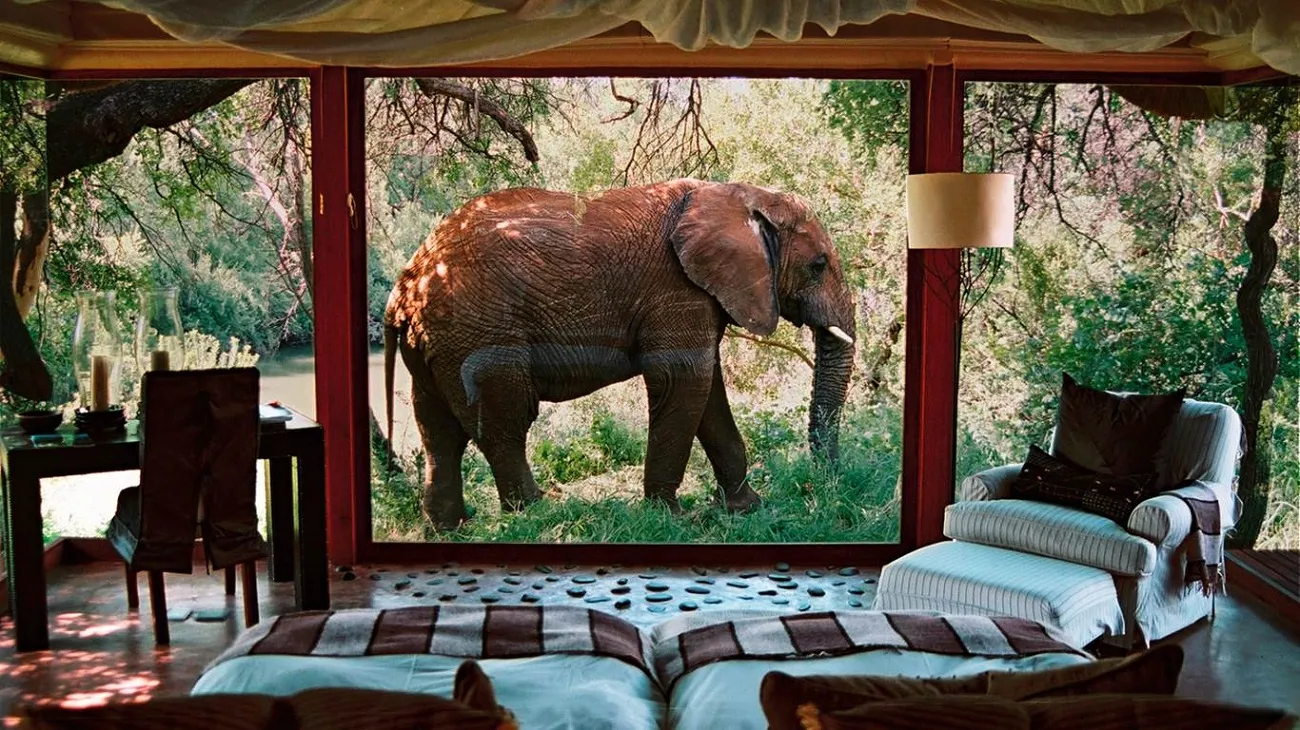
South Africa combines safari with cosmopolitan cities, wine regions, beaches, scenic drives and diverse landscapes.
So, which one should Indian travellers choose?
Kenya or South Africa?
The answer depends on what kind of African experience you want.
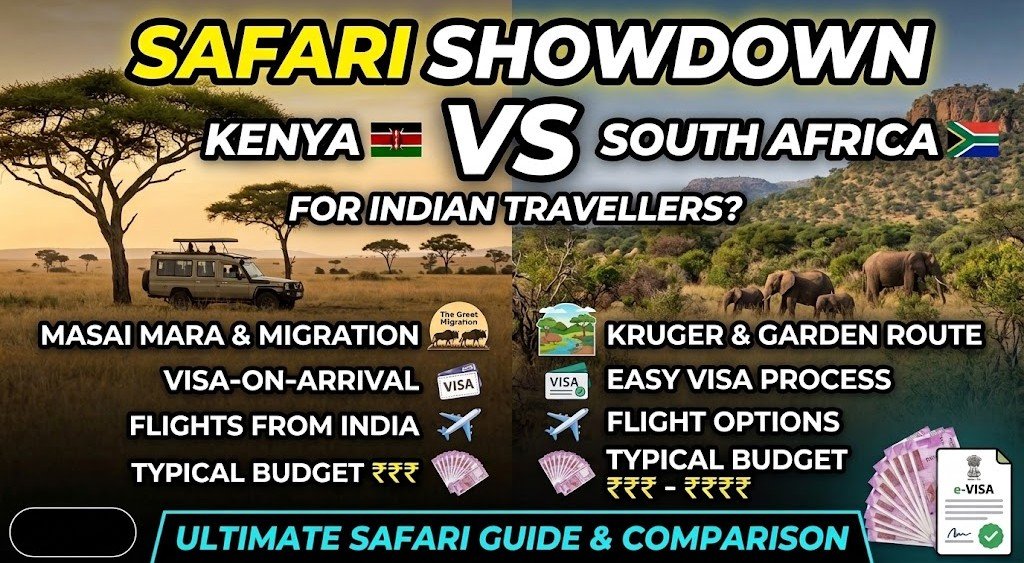
In this guide, we’ll compare Kenya and South Africa across wildlife, safari, cities, beaches, food, family travel, honeymoon experiences, budget and overall travel style.
Kenya vs South Africa: Quick Comparison
Feature
🇰🇪 Kenya
🇿🇦 South Africa
Main attraction
Safari & wildlife
Safari + cities + landscapes
Famous safari
Maasai Mara
Kruger & private reserves
Great Migration
⭐⭐⭐⭐⭐
❌
Big Five
⭐⭐⭐⭐⭐
⭐⭐⭐⭐⭐
City experience
⭐⭐⭐
⭐⭐⭐⭐⭐
Beach holidays
⭐⭐⭐⭐
⭐⭐⭐⭐
Wine & food
⭐⭐⭐
⭐⭐⭐⭐⭐
Scenic road trips
⭐⭐⭐⭐
⭐⭐⭐⭐⭐
Family travel
Excellent
Excellent
Honeymoon
Excellent
Excellent
First African safari
Excellent
Excellent
Variety of experiences
High
Very high
There is no universal winner.
It depends on your priorities.
🇰🇪 Why Choose Kenya?
Kenya is one of the destinations that immediately comes to mind when people imagine an African safari.
Think:
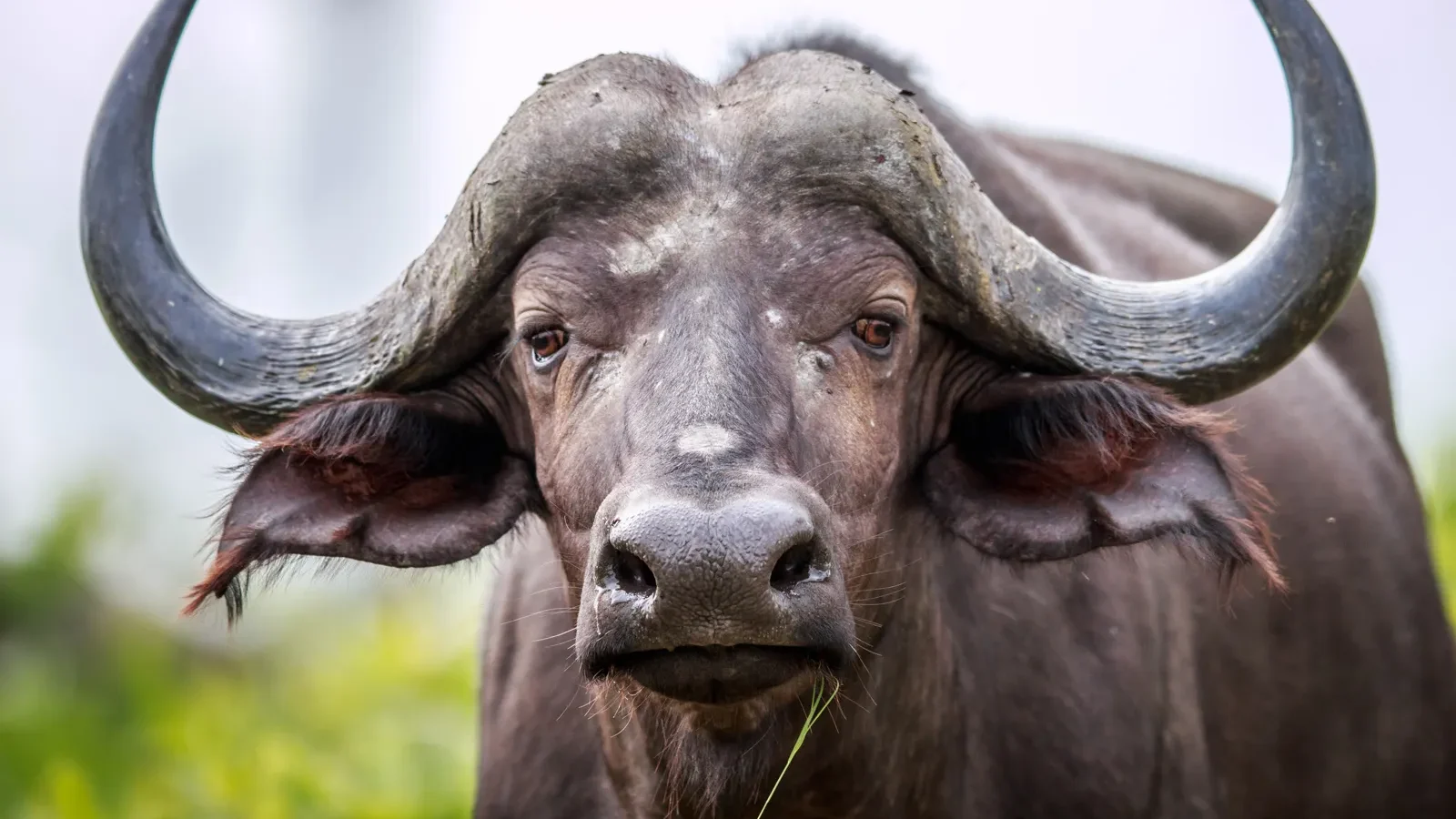
🦁 Lions 🐘 Elephants 🦒 Giraffes 🦓 Zebras 🐆 Leopards 🦬 Buffalo 🌅 Golden savannahs 🛻 Game drives
And, of course, the Maasai Mara.
Kenya is particularly appealing if wildlife is the main reason for your trip.
🇿🇦 Why Choose South Africa?
South Africa offers something slightly different.
Instead of focusing almost entirely on safari, you can combine wildlife with:
South Africa offers greater geographical variety within a single country.
For travellers who love changing scenery, South Africa may have the edge.
Kenya vs South Africa for City Experiences
This is an easy win for South Africa.
Kenya’s Nairobi offers a fascinating combination of modern city life and access to wildlife.
But South Africa offers major urban destinations such as:
Cape Town
and
Johannesburg.
Cape Town in particular can turn an African safari into a much broader holiday.
You can combine:
Table Mountain
Cape Peninsula
Cape Winelands
Coastal scenery
Restaurants
Shopping
Museums
Cultural experiences
So if you don’t want your entire holiday to revolve around safari, South Africa may be the better choice.
Kenya vs South Africa for Beaches
Both countries offer beautiful coastal experiences.
Kenya
Kenya’s Indian Ocean coast includes destinations such as Diani Beach, making it easy to combine safari and beach relaxation.
A popular combination can be:
Nairobi → Maasai Mara → Diani Beach
This creates a balanced:
Safari + Beach
holiday.
South Africa
South Africa has an extensive coastline with very different coastal landscapes.
You can explore beaches around Cape Town and along other coastal regions.
However, if your priority is specifically a classic tropical beach extension after safari, Kenya’s Diani option can be particularly attractive.
Kenya vs South Africa for Food
South Africa generally has a stronger advantage for travellers who are passionate about food and wine.
Cape Town and the Winelands offer:
🍷 Wine experiences 🥩 Fine dining 🍽️ International cuisine ☕ Cafés 🦪 Seafood 🥘 Local South African dishes
Kenya also has a fascinating food culture, particularly in Nairobi and along the coast.
But if food and wine are a major part of your holiday, South Africa has more variety for most international travellers.
Kenya vs South Africa for Indian Food
Indian travellers often wonder:
“Will I get vegetarian or Indian food?”
In major cities and tourist areas, vegetarian options are generally available in both countries.
South Africa’s major cities also have a significant Indian-origin population, particularly in KwaZulu-Natal, contributing to a wider range of Indian cuisine.
Kenya also has Indian restaurants and Indian-influenced cuisine, particularly in Nairobi and Mombasa.
Still, during safari stays, meal choices can be more limited than in major cities.
If you have strict dietary requirements, tell your hotel or tour operator before travelling.
Kenya vs South Africa for Honeymoon
Both are excellent honeymoon destinations—but for different reasons.
❤️ Kenya Honeymoon
Perfect for couples who want:
Safari
Wildlife
Luxury lodges
Romantic bush dinners
Sunset game drives
Beach relaxation
A Kenya honeymoon can combine:
Maasai Mara + Diani Beach
for a memorable safari-and-beach experience.
❤️ South Africa Honeymoon
Perfect for couples who want:
Cape Town
Luxury hotels
Safari
Wine estates
Scenic drives
Fine dining
Coastal experiences
A possible journey could combine:
Cape Town + Winelands + Safari
This gives couples more variety.
Honeymoon Winner?
Kenya if your dream is a romantic safari.
South Africa if you want safari + city + food + wine + scenery.
Kenya vs South Africa for Family Holidays
Both destinations can work extremely well for families.
Japan has everything an Indian traveller could want from an international holiday.
From the neon streets of Tokyo to the traditional temples of Kyoto, from Mount Fuji to Osaka’s food culture, Japan combines ancient traditions with some of the world’s most advanced cities.
But before planning the trip, there is one important question:
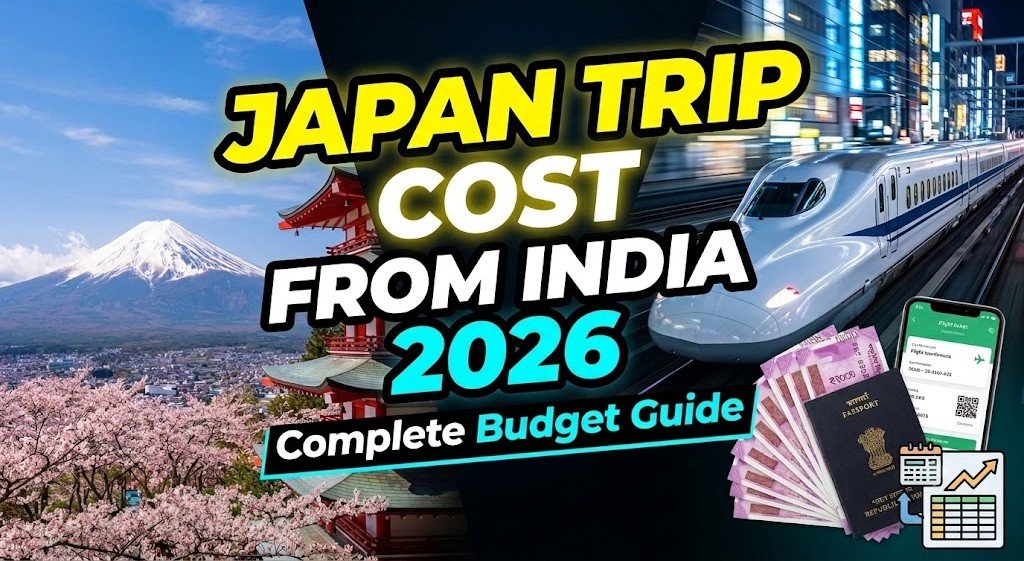
How much does a Japan trip actually cost from India in 2026?
For most Indian travellers, the total cost depends on the season, flight prices, hotel category, number of days, transportation and the type of experiences included.
A practical estimate for a 7–10 day Japan trip can range from around ₹1.2 lakh to ₹3 lakh+ per person, while premium or luxury journeys can go considerably higher.
The good news?
Japan does not have to be an ultra-expensive holiday if you plan it properly.
Japan Trip Cost from India at a Glance
Here is a practical starting estimate for one traveller:
Expense
Approximate Cost
Return international flights
₹45,000–₹1,10,000+
Visa & application-related charges
Check current official rates
Hotels
₹6,000–₹18,000+ per night
Food
₹2,000–₹7,000+ per day
Local transportation
₹8,000–₹25,000+
Sightseeing & activities
₹5,000–₹25,000+
SIM/eSIM & miscellaneous
₹2,000–₹10,000+
Shopping
Depends on traveller
Estimated 7–10 day trip
₹1.2 lakh–₹3 lakh+
These are planning estimates, not fixed quotations. Flight fares, hotels and exchange rates can change significantly depending on your dates and travel style.
How Much Does a Japan Trip Cost for 7 Days?
For a 7-day holiday, you can broadly think in three categories.
Budget Japan Trip
Approximately ₹1.2–₹1.5 lakh per person
Suitable for travellers who:
Book flights early
Stay in budget hotels or hostels
Use public transportation
Eat at affordable local restaurants
Limit expensive activities
Travel outside the most expensive peak periods
Mid-Range Japan Trip
Approximately ₹1.6–₹2.3 lakh per person
This is a more comfortable option.
You can include:
Good business or 3–4 star hotels
Better restaurants
Intercity travel
Major sightseeing attractions
Several paid experiences
Comfortable transfers
For many first-time Indian travellers, this is a practical range to plan around.
Premium Japan Trip
₹2.5 lakh–₹3 lakh+ per person
This can include:
Premium hotels
Better room categories
More private transfers
Premium dining
More activities
Ryokan experiences
Longer-distance train journeys
Shopping and additional experiences
Luxury travel can easily exceed this amount.
1. Flight Cost from India to Japan
For most travellers, international airfare will be one of the biggest expenses.
Return economy flights from India to Japan can vary widely depending on:
Departure city
Travel dates
Airline
Number of stops
Booking time
Season
Baggage allowance
Recent 2026 travel estimates place return economy fares broadly around ₹45,000–₹1,10,000+, with direct flights and peak-season dates often costing more.
From Kolkata
Travellers from Kolkata should compare both direct and connecting options depending on the travel dates.
A slightly longer connection can sometimes reduce the airfare considerably.
If shopping is important to you, keep a separate budget.
For example:
Light Shopping
₹5,000–₹10,000
Moderate Shopping
₹15,000–₹30,000
Serious Shopping
₹50,000+
There is no fixed upper limit.
Japan Trip Cost for Couples
Travelling as a couple can sometimes reduce the per-person accommodation cost because you share one room.
7-Day Budget Couple Trip
Approximately:
₹2.4–₹3 lakh total
7–10 Day Mid-Range Couple Trip
Approximately:
₹3.2–₹4.6 lakh total
Premium Couple Trip
₹5 lakh+
A honeymoon with premium hotels, private experiences, luxury dining and special activities can go significantly higher.
Japan Trip Cost for a Family
Families should budget differently.
A family of four will need to consider:
Four flight tickets
Family room or multiple rooms
Local transport
Food
Attraction tickets
Child-specific activities
Luggage
Transfers
A 7–10 day family trip can easily move beyond the typical individual traveller budget.
This is why family packages can sometimes make planning easier.
What Does a Japan Package Cost with Travelexie?
Travelexie currently offers several Japan packages across different durations and travel styles.
For example:
Japan Budget Explorer
9 Nights / 10 Days
Starting from approximately:
₹1,70,000 per person
Route includes:
Tokyo · Mount Fuji · Kyoto · Osaka
Japan Value Explorer
9 Nights / 10 Days
Starting from approximately:
₹2,15,000 per person
Route:
Tokyo · Mount Fuji · Hakone · Kyoto · Nara · Osaka
Japan Complete Explorer
9 Nights / 10 Days
Starting from approximately:
₹2,35,000 per person
Covering major destinations including:
Tokyo · Mount Fuji · Kyoto · Osaka · Nara
Japan Grand Tour
12 Nights / 13 Days
Starting from approximately:
₹2,68,899 per person
Route:
Tokyo · Hakone · Kyoto · Osaka
Japan & South Korea
For travellers wanting to combine two destinations, Travelexie also offers Japan + South Korea experiences.
This can be attractive for travellers who want a broader East Asia holiday rather than visiting Japan alone.
Important: Package prices are starting prices and can change based on travel dates, availability, inclusions, room category, flights and other factors.
Japan DIY Trip vs Travel Agency Package
This is one of the biggest decisions Indian travellers face.
Planning Japan Yourself
Advantages
Complete flexibility
Choose your own hotels
Change your itinerary whenever you want
Potentially lower cost
Freedom to choose restaurants and activities
Disadvantages
More planning
Visa documentation
Hotel research
Train planning
Transfers
Language/navigation challenges
Managing multiple bookings
Booking Through a Travel Agency
Advantages
One organised itinerary
Hotel selection
Transfers
Sightseeing planning
Visa guidance
Better coordination
Support during the journey
Disadvantages
Less flexibility in some packages
Fixed itineraries
Package price can be higher than a very carefully planned DIY trip
The right choice depends on how comfortable you are with independent travel.
Travelexie vs Typical Japan Travel Packages
Don’t compare Japan packages only by the headline price.
Instead, compare what you actually receive.
Factor
DIY / Typical Package
Travelexie Japan
Japan itinerary
Self-planned or fixed
Multiple itinerary options
Tokyo
Usually available
Available
Kyoto
Usually available
Available
Osaka
Depends on package
Available in multiple packages
Mount Fuji
Depends on itinerary
Included in selected packages
Hakone
Depends on itinerary
Included in selected packages
Nara
Depends on itinerary
Included in selected packages
Bullet Train
Depends on package
Dedicated bullet-train package available
Japan + Korea
Depends on agency
Available
Short & long trips
Varies
Multiple durations
Customisation
Depends on agency
Package/tailor-made options
The biggest advantage of having multiple packages is that travellers don’t have to choose between only one standard Japan itinerary.
You can select a trip according to your:
Budget + duration + destinations + travel style.
How to Save Money on a Japan Trip
You don’t need to compromise on the Japan experience to reduce your budget.
1. Book Flights Early
Airfare can change dramatically.
2. Avoid Peak Dates Where Possible
Cherry blossom and autumn foliage periods can be much more expensive.
3. Stay Near Transport
A slightly cheaper hotel far from a station may actually cost more in time and transportation.
4. Use Public Transport
Japan’s public transportation is excellent.
5. Don’t Use Taxis Everywhere
Taxis can quickly increase your daily budget.
6. Choose Local Restaurants
You don’t need fine dining every day.
7. Plan Intercity Travel
Calculate whether a rail pass, individual tickets or another transport option works best.
8. Set a Shopping Limit
Japan has too many tempting stores!
9. Mix Free and Paid Attractions
Many memorable Japan experiences cost very little.
Best Time to Visit Japan on a Budget
Japan has four distinct seasons.
🌸 Spring
Cherry blossoms are beautiful but popular.
Demand can push up hotel and flight prices.
☀️ Summer
Generally warmer and more humid.
Some periods can offer better value depending on destination and dates.
🍁 Autumn
Excellent weather and beautiful foliage make autumn highly popular.
Prices can rise around peak foliage dates.
❄️ Winter
Winter can offer opportunities for snow, skiing and winter landscapes.
Some periods can be more affordable than peak cherry blossom or autumn weeks.
If budget is your priority, avoid booking solely around the most famous peak dates.
How Many Days Do You Need in Japan?
5–6 Days
Good for:
Tokyo + Osaka
A fast introduction to Japan.
7–8 Days
Good for:
Tokyo + Kyoto + Osaka
One of the most practical first-time itineraries.
9–10 Days
Ideal for:
Tokyo + Mount Fuji/Hakone + Kyoto + Osaka + Nara
You get more breathing room.
12–14 Days
Best for travellers wanting:
More cities
More cultural experiences
Hiroshima
Longer countryside stays
Traditional accommodation
More relaxed travel
Example: 7-Day Japan Budget
Let’s create a simple example.
Expense
Approx. Budget
Flights
₹55,000
Hotels
₹35,000
Food
₹18,000
Transport
₹15,000
Sightseeing
₹10,000
Internet + miscellaneous
₹5,000
Shopping
₹10,000
Total
₹1,48,000
This is only an example budget.
Your actual cost can be considerably lower or higher depending on your dates, hotels, flights and spending habits.
Example: 10-Day Comfortable Japan Budget
Expense
Approx. Budget
Flights
₹65,000
Hotels
₹55,000
Food
₹30,000
Transport
₹20,000
Sightseeing
₹15,000
Internet & miscellaneous
₹7,000
Shopping
₹20,000
Total
₹2,12,000
This provides a useful starting point for a comfortable 10-day trip.
Hidden Costs to Remember
One of the biggest mistakes travellers make is calculating only:
Flight + Hotel
You should also consider:
Visa/application costs
Travel insurance
Airport transfers
Local transport
Intercity trains
Attraction tickets
SIM/eSIM
Currency exchange
Card foreign transaction charges
Luggage
Shopping
Optional tours
Travel budgets can increase substantially when these smaller expenses are ignored.
Is Japan Expensive Compared with Other Asian Destinations?
Japan can be more expensive than destinations such as Thailand, Vietnam or Bali, particularly for accommodation and long-distance transportation.
But the daily experience can still be managed according to your budget.
You don’t need to stay in luxury hotels.
You don’t need to eat at expensive restaurants every day.
And you don’t need to take taxis everywhere.
The key is planning.
Is Japan Worth the Money for Indian Travellers?
For many travellers, yes.
Japan offers an experience that is difficult to replicate elsewhere.
You can experience:
🏙️ Tokyo’s futuristic city life ⛩️ Kyoto’s historic temples 🗻 Mount Fuji 🚄 Shinkansen bullet trains 🍣 Japanese cuisine 🌸 Cherry blossoms 🍁 Autumn colours 🎌 Traditional Japanese culture 🎮 Anime and gaming culture 🏯 Historic castles and neighbourhoods
The combination of modern technology and centuries-old traditions is what makes Japan so unique.
Japan Trip Planning Checklist for Indians
Before booking your Japan holiday, make sure you have:
☐ Valid passport ☐ Appropriate Japan visa ☐ Return flight plan ☐ Hotel bookings ☐ Travel insurance ☐ Transportation plan ☐ SIM/eSIM ☐ Yen/currency arrangement ☐ International payment option ☐ Emergency contact details ☐ Copies of important documents ☐ Basic Japan itinerary
Final Verdict: How Much Should You Budget for Japan?
For an Indian traveller planning a 7–10 day Japan trip in 2026, a practical starting point is:
💰 Budget
₹1.2–₹1.5 lakh per person
⭐ Comfortable Mid-Range
₹1.6–₹2.3 lakh per person
✨ Premium
₹2.5–₹3 lakh+ per person
👑 Luxury
₹3 lakh+ per person
These are broad planning ranges rather than fixed prices. Your actual cost depends heavily on flights, season, accommodation, transportation and activities.
If you prefer a planned holiday rather than arranging every component yourself, Travelexie currently has Japan packages starting around ₹1.70 lakh per person for a 9-night/10-day Budget Explorer, with higher-tier options such as the ₹2.15 lakh Value Explorer and ₹2.35 lakh Complete Explorer.
So, the real question isn’t simply:
“Is Japan expensive?”
It is:
“What kind of Japan experience do I want?”
Because your budget will change depending on that answer.
Plan Your Japan Holiday with Travelexie
From a budget-friendly Japan journey to a longer multi-city adventure, Travelexie offers multiple Japan itineraries covering destinations such as Tokyo, Kyoto, Osaka, Mount Fuji, Hakone and Nara.
Whether you’re planning your first Japan trip, a honeymoon, a family holiday or a premium cultural journey, choosing the right itinerary can make a major difference to both your experience and your overall budget.
Plan your Japan holiday with Travelexie and turn your Japan wishlist into a real journey.
Explore Japan travel options and choose the itinerary that fits your budget, travel dates and style.
Imagine waking up to the sound of the African wilderness, heading out on a morning game drive and watching elephants, lions, giraffes and zebras moving across the savannah.
For many Indian travellers, Kenya is the dream destination for a first African safari.
But one question comes before everything else:
When is the best time to visit Kenya?
The answer depends on what you want from your trip.
If your priority is the Great Migration, your ideal months may be different from someone looking for pleasant weather, fewer crowds or a more affordable safari.
This month-by-month Kenya travel guide explains the best time for safari, wildlife viewing, photography, family holidays and honeymoon trips—and what Indian travellers should consider before booking.
When Is the Best Time to Visit Kenya?
For most first-time safari travellers, July to October is considered one of the most attractive periods.
This period falls within Kenya’s generally dry season, when wildlife viewing conditions can be excellent.
It is also associated with the famous Great Migration, when huge herds of wildebeest and other animals move through the Masai Mara ecosystem.
However, there is no single perfect month.
Kenya is a year-round safari destination, and each season offers something different.
Quick Guide
Months
Best For
January–February
Wildlife viewing & pleasant safari conditions
March–May
Green landscapes & lower-season travel
June
Beginning of the dry season
July–October
Safari + Great Migration season
November
Green landscapes & fewer crowds
December
Safari + festive holiday travel
January in Kenya
January is a popular month for wildlife experiences.
The weather is generally warm, and many safari areas offer good wildlife-viewing opportunities.
Why Visit in January?
Good safari conditions
Wildlife viewing
Warm weather
Excellent photography opportunities
Good option for couples and families
If you are travelling from India during the winter holiday period, January can also be convenient because you are escaping India’s colder northern weather while experiencing the African summer.
February in Kenya
February continues to offer strong safari conditions.
Wildlife viewing can be rewarding, and the landscapes remain attractive for photography.
For travellers who prefer a safari-focused holiday rather than chasing the Great Migration specifically, February can be a very good option.
March marks a transition toward the wetter period in many parts of Kenya.
The landscape can become greener and more vibrant.
This can be attractive for photographers who prefer lush scenery rather than the classic dry-season safari landscape.
However, travellers should be prepared for changing weather conditions.
April in Kenya
April generally falls within one of Kenya’s wetter periods.
This is not necessarily a bad time to visit.
In fact, travellers who don’t mind occasional rain may enjoy:
Green landscapes
Fewer tourists
Potentially better value
Excellent photography conditions
For travellers who prioritise the lowest possible crowd levels over classic dry-season conditions, this period can be worth considering.
May in Kenya
May continues to be associated with wetter conditions.
The countryside can look spectacularly green.
This period can work well for travellers who are flexible with weather and want a different side of Kenya.
However, if your primary goal is a classic first-time safari with dry conditions, you may prefer the later months of the year.
June in Kenya
June marks an important transition.
The weather generally becomes drier, making safari conditions increasingly attractive.
This is also when many travellers begin planning for the peak safari season.
Why June?
Improving wildlife-viewing conditions
Comfortable safari atmosphere
Fewer crowds than peak months in some areas
Good photography
June can be a smart choice if you want to experience Kenya before the busiest migration period.
July in Kenya
July is one of the most popular months for safari travel.
It is part of Kenya’s dry season and is also associated with the beginning of the Great Migration period in the Masai Mara.
The combination of:
Dry weather + wildlife + migration
makes July highly attractive.
But popularity also means higher demand.
Hotels, safari lodges and tours can fill quickly, especially around major migration periods.
August in Kenya
August is often considered one of the strongest months for a Kenya safari.
The Great Migration is a major attraction, and the Masai Mara can become particularly busy.
Travellers may have opportunities to witness dramatic wildlife scenes, although nature is unpredictable and exact animal movements cannot be guaranteed.
If witnessing the migration is your dream, planning well in advance is strongly recommended.
September in Kenya
September continues to offer excellent safari conditions.
The dry season makes wildlife viewing attractive, while the Great Migration can still be a major highlight depending on animal movements.
For travellers who want a balance between:
Wildlife + dry weather + migration opportunities
September can be an excellent choice.
October in Kenya
October is another strong month for safari.
The dry season continues in many areas, although conditions begin transitioning as the year progresses.
The migration may still be present in the Masai Mara depending on the natural movement of the herds.
October can also appeal to travellers who want a safari-focused trip without necessarily travelling at the height of the August rush.
November in Kenya
November can bring greener landscapes and changing weather.
For travellers who have already experienced the classic dry-season safari and want something different, this can be an interesting time.
Potential advantages include:
Green scenery
Fewer crowds
Excellent photography
More relaxed safari atmosphere
Rain is always a possibility, so flexibility is important.
December in Kenya
December can be an excellent period for a holiday combining safari with a festive vacation.
The weather can vary by region, but wildlife experiences remain possible.
For Indian travellers planning an international family holiday around the Christmas and New Year period, Kenya can offer something very different from a traditional city vacation.
Because December is a popular holiday period, advance planning is recommended.
Great Migration: When Should You Visit?
The Great Migration is one of Africa’s most famous wildlife spectacles.
Millions of wildebeest, along with large numbers of zebra and other animals, move through the Serengeti-Mara ecosystem in search of fresh grazing and water.
The exact timing and location are controlled by nature, not calendars.
That means:
There is no guaranteed migration date.
The migration is generally associated with the Masai Mara during the July–October period, but the exact timing varies each year.
So if someone promises:
“You will definitely see the Great Migration on this exact date.”
be cautious.
A professional safari operator should explain the natural uncertainty rather than guarantee wildlife behaviour.
Best Time to See the Big Five in Kenya
The Big Five traditionally refers to:
🦁 Lion 🐆 Leopard 🐘 Elephant 🦏 Rhino 🐃 Buffalo
Kenya offers opportunities to see these iconic animals throughout the year.
However, dry-season conditions can make wildlife easier to spot in many areas because vegetation is less dense and animals may concentrate around available water sources.
Best General Period:
June to October
But remember:
Wildlife is wild.
No ethical safari company can guarantee a specific animal sighting.
Best Time for Wildlife Photography
If photography is one of your main priorities, consider:
June–October
Dry landscapes and wildlife activity can create classic safari photography opportunities.
January–February
The combination of wildlife activity and generally favourable conditions can also be excellent.
March–May
Green landscapes can produce a completely different visual style.
So the best photography month depends on whether you want:
Classic golden savannah photography
or
lush green African landscapes.
Best Time for a Kenya Honeymoon
Kenya can be an extraordinary honeymoon destination.
Imagine combining:
❤️ Luxury safari lodge ❤️ Private game drives ❤️ Sunset over the savannah ❤️ Romantic dinners ❤️ Wildlife experiences ❤️ Scenic landscapes
For couples, June to October can be particularly attractive because of generally favourable safari conditions.
However, couples looking for quieter travel may also consider shoulder or green-season periods.
The best honeymoon itinerary should balance safari with relaxation rather than filling every day with activities.
Best Time for a Family Safari
Families should consider more than just wildlife.
Think about:
Weather
Children’s ages
Safari duration
Hotel comfort
Transfer times
Activity intensity
The dry season can be attractive for families because predictable conditions can make outdoor activities easier.
For families travelling during school holidays, however, demand can be higher.
Planning early can help secure suitable accommodation and room configurations.
Kenya Safari Cost from India
The cost of a Kenya safari depends on:
Flights
Number of nights
Safari lodge category
Number of game drives
Private vs shared safari
Transfers
Meals
Park fees
Travel season
Visa
Travel insurance
Number of travellers
A luxury safari lodge can cost significantly more than a standard hotel or tented camp.
Likewise, a private safari vehicle can have a very different price from a shared game drive.
What Does a Travelexie Kenya Trip Look Like?
Travelexie’s current Kenya collection offers different safari and holiday experiences rather than one single itinerary.
Its Kenya destination offering includes experiences around destinations such as Nairobi, Maasai Mara and Diani Beach, allowing travellers to combine wildlife with a beach holiday. (travelexie.com)
Current package examples include:
Kenya Wildlife Escape
5 Days
Starting from approximately ₹1,89,999 per person
Kenya Wildlife Explorer
6 Days
Starting from approximately ₹2,99,999 per person
Kenya & Tanzania
9 Days
Starting from approximately ₹5,49,999 per person
Diani Beach Escape
8 Days
Starting from approximately ₹4,20,000 per person
These prices are subject to change, so travellers should check the latest package page before booking. (travelexie.com)
Kenya Safari vs Kenya + Beach Holiday
This is an important decision.
🦁 Safari-Focused Trip
Choose this if your priority is wildlife.
Possible route:
Nairobi → Masai Mara → Safari Experiences
This is ideal for first-time safari travellers.
🏖️ Safari + Beach
If you have more time, add Diani Beach.
Then your trip can become:
Nairobi → Masai Mara → Diani
You get:
Wildlife + Adventure + Relaxation
This can work particularly well for honeymooners.
DIY Kenya Safari vs Travel Agency
Planning a Kenya safari independently is possible.
But it involves more than booking a hotel.
You may need to coordinate:
International flights
Airport transfers
Safari vehicle
Driver/guide
Park entry
Accommodation
Game drives
Domestic flights or road transfers
Meals
Travel insurance
Visa requirements
A travel agency can bundle these components into one itinerary.
This can be especially useful for Indian travellers visiting Africa for the first time.
How to Compare Kenya Travel Agencies
Don’t compare agencies only by the advertised starting price.
Instead, ask:
1. Is the Safari Vehicle Included?
Find out whether the safari vehicle and driver/guide are included.
2. Are Park Fees Included?
Park and conservation fees can significantly affect the final cost.
3. What Type of Accommodation?
Check whether you’re staying in a hotel, tented camp, safari lodge or luxury property.
4. Private or Shared Safari?
This can make a major difference to the experience.
5. How Many Game Drives?
A package with more nights doesn’t automatically mean more safari time.
6. Transfers
Check whether airport and intercity transfers are included.
7. Meals
Understand exactly which meals are covered.
8. Visa Assistance
Ask whether the agency provides visa guidance or assistance.
9. Support During the Trip
Africa travel involves multiple moving parts, so local support can be valuable.
Travelexie vs a Typical Kenya Safari Package
When comparing Travelexie with another travel agency, the comparison should focus on experience and inclusions, not just price.
What to Compare
Typical Package
Travelexie Kenya Offering
Safari
Depends on package
Multiple safari itineraries
Masai Mara
Depends on itinerary
Available
Nairobi
Depends on itinerary
Available
Diani Beach
Depends on package
Available
Kenya + Tanzania
Depends on agency
Available
Short Safari
Varies
5–6 day options
Longer Journey
Varies
Kenya + Tanzania option
Beach Extension
Varies
Diani option
Customisation
Depends on agency
Tailor-made journeys
Indian Traveller Support
Varies
India-focused travel planning
The important point is that a traveller should choose based on the type of Kenya experience they want.
Someone travelling for wildlife may prefer a safari-focused itinerary.
A couple may want safari plus Diani Beach.
A repeat Africa traveller may prefer a Kenya–Tanzania combination.
Why Choose Travelexie for Kenya?
Kenya is not a destination where a one-size-fits-all itinerary always works.
A wildlife enthusiast may want more game drives.
A honeymoon couple may want luxury accommodation and private experiences.
A family may prioritise comfortable transfers and shorter travel days.
Travelexie’s Kenya offering provides different itinerary styles around safari, wildlife, beach and multi-country travel rather than restricting travellers to one standard route. (travelexie.com)
The company’s wider travel approach also focuses on personalised international journeys and travel support.
For an Indian traveller planning a first safari, having the major components organised together can reduce the complexity of planning the trip independently.
What to Pack for a Kenya Safari
Your packing list will depend on the season and itinerary.
But these are useful essentials:
☐ Comfortable lightweight clothing ☐ Neutral-coloured clothes ☐ Comfortable walking shoes ☐ Sun hat ☐ Sunglasses ☐ Sunscreen ☐ Light jacket ☐ Binoculars ☐ Camera ☐ Extra memory cards ☐ Power bank ☐ Travel adapter ☐ Personal medicines ☐ Travel insurance documents ☐ Passport and visa documents
For early-morning game drives, a light jacket can be useful even when daytime temperatures become warm.
Is Kenya Safe for Indian Travellers?
Kenya is a popular international tourism destination, but like anywhere else, travellers should follow normal safety precautions.
Use reputable safari operators, follow your guide’s instructions and avoid wandering into wildlife areas independently.
During a safari, remember:
You are entering the animals’ environment.
Never approach wildlife on foot unless your guide specifically says it is safe.
Do not feed animals.
Do not make unnecessary noise.
And always follow park and lodge rules.
Kenya Travel Tips for First-Time Visitors
🦁 Respect the Wildlife
Never assume animals are harmless because they look calm.
📱 Keep Your Phone Charged
Safari days can be long, and you’ll want your camera ready.
🧴 Protect Yourself from the Sun
African sun can be intense.
💧 Stay Hydrated
Carry drinking water during excursions.
📸 Don’t Spend the Entire Safari Behind Your Camera
Sometimes the best memory is simply watching.
🌅 Wake Up Early
Some of the best safari experiences happen early in the morning.
🧳 Don’t Overpack
You may have luggage restrictions on some internal flights or safari transfers.
When Should You Book Your Kenya Safari?
If you are travelling during the popular July–October safari season, booking early is a smart idea.
This becomes even more important if you want:
Specific safari lodges
Premium accommodation
Private vehicles
Family rooms
Honeymoon arrangements
Specific migration-period dates
For lower-season travel, you may have more flexibility.
But flexibility should not be confused with guaranteed availability.
Is Kenya Worth Visiting for Indian Travellers?
Absolutely.
Kenya offers something very different from a conventional international holiday.
You aren’t simply visiting another city.
You’re experiencing:
The African savannah.
Wild elephants.
Lions in the wild.
Endless landscapes.
The excitement of a game drive.
And the possibility of witnessing one of nature’s greatest wildlife spectacles.
Whether you choose a short safari, a longer Kenya journey or combine Kenya with Tanzania or a beach stay, the experience can be unforgettable.
Final Kenya Safari Planning Checklist
Before booking, ask yourself:
☐ What is my main goal—safari, migration, beach or all three? ☐ Which month am I travelling? ☐ How many nights do I need? ☐ Do I want a private or shared safari? ☐ What accommodation level do I prefer? ☐ Are park fees included? ☐ Are transfers included? ☐ Are flights included? ☐ Is visa assistance included? ☐ Is travel insurance included? ☐ How much free time do I have? ☐ Does the itinerary suit my travel style?
Plan Your Kenya Safari with Travelexie
The best time to visit Kenya depends on what you want to experience.
Want the classic dry-season safari?
June to October can be an excellent period to consider.
Want to see the Great Migration?
July to October is the period many travellers target, while remembering that wildlife follows nature—not a fixed calendar.
Want green landscapes and potentially fewer crowds?
Consider the wetter or shoulder periods.
Want safari plus relaxation?
Combine Masai Mara with Diani Beach.
And if you’re looking for a more extensive African journey, consider a Kenya + Tanzania itinerary.
Travelexie’s current Kenya collection offers multiple ways to experience the country, from shorter wildlife escapes to longer safari journeys and beach combinations. (travelexie.com)
When comparing travel agencies, don’t simply choose the cheapest advertised package.
Compare the safari experience, accommodation, park fees, transfers, flights, game drives, support and overall itinerary.
Because your Kenya holiday isn’t just a hotel booking.
It’s your opportunity to experience Africa in a way you’ll remember for the rest of your life.
Ready to experience Kenya?
Explore Travelexie’s Kenya journeys and start planning your African safari.
Imagine standing beneath a dark Arctic sky while waves of green, violet and blue light move across the horizon.
That is the magic of the Northern Lights, or Aurora Borealis.
For Indian travellers, a Northern Lights holiday is more than a sightseeing trip. It can combine snowy landscapes, glass igloo stays, husky safaris, reindeer experiences, snowmobile adventures and unforgettable Arctic nights.
But planning the trip can also raise several questions:
Where should you go? When should you visit? How much does it cost? Do Indians need a visa? Is the Northern Lights guaranteed? And should you book everything yourself or choose a travel agency?
This guide answers the most important questions before planning your Northern Lights trip from India.
What Are the Northern Lights?
The Northern Lights, scientifically known as the Aurora Borealis, are a natural light phenomenon that occurs when charged particles from the Sun interact with Earth’s atmosphere.
Depending on atmospheric and solar conditions, the Aurora can appear as glowing arcs, waves or curtains across the night sky.
The colours can vary, although green is one of the most commonly observed.
The most important thing to remember is:
The Northern Lights are a natural phenomenon and cannot be guaranteed.
Even when you’re travelling during the right season, cloud cover, weather and solar activity can affect whether you see them.
That is why a good Northern Lights holiday should include more than just Aurora chasing.
Where Can Indians See the Northern Lights?
Several destinations in the Arctic region are popular for Northern Lights holidays.
Travelexie’s current Northern Lights collection focuses on four Arctic worlds:
🇫🇮 Finland
Rovaniemi • Saariselkä • Levi
Finland is particularly popular for travellers looking for:
Glass igloos
Husky safaris
Reindeer experiences
Snow adventures
Santa Claus Village
Arctic stays
It is an especially attractive option for families and first-time Arctic travellers.
🇳🇴 Norway
Tromsø • Lofoten • Alta
Norway offers a different Arctic experience, combining Northern Lights opportunities with:
Fjords
Dramatic mountain scenery
Dog sledding
Whale experiences
Arctic landscapes
For travellers who want the Aurora along with spectacular natural scenery, Norway can be a strong choice.
🇮🇸 Iceland
Reykjavík • Vik • South Coast
Iceland offers the opportunity to combine Northern Lights viewing with:
Waterfalls
Glaciers
Black-sand beaches
Volcanoes
Dramatic landscapes
So your trip can become much more than an Aurora holiday.
🇸🇪 Sweden
Kiruna • Abisko
Swedish Lapland is another excellent option for travellers looking for remote Arctic landscapes, winter experiences and Aurora-focused travel.
Finland vs Norway vs Iceland vs Sweden
There is no single destination that is best for everyone.
Destination
Best For
🇫🇮 Finland
Families, first-timers, glass igloos
🇳🇴 Norway
Aurora + fjords + dramatic scenery
🇮🇸 Iceland
Aurora + road trips + natural wonders
🇸🇪 Sweden
Remote Arctic experiences & photography
The right destination depends on what you want from your trip.
If your dream is sleeping beneath the Arctic sky in a glass igloo, Finland may be the natural choice.
If you want fjords and Aurora, Norway may suit you better.
If you want waterfalls, glaciers, black beaches and Aurora, Iceland can be a great option.
And if you want remote Arctic landscapes and photography, Swedish Lapland deserves consideration.
Best Time to See the Northern Lights
The Northern Lights are visible during the darker months of the year.
Travelexie’s Northern Lights guide currently describes the Aurora season as generally running from September through early spring, with September through March offering opportunities depending on destination, weather and darkness.
September–October
This is the beginning of the Aurora season.
You get darker evenings while autumn gradually transitions into winter.
This period can work well for travellers who want Aurora opportunities without the deepest winter conditions.
November–December
Winter starts becoming much more prominent.
Snow-covered landscapes, longer nights and classic Arctic activities begin to become major parts of the experience.
December is also particularly attractive for families because of the festive atmosphere and Santa Claus Village experiences in Finnish Lapland.
January–February
These months offer a true Arctic winter atmosphere.
Expect:
Long dark evenings
Snow-covered landscapes
Winter activities
Aurora opportunities
Very cold conditions
For travellers who want the full winter experience, January and February can be particularly appealing.
March
March offers an interesting combination.
You can still have Aurora opportunities while daylight gradually increases, giving you more time for daytime Arctic activities.
So, Which Month Is Best?
There is no guaranteed “best month”.
Instead, think about what you want:
Aurora + deep winter: January–February
Festive Arctic experience: December
Aurora + slightly longer daylight: March
Early Aurora season: September–October
And remember:
More nights usually mean more opportunities to experience the Aurora.
Is the Northern Lights Guaranteed?
No.
This is one of the most important things every traveller should understand before booking.
No travel agency can honestly guarantee that you will see the Northern Lights on a specific night.
The Aurora depends on natural conditions including:
Solar activity
Cloud cover
Darkness
Local weather
Location
Visibility
A good Aurora-chasing experience therefore focuses on improving your chances rather than promising a guaranteed sighting.
Travelexie’s own Northern Lights page clearly states that the Aurora is a natural phenomenon and sightings cannot be guaranteed.
How Many Days Do You Need?
For a focused Northern Lights holiday, around 4–6 nights can work well.
Travelexie recommends around 4–6 nights for a focused Aurora escape, while longer journeys can allow more activities and destinations.
4–5 Nights
Good for:
First-time travellers
Short holidays
Rovaniemi-based trips
Couples
Families
6–8 Nights
Better if you want:
Multiple Aurora attempts
More Arctic activities
Glass igloo stay
More than one destination
A slower itinerary
9+ Nights
Ideal for travellers who want a broader Nordic journey combining multiple destinations and experiences.
How Much Does a Northern Lights Trip Cost from India?
There is no single fixed price.
Your final cost depends on:
International airfare
Destination
Number of nights
Hotel category
Glass igloo or premium stay
Activities
Transfers
Visa
Travel insurance
Season
Number of travellers
A short Rovaniemi escape will naturally cost very differently from a multi-country Finland–Norway itinerary.
Current Travelexie Package Examples
Travelexie’s current Northern Lights collection includes several different price points.
Northern Lights Escape
4 Nights / 5 Days
Rovaniemi
Starting from ₹1,03,067
This short itinerary includes experiences such as Santa Claus Village, Ranua Zoo and Northern Lights hunting by minibus. Airfare and overseas travel insurance are excluded from this particular package.
Finland & Estonia — Lapland Explorer
8 Nights / 9 Days
Helsinki • Tallinn • Rovaniemi • Lapland
Starting from ₹3,20,000 per person
Finland & Norway — Northern Lights Adventure
11 Days / 10 Nights
Helsinki • Rovaniemi • Tromsø
Starting from ₹3,99,999 per person
These are examples of the different itinerary styles currently displayed by Travelexie; prices and availability can change, so travellers should verify the latest package details before booking.
What Should You Compare When Booking a Northern Lights Package?
This is extremely important.
Two travel agencies may advertise apparently similar Northern Lights packages at very different prices.
But the cheapest package is not necessarily the best value.
Before comparing prices, check:
✈️ Flights
Are international flights included?
🏨 Hotels
What category of hotel is included?
🪟 Glass Igloo
Is the glass igloo included or an additional upgrade?
🌌 Aurora Hunting
Is Aurora chasing included?
🐕 Husky Safari
Is the husky experience included?
🦌 Reindeer Experience
Is it part of the itinerary?
🚐 Transfers
Are airport and local transfers included?
🛂 Visa Assistance
Does the agency provide visa guidance or assistance?
🍽️ Meals
Check exactly which meals are included.
🧾 Taxes
Check GST, TCS and other applicable charges.
This is where comparing inclusions instead of headline prices becomes important.
DIY Northern Lights Trip vs Travel Agency
Should you plan everything yourself?
You can.
A DIY trip gives you complete freedom to select:
Flights
Hotels
Activities
Restaurants
Transfers
Dates
Destinations
But Arctic travel can involve more logistics than a normal city holiday.
You may need to coordinate:
India → European gateway → Arctic destination → hotel → Aurora excursions → winter activities → return flights
For first-time Arctic travellers, a travel agency can simplify this process.
Why Consider Travelexie for a Northern Lights Trip?
Travelexie’s current Northern Lights offering is not limited to selling a single fixed Aurora package.
The company presents four Arctic destinations:
Finland • Norway • Iceland • Sweden
and allows travellers to build journeys around different travel styles, including:
Honeymoon
Family adventure
Couples escape
Photography
Luxury Arctic
Group journeys
It also highlights experiences such as:
Aurora chasing
Glass igloo stays
Husky safaris
Reindeer experiences
Snowmobile rides
Arctic sauna
This means travellers can choose an experience based on what they actually want from the Arctic rather than simply buying a standard sightseeing itinerary.
Travelexie vs a Typical Northern Lights Package
When comparing Travelexie with another travel agency, don’t just compare the starting price.
Compare the actual experience.
What to Compare
Typical Fixed Package
Travelexie
Destination
Usually one route
Finland, Norway, Iceland & Sweden
Trip Style
Pre-designed
Multiple travel styles
Aurora Chasing
Depends on package
Available
Glass Igloo
Depends on package
Available
Husky Safari
Depends on package
Available
Reindeer Experience
Depends on package
Available
Snowmobile
Depends on package
Available
Family Trips
Depends on agency
Dedicated family journeys
Honeymoon
Depends on agency
Arctic honeymoon journeys
Luxury
Depends on agency
Luxury Arctic journeys
Customisation
Varies
Tailor-made journeys
Indian Traveller Planning
Varies
Journey planned from India
The key advantage is flexibility.
A honeymoon couple does not necessarily need the same itinerary as a family with children.
A photographer may want more Aurora-chasing time.
A luxury traveller may prioritise premium Arctic stays.
The best package is therefore the one that matches your travel style, not simply the one with the lowest starting price.
Glass Igloo: Is It Really Worth It?
For many travellers, yes.
A glass igloo can turn your accommodation into part of the Arctic experience.
Instead of going outside every time you want to look at the night sky, you can stay warm inside while enjoying panoramic views of the Arctic surroundings.
But there is an important distinction:
A glass igloo does not guarantee the Northern Lights.
You still need suitable darkness, weather and Aurora activity.
Think of the glass igloo as a unique Arctic accommodation experience, not an Aurora guarantee.
Best Northern Lights Experiences Beyond Aurora
The Northern Lights should not be the only thing on your itinerary.
Consider adding:
🐕 Husky Safari
Travel through snowy landscapes with Arctic huskies.
🦌 Reindeer Experience
Experience one of the iconic traditions of Arctic Lapland.
🛷 Snowmobile Adventure
Explore snowy trails and frozen landscapes.
🧖 Arctic Sauna
Warm up and experience Nordic wellness culture.
🎅 Santa Claus Village
Especially attractive for families travelling to Finnish Lapland.
📸 Arctic Photography
Snow-covered landscapes and Aurora skies create extraordinary photography opportunities.
Travelexie’s Northern Lights collection currently highlights all of these types of Arctic experiences.
What Should Indian Travellers Pack?
The Arctic is extremely cold, so packing correctly is essential.
Don’t depend on just one heavy jacket.
Use Layers
Base layer: Thermal clothing
Middle layer: Fleece or wool
Outer layer: Windproof and waterproof jacket
Don’t Forget
Thermal socks
Insulated winter boots
Warm gloves
Beanie
Neck warmer
Moisturiser
Lip balm
Sunglasses
Power bank
Camera batteries
Universal travel adapter
Travelexie’s own Arctic preparation guide recommends thermal base layers, insulating layers, waterproof outerwear and protection for extremities such as gloves, beanies and insulated footwear.
Do Indians Need a Visa for the Northern Lights?
It depends on your itinerary.
Finland, Norway, Sweden and Iceland are Schengen countries, so Indian travellers generally need the appropriate Schengen visa for eligible tourism itineraries.
However, the exact visa requirements depend on your itinerary and circumstances.
For example, if you are visiting multiple Schengen countries, the correct application process depends on the structure of your trip and applicable rules.
Important:
Visa requirements can change.
Always check the latest official requirements before submitting your application.
If you are booking through a travel agency, ask exactly what visa assistance is included in the package.
Can Families Travel to See the Northern Lights?
Absolutely.
The Arctic can be magical for children as well as adults.
Family-friendly experiences can include:
Santa Claus Village
Husky rides
Reindeer experiences
Snow activities
Arctic stays
However, parents should consider the children’s age, tolerance for extreme cold and the duration of outdoor activities before finalising the itinerary.
Travelexie currently offers dedicated family Arctic journeys built around these types of experiences.
Instead of a traditional beach honeymoon, couples can experience something completely different.
Travelexie’s current Northern Lights collection specifically includes honeymoon-focused Arctic journeys.
7 Mistakes to Avoid on Your Northern Lights Trip
1. Booking Only One Aurora Night
If the weather is cloudy, you may miss the lights.
More nights give you more opportunities.
2. Believing in an Aurora Guarantee
No legitimate travel company can control a natural phenomenon.
3. Choosing Only by Price
Always compare inclusions.
4. Underestimating the Cold
Proper thermal clothing is essential.
5. Ignoring Transfer Time
Arctic destinations can involve multiple connections.
6. Forgetting Travel Insurance
Winter travel can involve weather-related disruptions.
7. Trying to Do Too Much
A relaxed Arctic itinerary can be more enjoyable than rushing between destinations.
Is a Northern Lights Trip Worth the Money?
For the right traveller, absolutely.
This isn’t simply a trip to tick another country off your list.
It is an experience built around:
The Arctic sky.
Snow-covered landscapes.
Unique accommodation.
Wildlife and winter experiences.
And the possibility of seeing one of nature’s most extraordinary spectacles.
The key is to plan realistically.
Don’t book because someone promised you a guaranteed Aurora.
Book because you want to experience the Arctic, with the Northern Lights as one of its greatest highlights.
Final Northern Lights Checklist for Indian Travellers
Before leaving India, make sure you have:
☐ Valid passport ☐ Appropriate visa ☐ Flight tickets ☐ Hotel confirmations ☐ Travel insurance ☐ Complete itinerary ☐ Thermal clothing ☐ Waterproof winter shoes ☐ Gloves and beanie ☐ International payment method ☐ Mobile connectivity ☐ Important travel documents ☐ Emergency contacts
And most importantly:
Keep your expectations realistic.
The Aurora is nature’s show.
Sometimes the sky performs spectacularly.
Sometimes clouds take over.
But the Arctic experience itself can still be extraordinary.
Plan Your Northern Lights Journey with Travelexie
A Northern Lights holiday should be more than a quick trip to look at the sky.
It can be a complete Arctic experience.
Sleep beneath the stars in a glass igloo.
Ride through snowy forests with huskies.
Meet Arctic reindeer.
Explore frozen landscapes.
Experience Nordic culture.
And, if nature cooperates, watch the Aurora dance across the sky.
Travelexie’s current Northern Lights collection offers journeys across Finland, Norway, Iceland and Sweden, with options ranging from short Rovaniemi escapes to longer multi-country Arctic adventures.
So when comparing Northern Lights packages from India, don’t ask only:
“Which agency is cheapest?”
Ask:
“Which itinerary gives me the right destination, experiences, accommodation, support and value?”
Because the best Northern Lights journey isn’t necessarily the cheapest one.
It’s the one you’ll remember every time you look up at the night sky.
Ready to Chase the Lights?
Explore Travelexie’s Northern Lights journeys and create an Arctic holiday around your dates, budget and travel style.
South Africa is one of those rare destinations where you can experience a vibrant city, dramatic coastlines, world-class wildlife, scenic mountains, wine country and unforgettable road journeys in a single holiday.
For Indian travellers planning their first trip to Africa, South Africa can be an exciting alternative to a traditional European or Asian holiday.
Imagine starting your journey in Cape Town, seeing the iconic Table Mountain, driving along the Cape Peninsula, meeting penguins at Boulders Beach, exploring the Winelands, enjoying a safari near Kruger National Park and finishing your journey in Johannesburg.
This guide covers the most important things Indian travellers should know before planning a South Africa holiday—including the best time to visit, visa information, approximate costs, places to visit, safari experiences and what to compare before booking a travel package.
Why Should Indians Visit South Africa?
South Africa is not only about safari.
That is one of the biggest reasons it works so well as a holiday destination.
A single trip can combine:
🦁 Wildlife safari
🏙️ Modern cities
🏔️ Dramatic landscapes
🌊 Beaches and coastlines
🍷 Winelands
🐧 Penguin colonies
🚗 Scenic road journeys
🌍 African culture and history
📸 Incredible photography opportunities
For Indian travellers who want more than a typical sightseeing holiday, South Africa offers a much wider variety of experiences.
And unlike a trip focused entirely on wildlife, a well-designed South Africa itinerary can balance city experiences, nature, adventure and relaxation.
Is South Africa Good for First-Time African Travellers?
Yes.
South Africa can be a particularly attractive choice for travellers visiting Africa for the first time because you don’t have to choose between a safari and a city holiday.
You can experience both.
A typical first journey could include:
Cape Town → Cape Peninsula → Winelands → Sun City → Safari Region → Johannesburg
This gives you a taste of several different sides of the country without having to visit multiple African nations.
South Africa Visa for Indian Travellers
Indian passport holders travelling to South Africa for tourism need to meet the country’s applicable visa and entry requirements.
Visa rules and documentation requirements can change, so travellers should always verify the latest requirements with the official South African authorities or their authorised visa support provider before applying.
Depending on your circumstances, documentation may include:
Valid passport
Visa application documents
Passport photographs
Proof of accommodation
Travel itinerary
Financial documents
Flight details
Supporting employment or business documents
Other documents requested by the authorities
Should You Handle the Visa Yourself?
You can prepare the application yourself, but travellers who are unfamiliar with international visa procedures may prefer professional assistance.
This is particularly useful when your itinerary includes multiple hotels, internal flights, safari stays and several destinations.
Travelexie’s South Africa package currently includes South Africa tourist visa charges and processing fees, along with visa assistance as part of its package offering.
How Much Does a South Africa Trip Cost from India?
The cost of a South Africa holiday depends heavily on:
Number of nights
International flights
Hotel category
Safari lodge
Internal flights
Private or shared transfers
Sightseeing
Season
Meals
Visa
Travel insurance
Personal spending
A budget trip and a premium safari holiday can therefore have very different prices.
Travelexie’s South Africa Package
Travelexie’s current South Africa Explorer: Cape Town, Safari & Sun City is a 10 Days / 9 Nights journey starting at ₹4,20,000 per person, with a minimum of two travellers.
The itinerary includes:
Cape Town — 4 Nights
Sun City — 2 Nights
Hazyview — 2 Nights
Johannesburg — 1 Night
The package includes international flights to and from South Africa and an internal domestic flight between Cape Town and Johannesburg, along with accommodation and selected meals.
What Is Included in Travelexie’s South Africa Package?
One important thing Indian travellers should check when comparing travel agencies is not simply the package price—but what that price actually includes.
Travelexie’s current package includes:
✈️ Flights
International flights to and from South Africa, plus an internal domestic flight.
🏨 Accommodation
9 nights of accommodation across Cape Town, Sun City, Hazyview and Johannesburg.
🍳 Meals
Daily breakfast, plus two dinners at the Hazyview lodge.
🦁 Safari
A full-day open-vehicle Kruger National Park safari with park conservation fees included.
🏔️ Panorama Route
The itinerary includes Blyde River Canyon, God’s Window, Bourke’s Luck Potholes and waterfalls.
🌊 Cape Peninsula
The Cape Point experience includes Hout Bay, Seal Island, Chapman’s Peak Drive, Cape Point, Cape of Good Hope and Boulders Beach.
🍷 Cape Winelands
The package includes a Winelands experience covering Stellenbosch and Franschhoek with two wine tasting sessions.
🏙️ Johannesburg
A guided Soweto township experience including Vilakazi Street and the Hector Pieterson Memorial.
🚗 Transfers
Airport and hotel transfers are arranged using private sedan vehicles.
This level of inclusion is important when comparing South Africa packages because a lower advertised price may not necessarily include the same flights, safari fees, sightseeing or transfers.
Best Places to Visit in South Africa
1. Cape Town
Cape Town is one of the highlights of any first South Africa trip.
The city combines ocean views, mountains, history, food and culture.
Don’t Miss:
Table Mountain
V&A Waterfront
Bo-Kaap
Castle of Good Hope
Company’s Garden
Cape Peninsula
Cape Point
Table Mountain alone makes Cape Town worth adding to your itinerary.
2. Cape Peninsula
The Cape Peninsula is one of South Africa’s most scenic experiences.
The route can take you through:
Hout Bay → Seal Island → Chapman’s Peak → Cape Point → Cape of Good Hope → Boulders Beach
Boulders Beach is particularly memorable because of its African penguin colony.
For photographers, this entire route can easily become one of the highlights of the trip.
3. Cape Winelands
Stellenbosch and Franschhoek offer a completely different side of South Africa.
Instead of wildlife and city sightseeing, you get:
Vineyards
Mountain scenery
Historic towns
Food experiences
Wine estates
Relaxed countryside
Even if wine is not the main reason for your trip, the scenery and atmosphere make the Winelands worth considering.
Travelexie’s current South Africa itinerary includes both Stellenbosch and Franschhoek with two wine tasting sessions.
4. Kruger National Park
For many travellers, the safari is the biggest reason to visit South Africa.
Kruger National Park is one of the country’s most famous wildlife destinations.
During a safari, you may have the opportunity to see:
Lion
Leopard
Elephant
Rhino
Buffalo
Giraffe
Zebra
Antelope and other wildlife
However, wildlife sightings can never be guaranteed.
That uncertainty is also part of what makes safari exciting—you never know what you might discover around the next corner.
Travelexie’s current itinerary includes a full-day open-vehicle safari in Kruger National Park.
5. Hazyview
Hazyview is an excellent base for exploring the Kruger region and surrounding landscapes.
It provides a useful combination of:
Safari + nature + comfortable accommodation
It is also the gateway to one of South Africa’s most spectacular scenic experiences—the Panorama Route.
6. Panorama Route
If you love landscapes and photography, don’t skip the Panorama Route.
Highlights include:
Blyde River Canyon
God’s Window
Bourke’s Luck Potholes
Waterfalls
Mountain viewpoints
This is a reminder that South Africa isn’t only about wildlife.
The landscapes between destinations can be just as memorable.
7. Johannesburg
Johannesburg offers a very different perspective on South Africa.
Instead of focusing only on sightseeing, visitors can explore the country’s history and culture.
A guided Soweto experience can provide insight into important parts of South Africa’s past.
Travelexie’s current itinerary includes Soweto, Vilakazi Street and the Hector Pieterson Memorial.
Best Time to Visit South Africa
South Africa can be visited throughout much of the year, but the ideal time depends on what you want to experience.
🌿 May to September — Great for Safari
The cooler and drier months are generally popular for wildlife viewing in many safari areas.
With less vegetation and animals often gathering around water sources, spotting wildlife can become easier.
This period can be especially attractive for travellers whose primary goal is safari.
🌸 September to November — Spring
Spring brings greener landscapes, pleasant weather in many areas and beautiful scenery.
Cape Town and other regions can offer a different atmosphere during this period.
☀️ December to February — Summer
South Africa’s summer months can be excellent for travellers who want to enjoy Cape Town, beaches and outdoor experiences.
However, weather conditions vary significantly between regions.
🍂 March to May — Autumn
Autumn can offer a comfortable combination of pleasant temperatures and changing landscapes.
It can also be an attractive period for travellers looking for a less intense travel season.
So, What’s the Best Month?
There isn’t one perfect month for everyone.
Safari: May–September Cape Town & outdoor experiences: December–March Balanced itinerary: Shoulder seasons can be attractive
The right choice depends on whether your priority is wildlife, Cape Town, scenery or a combination of everything.
How Many Days Do You Need in South Africa?
For a first-time visitor from India, 9–12 days can work well for a multi-region itinerary.
A classic route could be:
9–10 Days
Cape Town → Sun City → Safari Region → Johannesburg
This gives you a balanced first introduction.
12–14 Days
You can slow the itinerary down and add:
More safari time
Garden Route
Additional Cape Town experiences
More coastal destinations
Additional wildlife experiences
The key is not to squeeze too many destinations into one trip.
South Africa is large, and travel time between destinations should always be considered while planning.
South Africa Travel Package vs DIY Trip
One of the biggest decisions you’ll make is whether to plan the entire journey yourself or use a travel agency.
DIY South Africa Trip
Planning independently can give you maximum flexibility.
You can choose:
Your own hotels
Your own flights
Your own safari
Your own sightseeing
Your own transportation
But you’ll also need to coordinate everything yourself.
Travel Agency Package
A properly designed package can combine:
Flights + Hotels + Visa + Transfers + Sightseeing + Safari + Support
This can be particularly useful for first-time African travellers.
But remember:
Don’t Compare Only the Package Price.
Compare:
✔ Flights included?
✔ Visa included?
✔ Safari included?
✔ Conservation fees included?
✔ Airport transfers included?
✔ Internal flights included?
✔ Breakfast included?
✔ Private or shared transport?
✔ Hotel category?
✔ 24/7 support?
This is where two packages with apparently similar prices can actually offer very different value.
Travelexie vs a Typical South Africa Package
When comparing Travelexie with another travel agency, don’t simply ask which agency has the lowest price.
Instead, compare the actual inclusions.
What to Compare
Typical Package
Travelexie’s Current South Africa Explorer
Duration
Varies
10 Days / 9 Nights
Cape Town
Depends on package
Included
Safari
Depends on package
Kruger full-day safari
Sun City
Depends on package
Included
Hazyview
Depends on package
Included
Johannesburg
Depends on package
Included
International Flights
Varies
Included
Domestic Flight
Varies
Included
Visa Charges
Varies
Included
Cape Point
Varies
Included
Winelands
Varies
Included
Panorama Route
Varies
Included
Soweto Tour
Varies
Included
Airport/Hotel Transfers
Varies
Private sedan transfers
Travel Support
Depends on agency
24/7 support
Travelexie’s current package specifically highlights transparent pricing, visa assistance, handpicked hotels, planned sightseeing, 24/7 support and IATA/ISO credentials as part of its travel offering.
So when comparing agencies, the better question is:
“What experience am I actually getting for the price?”
Why Choose Travelexie for South Africa?
Travelexie’s approach is not limited to simply selling a hotel-and-flight package.
Its current South Africa Explorer combines several of the country’s major experiences into one journey:
Cape Town + Cape Peninsula + Winelands + Sun City + Kruger Safari + Panorama Route + Johannesburg
That means travellers don’t have to choose between a city holiday and an African safari.
The itinerary is designed to bring both together.
Travelexie also presents itself as an India-focused international travel company, with personalised itineraries, handpicked stays and experiences, 24/7 support and end-to-end travel management.
For an Indian traveller visiting South Africa for the first time, having one team coordinate multiple components can make the journey much simpler.
South Africa for Couples, Families or Friends?
❤️ For Couples
South Africa can be an incredible honeymoon or romantic destination.
You can combine:
Cape Town + Winelands + Safari
for a trip that mixes romance, scenery and adventure.
👨👩👧👦 For Families
Families can enjoy wildlife, penguins, scenic drives and city attractions.
The important thing is to choose comfortable hotels and avoid making the itinerary unnecessarily rushed.
🧑🤝🧑 For Friends
South Africa works particularly well for groups who want:
Adventure
Wildlife
Photography
Food
Nightlife
Scenic drives
Outdoor experiences
What to Pack for South Africa
Your packing list will depend on the season and itinerary.
But useful essentials include:
☐ Comfortable walking shoes ☐ Light layers ☐ Sun protection ☐ Sunglasses ☐ Hat/cap ☐ Camera ☐ Power adapter ☐ Travel documents ☐ Comfortable safari clothing ☐ Light jacket ☐ Personal medicines ☐ Travel insurance documents
For safari, neutral-coloured comfortable clothing is generally practical.
7 Things to Check Before Booking Your South Africa Trip
1. Check the Safari Details
Know exactly where your safari takes place and whether park fees are included.
2. Check Your Hotels
Don’t compare only the star rating. Check location, room category and meal plan.
3. Check Internal Flights
South Africa is large. Internal flights can save significant travel time.
4. Check Transfers
Find out whether transfers are private, shared or excluded.
5. Check Visa Costs
Some packages advertise a lower price but exclude visa-related costs.
6. Check Sightseeing
Make sure famous experiences aren’t simply listed as optional extras.
7. Check Support
For a long international journey, having someone to contact during the trip can be extremely valuable.
Is South Africa Worth Visiting from India?
Absolutely.
South Africa offers something that very few destinations can match in one itinerary.
You can wake up overlooking Cape Town, drive through dramatic coastal landscapes, meet penguins, explore vineyards, experience African wildlife on safari and discover Johannesburg’s history—all during the same holiday.
For Indian travellers looking for an international destination that feels genuinely different from a conventional city tour, South Africa deserves serious consideration.
Final Checklist Before Your South Africa Trip
Before travelling from India, make sure you have:
☐ Valid passport ☐ South Africa visa ☐ Flight tickets ☐ Hotel confirmations ☐ Travel insurance ☐ Complete itinerary ☐ Airport transfer details ☐ Emergency contacts ☐ International payment method ☐ Local currency/payment option ☐ Copies of important documents
Always verify the latest visa, entry and health requirements before departure.
Plan Your South Africa Adventure with Travelexie
A South Africa holiday can be much more than a safari.
It can be:
Cape Town’s coastline.
The beauty of the Winelands.
The excitement of a Kruger safari.
The landscapes of the Panorama Route.
The energy of Johannesburg.
And the memories created between them.
Travelexie’s South Africa Explorer: Cape Town, Safari & Sun City brings these experiences together in a 10 Days / 9 Nights itinerary starting from ₹4,20,000 per person for a minimum of two travellers.
If you’re comparing South Africa travel agencies, don’t look only at the cheapest advertised price.
Compare the flights, hotels, safari, visa, transfers, sightseeing, support and overall experience.
Because the best South Africa holiday isn’t necessarily the cheapest one.
It’s the one that gives you the right experiences, the right support and the right value for your journey.
Ready to explore South Africa?
Explore Travelexie’s South Africa journey and start planning your African adventure.
Japan is a destination where ancient traditions, futuristic cities, breathtaking landscapes and incredible food come together in one unforgettable journey.
For Indian travellers, Japan can feel exciting but also a little overwhelming at first. From understanding the visa process and choosing the right season to deciding between Tokyo, Kyoto, Osaka and Mount Fuji, there are several things to plan before your trip.
This complete Japan travel guide for Indians covers the essentials you need to know before planning your holiday—from visa requirements and travel budget to the best time to visit and the places worth adding to your itinerary.
And if you prefer having your hotels, transfers, sightseeing and itinerary planned together, a thoughtfully designed Japan holiday package can make the experience considerably easier.
Why Should Indians Visit Japan?
Japan offers a rare combination of experiences within a single country.
You can explore futuristic neighbourhoods in Tokyo, walk through historic streets in Kyoto, enjoy spectacular views of Mount Fuji, experience Osaka’s food culture and discover peaceful temples in Nara—all during the same holiday.
Japan is especially appealing to Indian travellers because it offers something for different types of travellers:
Couples looking for a memorable holiday
Families travelling internationally for the first time
Friends interested in food, shopping and entertainment
Culture enthusiasts
Photography lovers
Travellers looking for premium experiences
Budget-conscious travellers who still want to experience Japan properly
Travelexie’s Japan journeys are designed around this variety, with options ranging from value-focused itineraries to premium and longer-duration experiences.
Japan Visa for Indian Travellers
Indian nationals require a visa to enter Japan for tourism.
For travellers applying from India, the exact process and documentation can depend on the applicant’s circumstances and place of residence. The Consulate-General of Japan in Kolkata states that visa processing takes a minimum of 5 working days from submission, although processing can take longer and cannot be expedited according to an applicant’s travel schedule.
Japan also operates an eVISA system for eligible applicants in India. The Japan Consulate in Kolkata explains that eligible applicants can apply for a single-entry short-term tourist eVISA through the Japan Visa Application Centre, subject to the applicable requirements.
Commonly Required Documents
Depending on the visa application, travellers may need documents such as:
Valid passport
Visa application form
Recent photograph
Travel itinerary
Proof of accommodation
Financial documents
Flight-related information
Supporting employment or business documents where applicable
Visa requirements can change, so travellers should always verify the latest requirements with the official Japanese authorities before submitting an application.
If you would rather have professional support while preparing your travel documentation, Travelexie also provides visa assistance for international travellers.
How Much Does a Japan Trip Cost from India?
There is no single fixed price for a Japan holiday.
Your total cost depends on:
Flights
Travel season
Hotel category
Number of nights
Local transportation
Sightseeing
Food
Shopping
Visa-related expenses
Travel insurance
Private vs shared transfers
Special experiences
For Indian travellers, choosing the right itinerary can make a significant difference to the overall budget.
What Can You Expect from Travelexie?
One advantage of comparing packages is that travellers can choose an itinerary according to their preferred budget and travel style rather than starting from scratch.
Travelexie’s current Japan collection includes options such as:
Japan Budget Explorer 9 Nights / 10 Days — starting from ₹1,70,000
Japan Explorer: Osaka & Tokyo 6 Nights / 7 Days — starting from ₹1,59,999
Complete Japan Explorer with Bullet Train Experience 9 Nights / 10 Days — starting from ₹1,95,000
Japan Grand Tour 12 Nights / 13 Days — starting from ₹2,68,899
Prices and inclusions can change, so travellers should check the individual package page before booking.
Best Time to Visit Japan
One of Japan’s biggest attractions is that every season offers a completely different experience.
Spring — Cherry Blossom Season
Spring is one of the most popular times to visit Japan.
Cherry blossoms transform cities, parks and historic locations into spectacular landscapes. Tokyo, Kyoto and other popular destinations become particularly attractive during this season.
However, popularity also means higher demand, so travellers planning a spring trip should start planning early.
Summer — Festivals & Green Landscapes
Summer brings warm weather, colourful festivals and vibrant local events.
It can be a great option for travellers who enjoy outdoor experiences and Japanese summer culture.
Autumn — Colourful Japan
Autumn is one of the most beautiful seasons for sightseeing.
Red, orange and golden foliage creates spectacular scenery around temples, gardens and mountain regions.
For travellers who want beautiful landscapes without making cherry blossoms the main focus of their trip, autumn can be an excellent choice.
Winter — Snow, Illuminations & a Different Japan
Winter offers a completely different side of the country.
Snow-covered landscapes, winter illuminations, hot springs and seasonal experiences make Japan particularly attractive during the colder months.
Travelexie’s own recent winter travel guidance highlights Japan’s winter illuminations, snow experiences and quieter temple visits as some of the season’s attractions.
The best season depends on what you actually want to experience.
Best Places to Visit in Japan
1. Tokyo
Tokyo is where traditional Japan meets the future.
From futuristic skylines and shopping districts to temples, food streets and neighbourhoods filled with Japanese culture, Tokyo offers an enormous variety of experiences.
Don’t miss:
Shibuya
Asakusa
Senso-ji
Shinjuku
Harajuku
Akihabara
2. Kyoto
If Tokyo represents modern Japan, Kyoto represents its timeless side.
Historic temples, traditional streets, shrines and cultural experiences make Kyoto one of the most important stops for first-time visitors.
Popular experiences include:
Fushimi Inari
Gion
Traditional streets
Historic temples
Japanese cultural experiences
3. Mount Fuji
Mount Fuji is arguably Japan’s most iconic natural landmark.
The mountain and surrounding region offer spectacular scenery and are particularly popular with photographers and first-time visitors.
A well-planned itinerary can combine Mount Fuji with nearby Hakone for a scenic break between Japan’s major cities.
4. Osaka
Osaka is energetic, friendly and famous for its food culture.
From Dotonbori’s bright streets to shopping areas and historic attractions, Osaka adds a completely different atmosphere to a Japan itinerary.
5. Nara
Nara is perfect for travellers who want a slower cultural experience.
Its temples, traditional surroundings and famous deer make it one of Japan’s most memorable day-trip destinations.
6. Hokkaido
For travellers looking beyond the classic Tokyo–Kyoto–Osaka route, Hokkaido offers snowy landscapes, nature and seasonal experiences.
It is particularly attractive during winter.
How Many Days Do You Need in Japan?
For a first trip, 7–10 days can provide a good introduction to Japan.
A typical first-time route could look like:
Tokyo → Mount Fuji/Hakone → Kyoto → Nara → Osaka
For travellers with more time, a 10–14 day journey allows more relaxed exploration and additional destinations.
Travelexie’s current Japan collection includes both shorter city-focused holidays and longer journeys, allowing travellers to choose based on available time and budget.
Japan Package vs Planning Everything Yourself
This is where travellers should compare more than just the headline price.
A DIY Japan trip gives you complete flexibility, but you also have to manage:
Hotels
Transfers
Intercity transportation
Sightseeing
Daily planning
Local logistics
Visa preparation
Unexpected changes
A travel agency package can simplify much of this planning.
However, not every package is the same.
What Should You Compare?
Before booking any Japan tour, compare:
1. Number of nights A cheaper package may simply have fewer nights.
2. Hotel category Check exactly what type of accommodation is included.
3. Transfers Understand whether airport and intercity transfers are private, shared or self-managed.
4. Sightseeing Check which attractions are actually included.
5. Transportation Japan’s transportation system is excellent, but transportation costs can add up quickly.
6. Meals Check whether breakfast or other meals are included.
7. Visa assistance Some travellers prefer having professional support with the application process.
8. Customisation A fixed group itinerary and a personalised journey are very different products.
Why Consider Travelexie for Your Japan Trip?
Many travel agencies sell Japan packages. The important question is not simply:
“Who has the cheapest package?”
Instead, ask:
“Which travel company offers the right combination of itinerary, support, flexibility and value for my trip?”
Travelexie’s Japan offering is positioned around personalised travel rather than simply selling one standard itinerary.
The company’s Japan page highlights:
India-focused travel expertise
Japan destination knowledge
Curated experiences
Personalised journeys
Dedicated support
The Japan collection also includes multiple itinerary styles—from budget-focused journeys to premium experiences and longer Japan explorations.
For example, travellers can choose between shorter Tokyo–Osaka experiences, budget explorer routes, classic Japan itineraries, bullet-train experiences and longer Grand Tour journeys.
That makes the comparison more useful than simply comparing one package price against another agency’s package price.
Travelexie vs a Typical Japan Package
What to Compare
Typical Fixed Package
Travelexie
Itinerary
Often pre-defined
Multiple itinerary styles
Trip Duration
Usually fixed
Multiple duration options
Budget
Limited package choices
Budget to premium options
Destinations
Selected standard route
Tokyo, Kyoto, Osaka, Fuji, Nara & more
Customisation
Depends on agency
Personalised journeys available
Indian Traveller Focus
Varies
India-focused Japan planning
Visa Support
Depends on provider
Visa assistance available
Travel Support
Depends on package
Dedicated travel support
Booking Style
Package-focused
Curated & personalised journeys
The goal isn’t simply to find the cheapest Japan holiday.
The goal is to find a journey that matches your budget, interests, travel style and expectations.
Is Japan Worth Visiting for Indian Travellers?
Absolutely.
Japan offers an unusual combination of:
Ancient culture + modern cities + natural beauty + incredible food + efficient transportation + four distinct seasons.
Whether you want a first international family holiday, a romantic trip, a cultural experience or a premium Japan escape, the destination can be adapted to different travel styles.
And with the right planning, Japan doesn’t have to feel complicated.
Final Japan Travel Checklist for Indians
Before you leave India, make sure you have:
☐ Valid passport ☐ Appropriate Japan visa ☐ Confirmed flights ☐ Hotel/accommodation details ☐ Travel insurance ☐ Travel itinerary ☐ Important travel documents ☐ International payment method ☐ Some Japanese yen ☐ Mobile connectivity/eSIM ☐ Emergency contact information
Always check the latest official Japanese visa and entry requirements before travelling because immigration and visa rules can change.
Plan Your Japan Journey with Travelexie
Japan doesn’t need to be a complicated trip.
From Tokyo’s futuristic streets and Kyoto’s timeless temples to Mount Fuji’s iconic landscapes and Osaka’s vibrant food culture, the right itinerary can turn your first Japan trip into an experience you’ll remember for years.
Whether you’re looking for a budget-friendly Japan holiday, a classic Tokyo–Kyoto–Osaka itinerary, a longer Japan exploration or a more personalised premium journey, Travelexie offers multiple ways to experience Japan.
Ready to plan your Japan holiday from India?
Explore Travelexie’s Japan journeys and find an itinerary designed around your travel style, interests and budget.
Few animals capture the raw character of the African wilderness quite like the Cape buffalo. Powerful, resilient and highly social, these impressive animals are often encountered in large herds moving steadily across South Africa’s grasslands, woodlands and water-rich landscapes.
A buffalo sighting can feel completely different from watching a solitary animal. There is movement, energy and constant interaction as individuals travel together, creating one of the most compelling spectacles of a safari.
Strength in Numbers
Cape buffalo are strongly associated with herd life. Large groups can include numerous individuals, creating an extraordinary scene when they gather across open landscapes.
Within the herd, movement is rarely random. Buffalo maintain close proximity to one another, particularly when travelling through areas where water and food are available. Younger animals remain part of the group, while adults contribute to the herd’s constant movement and awareness.
Watching hundreds of buffalo moving together can transform an ordinary game drive into a dramatic wildlife experience. The sound of hooves, shifting bodies and the steady movement of the herd create a sense of scale that is difficult to appreciate until witnessed in person.
A Powerful Presence
The Cape buffalo is instantly recognisable by its heavy build, dark coat and distinctive horns. Adult males can appear especially imposing, with large horn structures forming a characteristic helmet-like shape across the forehead.
Despite their massive appearance, buffalo spend much of their time grazing. They may move between grasslands and shaded areas, often stopping near water during warmer parts of the day.
Their relationship with water is particularly important. Buffalo regularly drink and may spend time close to rivers, lakes and waterholes. These locations can become excellent places to observe their natural behaviour while other wildlife gathers nearby.
The Drama of a Safari
Buffalo are known for creating memorable and sometimes intense safari encounters. A herd crossing a road can bring a game drive to a temporary standstill as vehicles wait patiently for the animals to pass.
At other times, a smaller group may emerge from dense vegetation unexpectedly, creating a close and powerful encounter.
The experience is not about chasing the animals or forcing a sighting. Instead, skilled guides allow travellers to observe from a respectful distance while reading the herd’s movements and behaviour.
For photographers, buffalo can offer a fascinating range of subjects — from close portraits highlighting their textured coats and curved horns to wide landscape images showing an entire herd moving across the wilderness.
An Essential Part of the Wild
The Cape buffalo is often included among Africa’s most iconic large mammals, and its presence contributes significantly to the character of a South African safari.
Yet what makes the species especially fascinating is not simply its strength. It is the sense of community within the herd — the constant movement, interaction and collective presence that defines its life.
The Memory of the Herd
A buffalo encounter can begin quietly: a distant dark line moving across the grassland, gradually revealing itself as a large herd. Then the scale becomes clear.
THE HERD is about that moment — witnessing strength multiplied through numbers and watching one of Africa’s most remarkable animals move naturally through its protected wilderness.
For travellers, it becomes more than another wildlife sighting. It is a reminder that some of Africa’s most unforgettable safari moments come from simply stopping, watching and allowing the herd to pass.
Encountering a rhinoceros in the wild is one of the most memorable experiences a traveller can have in South Africa. Powerful, prehistoric in appearance and deeply connected to the continent’s conservation story, rhinos represent both the ancient character of Africa’s wildlife and the importance of protecting its remaining natural habitats.
For safari travellers, seeing a rhino is not simply about observing a large animal. It is an opportunity to experience one of Africa’s most recognisable species within the protected landscapes where conservation efforts continue to play an essential role.
A Living Link to the Past
The rhinoceros has a remarkable presence. Its thick skin, distinctive horns and immense physical strength give it an almost prehistoric appearance, making it easy to understand why the animal is often associated with an ancient world.
Despite their imposing size, rhinos can display surprisingly calm behaviour when moving through their natural surroundings. They may spend hours grazing, walking slowly through open areas or resting beneath the shade of trees.
During a safari, these quieter moments can be just as fascinating as a dramatic sighting.
Life Across Protected Landscapes
South Africa is home to important rhinoceros populations across a number of protected conservation areas and private reserves. Their habitats can include grasslands, bushveld and woodland landscapes, where they move in search of food, water and suitable resting areas.
White rhinos are predominantly grazers, often spending considerable time feeding on grasses. Their broad, specialised mouths are particularly suited to grazing, creating a distinctive sight as they move steadily across open landscapes.
A rhino encountered near a waterhole can create an especially memorable safari scene, with the animal’s powerful silhouette set against the surrounding wilderness.
The Rhino Experience
A rhino sighting can be wonderfully unpredictable. You may discover one standing quietly in the distance, observe a mother with her young, or watch an individual slowly crossing an open track.
Safari vehicles provide an opportunity to observe without interrupting the natural rhythm of the landscape. The experience is often about patience — giving the animal space while allowing its behaviour to unfold naturally.
For photographers, rhinos can also create striking compositions. Their textured skin, distinctive profile and powerful form contrast beautifully with the open grasslands and golden light often found during early morning or late afternoon game drives.
A Symbol of Conservation
Rhinos also carry a deeper significance within African conservation. Their populations have faced severe pressure from illegal poaching, making protection and habitat conservation vital to their future.
Responsible safari tourism can contribute to the wider conservation ecosystem by supporting protected areas, local communities and wildlife management initiatives. For travellers, this adds another dimension to the experience: the privilege of seeing these animals is connected to the ongoing effort to safeguard them.
An Encounter to Remember
The beauty of a rhino encounter lies in its simplicity. Watching an ancient-looking animal move through its natural environment can make the surrounding wilderness feel timeless.
THE ANCIENT represents more than the physical strength of the rhinoceros. It reflects a species that has endured for millions of years and remains an extraordinary part of South Africa’s natural heritage.
To encounter a rhino in a protected landscape is to witness a powerful connection between wildlife, wilderness and conservation — a safari memory that can remain unforgettable long after the journey is over.
Few safari encounters feel as powerful as watching an elephant herd move quietly through the African landscape. Massive yet remarkably graceful, elephants are among South Africa’s most iconic wildlife experiences. Seeing them in their natural environment offers more than a memorable photograph — it gives travellers a glimpse into one of Africa’s most fascinating and socially complex animal families.
Life in the Herd
African elephants are highly social animals, usually travelling in family groups led by an experienced female known as the matriarch. Herds may include mothers, calves, sisters and other related females, creating a strong and protective family structure.
Watching a herd move together can be captivating. The youngest calves often stay close to their mothers, while older members help maintain the group’s movement and awareness of its surroundings. Their communication is equally fascinating, involving a combination of vocalisations, body movements and subtle physical signals.
For safari travellers, these family interactions can be among the most rewarding parts of an elephant encounter.
Across Open Landscapes
Elephants are remarkably adaptable and can be found across a variety of South African environments. They may move through open grasslands, shaded woodlands, bushveld and areas surrounding rivers or waterholes.
Their daily movements are often closely connected to food and water. Elephants spend a significant part of their day feeding, using their trunks to gather grasses, leaves, branches and other vegetation. At water sources, a herd can become an unforgettable sight as adults drink, calves play and individuals interact around the water.
A quiet waterhole observation can offer especially beautiful safari moments, particularly when the surrounding landscape is illuminated by early morning or late afternoon light.
More Than Size
Their enormous presence can make elephants appear slow and uncomplicated, but they are intelligent and highly perceptive animals. Their trunks are extraordinary tools used for feeding, drinking, smelling, touching and interacting with their surroundings.
Their ears, tusks and distinctive movements make them instantly recognisable, while their social behaviour reveals another side of these remarkable animals.
Every sighting can feel different. Sometimes a herd may cross the road in front of your vehicle, creating a dramatic encounter. At other times, elephants may simply appear in the distance, moving steadily across the landscape. The anticipation of watching their behaviour unfold is part of the experience.
A Safari Memory That Stays
An elephant encounter does not need to be dramatic to be unforgettable. The sight of a matriarch guiding her herd, a calf exploring beside its mother, or a group gathering peacefully at a waterhole can become one of the defining memories of a South African safari.
For travellers seeking a deeper connection with Africa’s wilderness, elephants represent the scale, family and rhythm of the continent’s natural world.
THE GIANT is not simply about seeing one of Africa’s largest animals. It is about slowing down, observing the herd and experiencing wildlife on its own terms — creating a safari moment that stays with you long after the journey ends.
Quiet, elusive and remarkably adaptable, the leopard is one of Africa’s most fascinating predators. Known scientifically as Panthera pardus, leopards are often difficult to spot, which makes an unexpected sighting feel particularly special.
Unlike lions, leopards are generally solitary animals. They move quietly through their surroundings, using vegetation, rocks and trees to remain concealed while watching the landscape around them.
For safari travellers, finding a leopard can become one of those unforgettable moments that stays with you long after the journey ends.
A Master of Disguise
One of the leopard’s greatest strengths is its ability to remain hidden. Its patterned coat blends naturally with many different environments, allowing it to move through grass, woodland and rocky landscapes without drawing much attention.
A leopard may be sitting quietly beneath vegetation, resting in the shade or moving through the landscape almost unnoticed.
This makes safari sightings very different from spotting larger animals in open areas. Sometimes, the first clue is simply a movement in the distance or the trained eye of an experienced guide.
A Solitary Life
Leopards generally prefer a solitary lifestyle, with individuals maintaining their own territories. Mothers and cubs remain together while the young are dependent, but adults typically spend much of their lives alone.
This solitary nature contributes to the rarity and excitement of sightings. Unlike a large pride of lions, a leopard can appear and disappear almost silently.
A brief encounter may therefore feel like a private glimpse into the life of an animal that prefers to remain unseen.
At Home in the Trees
Leopards are excellent climbers and are often associated with trees. They may rest on strong branches, use elevated positions to observe their surroundings or retreat into the trees with prey.
Seeing a leopard resting high above the ground can be an extraordinary safari sight, particularly when its spotted coat contrasts against the branches and sky.
Their climbing ability also highlights the remarkable adaptability of this predator.
Patient and Opportunistic
Leopards are patient hunters and highly adaptable predators. They can hunt a variety of prey depending on what is available within their environment.
Rather than relying entirely on speed, they often use stealth, patience and carefully chosen opportunities.
Their ability to adapt to different habitats and food sources has helped them survive across a wide range of environments.
The Reward of Patience
Leopard sightings often remind safari travellers that wildlife experiences cannot be rushed.
You may spend time searching an area without seeing anything, only for a leopard to suddenly appear between the trees or cross the road ahead of you.
That element of uncertainty is part of the magic. The search itself becomes part of the experience, making the eventual sighting even more rewarding.
Meet the Shadow
The leopard represents another side of the African wilderness—quiet, independent and remarkably elusive.
A lion may announce its presence, but a leopard can remain almost invisible until the perfect moment.
For those fortunate enough to encounter one in the wild, the experience can feel like discovering a secret hidden within the landscape.
Registered with the Ministry of Corporate Affairs, Government of India (CIN: U56101WB2024PTC269471), GST Registered (GSTIN: 19AALCC7475M1ZS), Travelexie is a unit of CYC Enterprises Pvt. Ltd. (IATA Accredited Agent Numeric Code: 14040902) , ISO Certified, and recognized by the Government of India, Ministry of Tourism.