
How Much Does a Japan Trip Cost from India? Complete Budget Guide for 2026

Japan has everything an Indian traveller could want from an international holiday.

From the neon streets of Tokyo to the traditional temples of Kyoto, from Mount Fuji to Osaka’s food culture, Japan combines ancient traditions with some of the world’s most advanced cities.

But before planning the trip, there is one important question:

How much does a Japan trip actually cost from India in 2026?

For most Indian travellers, the total cost depends on the season, flight prices, hotel category, number of days, transportation and the type of experiences included.

A practical estimate for a 7–10 day Japan trip can range from around ₹1.2 lakh to ₹3 lakh+ per person, while premium or luxury journeys can go considerably higher.

The good news?

Japan does not have to be an ultra-expensive holiday if you plan it properly.


Japan Trip Cost from India at a Glance

Here is a practical starting estimate for one traveller:

ExpenseApproximate Cost
Return international flights₹45,000–₹1,10,000+
Visa & application-related chargesCheck current official rates
Hotels₹6,000–₹18,000+ per night
Food₹2,000–₹7,000+ per day
Local transportation₹8,000–₹25,000+
Sightseeing & activities₹5,000–₹25,000+
SIM/eSIM & miscellaneous₹2,000–₹10,000+
ShoppingDepends on traveller
Estimated 7–10 day trip₹1.2 lakh–₹3 lakh+

These are planning estimates, not fixed quotations. Flight fares, hotels and exchange rates can change significantly depending on your dates and travel style.


How Much Does a Japan Trip Cost for 7 Days?

For a 7-day holiday, you can broadly think in three categories.

Budget Japan Trip

Approximately ₹1.2–₹1.5 lakh per person

Suitable for travellers who:

  • Book flights early
  • Stay in budget hotels or hostels
  • Use public transportation
  • Eat at affordable local restaurants
  • Limit expensive activities
  • Travel outside the most expensive peak periods

Mid-Range Japan Trip

Approximately ₹1.6–₹2.3 lakh per person

This is a more comfortable option.

You can include:

  • Good business or 3–4 star hotels
  • Better restaurants
  • Intercity travel
  • Major sightseeing attractions
  • Several paid experiences
  • Comfortable transfers

For many first-time Indian travellers, this is a practical range to plan around.


Premium Japan Trip

₹2.5 lakh–₹3 lakh+ per person

This can include:

  • Premium hotels
  • Better room categories
  • More private transfers
  • Premium dining
  • More activities
  • Ryokan experiences
  • Longer-distance train journeys
  • Shopping and additional experiences

Luxury travel can easily exceed this amount.


1. Flight Cost from India to Japan

For most travellers, international airfare will be one of the biggest expenses.

Return economy flights from India to Japan can vary widely depending on:

  • Departure city
  • Travel dates
  • Airline
  • Number of stops
  • Booking time
  • Season
  • Baggage allowance

Recent 2026 travel estimates place return economy fares broadly around ₹45,000–₹1,10,000+, with direct flights and peak-season dates often costing more.

From Kolkata

Travellers from Kolkata should compare both direct and connecting options depending on the travel dates.

A slightly longer connection can sometimes reduce the airfare considerably.

Money-Saving Tip

Don’t look only at the ticket price.

Compare:

Ticket + baggage + connection time + airport + cancellation conditions

A ₹5,000 cheaper ticket is not necessarily the better deal if it involves a very long connection or expensive baggage charges.


2. Japan Visa Cost for Indian Travellers

Indian passport holders need the appropriate Japanese visa before travelling, unless they qualify for another applicable entry arrangement.

Visa requirements, processing procedures and fees can change, so travellers should always verify the latest requirements before applying.

Don’t budget only for the visa itself.

Also consider:

  • Application/service charges
  • Document preparation
  • Photographs
  • Travel insurance
  • Courier or related services, where applicable

A travel agency can also help travellers understand the documentation process and organise the application more conveniently.


3. Hotel Cost in Japan

Accommodation can make a major difference to your Japan budget.

Tokyo, Kyoto and Osaka offer everything from capsule hotels to luxury properties.

Budget Accommodation

Approximately:

₹3,000–₹6,000+ per night

Depending on location, season and room type.

Mid-Range Hotels

Approximately:

₹6,000–₹15,000+ per night

This is a comfortable choice for many Indian travellers.

Premium Hotels

Approximately:

₹15,000–₹30,000+ per night

And luxury hotels can go much higher.

Recent 2026 travel estimates put typical hotel spending around ₹6,000–₹18,000+ per night, although actual rates vary substantially by city and season.


Tokyo vs Kyoto vs Osaka: Hotel Cost

Your accommodation budget can also change depending on where you stay.

Tokyo

Usually the most expensive of the three major stops, particularly around popular districts and peak periods.

Kyoto

Hotel prices can rise considerably during cherry blossom and autumn foliage periods.

Osaka

Often offers a wider range of accommodation choices and can be attractive for travellers trying to control their budget.

A smart strategy is to stay close to a major train or metro station rather than paying a large premium simply for a famous neighbourhood.


4. Food Cost in Japan

One misconception about Japan is that every meal is expensive.

That’s not necessarily true.

You can find everything from inexpensive convenience-store meals and ramen shops to premium sushi and fine dining.

Budget Food

₹500–₹1,000 per meal

Possible options include:

  • Ramen
  • Curry
  • Rice bowls
  • Convenience-store meals
  • Casual restaurants

Mid-Range Food

₹1,000–₹2,500 per meal

This gives you more restaurant choices and a more comfortable dining experience.

Premium Dining

Fine dining, premium sushi and speciality restaurants can cost significantly more.

For planning purposes, many 2026 Japan budget guides place food around ₹2,000–₹7,000+ per day, depending heavily on travel style.


5. Transportation Cost in Japan

Japan’s transportation system is one of the biggest advantages for travellers.

You can use:

🚇 Metro
🚆 Local trains
🚄 Shinkansen
🚌 Buses
🚕 Taxis
✈️ Domestic flights

For city travel, public transportation is usually much more practical than taking taxis everywhere.


Do You Need a Japan Rail Pass?

Not necessarily.

This is an important point for first-time travellers.

The nationwide JR Pass is not automatically the cheapest option for every itinerary.

Depending on your route, individual tickets or regional passes can sometimes make more sense.

For example:

Tokyo → Kyoto → Osaka

may require a different calculation from a longer route involving Hiroshima, Nagano or other cities.

Before buying a rail pass, calculate the actual journeys you plan to take.


Shinkansen: Is the Bullet Train Worth It?

For many travellers, yes.

The Shinkansen is not just transportation.

It is part of the Japan experience.

The famous bullet trains are:

⚡ Fast
⚡ Comfortable
⚡ Efficient
⚡ Extremely convenient

If your itinerary includes multiple major cities, the Shinkansen can save valuable travel time.

But remember:

Fast does not always mean cheapest.

Your itinerary should determine whether the additional cost makes sense.


6. Sightseeing Cost in Japan

Japan has many attractions that are free or inexpensive.

You can explore:

  • Shibuya
  • Dotonbori
  • Kyoto streets
  • Shrines
  • Temples
  • Parks
  • Markets
  • Traditional neighbourhoods

However, some attractions and experiences have entrance fees.

Examples include:

  • Theme parks
  • Observation decks
  • Museums
  • Special exhibitions
  • Guided experiences
  • Cultural activities
  • Fuji-area experiences

A practical sightseeing budget can start around ₹5,000–₹25,000+ per person, depending on how activity-heavy your itinerary is.


7. SIM Card and Internet Cost

Having reliable internet is extremely useful in Japan.

You’ll need it for:

  • Google Maps
  • Train navigation
  • Restaurant searches
  • Translation
  • Booking confirmations
  • Communication

Travellers can consider:

eSIM

Convenient and easy to activate.

Physical SIM

Useful if your phone supports it and you prefer a traditional SIM.

Pocket Wi-Fi

Can be useful for families or groups sharing one connection.

Budget approximately:

₹2,000–₹5,000+

depending on duration and data requirements.


8. Japan Travel Insurance

Travel insurance is strongly recommended for international travel.

It can provide protection against eligible situations such as:

  • Medical emergencies
  • Trip interruptions
  • Baggage-related issues
  • Flight delays
  • Other covered travel problems

The exact premium depends on:

  • Traveller age
  • Trip duration
  • Coverage
  • Destination
  • Policy provider

Don’t choose insurance based only on the cheapest premium.

Check the coverage carefully.


9. Shopping Budget in Japan

This is where your Japan budget can suddenly increase.

Japan is famous for:

🎌 Anime merchandise
🎌 Electronics
🎌 Skincare
🎌 Fashion
🎌 Japanese snacks
🎌 Stationery
🎌 Traditional souvenirs
🎌 Watches
🎌 Premium cosmetics

If shopping is important to you, keep a separate budget.

For example:

Light Shopping

₹5,000–₹10,000

Moderate Shopping

₹15,000–₹30,000

Serious Shopping

₹50,000+

There is no fixed upper limit.


Japan Trip Cost for Couples

Travelling as a couple can sometimes reduce the per-person accommodation cost because you share one room.

7-Day Budget Couple Trip

Approximately:

₹2.4–₹3 lakh total

7–10 Day Mid-Range Couple Trip

Approximately:

₹3.2–₹4.6 lakh total

Premium Couple Trip

₹5 lakh+

A honeymoon with premium hotels, private experiences, luxury dining and special activities can go significantly higher.


Japan Trip Cost for a Family

Families should budget differently.

A family of four will need to consider:

  • Four flight tickets
  • Family room or multiple rooms
  • Local transport
  • Food
  • Attraction tickets
  • Child-specific activities
  • Luggage
  • Transfers

A 7–10 day family trip can easily move beyond the typical individual traveller budget.

This is why family packages can sometimes make planning easier.


What Does a Japan Package Cost with Travelexie?

Travelexie currently offers several Japan packages across different durations and travel styles.

For example:

Japan Budget Explorer

9 Nights / 10 Days

Starting from approximately:

₹1,70,000 per person

Route includes:

Tokyo · Mount Fuji · Kyoto · Osaka


Japan Value Explorer

9 Nights / 10 Days

Starting from approximately:

₹2,15,000 per person

Route:

Tokyo · Mount Fuji · Hakone · Kyoto · Nara · Osaka


Japan Complete Explorer

9 Nights / 10 Days

Starting from approximately:

₹2,35,000 per person

Covering major destinations including:

Tokyo · Mount Fuji · Kyoto · Osaka · Nara


Japan Grand Tour

12 Nights / 13 Days

Starting from approximately:

₹2,68,899 per person

Route:

Tokyo · Hakone · Kyoto · Osaka


Japan & South Korea

For travellers wanting to combine two destinations, Travelexie also offers Japan + South Korea experiences.

This can be attractive for travellers who want a broader East Asia holiday rather than visiting Japan alone.

Important: Package prices are starting prices and can change based on travel dates, availability, inclusions, room category, flights and other factors.


Japan DIY Trip vs Travel Agency Package

This is one of the biggest decisions Indian travellers face.

Planning Japan Yourself

Advantages

  • Complete flexibility
  • Choose your own hotels
  • Change your itinerary whenever you want
  • Potentially lower cost
  • Freedom to choose restaurants and activities

Disadvantages

  • More planning
  • Visa documentation
  • Hotel research
  • Train planning
  • Transfers
  • Language/navigation challenges
  • Managing multiple bookings

Booking Through a Travel Agency

Advantages

  • One organised itinerary
  • Hotel selection
  • Transfers
  • Sightseeing planning
  • Visa guidance
  • Better coordination
  • Support during the journey

Disadvantages

  • Less flexibility in some packages
  • Fixed itineraries
  • Package price can be higher than a very carefully planned DIY trip

The right choice depends on how comfortable you are with independent travel.


Travelexie vs Typical Japan Travel Packages

Don’t compare Japan packages only by the headline price.

Instead, compare what you actually receive.

FactorDIY / Typical PackageTravelexie Japan
Japan itinerarySelf-planned or fixedMultiple itinerary options
TokyoUsually availableAvailable
KyotoUsually availableAvailable
OsakaDepends on packageAvailable in multiple packages
Mount FujiDepends on itineraryIncluded in selected packages
HakoneDepends on itineraryIncluded in selected packages
NaraDepends on itineraryIncluded in selected packages
Bullet TrainDepends on packageDedicated bullet-train package available
Japan + KoreaDepends on agencyAvailable
Short & long tripsVariesMultiple durations
CustomisationDepends on agencyPackage/tailor-made options

The biggest advantage of having multiple packages is that travellers don’t have to choose between only one standard Japan itinerary.

You can select a trip according to your:

Budget + duration + destinations + travel style.


How to Save Money on a Japan Trip

You don’t need to compromise on the Japan experience to reduce your budget.

1. Book Flights Early

Airfare can change dramatically.

2. Avoid Peak Dates Where Possible

Cherry blossom and autumn foliage periods can be much more expensive.

3. Stay Near Transport

A slightly cheaper hotel far from a station may actually cost more in time and transportation.

4. Use Public Transport

Japan’s public transportation is excellent.

5. Don’t Use Taxis Everywhere

Taxis can quickly increase your daily budget.

6. Choose Local Restaurants

You don’t need fine dining every day.

7. Plan Intercity Travel

Calculate whether a rail pass, individual tickets or another transport option works best.

8. Set a Shopping Limit

Japan has too many tempting stores!

9. Mix Free and Paid Attractions

Many memorable Japan experiences cost very little.


Best Time to Visit Japan on a Budget

Japan has four distinct seasons.

🌸 Spring

Cherry blossoms are beautiful but popular.

Demand can push up hotel and flight prices.

☀️ Summer

Generally warmer and more humid.

Some periods can offer better value depending on destination and dates.

🍁 Autumn

Excellent weather and beautiful foliage make autumn highly popular.

Prices can rise around peak foliage dates.

❄️ Winter

Winter can offer opportunities for snow, skiing and winter landscapes.

Some periods can be more affordable than peak cherry blossom or autumn weeks.

If budget is your priority, avoid booking solely around the most famous peak dates.


How Many Days Do You Need in Japan?

5–6 Days

Good for:

Tokyo + Osaka

A fast introduction to Japan.

7–8 Days

Good for:

Tokyo + Kyoto + Osaka

One of the most practical first-time itineraries.

9–10 Days

Ideal for:

Tokyo + Mount Fuji/Hakone + Kyoto + Osaka + Nara

You get more breathing room.

12–14 Days

Best for travellers wanting:

  • More cities
  • More cultural experiences
  • Hiroshima
  • Longer countryside stays
  • Traditional accommodation
  • More relaxed travel

Example: 7-Day Japan Budget

Let’s create a simple example.

ExpenseApprox. Budget
Flights₹55,000
Hotels₹35,000
Food₹18,000
Transport₹15,000
Sightseeing₹10,000
Internet + miscellaneous₹5,000
Shopping₹10,000
Total₹1,48,000

This is only an example budget.

Your actual cost can be considerably lower or higher depending on your dates, hotels, flights and spending habits.


Example: 10-Day Comfortable Japan Budget

ExpenseApprox. Budget
Flights₹65,000
Hotels₹55,000
Food₹30,000
Transport₹20,000
Sightseeing₹15,000
Internet & miscellaneous₹7,000
Shopping₹20,000
Total₹2,12,000

This provides a useful starting point for a comfortable 10-day trip.


Hidden Costs to Remember

One of the biggest mistakes travellers make is calculating only:

Flight + Hotel

You should also consider:

  • Visa/application costs
  • Travel insurance
  • Airport transfers
  • Local transport
  • Intercity trains
  • Attraction tickets
  • SIM/eSIM
  • Currency exchange
  • Card foreign transaction charges
  • Luggage
  • Shopping
  • Optional tours

Travel budgets can increase substantially when these smaller expenses are ignored.


Is Japan Expensive Compared with Other Asian Destinations?

Japan can be more expensive than destinations such as Thailand, Vietnam or Bali, particularly for accommodation and long-distance transportation.

But the daily experience can still be managed according to your budget.

You don’t need to stay in luxury hotels.

You don’t need to eat at expensive restaurants every day.

And you don’t need to take taxis everywhere.

The key is planning.


Is Japan Worth the Money for Indian Travellers?

For many travellers, yes.

Japan offers an experience that is difficult to replicate elsewhere.

You can experience:

🏙️ Tokyo’s futuristic city life
⛩️ Kyoto’s historic temples
🗻 Mount Fuji
🚄 Shinkansen bullet trains
🍣 Japanese cuisine
🌸 Cherry blossoms
🍁 Autumn colours
🎌 Traditional Japanese culture
🎮 Anime and gaming culture
🏯 Historic castles and neighbourhoods

The combination of modern technology and centuries-old traditions is what makes Japan so unique.


Japan Trip Planning Checklist for Indians

Before booking your Japan holiday, make sure you have:

☐ Valid passport
☐ Appropriate Japan visa
☐ Return flight plan
☐ Hotel bookings
☐ Travel insurance
☐ Transportation plan
☐ SIM/eSIM
☐ Yen/currency arrangement
☐ International payment option
☐ Emergency contact details
☐ Copies of important documents
☐ Basic Japan itinerary


Final Verdict: How Much Should You Budget for Japan?

For an Indian traveller planning a 7–10 day Japan trip in 2026, a practical starting point is:

💰 Budget

₹1.2–₹1.5 lakh per person

⭐ Comfortable Mid-Range

₹1.6–₹2.3 lakh per person

✨ Premium

₹2.5–₹3 lakh+ per person

👑 Luxury

₹3 lakh+ per person

These are broad planning ranges rather than fixed prices. Your actual cost depends heavily on flights, season, accommodation, transportation and activities.

If you prefer a planned holiday rather than arranging every component yourself, Travelexie currently has Japan packages starting around ₹1.70 lakh per person for a 9-night/10-day Budget Explorer, with higher-tier options such as the ₹2.15 lakh Value Explorer and ₹2.35 lakh Complete Explorer.

So, the real question isn’t simply:

“Is Japan expensive?”

It is:

“What kind of Japan experience do I want?”

Because your budget will change depending on that answer.


Plan Your Japan Holiday with Travelexie

From a budget-friendly Japan journey to a longer multi-city adventure, Travelexie offers multiple Japan itineraries covering destinations such as Tokyo, Kyoto, Osaka, Mount Fuji, Hakone and Nara.

Whether you’re planning your first Japan trip, a honeymoon, a family holiday or a premium cultural journey, choosing the right itinerary can make a major difference to both your experience and your overall budget.

Plan your Japan holiday with Travelexie and turn your Japan wishlist into a real journey.

Explore Japan travel options and choose the itinerary that fits your budget, travel dates and style.
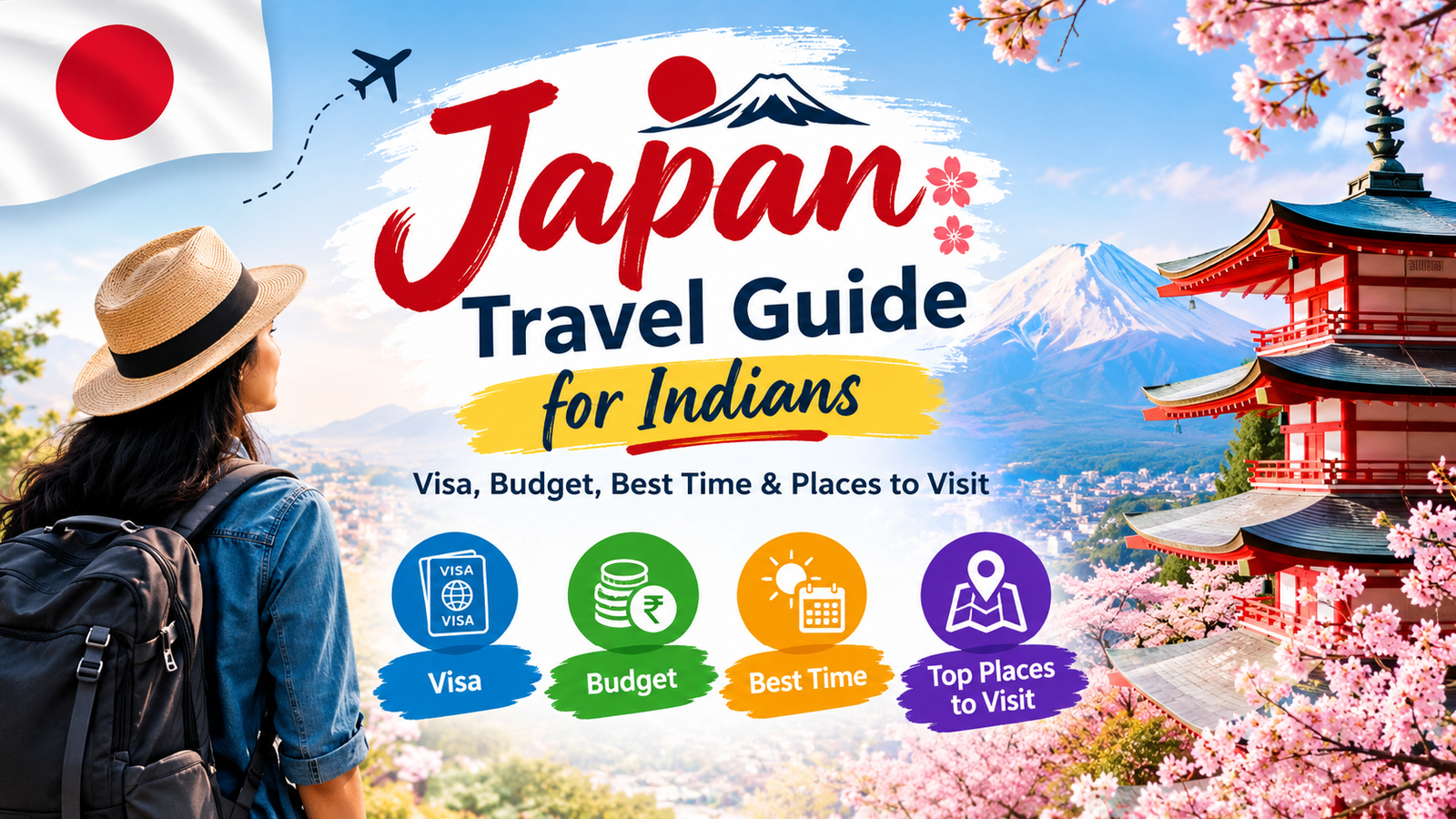
Japan Travel Guide for Indians: Visa, Budget, Best Time & Places to Visit

Japan is a destination where ancient traditions, futuristic cities, breathtaking landscapes and incredible food come together in one unforgettable journey.

For Indian travellers, Japan can feel exciting but also a little overwhelming at first. From understanding the visa process and choosing the right season to deciding between Tokyo, Kyoto, Osaka and Mount Fuji, there are several things to plan before your trip.

This complete Japan travel guide for Indians covers the essentials you need to know before planning your holiday—from visa requirements and travel budget to the best time to visit and the places worth adding to your itinerary.

And if you prefer having your hotels, transfers, sightseeing and itinerary planned together, a thoughtfully designed Japan holiday package can make the experience considerably easier.


Why Should Indians Visit Japan?

Japan offers a rare combination of experiences within a single country.

You can explore futuristic neighbourhoods in Tokyo, walk through historic streets in Kyoto, enjoy spectacular views of Mount Fuji, experience Osaka’s food culture and discover peaceful temples in Nara—all during the same holiday.

Japan is especially appealing to Indian travellers because it offers something for different types of travellers:

  • Couples looking for a memorable holiday
  • Families travelling internationally for the first time
  • Friends interested in food, shopping and entertainment
  • Culture enthusiasts
  • Photography lovers
  • Travellers looking for premium experiences
  • Budget-conscious travellers who still want to experience Japan properly

Travelexie’s Japan journeys are designed around this variety, with options ranging from value-focused itineraries to premium and longer-duration experiences.


Japan Visa for Indian Travellers

Indian nationals require a visa to enter Japan for tourism.

For travellers applying from India, the exact process and documentation can depend on the applicant’s circumstances and place of residence. The Consulate-General of Japan in Kolkata states that visa processing takes a minimum of 5 working days from submission, although processing can take longer and cannot be expedited according to an applicant’s travel schedule.

Japan also operates an eVISA system for eligible applicants in India. The Japan Consulate in Kolkata explains that eligible applicants can apply for a single-entry short-term tourist eVISA through the Japan Visa Application Centre, subject to the applicable requirements.

Commonly Required Documents

Depending on the visa application, travellers may need documents such as:

  • Valid passport
  • Visa application form
  • Recent photograph
  • Travel itinerary
  • Proof of accommodation
  • Financial documents
  • Flight-related information
  • Supporting employment or business documents where applicable

Visa requirements can change, so travellers should always verify the latest requirements with the official Japanese authorities before submitting an application.

If you would rather have professional support while preparing your travel documentation, Travelexie also provides visa assistance for international travellers.


How Much Does a Japan Trip Cost from India?

There is no single fixed price for a Japan holiday.

Your total cost depends on:

  • Flights
  • Travel season
  • Hotel category
  • Number of nights
  • Local transportation
  • Sightseeing
  • Food
  • Shopping
  • Visa-related expenses
  • Travel insurance
  • Private vs shared transfers
  • Special experiences

For Indian travellers, choosing the right itinerary can make a significant difference to the overall budget.

What Can You Expect from Travelexie?

One advantage of comparing packages is that travellers can choose an itinerary according to their preferred budget and travel style rather than starting from scratch.

Travelexie’s current Japan collection includes options such as:

Japan Budget Explorer
9 Nights / 10 Days — starting from ₹1,70,000

Japan Explorer: Osaka & Tokyo
6 Nights / 7 Days — starting from ₹1,59,999

Complete Japan Explorer with Bullet Train Experience
9 Nights / 10 Days — starting from ₹1,95,000

Japan Grand Tour
12 Nights / 13 Days — starting from ₹2,68,899

Prices and inclusions can change, so travellers should check the individual package page before booking.


Best Time to Visit Japan

One of Japan’s biggest attractions is that every season offers a completely different experience.

Spring — Cherry Blossom Season

Spring is one of the most popular times to visit Japan.

Cherry blossoms transform cities, parks and historic locations into spectacular landscapes. Tokyo, Kyoto and other popular destinations become particularly attractive during this season.

However, popularity also means higher demand, so travellers planning a spring trip should start planning early.


Summer — Festivals & Green Landscapes

Summer brings warm weather, colourful festivals and vibrant local events.

It can be a great option for travellers who enjoy outdoor experiences and Japanese summer culture.


Autumn — Colourful Japan

Autumn is one of the most beautiful seasons for sightseeing.

Red, orange and golden foliage creates spectacular scenery around temples, gardens and mountain regions.

For travellers who want beautiful landscapes without making cherry blossoms the main focus of their trip, autumn can be an excellent choice.


Winter — Snow, Illuminations & a Different Japan

Winter offers a completely different side of the country.

Snow-covered landscapes, winter illuminations, hot springs and seasonal experiences make Japan particularly attractive during the colder months.

Travelexie’s own recent winter travel guidance highlights Japan’s winter illuminations, snow experiences and quieter temple visits as some of the season’s attractions.

So, Which Season Is Best?

There is no universal answer.

Cherry blossoms: Spring
Autumn colours: Autumn
Snow & winter experiences: Winter
Festivals & summer atmosphere: Summer

The best season depends on what you actually want to experience.


Best Places to Visit in Japan

1. Tokyo

Tokyo is where traditional Japan meets the future.

From futuristic skylines and shopping districts to temples, food streets and neighbourhoods filled with Japanese culture, Tokyo offers an enormous variety of experiences.

Don’t miss:

  • Shibuya
  • Asakusa
  • Senso-ji
  • Shinjuku
  • Harajuku
  • Akihabara

2. Kyoto

If Tokyo represents modern Japan, Kyoto represents its timeless side.

Historic temples, traditional streets, shrines and cultural experiences make Kyoto one of the most important stops for first-time visitors.

Popular experiences include:

  • Fushimi Inari
  • Gion
  • Traditional streets
  • Historic temples
  • Japanese cultural experiences

3. Mount Fuji

Mount Fuji is arguably Japan’s most iconic natural landmark.

The mountain and surrounding region offer spectacular scenery and are particularly popular with photographers and first-time visitors.

A well-planned itinerary can combine Mount Fuji with nearby Hakone for a scenic break between Japan’s major cities.


4. Osaka

Osaka is energetic, friendly and famous for its food culture.

From Dotonbori’s bright streets to shopping areas and historic attractions, Osaka adds a completely different atmosphere to a Japan itinerary.


5. Nara

Nara is perfect for travellers who want a slower cultural experience.

Its temples, traditional surroundings and famous deer make it one of Japan’s most memorable day-trip destinations.


6. Hokkaido

For travellers looking beyond the classic Tokyo–Kyoto–Osaka route, Hokkaido offers snowy landscapes, nature and seasonal experiences.

It is particularly attractive during winter.


How Many Days Do You Need in Japan?

For a first trip, 7–10 days can provide a good introduction to Japan.

A typical first-time route could look like:

Tokyo → Mount Fuji/Hakone → Kyoto → Nara → Osaka

For travellers with more time, a 10–14 day journey allows more relaxed exploration and additional destinations.

Travelexie’s current Japan collection includes both shorter city-focused holidays and longer journeys, allowing travellers to choose based on available time and budget.


Japan Package vs Planning Everything Yourself

This is where travellers should compare more than just the headline price.

A DIY Japan trip gives you complete flexibility, but you also have to manage:

  • Hotels
  • Transfers
  • Intercity transportation
  • Sightseeing
  • Daily planning
  • Local logistics
  • Visa preparation
  • Unexpected changes

A travel agency package can simplify much of this planning.

However, not every package is the same.

What Should You Compare?

Before booking any Japan tour, compare:

1. Number of nights
A cheaper package may simply have fewer nights.

2. Hotel category
Check exactly what type of accommodation is included.

3. Transfers
Understand whether airport and intercity transfers are private, shared or self-managed.

4. Sightseeing
Check which attractions are actually included.

5. Transportation
Japan’s transportation system is excellent, but transportation costs can add up quickly.

6. Meals
Check whether breakfast or other meals are included.

7. Visa assistance
Some travellers prefer having professional support with the application process.

8. Customisation
A fixed group itinerary and a personalised journey are very different products.


Why Consider Travelexie for Your Japan Trip?

Many travel agencies sell Japan packages. The important question is not simply:

“Who has the cheapest package?”

Instead, ask:

“Which travel company offers the right combination of itinerary, support, flexibility and value for my trip?”

Travelexie’s Japan offering is positioned around personalised travel rather than simply selling one standard itinerary.

The company’s Japan page highlights:

  • India-focused travel expertise
  • Japan destination knowledge
  • Curated experiences
  • Personalised journeys
  • Dedicated support

The Japan collection also includes multiple itinerary styles—from budget-focused journeys to premium experiences and longer Japan explorations.

For example, travellers can choose between shorter Tokyo–Osaka experiences, budget explorer routes, classic Japan itineraries, bullet-train experiences and longer Grand Tour journeys.

That makes the comparison more useful than simply comparing one package price against another agency’s package price.


Travelexie vs a Typical Japan Package

What to CompareTypical Fixed PackageTravelexie
ItineraryOften pre-definedMultiple itinerary styles
Trip DurationUsually fixedMultiple duration options
BudgetLimited package choicesBudget to premium options
DestinationsSelected standard routeTokyo, Kyoto, Osaka, Fuji, Nara & more
CustomisationDepends on agencyPersonalised journeys available
Indian Traveller FocusVariesIndia-focused Japan planning
Visa SupportDepends on providerVisa assistance available
Travel SupportDepends on packageDedicated travel support
Booking StylePackage-focusedCurated & personalised journeys

The goal isn’t simply to find the cheapest Japan holiday.

The goal is to find a journey that matches your budget, interests, travel style and expectations.


Is Japan Worth Visiting for Indian Travellers?

Absolutely.

Japan offers an unusual combination of:

Ancient culture + modern cities + natural beauty + incredible food + efficient transportation + four distinct seasons.

Whether you want a first international family holiday, a romantic trip, a cultural experience or a premium Japan escape, the destination can be adapted to different travel styles.

And with the right planning, Japan doesn’t have to feel complicated.


Final Japan Travel Checklist for Indians

Before you leave India, make sure you have:

☐ Valid passport
☐ Appropriate Japan visa
☐ Confirmed flights
☐ Hotel/accommodation details
☐ Travel insurance
☐ Travel itinerary
☐ Important travel documents
☐ International payment method
☐ Some Japanese yen
☐ Mobile connectivity/eSIM
☐ Emergency contact information

Always check the latest official Japanese visa and entry requirements before travelling because immigration and visa rules can change.


Plan Your Japan Journey with Travelexie

Japan doesn’t need to be a complicated trip.

From Tokyo’s futuristic streets and Kyoto’s timeless temples to Mount Fuji’s iconic landscapes and Osaka’s vibrant food culture, the right itinerary can turn your first Japan trip into an experience you’ll remember for years.

Whether you’re looking for a budget-friendly Japan holiday, a classic Tokyo–Kyoto–Osaka itinerary, a longer Japan exploration or a more personalised premium journey, Travelexie offers multiple ways to experience Japan.

Ready to plan your Japan holiday from India?

Explore Travelexie’s Japan journeys and find an itinerary designed around your travel style, interests and budget.

Your Japan story starts here.

South Africa Landscapes: Mountains, Valleys & Extraordinary Scenery

South Africa is a destination where every journey reveals a new landscape. From dramatic mountain ranges and deep green valleys to rugged coastlines, waterfalls, forests, and vast open plains, the country offers an incredible variety of scenery. A journey through South Africa is not only about wildlife and cities—it is also an opportunity to discover some of the most spectacular natural landscapes in the country.

Discover the Dramatic Panorama Route

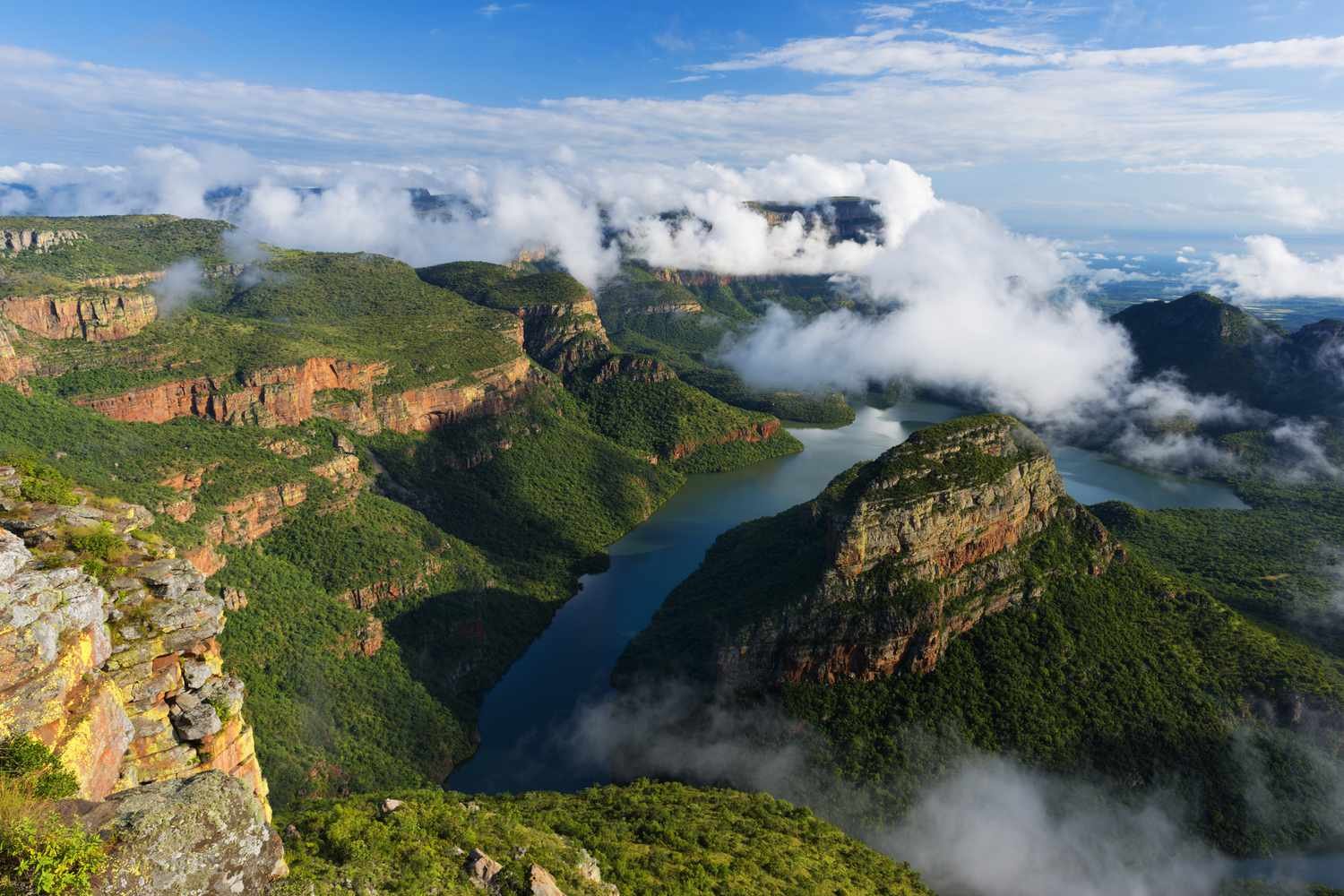
One of the best ways to experience South Africa’s natural beauty is by exploring the Panorama Route in Mpumalanga. This scenic journey takes travellers through dramatic mountain landscapes and spectacular viewpoints.

The famous Blyde River Canyon is one of the major highlights. Surrounded by cliffs, vegetation, and winding waterways, the canyon offers breathtaking panoramic views and opportunities for memorable photographs.

Another popular viewpoint is God’s Window, where elevated viewpoints provide sweeping views across the Lowveld landscape. On clear days, the scenery stretches far into the distance, creating an unforgettable experience.

Explore Bourke’s Luck Potholes

The geological formations at Bourke’s Luck Potholes demonstrate the power of water and natural erosion. Over thousands of years, swirling river currents have carved unusual cylindrical rock formations into the landscape.

Walking around the viewpoints and bridges allows visitors to appreciate the fascinating formations from different angles.

Experience Spectacular Waterfalls

The Mpumalanga region is also known for its beautiful waterfalls. Lisbon Falls and Berlin Falls are among the scenic stops that can be included while exploring the region.

Surrounded by green vegetation and rugged terrain, these waterfalls provide peaceful places to stop, enjoy the scenery, and capture photographs.

From Mountains to the Coast

South Africa’s landscapes extend far beyond the Panorama Route. In Cape Town, the combination of Table Mountain, the Atlantic Ocean, and the rugged Cape Peninsula creates one of the country’s most recognisable natural settings.

The journey towards Cape Point features dramatic coastal cliffs, ocean views, mountain roads, and beautiful stretches of coastline. Chapman’s Peak Drive is another spectacular route, offering breathtaking views where mountains meet the sea.

Landscapes That Change With Every Journey

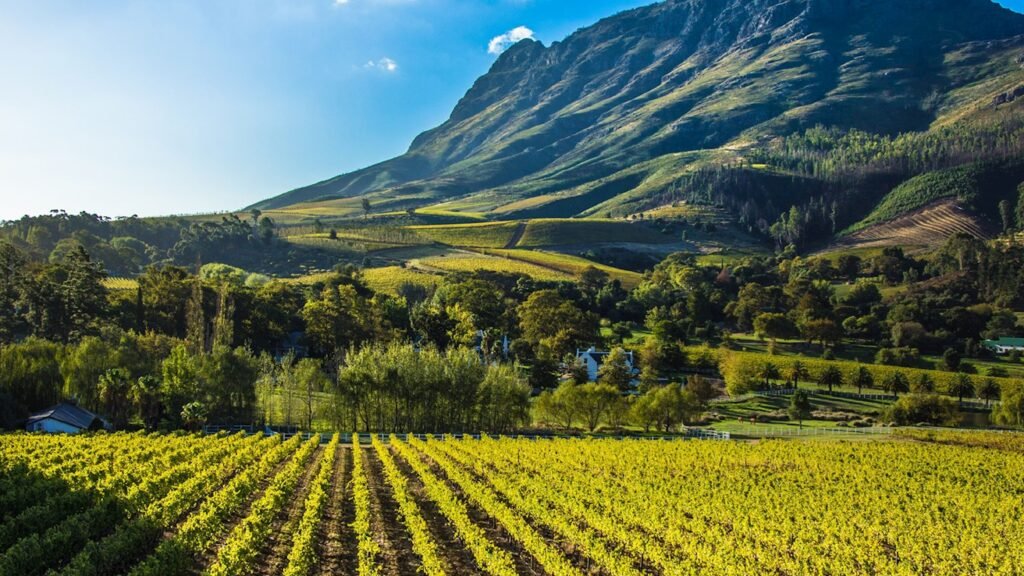
One of the most fascinating aspects of travelling through South Africa is the variety of landscapes encountered along the way. A single itinerary can take travellers from coastal scenery and mountains to vineyards, forests, valleys, waterfalls, and expansive wildlife reserves.

This diversity makes road journeys and scenic tours an important part of experiencing the country.

Plan Your South Africa Scenic Escape

For travellers who love photography, nature, road trips, and breathtaking views, South Africa offers countless opportunities to explore beyond the ordinary. The Panorama Route, Blyde River Canyon, God’s Window, Cape Point, and the country’s spectacular coastal and mountain scenery showcase just how diverse its natural environment can be.

Whether you are travelling for wildlife, adventure, relaxation, or simply the joy of discovering beautiful places, South Africa’s landscapes can become some of the most memorable parts of your journey.

Travel beyond the ordinary with Travelexie and discover the mountains, valleys, coastlines, and extraordinary scenery of South Africa.

Japan After Dark: The World of Neon Streets, Night Food & Late-Night Culture

Japan changes character after sunset.

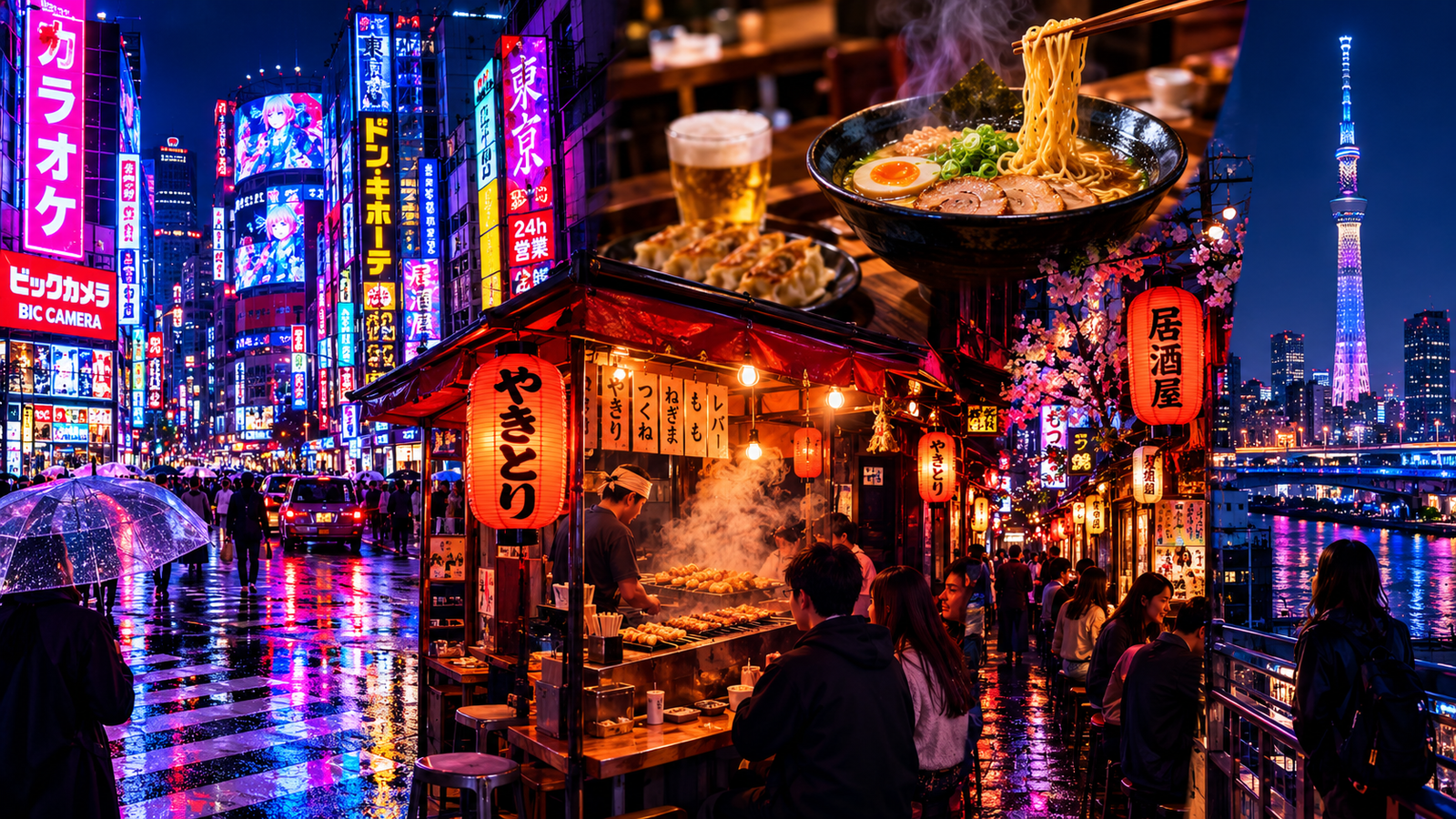
Tokyo’s streets begin glowing with neon. Osaka’s food districts come alive. Small restaurants fill with conversation, while convenience stores remain brightly lit late into the night.

For travellers, Japan after dark offers a completely different way to experience the country.

Beyond temples, gardens and daytime sightseeing, Japanese cities have a vibrant night-time culture built around food, entertainment, socialising and simply exploring the streets.

Tokyo After Dark

Tokyo is one of the world’s most fascinating cities at night.

Areas such as Shibuya become illuminated by enormous digital screens and neon signs, while districts such as Shinjuku reveal a completely different atmosphere after sunset.

You can walk through busy streets, discover tiny restaurants, explore late-night shopping areas or simply watch the city move around you.

Tokyo’s scale means that even after several nights, there is always another neighbourhood to discover.

Osaka: Japan’s Food Capital After Sunset

If Tokyo is famous for its energy, Osaka is particularly known for its food culture.

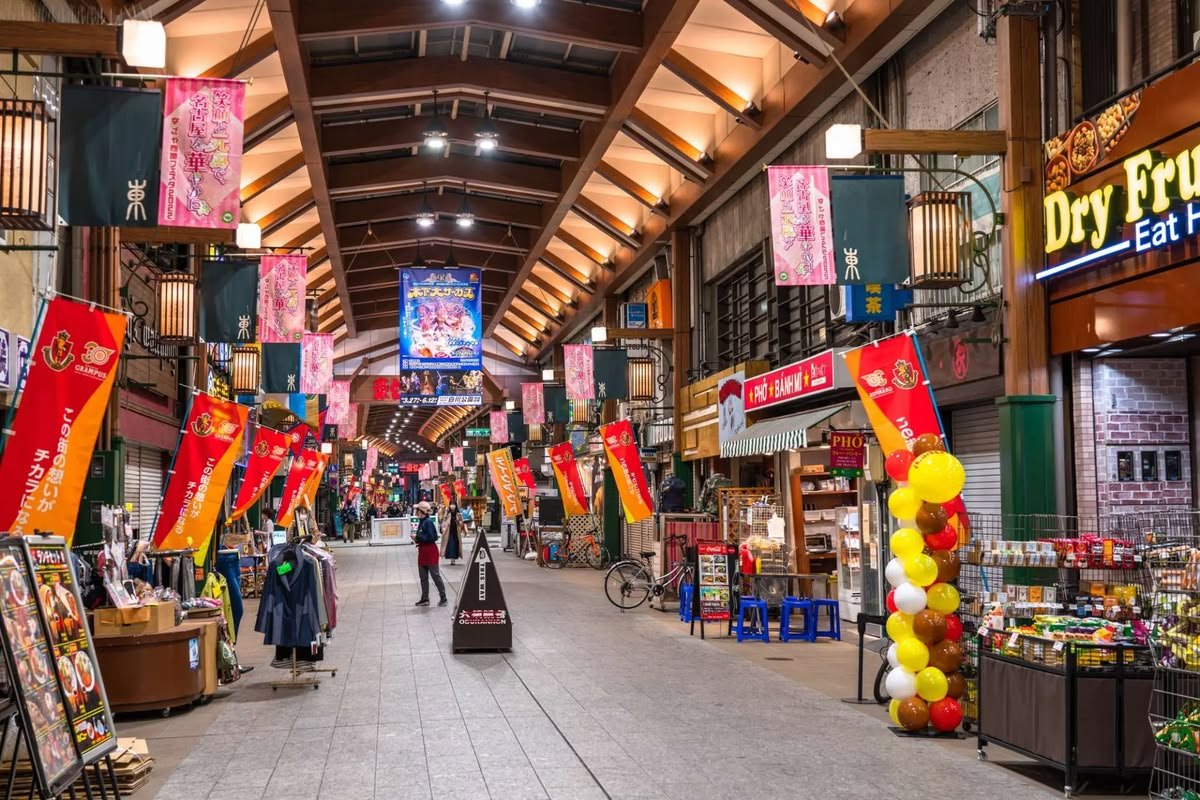
The Dotonbori area is one of the city’s most recognisable night-time destinations.

Bright signs, restaurants and street-food spots create a lively atmosphere that makes Osaka especially enjoyable after dark.

From takoyaki to okonomiyaki and other local dishes, food is a major part of experiencing Osaka at night.

The Izakaya Experience

One of the most authentic ways to experience Japanese nightlife is through an izakaya.

An izakaya is a casual Japanese establishment where people gather for food and drinks.

Many are small and intimate, with simple interiors and menus featuring a variety of dishes.

For travellers, an izakaya can provide a glimpse into everyday Japanese social culture.

It is less about a formal meal and more about sharing food, conversation and time together.

Japan’s Late-Night Food Culture

Japan has an impressive range of late-night food options.

Depending on the city, you may find:

  • Ramen shops
  • Yakitori restaurants
  • Convenience stores
  • Izakayas
  • Street-food stalls
  • Small local eateries

Late-night ramen is particularly iconic.

After a long evening of exploring, sitting down for a warm bowl of ramen can become one of those simple travel moments you remember long after returning home.

The Convenience Store Experience

Japan’s convenience stores, or konbini, deserve a mention of their own.

Stores such as these are found throughout Japanese cities and neighbourhoods, often offering food, drinks, snacks and everyday essentials.

For visitors, exploring a Japanese convenience store can surprisingly become part of the travel experience.

From rice balls and sandwiches to seasonal snacks and desserts, there is always something new to discover.

Night Walks Through Traditional Japan

Japan’s nightlife isn’t only about neon.

Some of the most beautiful evening experiences can be found in quieter historic neighbourhoods.

In cities such as Kyoto, walking through traditional streets after sunset can offer a completely different atmosphere from the daytime.

Soft lighting, wooden buildings and quiet lanes create a sense of timelessness.

This is where the contrast between modern and traditional Japan becomes especially striking.

Japan’s Nighttime Etiquette

While exploring Japan at night, travellers should remember that many residential areas are quiet and peaceful.

Being respectful of local communities is important.

Avoid excessive noise, follow local rules and be mindful when photographing people or private spaces.

Japan’s famous efficiency and cleanliness are supported by everyday social etiquette, so respectful behaviour helps make the experience better for everyone.

Is Japan Safe at Night?

Japan is widely known for its orderly public spaces and extensive transport networks, but normal travel precautions still apply.

Keep your belongings secure, pay attention to the last train times and check transport schedules before heading far from your accommodation.

Planning a little in advance can help you enjoy the night without unnecessary stress.

The Magic of Japan After Dark

Japan’s night-time world shows another side of the country.

It is energetic without always being chaotic, modern without losing its traditions, and full of small experiences that may never appear on a typical sightseeing list.

Sometimes the best travel memories aren’t made at a famous landmark.

They happen while walking through a glowing street, discovering a tiny restaurant, trying a new dish or simply watching a Japanese city come alive after sunset.

Japan is waiting beyond daylight.

With Travelexie, discover a Japan that goes beyond the usual itinerary—from historic streets and traditional culture to neon cities, incredible food and unforgettable nights.

10 Fascinating Japanese Traditions That Still Shape Modern Japan

Japan is often described as a country where the past and future exist side by side.

In one moment, you can find yourself surrounded by skyscrapers, bullet trains and cutting-edge technology. A short journey later, you may be standing in front of a centuries-old temple or walking through a quiet traditional neighbourhood.

What makes Japan particularly fascinating is that its traditions have not simply disappeared with modernisation. Many continue to influence everyday life.

Here are 10 Japanese traditions and cultural practices that remain an important part of modern Japan.

1. The Art of Bowing

Bowing is one of the most recognisable aspects of Japanese culture.

It can be used when greeting someone, showing appreciation, apologising or expressing respect.

The depth and duration of a bow can vary depending on the situation and level of formality.

For visitors, understanding this simple cultural practice offers an introduction to the importance Japan places on respect and social etiquette.

2. The Philosophy of Omotenashi

Omotenashi is often translated as Japanese hospitality.

But the idea goes beyond simply providing good service.

It is about anticipating the needs of another person and creating a thoughtful experience without necessarily expecting anything in return.

You can see elements of this philosophy in hotels, restaurants, shops and traditional Japanese hospitality.

3. The Japanese Tea Ceremony

The Japanese tea ceremony, known as chanoyu or sado, is much more than drinking tea.

It combines preparation, movement, hospitality and mindfulness.

Every element—from the utensils to the surroundings—can have cultural meaning.

For travellers, experiencing a traditional tea ceremony can provide a glimpse into a slower and more deliberate side of Japanese culture.

4. Removing Shoes Indoors

Visitors will often notice that shoes are removed before entering certain homes, traditional accommodations and other spaces.

This practice is closely connected with cleanliness and respect for indoor spaces.

Traditional Japanese homes often have a clear distinction between outdoor and indoor environments, making the custom an important part of everyday etiquette.

5. Onsen Culture

Japan’s hot springs, known as onsen, have been part of Japanese culture for centuries.

For many people, visiting an onsen is not simply about relaxation. It is also a cultural experience.

Visitors should understand the basic etiquette before entering, including washing before entering the bath and following the rules of the individual facility.

A peaceful onsen experience can be one of the most memorable parts of a Japan journey.

6. Seasonal Festivals

Japan’s calendar is filled with festivals and seasonal celebrations.

From colourful summer festivals to traditional New Year customs and autumn celebrations, these events connect communities with local history and nature.

Cherry blossom season is perhaps the most internationally famous example, but every season offers its own cultural experiences.

7. Respect for Nature

Japan’s traditional culture has a deep connection with nature.

This can be seen in gardens, temples, seasonal celebrations and traditional architecture.

The changing seasons often play an important role in Japanese aesthetics.

Spring flowers, summer greenery, autumn colours and winter landscapes each create their own atmosphere.

8. Traditional Japanese Architecture

Even in modern cities, traditional architectural influences remain visible.

Wooden structures, sliding doors, tatami rooms, gardens and minimalist interiors can still be found in historic neighbourhoods, temples, ryokans and cultural sites.

Visiting Kyoto, Nara or other historic areas provides an opportunity to experience this side of Japan.

9. Traditional Food Culture

Japanese cuisine is deeply connected with seasonality, presentation and local ingredients.

Sushi and ramen may be globally famous, but Japan’s culinary world goes far beyond them.

Regional dishes, traditional sweets, seasonal ingredients and carefully prepared meals reveal how food can become an expression of culture.

For travellers, exploring Japanese food can be a journey in itself.

10. The Concept of “Mottainai”

The Japanese word mottainai expresses a sense of regret over waste and encourages appreciation for resources.

The idea reflects a broader cultural emphasis on using things carefully and avoiding unnecessary waste.

It is another example of how traditional values can continue to influence modern attitudes.

Where Tradition Meets the Future

Perhaps the most fascinating thing about Japan is that tradition and modernity are not necessarily opposites.

You can travel on one of the world’s most advanced railway systems and arrive at a centuries-old temple.

You can spend the afternoon exploring a futuristic district and the evening staying in a traditional ryokan.

You can experience a modern Japanese city while still discovering customs that have been passed down through generations.

That contrast is part of what makes Japan so captivating.

Experience Japan Beyond the Tourist Attractions

A trip to Japan becomes even more meaningful when you look beyond famous landmarks.

Take time to understand the customs, try traditional food, visit historic neighbourhoods and experience the slower moments between destinations.

Because Japan is not only a country to see.

It is a culture to experience.

Planning your Japan journey?

Discover Japan with Travelexie and experience the country’s historic cities, modern energy, traditional culture and unforgettable landscapes.

HIROSHIMA — A CITY OF PEACE AND HOPE

HIROSHIMA — A CITY OF PEACE AND HOPE

Hiroshima is a city with a powerful history and a remarkable spirit of renewal. Today, it is known not only for its past, but also for its peaceful atmosphere, beautiful landscapes, cultural heritage, and message of hope. A visit to Hiroshima offers travellers an opportunity to reflect, learn, and experience a deeply meaningful side of Japan.

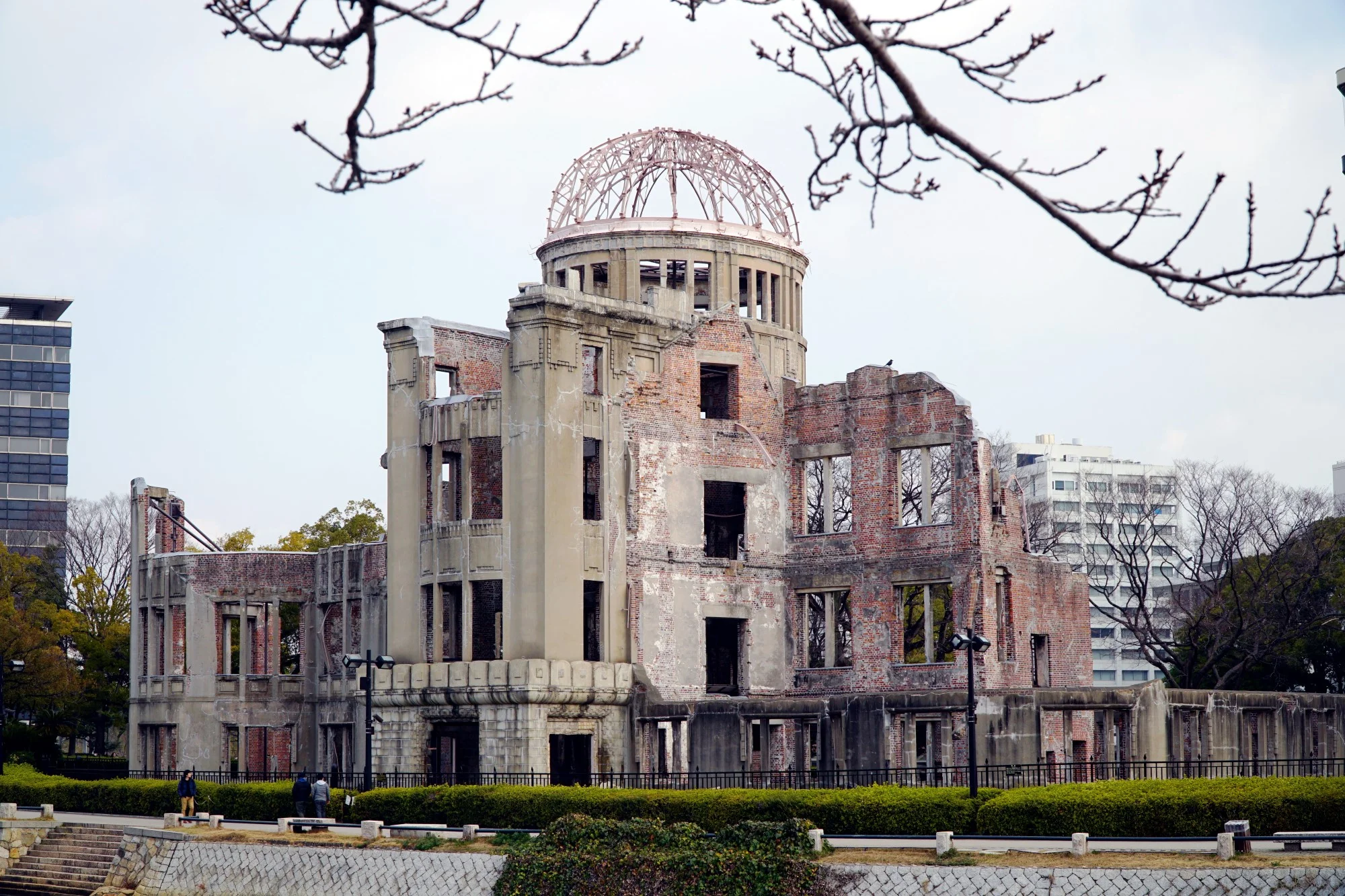
At the centre of the city is the Hiroshima Peace Memorial Park, a peaceful green space dedicated to remembering the victims of the atomic bombing of 1945. The Atomic Bomb Dome, one of Hiroshima’s most recognizable landmarks, remains standing as a symbol of the city’s history. The Peace Memorial Museum provides historical information and personal accounts that help visitors understand the human impact of the event.

While Hiroshima carries this important history, the modern city is vibrant and welcoming. Wide streets, rivers, cafés, restaurants, shopping areas, and lively neighbourhoods show how the city has rebuilt and developed over the decades.

Hiroshima is also famous for its local cuisine. One of the city’s signature dishes is Hiroshima-style okonomiyaki, prepared in layers with ingredients such as cabbage, noodles, batter, and other toppings. Exploring the local food scene is an excellent way to experience the city’s everyday culture.

A short journey from central Hiroshima takes travellers to Miyajima, one of Japan’s most beautiful island destinations. The island is famous for Itsukushima Shrine and its iconic torii gate, which appears to float above the water during high tide. Surrounded by mountains and sea, Miyajima combines spiritual heritage with spectacular natural scenery.

Visitors can explore the island’s traditional streets, enjoy local seafood and snacks, discover peaceful temples, or hike through the surrounding hills. The contrast between Hiroshima’s urban environment and Miyajima’s natural beauty makes the combination especially memorable.

Hiroshima also offers beautiful seasonal experiences. Spring brings cherry blossoms to parks and temple grounds, while autumn colours transform the surrounding mountains. The region’s mild atmosphere and scenic waterways make it enjoyable throughout much of the year.

What makes Hiroshima unique is the way history and modern life exist together. Its past is never forgotten, but the city also looks forward with a strong message of peace and hope.

For travellers exploring Japan, Hiroshima provides more than sightseeing. It offers a chance to understand an important part of Japanese history while discovering a city that has rebuilt itself into a destination filled with culture, nature, food, and warmth.

Hiroshima is a journey through memory, resilience, beauty, and hope—a place that stays with you long after you leave.

HOKKAIDO — JAPAN’S WILD ESCAPE

HOKKAIDO — JAPAN’S WILD ESCAPE

Hokkaido offers a completely different side of Japan. Located in the northernmost part of the country, this vast island is known for its dramatic landscapes, snowy mountains, peaceful countryside, vibrant cities, and incredible seasonal beauty. For travellers looking to experience Japan beyond its famous urban destinations, Hokkaido feels like a refreshing escape into nature.

The island is especially famous for its winter landscapes. Heavy snowfall transforms Hokkaido into a spectacular white wonderland, attracting travellers from around the world for skiing, snowboarding, and winter experiences. Niseko is one of the region’s most popular destinations, known for its powder snow and mountain scenery.

Winter also brings one of Hokkaido’s most magical experiences—the Sapporo Snow Festival. Giant snow and ice sculptures transform the city into a spectacular winter attraction, combining creativity, entertainment, and Japanese culture.

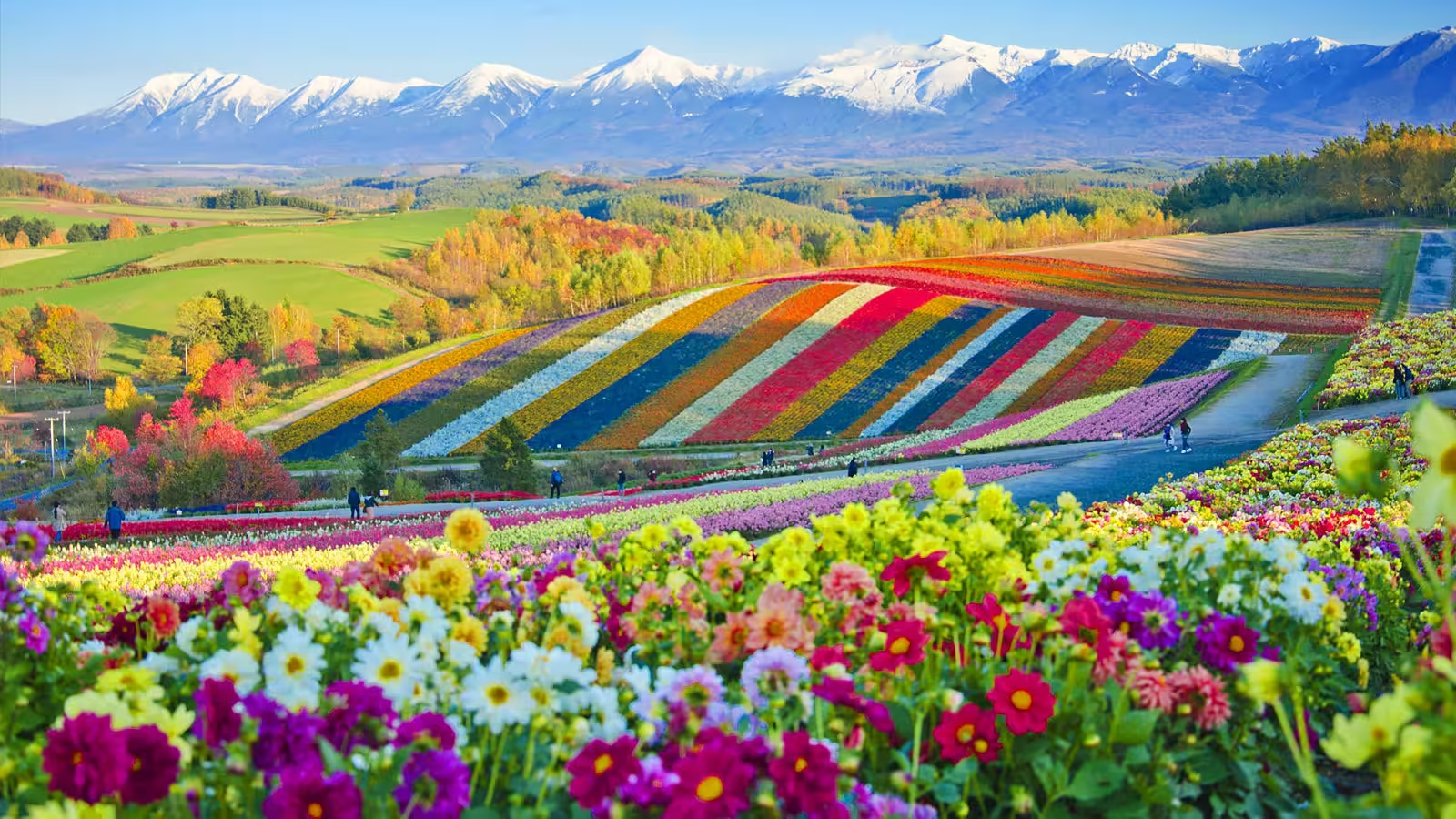
But Hokkaido is not only a winter destination. During summer, the island bursts into colour. The lavender fields of Furano become one of the region’s most photographed landscapes, while Biei is known for rolling hills, colourful flower fields, and peaceful countryside roads.

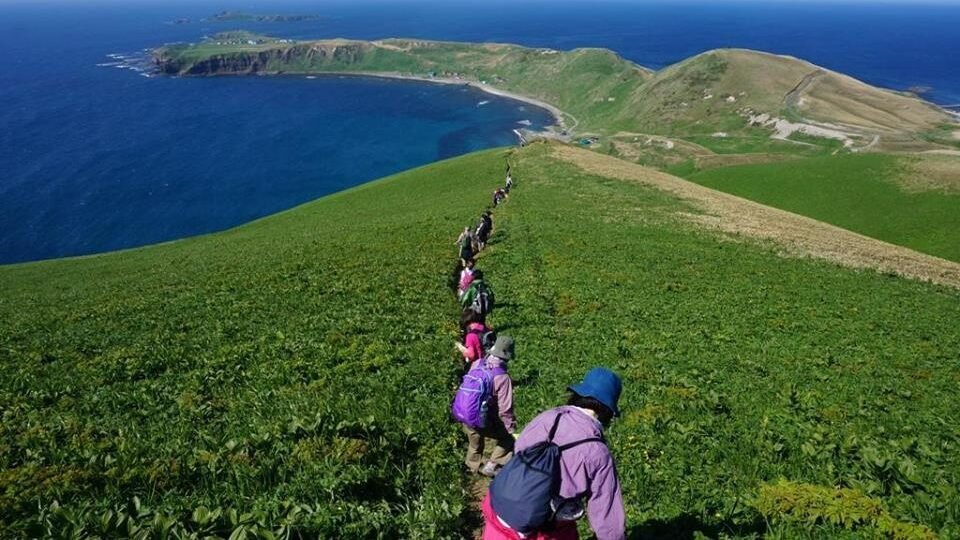
Hokkaido’s natural beauty extends far beyond its famous towns. Daisetsuzan National Park, Japan’s largest national park, offers mountains, forests, alpine landscapes, and hiking opportunities. The region is ideal for travellers who want to explore Japan’s wilder side and spend time surrounded by open landscapes.

Food is another major reason to visit Hokkaido. The island is celebrated for its fresh seafood, rich dairy products, creamy desserts, ramen, and regional specialities. Sapporo miso ramen, fresh crab, sea urchin, salmon, and locally produced milk and cheese are just some of the flavours that make Hokkaido a favourite among food lovers.

The island also offers a slower way of travelling. Scenic train journeys, countryside drives, peaceful lakes, hot springs, and traditional onsen allow visitors to step away from the pace of Japan’s major cities.

Hokkaido changes dramatically throughout the year. Winter brings snow-covered mountains, spring introduces fresh greenery, summer fills the countryside with flowers, and autumn paints forests and mountain landscapes in warm shades of red and gold.

What makes Hokkaido special is its sense of space. The landscapes feel expansive, the air feels fresh, and the connection with nature is impossible to miss. From snowy mountain adventures to quiet countryside escapes, every season offers a different reason to explore.

Hokkaido is where Japan feels wild, open, peaceful, and beautifully untamed—a journey for travellers who want to discover nature at its most spectacular.

NARA — WHERE NATURE MEETS TRADITION

NARA — WHERE NATURE MEETS TRADITION

Just a short journey from Kyoto and Osaka, Nara offers a peaceful escape into one of Japan’s most historic destinations. Known for its ancient temples, beautiful parks, traditional streets, and freely roaming deer, Nara creates a slower and more intimate experience of Japan.

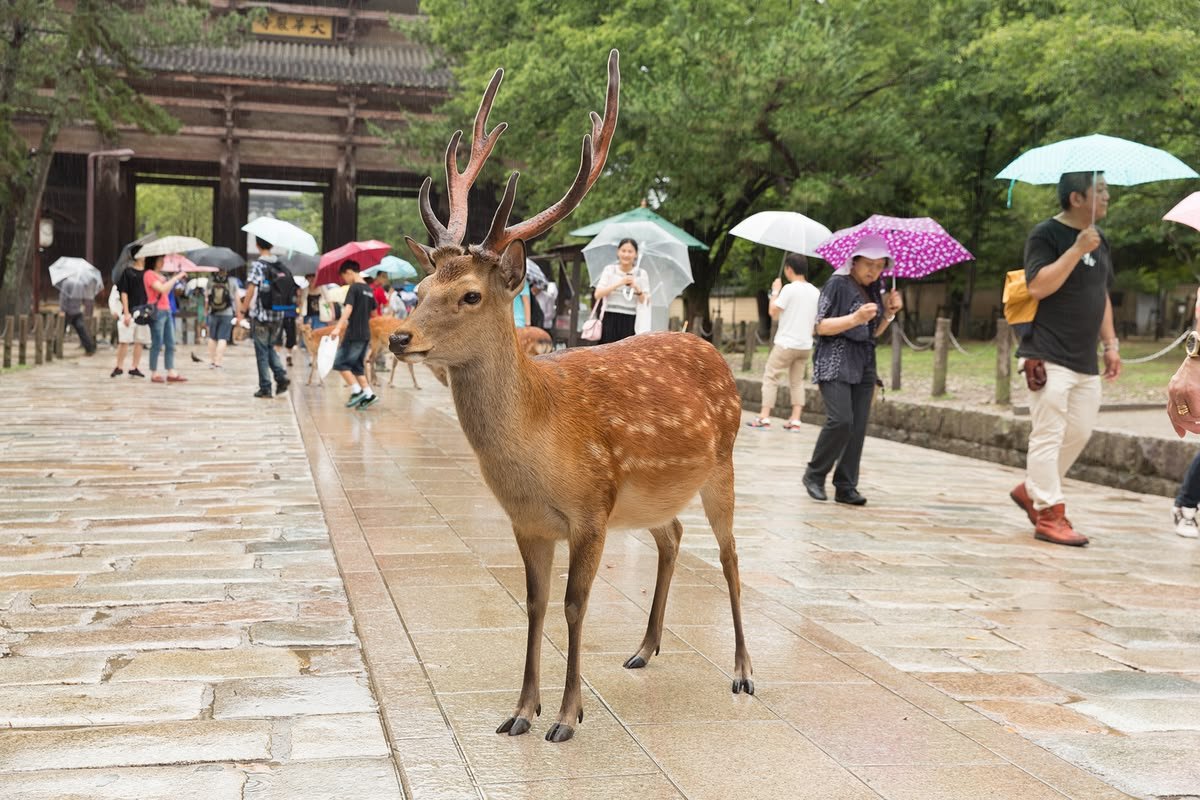
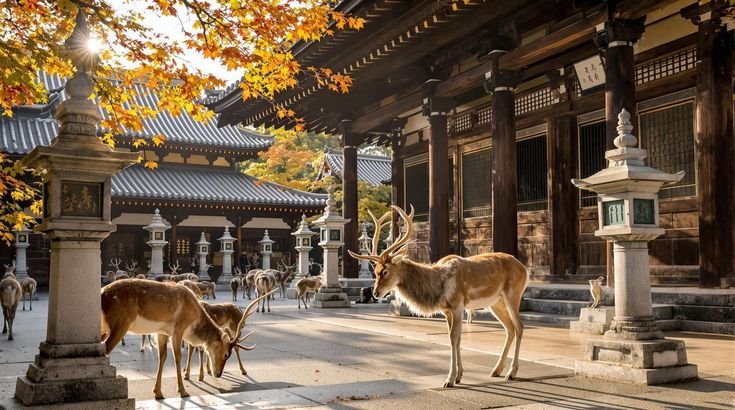
The heart of Nara is Nara Park, a vast green space where hundreds of friendly deer wander freely among visitors. These deer have become one of the city’s most famous symbols and are deeply connected with the area’s cultural history. Walking through the park while surrounded by nature and deer is an experience that feels completely different from Japan’s busy metropolitan cities.

Nara is also home to some of Japan’s most important historic landmarks. Todai-ji Temple is particularly remarkable for its enormous wooden structure and the famous Great Buddha statue housed inside. The scale and craftsmanship of the temple offer a powerful glimpse into Japan’s architectural and spiritual heritage.

Another unforgettable experience is walking through the paths around Kasuga Taisha, a historic Shinto shrine surrounded by forest. Stone lanterns line the peaceful routes, while moss-covered surroundings and towering trees create a serene atmosphere.

Beyond the major landmarks, Nara is a wonderful city to explore on foot. Traditional streets, small cafés, local shops, gardens, and historic buildings make wandering through the city feel like stepping into another era. Unlike the fast pace of Tokyo or the bustling streets of Osaka, Nara encourages visitors to slow down and appreciate the details.

Nara’s connection with Japanese history is especially significant. The city served as Japan’s capital during the 8th century, a period when Buddhism, art, architecture, and culture developed rapidly. Many of the temples and cultural treasures found here reflect this important chapter in Japan’s history.

Seasonal beauty makes Nara even more memorable. Cherry blossoms transform the parks in spring, while autumn brings warm colours to the surrounding forests and temple grounds. Early mornings can be especially peaceful, with soft light falling across the park and historic architecture.

Nara is also easy to combine with a wider Japan itinerary. Its location makes it a convenient day trip from Kyoto or Osaka, allowing travellers to experience ancient temples and natural landscapes without needing a long stay.

What makes Nara special is the balance between history, nature, and everyday Japanese life. Here, centuries-old temples stand among forests, deer walk peacefully through the streets, and visitors can experience Japan at a gentler pace.

Nara is where Japan’s history feels close, nature feels peaceful, and every quiet path leads to something timeless.

MOUNT FUJI — JAPAN’S TIMELESS ICON

MOUNT FUJI — JAPAN’S TIMELESS ICON

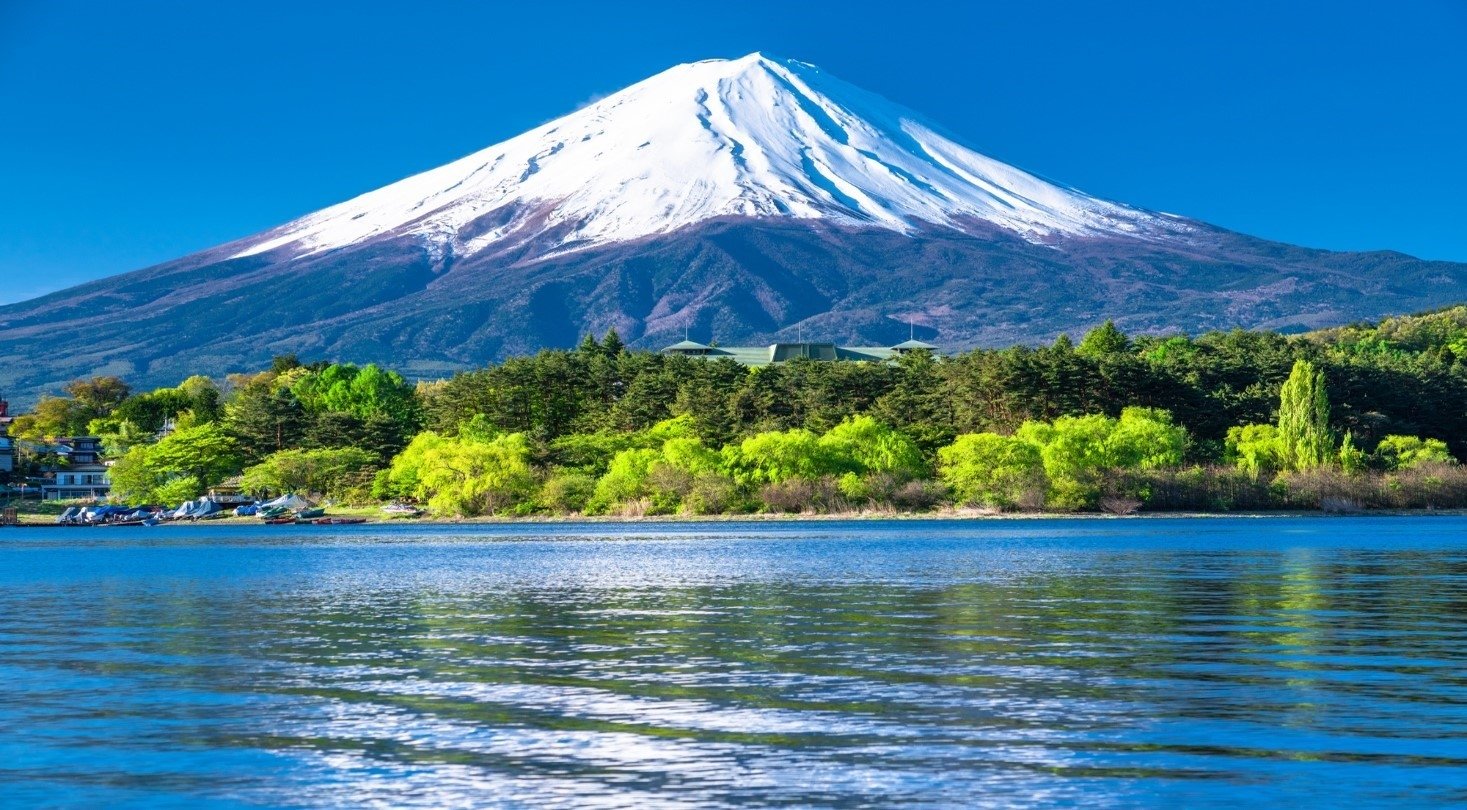
Standing at 3,776 metres above sea level, Mount Fuji is one of Japan’s most recognizable landmarks and a powerful symbol of the country’s natural beauty. Its perfectly shaped volcanic peak has inspired artists, photographers, poets, and travellers for centuries.

Located between Tokyo and Kyoto, Mount Fuji offers far more than a beautiful view. The surrounding region is filled with lakes, forests, traditional villages, hot springs, and scenic viewpoints that allow travellers to experience a quieter and more natural side of Japan.

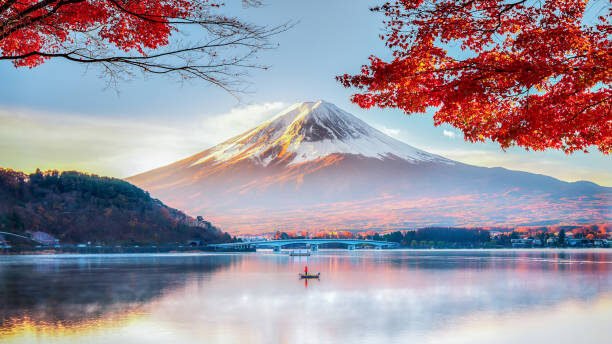
The Fuji Five Lakes region is one of the best places to admire the mountain. Lake Kawaguchi, in particular, offers spectacular views of Fuji reflected across the water on clear days. During spring, cherry blossoms frame the mountain, while autumn brings colourful foliage to the surrounding landscape.

For adventure seekers, climbing Mount Fuji is a memorable experience. The official climbing season is generally during Japan’s summer months, when the mountain trails are accessible. Watching the sunrise from higher elevations can be a remarkable part of the journey, although climbing requires preparation and appropriate weather conditions.

Those who prefer a more relaxed experience can explore the many viewpoints around the mountain. Scenic lakesides, peaceful parks, traditional streets, and countryside roads create countless opportunities for photography and sightseeing.

Mount Fuji also has a deep connection with Japanese culture. The mountain has long been considered sacred and has appeared extensively in Japanese art and literature. Its presence represents more than physical beauty—it reflects ideas of nature, spirituality, strength, and harmony.

The surrounding area also offers opportunities to experience traditional Japanese life. Visitors can enjoy onsen hot springs, stay in traditional ryokan, explore local villages, and taste regional dishes while enjoying views of the mountain.

Every season presents Fuji differently. Spring brings cherry blossoms, summer creates clear green landscapes, autumn adds warm colours, and winter often provides the clearest views of its snow-covered summit.

What makes Mount Fuji unforgettable is the sense of scale and calm it creates. Whether viewed from a quiet lakeside, a traditional village, or from the window of a passing train, its presence immediately feels iconic.

Mount Fuji is not simply a mountain to visit—it is a landscape to experience, a symbol to remember, and one of the moments that makes a journey through Japan truly unforgettable.

KYOTO — WHERE TRADITION LIVES

KYOTO — WHERE TRADITION LIVES

Kyoto is the soul of traditional Japan—a city where ancient temples, peaceful gardens, wooden streets, and timeless customs create an atmosphere unlike anywhere else. Once Japan’s imperial capital, Kyoto continues to preserve centuries of history while welcoming travellers from around the world.

One of Kyoto’s most iconic experiences is visiting its historic temples and shrines. Fushimi Inari Taisha, famous for its thousands of vibrant torii gates, creates a remarkable pathway through the forest. Kinkaku-ji, the Golden Pavilion, reflects beautifully across its surrounding pond, while Kiyomizu-dera offers sweeping views over Kyoto from its famous wooden terrace.

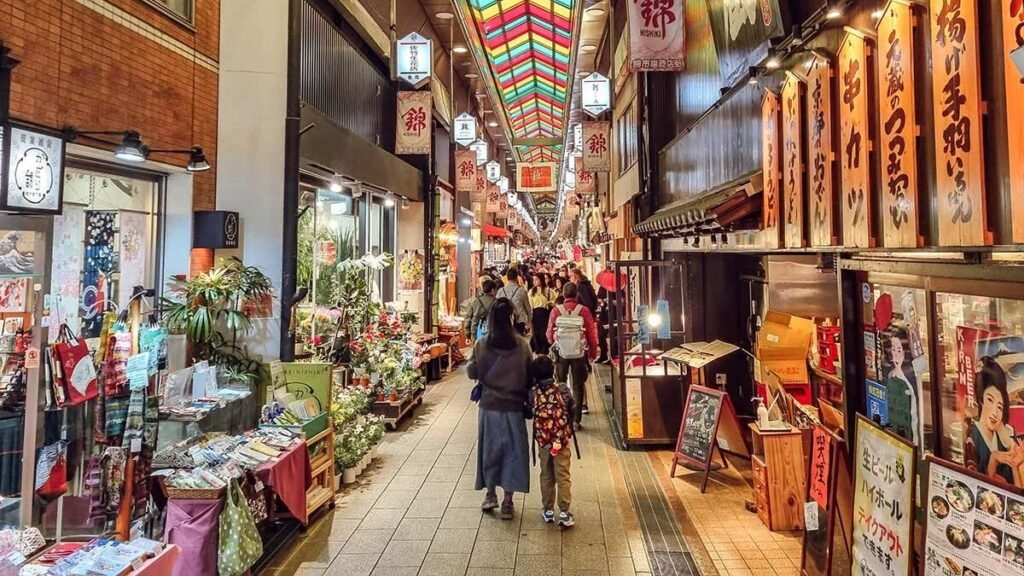
Beyond its famous landmarks, Kyoto is best experienced by simply walking through its traditional neighbourhoods. The narrow streets of Gion are lined with wooden machiya houses, small restaurants, tea houses, and beautifully preserved architecture. During the evening, lanterns illuminate the streets, creating a quiet and atmospheric glimpse into old Japan.

Kyoto is also deeply connected to Japanese cultural traditions. Visitors can experience a traditional tea ceremony, explore Japanese gardens, discover handcrafted ceramics and textiles, or learn about the careful art of Japanese cuisine. These experiences offer more than sightseeing—they provide an opportunity to understand the values of patience, simplicity, craftsmanship, and harmony that have shaped Japanese culture.

Seasonality adds another layer to Kyoto’s beauty. Spring brings delicate cherry blossoms to temples, riversides, and gardens, while autumn transforms the city with brilliant red, orange, and golden foliage. Each season creates a different mood, making Kyoto a destination that can feel completely new on every visit.

Food is another essential part of the Kyoto experience. From elegant kaiseki cuisine to traditional tofu dishes, matcha desserts, soba, sushi, and local specialities, Kyoto’s culinary culture reflects the same attention to detail found throughout the city. Meals are often presented with a focus on seasonality, balance, and visual beauty.

For travellers seeking a quieter experience, Kyoto’s gardens and surrounding areas provide peaceful places to slow down. The famous Arashiyama Bamboo Grove, the gardens of historic temples, and the scenic paths along the Philosopher’s Path allow visitors to experience Japan at a gentler pace.

What makes Kyoto special is its ability to preserve the past without feeling frozen in time. Modern cafés, contemporary restaurants, boutique hotels, and creative spaces exist alongside centuries-old temples and traditional homes.

Kyoto invites you to look beyond the landmarks and notice the details—the sound of temple bells, the design of a garden, the warmth of a tea ceremony, or the quiet beauty of a traditional street.

This is where Japan’s history feels alive, where every corner tells a story, and where tradition becomes an unforgettable journey.