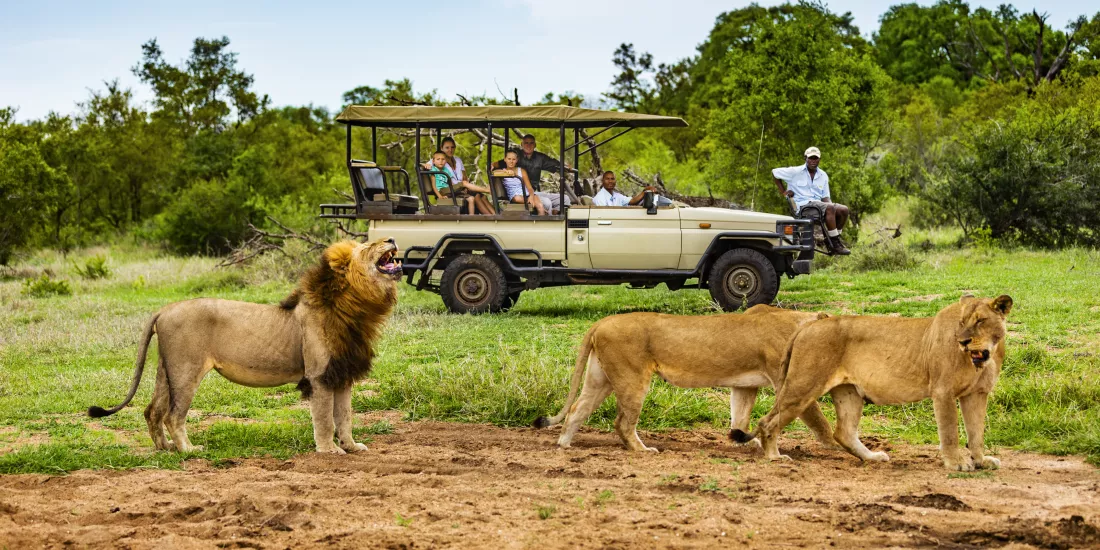
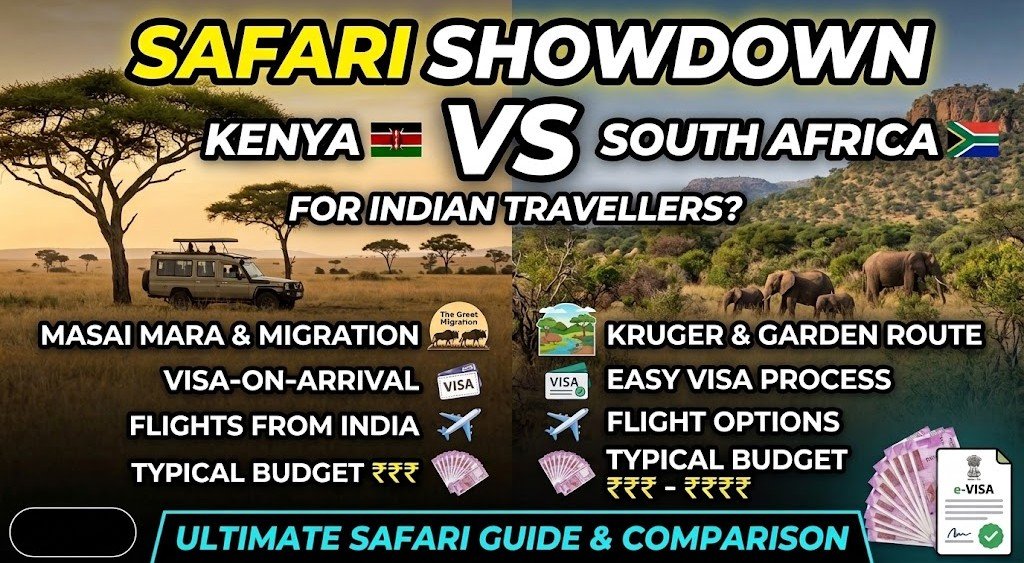
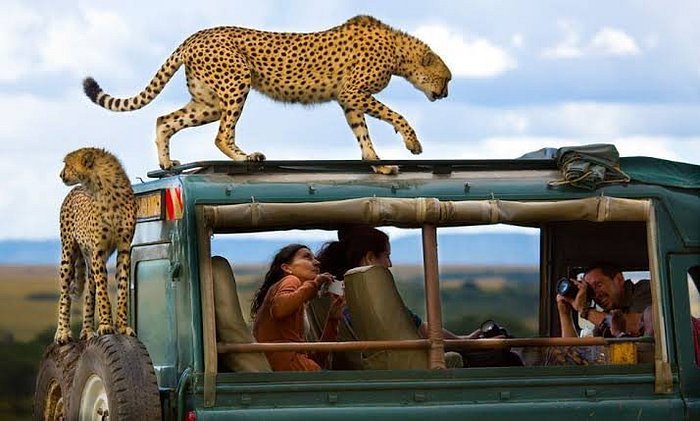
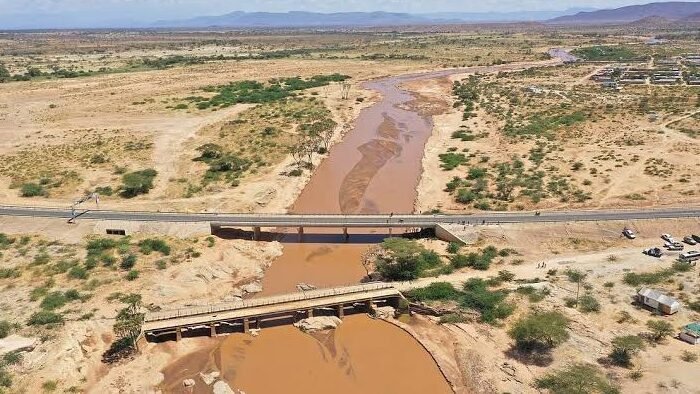
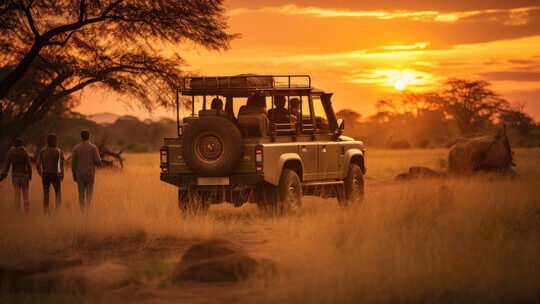
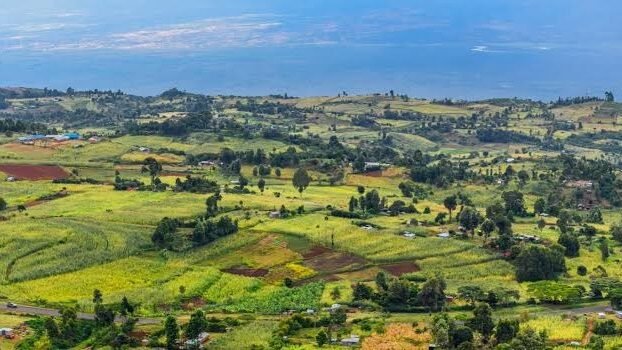
Discover the magic of Kenya, where breathtaking landscapes, incredible wildlife, and rich cultural experiences come together. From the iconic Maasai Mara and its unforgettable safari adventures to the stunning views of Amboseli with Mount Kilimanjaro in the background, Kenya offers something for every traveller. Experience thrilling game drives, meet local communities, explore beautiful lakes, and witness nature at its most spectacular. Whether you dream of seeing the Big Five, enjoying an authentic safari, or simply escaping into the wild, Kenya promises memories that last a lifetime. With thoughtfully designed itineraries, comfortable stays, and experiences tailored for Indian travellers, your Kenyan adventure begins here.
If you are planning your first African holiday, two destinations will probably appear at the top of your list:
Kenya and South Africa.
Both offer incredible wildlife experiences, beautiful landscapes and unforgettable safari moments.
But they are not the same kind of holiday.
Kenya is strongly associated with the African savannah, Maasai Mara and the Great Migration.
South Africa combines safari with cosmopolitan cities, wine regions, beaches, scenic drives and diverse landscapes.
So, which one should Indian travellers choose?
Kenya or South Africa?
The answer depends on what kind of African experience you want.
In this guide, we’ll compare Kenya and South Africa across wildlife, safari, cities, beaches, food, family travel, honeymoon experiences, budget and overall travel style.
Kenya vs South Africa: Quick Comparison
Feature
🇰🇪 Kenya
🇿🇦 South Africa
Main attraction
Safari & wildlife
Safari + cities + landscapes
Famous safari
Maasai Mara
Kruger & private reserves
Great Migration
⭐⭐⭐⭐⭐
❌
Big Five
⭐⭐⭐⭐⭐
⭐⭐⭐⭐⭐
City experience
⭐⭐⭐
⭐⭐⭐⭐⭐
Beach holidays
⭐⭐⭐⭐
⭐⭐⭐⭐
Wine & food
⭐⭐⭐
⭐⭐⭐⭐⭐
Scenic road trips
⭐⭐⭐⭐
⭐⭐⭐⭐⭐
Family travel
Excellent
Excellent
Honeymoon
Excellent
Excellent
First African safari
Excellent
Excellent
Variety of experiences
High
Very high
There is no universal winner.
It depends on your priorities.
🇰🇪 Why Choose Kenya?
Kenya is one of the destinations that immediately comes to mind when people imagine an African safari.
Think:
🦁 Lions 🐘 Elephants 🦒 Giraffes 🦓 Zebras 🐆 Leopards 🦬 Buffalo 🌅 Golden savannahs 🛻 Game drives
And, of course, the Maasai Mara.
Kenya is particularly appealing if wildlife is the main reason for your trip.
🇿🇦 Why Choose South Africa?
South Africa offers something slightly different.
Instead of focusing almost entirely on safari, you can combine wildlife with:
South Africa offers greater geographical variety within a single country.
For travellers who love changing scenery, South Africa may have the edge.
Kenya vs South Africa for City Experiences
This is an easy win for South Africa.
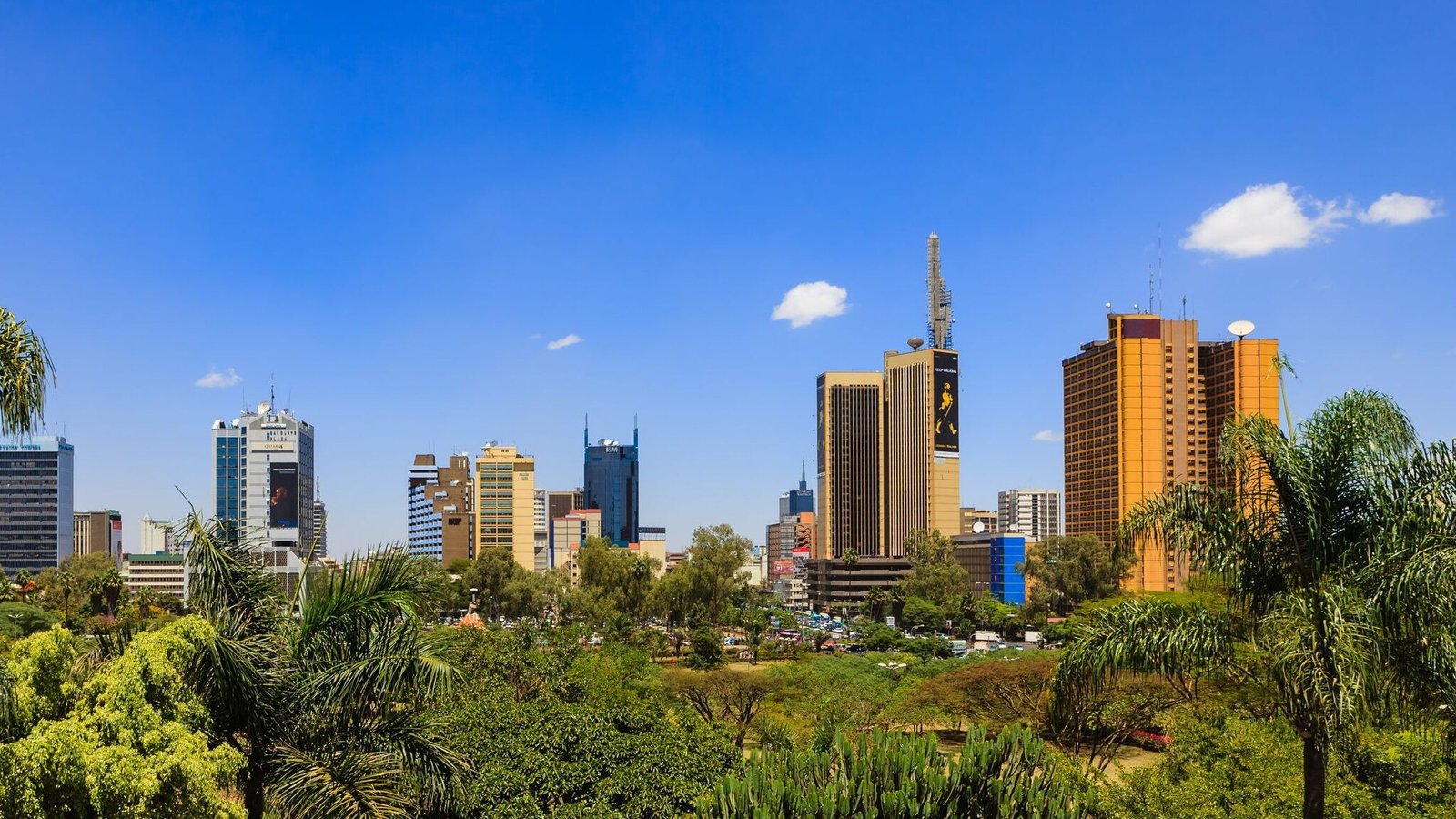
Kenya’s Nairobi offers a fascinating combination of modern city life and access to wildlife.
But South Africa offers major urban destinations such as:
Cape Town
and
Johannesburg.
Cape Town in particular can turn an African safari into a much broader holiday.
You can combine:
Table Mountain
Cape Peninsula
Cape Winelands
Coastal scenery
Restaurants
Shopping
Museums
Cultural experiences
So if you don’t want your entire holiday to revolve around safari, South Africa may be the better choice.
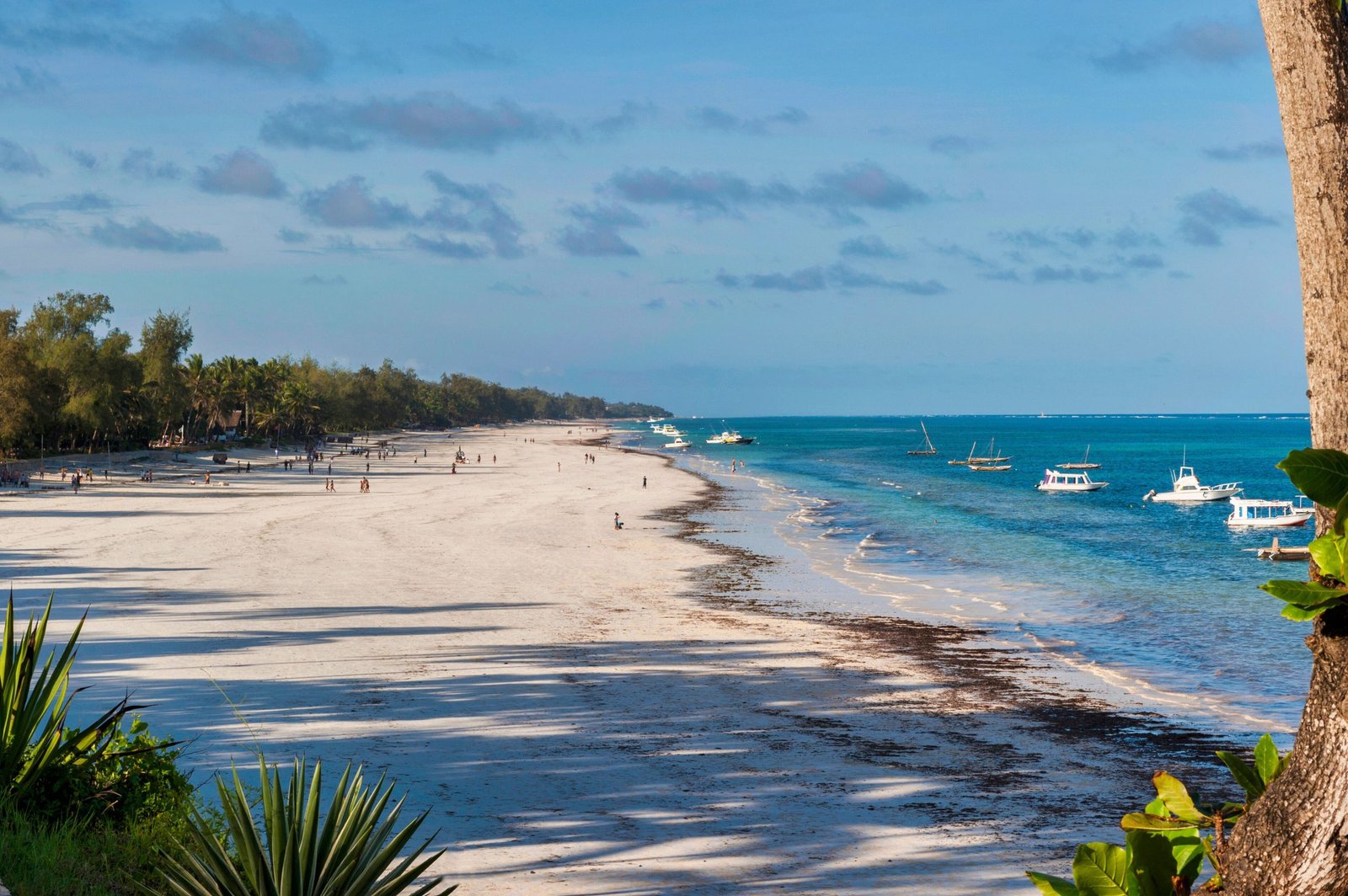
Kenya vs South Africa for Beaches
Both countries offer beautiful coastal experiences.
Kenya
Kenya’s Indian Ocean coast includes destinations such as Diani Beach, making it easy to combine safari and beach relaxation.
A popular combination can be:
Nairobi → Maasai Mara → Diani Beach
This creates a balanced:
Safari + Beach
holiday.
South Africa
South Africa has an extensive coastline with very different coastal landscapes.
You can explore beaches around Cape Town and along other coastal regions.
However, if your priority is specifically a classic tropical beach extension after safari, Kenya’s Diani option can be particularly attractive.
Kenya vs South Africa for Food
South Africa generally has a stronger advantage for travellers who are passionate about food and wine.
Cape Town and the Winelands offer:
🍷 Wine experiences 🥩 Fine dining 🍽️ International cuisine ☕ Cafés 🦪 Seafood 🥘 Local South African dishes
Kenya also has a fascinating food culture, particularly in Nairobi and along the coast.
But if food and wine are a major part of your holiday, South Africa has more variety for most international travellers.
Kenya vs South Africa for Indian Food
Indian travellers often wonder:
“Will I get vegetarian or Indian food?”
In major cities and tourist areas, vegetarian options are generally available in both countries.
South Africa’s major cities also have a significant Indian-origin population, particularly in KwaZulu-Natal, contributing to a wider range of Indian cuisine.
Kenya also has Indian restaurants and Indian-influenced cuisine, particularly in Nairobi and Mombasa.
Still, during safari stays, meal choices can be more limited than in major cities.
If you have strict dietary requirements, tell your hotel or tour operator before travelling.
Kenya vs South Africa for Honeymoon
Both are excellent honeymoon destinations—but for different reasons.
❤️ Kenya Honeymoon
Perfect for couples who want:
Safari
Wildlife
Luxury lodges
Romantic bush dinners
Sunset game drives
Beach relaxation
A Kenya honeymoon can combine:
Maasai Mara + Diani Beach
for a memorable safari-and-beach experience.
❤️ South Africa Honeymoon
Perfect for couples who want:
Cape Town
Luxury hotels
Safari
Wine estates
Scenic drives
Fine dining
Coastal experiences
A possible journey could combine:
Cape Town + Winelands + Safari
This gives couples more variety.
Honeymoon Winner?
Kenya if your dream is a romantic safari.
South Africa if you want safari + city + food + wine + scenery.
Kenya vs South Africa for Family Holidays
Both destinations can work extremely well for families.
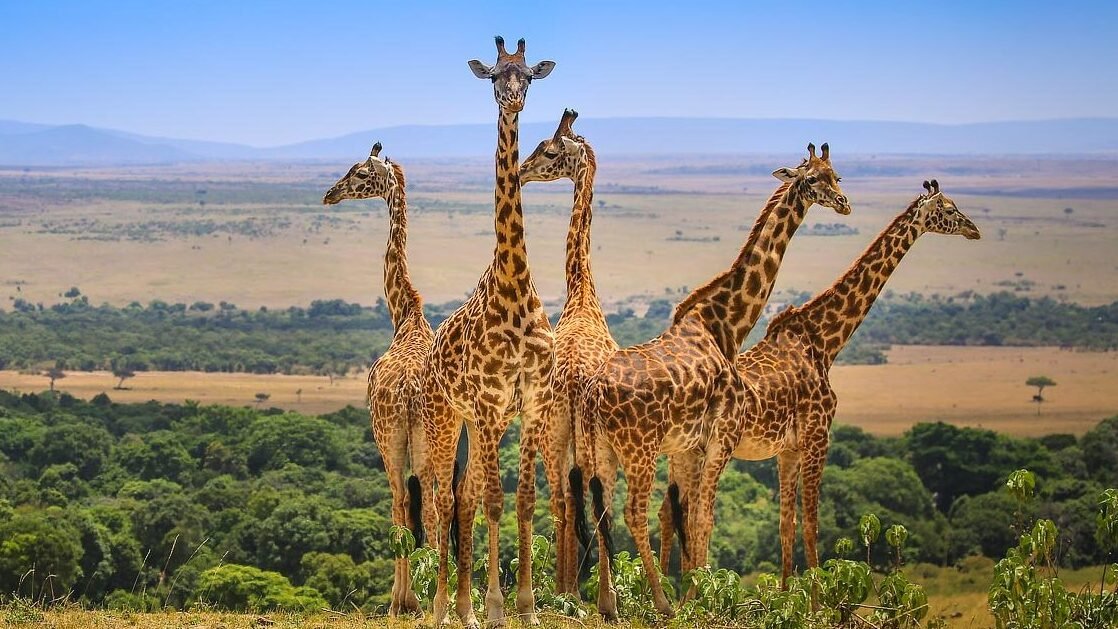
Imagine waking up to the sound of the African wilderness, heading out on a morning game drive and watching elephants, lions, giraffes and zebras moving across the savannah.
For many Indian travellers, Kenya is the dream destination for a first African safari.
But one question comes before everything else:
When is the best time to visit Kenya?
The answer depends on what you want from your trip.
If your priority is the Great Migration, your ideal months may be different from someone looking for pleasant weather, fewer crowds or a more affordable safari.
This month-by-month Kenya travel guide explains the best time for safari, wildlife viewing, photography, family holidays and honeymoon trips—and what Indian travellers should consider before booking.
When Is the Best Time to Visit Kenya?
For most first-time safari travellers, July to October is considered one of the most attractive periods.
This period falls within Kenya’s generally dry season, when wildlife viewing conditions can be excellent.
It is also associated with the famous Great Migration, when huge herds of wildebeest and other animals move through the Masai Mara ecosystem.
However, there is no single perfect month.
Kenya is a year-round safari destination, and each season offers something different.
Quick Guide
Months
Best For
January–February
Wildlife viewing & pleasant safari conditions
March–May
Green landscapes & lower-season travel
June
Beginning of the dry season
July–October
Safari + Great Migration season
November
Green landscapes & fewer crowds
December
Safari + festive holiday travel
January in Kenya
January is a popular month for wildlife experiences.
The weather is generally warm, and many safari areas offer good wildlife-viewing opportunities.
Why Visit in January?
Good safari conditions
Wildlife viewing
Warm weather
Excellent photography opportunities
Good option for couples and families
If you are travelling from India during the winter holiday period, January can also be convenient because you are escaping India’s colder northern weather while experiencing the African summer.
February in Kenya
February continues to offer strong safari conditions.
Wildlife viewing can be rewarding, and the landscapes remain attractive for photography.
For travellers who prefer a safari-focused holiday rather than chasing the Great Migration specifically, February can be a very good option.
March marks a transition toward the wetter period in many parts of Kenya.
The landscape can become greener and more vibrant.
This can be attractive for photographers who prefer lush scenery rather than the classic dry-season safari landscape.
However, travellers should be prepared for changing weather conditions.
April in Kenya
April generally falls within one of Kenya’s wetter periods.
This is not necessarily a bad time to visit.
In fact, travellers who don’t mind occasional rain may enjoy:
Green landscapes
Fewer tourists
Potentially better value
Excellent photography conditions
For travellers who prioritise the lowest possible crowd levels over classic dry-season conditions, this period can be worth considering.
May in Kenya
May continues to be associated with wetter conditions.
The countryside can look spectacularly green.
This period can work well for travellers who are flexible with weather and want a different side of Kenya.
However, if your primary goal is a classic first-time safari with dry conditions, you may prefer the later months of the year.
June in Kenya
June marks an important transition.
The weather generally becomes drier, making safari conditions increasingly attractive.
This is also when many travellers begin planning for the peak safari season.
Why June?
Improving wildlife-viewing conditions
Comfortable safari atmosphere
Fewer crowds than peak months in some areas
Good photography
June can be a smart choice if you want to experience Kenya before the busiest migration period.
July in Kenya
July is one of the most popular months for safari travel.
It is part of Kenya’s dry season and is also associated with the beginning of the Great Migration period in the Masai Mara.
The combination of:
Dry weather + wildlife + migration
makes July highly attractive.
But popularity also means higher demand.
Hotels, safari lodges and tours can fill quickly, especially around major migration periods.
August in Kenya
August is often considered one of the strongest months for a Kenya safari.
The Great Migration is a major attraction, and the Masai Mara can become particularly busy.
Travellers may have opportunities to witness dramatic wildlife scenes, although nature is unpredictable and exact animal movements cannot be guaranteed.
If witnessing the migration is your dream, planning well in advance is strongly recommended.
September in Kenya
September continues to offer excellent safari conditions.
The dry season makes wildlife viewing attractive, while the Great Migration can still be a major highlight depending on animal movements.
For travellers who want a balance between:
Wildlife + dry weather + migration opportunities
September can be an excellent choice.
October in Kenya
October is another strong month for safari.
The dry season continues in many areas, although conditions begin transitioning as the year progresses.
The migration may still be present in the Masai Mara depending on the natural movement of the herds.
October can also appeal to travellers who want a safari-focused trip without necessarily travelling at the height of the August rush.
November in Kenya
November can bring greener landscapes and changing weather.
For travellers who have already experienced the classic dry-season safari and want something different, this can be an interesting time.
Potential advantages include:
Green scenery
Fewer crowds
Excellent photography
More relaxed safari atmosphere
Rain is always a possibility, so flexibility is important.
December in Kenya
December can be an excellent period for a holiday combining safari with a festive vacation.
The weather can vary by region, but wildlife experiences remain possible.
For Indian travellers planning an international family holiday around the Christmas and New Year period, Kenya can offer something very different from a traditional city vacation.
Because December is a popular holiday period, advance planning is recommended.
Great Migration: When Should You Visit?
The Great Migration is one of Africa’s most famous wildlife spectacles.
Millions of wildebeest, along with large numbers of zebra and other animals, move through the Serengeti-Mara ecosystem in search of fresh grazing and water.
The exact timing and location are controlled by nature, not calendars.
That means:
There is no guaranteed migration date.
The migration is generally associated with the Masai Mara during the July–October period, but the exact timing varies each year.
So if someone promises:
“You will definitely see the Great Migration on this exact date.”
be cautious.
A professional safari operator should explain the natural uncertainty rather than guarantee wildlife behaviour.
Best Time to See the Big Five in Kenya
The Big Five traditionally refers to:
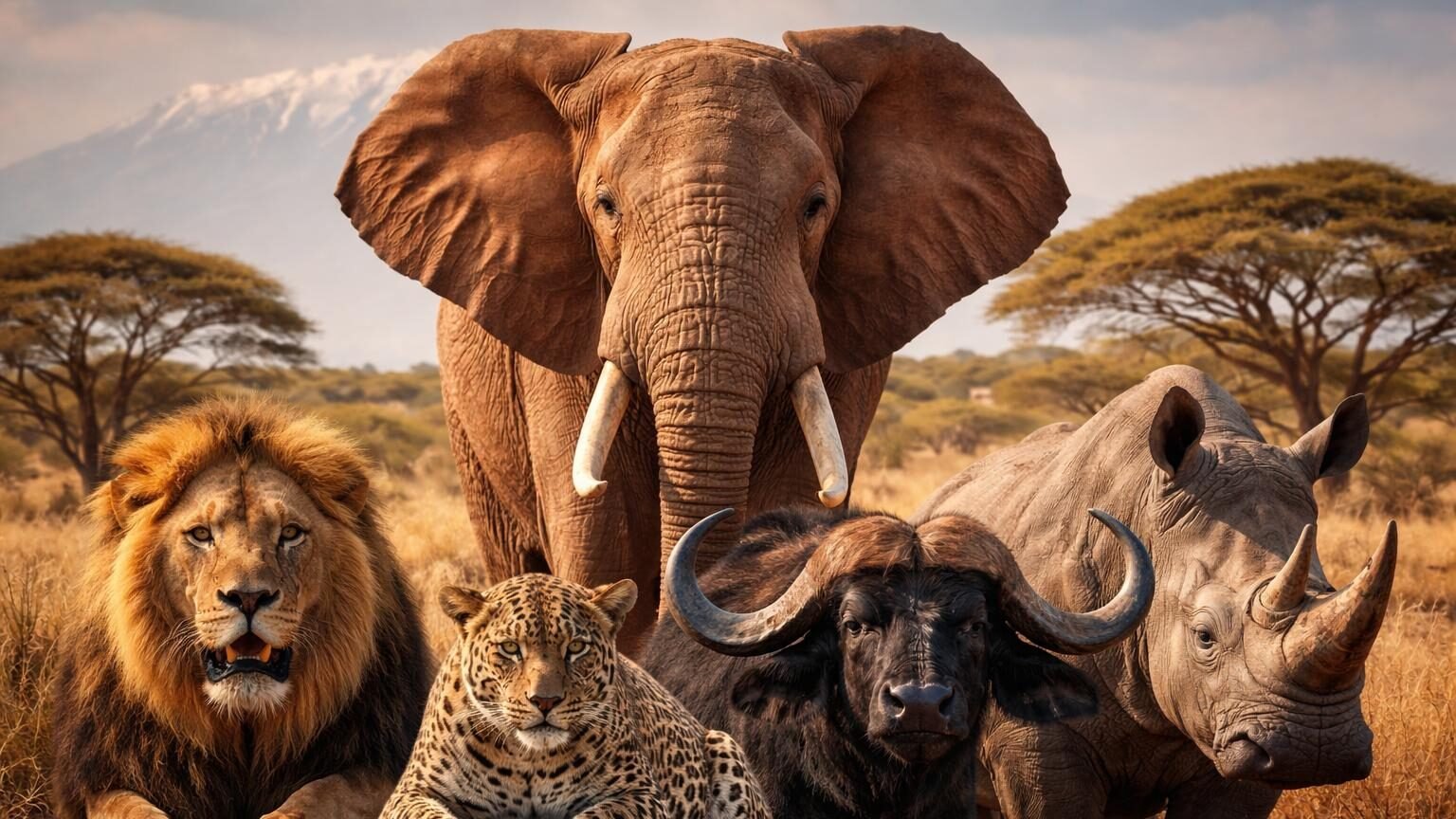
🦁 Lion 🐆 Leopard 🐘 Elephant 🦏 Rhino 🐃 Buffalo
Kenya offers opportunities to see these iconic animals throughout the year.
However, dry-season conditions can make wildlife easier to spot in many areas because vegetation is less dense and animals may concentrate around available water sources.
Best General Period:
June to October
But remember:
Wildlife is wild.
No ethical safari company can guarantee a specific animal sighting.
Best Time for Wildlife Photography
If photography is one of your main priorities, consider:
June–October
Dry landscapes and wildlife activity can create classic safari photography opportunities.
January–February
The combination of wildlife activity and generally favourable conditions can also be excellent.
March–May
Green landscapes can produce a completely different visual style.
So the best photography month depends on whether you want:
Classic golden savannah photography
or
lush green African landscapes.
Best Time for a Kenya Honeymoon
Kenya can be an extraordinary honeymoon destination.
Imagine combining:
❤️ Luxury safari lodge ❤️ Private game drives ❤️ Sunset over the savannah ❤️ Romantic dinners ❤️ Wildlife experiences ❤️ Scenic landscapes
For couples, June to October can be particularly attractive because of generally favourable safari conditions.
However, couples looking for quieter travel may also consider shoulder or green-season periods.
The best honeymoon itinerary should balance safari with relaxation rather than filling every day with activities.
Best Time for a Family Safari
Families should consider more than just wildlife.
Think about:
Weather
Children’s ages
Safari duration
Hotel comfort
Transfer times
Activity intensity
The dry season can be attractive for families because predictable conditions can make outdoor activities easier.
For families travelling during school holidays, however, demand can be higher.
Planning early can help secure suitable accommodation and room configurations.
Kenya Safari Cost from India
The cost of a Kenya safari depends on:
Flights
Number of nights
Safari lodge category
Number of game drives
Private vs shared safari
Transfers
Meals
Park fees
Travel season
Visa
Travel insurance
Number of travellers
A luxury safari lodge can cost significantly more than a standard hotel or tented camp.
Likewise, a private safari vehicle can have a very different price from a shared game drive.
What Does a Travelexie Kenya Trip Look Like?
Travelexie’s current Kenya collection offers different safari and holiday experiences rather than one single itinerary.
Its Kenya destination offering includes experiences around destinations such as Nairobi, Maasai Mara and Diani Beach, allowing travellers to combine wildlife with a beach holiday. (travelexie.com)
Current package examples include:
Kenya Wildlife Escape
5 Days
Starting from approximately ₹1,89,999 per person
Kenya Wildlife Explorer
6 Days
Starting from approximately ₹2,99,999 per person
Kenya & Tanzania
9 Days
Starting from approximately ₹5,49,999 per person
Diani Beach Escape
8 Days
Starting from approximately ₹4,20,000 per person
These prices are subject to change, so travellers should check the latest package page before booking. (travelexie.com)
Kenya Safari vs Kenya + Beach Holiday
This is an important decision.
🦁 Safari-Focused Trip
Choose this if your priority is wildlife.
Possible route:
Nairobi → Masai Mara → Safari Experiences
This is ideal for first-time safari travellers.
🏖️ Safari + Beach
If you have more time, add Diani Beach.
Then your trip can become:
Nairobi → Masai Mara → Diani
You get:
Wildlife + Adventure + Relaxation
This can work particularly well for honeymooners.
DIY Kenya Safari vs Travel Agency
Planning a Kenya safari independently is possible.
But it involves more than booking a hotel.
You may need to coordinate:
International flights
Airport transfers
Safari vehicle
Driver/guide
Park entry
Accommodation
Game drives
Domestic flights or road transfers
Meals
Travel insurance
Visa requirements
A travel agency can bundle these components into one itinerary.
This can be especially useful for Indian travellers visiting Africa for the first time.
How to Compare Kenya Travel Agencies
Don’t compare agencies only by the advertised starting price.
Instead, ask:
1. Is the Safari Vehicle Included?
Find out whether the safari vehicle and driver/guide are included.
2. Are Park Fees Included?
Park and conservation fees can significantly affect the final cost.
3. What Type of Accommodation?
Check whether you’re staying in a hotel, tented camp, safari lodge or luxury property.
4. Private or Shared Safari?
This can make a major difference to the experience.
5. How Many Game Drives?
A package with more nights doesn’t automatically mean more safari time.
6. Transfers
Check whether airport and intercity transfers are included.
7. Meals
Understand exactly which meals are covered.
8. Visa Assistance
Ask whether the agency provides visa guidance or assistance.
9. Support During the Trip
Africa travel involves multiple moving parts, so local support can be valuable.
Travelexie vs a Typical Kenya Safari Package
When comparing Travelexie with another travel agency, the comparison should focus on experience and inclusions, not just price.
What to Compare
Typical Package
Travelexie Kenya Offering
Safari
Depends on package
Multiple safari itineraries
Masai Mara
Depends on itinerary
Available
Nairobi
Depends on itinerary
Available
Diani Beach
Depends on package
Available
Kenya + Tanzania
Depends on agency
Available
Short Safari
Varies
5–6 day options
Longer Journey
Varies
Kenya + Tanzania option
Beach Extension
Varies
Diani option
Customisation
Depends on agency
Tailor-made journeys
Indian Traveller Support
Varies
India-focused travel planning
The important point is that a traveller should choose based on the type of Kenya experience they want.
Someone travelling for wildlife may prefer a safari-focused itinerary.
A couple may want safari plus Diani Beach.
A repeat Africa traveller may prefer a Kenya–Tanzania combination.
Why Choose Travelexie for Kenya?
Kenya is not a destination where a one-size-fits-all itinerary always works.
A wildlife enthusiast may want more game drives.
A honeymoon couple may want luxury accommodation and private experiences.
A family may prioritise comfortable transfers and shorter travel days.
Travelexie’s Kenya offering provides different itinerary styles around safari, wildlife, beach and multi-country travel rather than restricting travellers to one standard route. (travelexie.com)
The company’s wider travel approach also focuses on personalised international journeys and travel support.
For an Indian traveller planning a first safari, having the major components organised together can reduce the complexity of planning the trip independently.
What to Pack for a Kenya Safari
Your packing list will depend on the season and itinerary.
But these are useful essentials:
☐ Comfortable lightweight clothing ☐ Neutral-coloured clothes ☐ Comfortable walking shoes ☐ Sun hat ☐ Sunglasses ☐ Sunscreen ☐ Light jacket ☐ Binoculars ☐ Camera ☐ Extra memory cards ☐ Power bank ☐ Travel adapter ☐ Personal medicines ☐ Travel insurance documents ☐ Passport and visa documents
For early-morning game drives, a light jacket can be useful even when daytime temperatures become warm.
Is Kenya Safe for Indian Travellers?
Kenya is a popular international tourism destination, but like anywhere else, travellers should follow normal safety precautions.
Use reputable safari operators, follow your guide’s instructions and avoid wandering into wildlife areas independently.
During a safari, remember:
You are entering the animals’ environment.
Never approach wildlife on foot unless your guide specifically says it is safe.
Do not feed animals.
Do not make unnecessary noise.
And always follow park and lodge rules.
Kenya Travel Tips for First-Time Visitors
🦁 Respect the Wildlife
Never assume animals are harmless because they look calm.
📱 Keep Your Phone Charged
Safari days can be long, and you’ll want your camera ready.
🧴 Protect Yourself from the Sun
African sun can be intense.
💧 Stay Hydrated
Carry drinking water during excursions.
📸 Don’t Spend the Entire Safari Behind Your Camera
Sometimes the best memory is simply watching.
🌅 Wake Up Early
Some of the best safari experiences happen early in the morning.
🧳 Don’t Overpack
You may have luggage restrictions on some internal flights or safari transfers.
When Should You Book Your Kenya Safari?
If you are travelling during the popular July–October safari season, booking early is a smart idea.
This becomes even more important if you want:
Specific safari lodges
Premium accommodation
Private vehicles
Family rooms
Honeymoon arrangements
Specific migration-period dates
For lower-season travel, you may have more flexibility.
But flexibility should not be confused with guaranteed availability.
Is Kenya Worth Visiting for Indian Travellers?
Absolutely.
Kenya offers something very different from a conventional international holiday.
You aren’t simply visiting another city.
You’re experiencing:
The African savannah.
Wild elephants.
Lions in the wild.
Endless landscapes.
The excitement of a game drive.
And the possibility of witnessing one of nature’s greatest wildlife spectacles.
Whether you choose a short safari, a longer Kenya journey or combine Kenya with Tanzania or a beach stay, the experience can be unforgettable.
Final Kenya Safari Planning Checklist
Before booking, ask yourself:
☐ What is my main goal—safari, migration, beach or all three? ☐ Which month am I travelling? ☐ How many nights do I need? ☐ Do I want a private or shared safari? ☐ What accommodation level do I prefer? ☐ Are park fees included? ☐ Are transfers included? ☐ Are flights included? ☐ Is visa assistance included? ☐ Is travel insurance included? ☐ How much free time do I have? ☐ Does the itinerary suit my travel style?
Plan Your Kenya Safari with Travelexie
The best time to visit Kenya depends on what you want to experience.
Want the classic dry-season safari?
June to October can be an excellent period to consider.
Want to see the Great Migration?
July to October is the period many travellers target, while remembering that wildlife follows nature—not a fixed calendar.
Want green landscapes and potentially fewer crowds?
Consider the wetter or shoulder periods.
Want safari plus relaxation?
Combine Masai Mara with Diani Beach.
And if you’re looking for a more extensive African journey, consider a Kenya + Tanzania itinerary.
Travelexie’s current Kenya collection offers multiple ways to experience the country, from shorter wildlife escapes to longer safari journeys and beach combinations. (travelexie.com)
When comparing travel agencies, don’t simply choose the cheapest advertised package.
Compare the safari experience, accommodation, park fees, transfers, flights, game drives, support and overall itinerary.
Because your Kenya holiday isn’t just a hotel booking.
It’s your opportunity to experience Africa in a way you’ll remember for the rest of your life.
Ready to experience Kenya?
Explore Travelexie’s Kenya journeys and start planning your African safari.
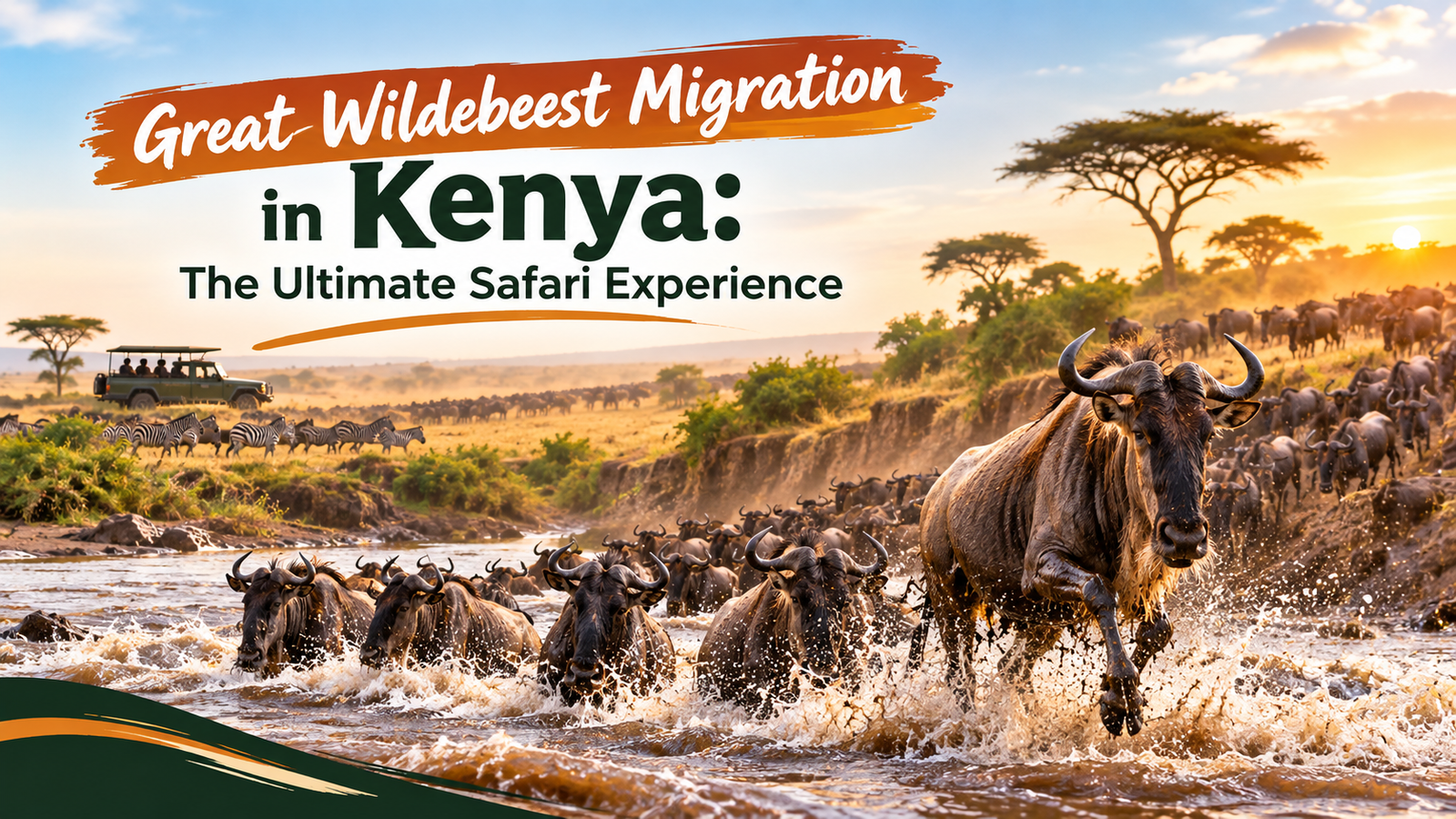
Every year, millions of wildebeest, zebras and other grazing animals move across the vast landscapes of East Africa in search of fresh grass and water.
Known as the Great Wildebeest Migration, this extraordinary natural event is one of the most spectacular wildlife experiences on Earth.
For travellers visiting Kenya, the Maasai Mara is the place where the migration reaches its most dramatic moments — from enormous herds crossing the savannah to the famous river crossings.
But when does the migration happen? Where should you go? And how can you plan the perfect Kenya safari around it?
Let’s explore.
What Is the Great Wildebeest Migration?
The Great Wildebeest Migration is an enormous seasonal movement of wildlife between Tanzania’s Serengeti and Kenya’s Maasai Mara.
Around 1.5 million wildebeest, along with hundreds of thousands of zebras and gazelles, participate in this continuous search for fresh grazing and water.
It isn’t a single event that happens on one particular day.
Instead, the animals are constantly moving throughout the year, following rainfall and the availability of food and water.
This makes the migration a year-round natural cycle rather than a simple annual journey.
When Does the Great Migration Reach Kenya?
The migration usually reaches the Maasai Mara between around July and October, although exact timing changes every year depending on rainfall and environmental conditions.
This period is especially popular because large herds may gather in the Mara and dramatic Mara River crossings can occur.
However, there is no guaranteed migration date.
Nature doesn’t follow a calendar.
The herds may arrive earlier or later, remain in an area for different lengths of time, or move according to local weather conditions.
That unpredictability is part of what makes the experience so exciting.
The Great Migration Month by Month
July – The Journey Towards Kenya
Around July, large herds begin moving towards the northern Serengeti and the Maasai Mara ecosystem.
This can be an exciting time to visit because the migration is beginning to enter Kenya.
Wildlife numbers can already be impressive, while safari landscapes remain relatively open.
August – Peak Migration Excitement
August is one of the most popular months for travellers hoping to experience the migration.
Large herds may be present in the Maasai Mara, and river crossings can occur during this period.
However, crossings are completely unpredictable.
You could wait for hours — and nothing happens.
Then suddenly, the herd begins moving.
September – Wildlife Across the Mara
September can continue to offer excellent migration experiences.
Large groups of wildebeest and zebras may still be moving through the Maasai Mara, while predators take advantage of the abundance of prey.
For many travellers, this combination of dramatic landscapes and predator sightings creates an unforgettable safari.
October – The Herds Begin Moving On
By October, some herds may begin moving back towards the Serengeti as environmental conditions change.
The exact timing varies each year.
This means October can still offer excellent wildlife viewing without necessarily being as focused on river crossings as the earlier migration period.
The Famous Mara River Crossing
When people imagine the Great Migration, one scene often comes to mind:
Thousands of wildebeest gathering at the edge of a river before suddenly rushing into the water.
The Mara River crossing is one of the most dramatic spectacles associated with the migration.
But it is important to understand that crossings are not guaranteed.
Wildebeest may gather near the river for hours or even days before crossing.
Sometimes they approach the water, turn around and walk away.
Then, without warning, one animal takes the first step — and the entire herd can suddenly follow.
This unpredictability makes witnessing a crossing incredibly special.
Why Do Wildebeest Cross the River?
The animals are following their natural migration route in search of fresh grazing and water.
The river is part of their journey between different grazing areas.
Crossing it comes with serious risks, including strong currents, steep banks and predators.
Crocodiles may wait in the river, while lions and other predators can take advantage of vulnerable animals around the crossing areas.
It is one of nature’s most dramatic examples of survival and instinct.
More Than Just Wildebeest
Although wildebeest are the stars of the migration, they aren’t travelling alone.
The migration ecosystem includes huge numbers of other animals.
Zebras
Zebras travel alongside wildebeest and are an important part of the migration spectacle.
Thomson’s Gazelles
These smaller antelope also follow the availability of fresh grazing.
Lions
Large concentrations of prey attract predators, making migration season an exciting time for big-cat sightings.
Leopards
The elusive leopard may be spotted resting in trees or hiding among vegetation.
Cheetahs
The open grasslands of the Maasai Mara provide excellent habitat for cheetahs, although sightings are never guaranteed.
Crocodiles
During river crossings, large Nile crocodiles may wait in the water for an opportunity to catch prey.
The result is a complete ecosystem where predator and prey interactions can unfold naturally.
Where Is the Best Place to Experience the Migration in Kenya?
Maasai Mara National Reserve
The Maasai Mara is Kenya’s most famous migration destination.
Its expansive grasslands provide an incredible setting for watching wildlife, and the Mara River forms one of the key crossing areas associated with the migration.
For first-time safari travellers, the Maasai Mara is often the natural starting point for a migration-focused Kenya itinerary.
Mara Conservancies
Private conservancies surrounding the Maasai Mara can offer a more exclusive safari experience.
Depending on the conservancy and safari camp, visitors may benefit from fewer vehicles and a quieter wilderness atmosphere.
A combination of the national reserve and a private conservancy can create a well-rounded safari experience.
What Is the Best Time to Book Your Kenya Migration Safari?
If your main goal is to experience the Great Migration in Kenya, July to October is generally the most popular travel window.
However, the best month depends on your priorities.
For migration and river-crossing possibilities: July–September
For generally strong wildlife viewing: July–October
For potentially fewer visitors: Consider periods outside the peak migration window
Remember that no safari operator can guarantee a particular river crossing.
The migration is controlled by nature, rainfall and animal behaviour, not by a fixed itinerary.
How Long Should You Stay in the Maasai Mara?
For a migration-focused safari, spending multiple nights in the Maasai Mara is highly recommended.
A longer stay gives you more opportunities to:
Search for migrating herds
Follow predator activity
Explore different areas
Experience multiple game drives
Wait patiently for possible river crossings
Enjoy the landscape without rushing
Instead of trying to see everything in one day, give yourself time to let the safari unfold naturally.
Balloon Safari During the Great Migration
Want to see the migration from a completely different perspective?
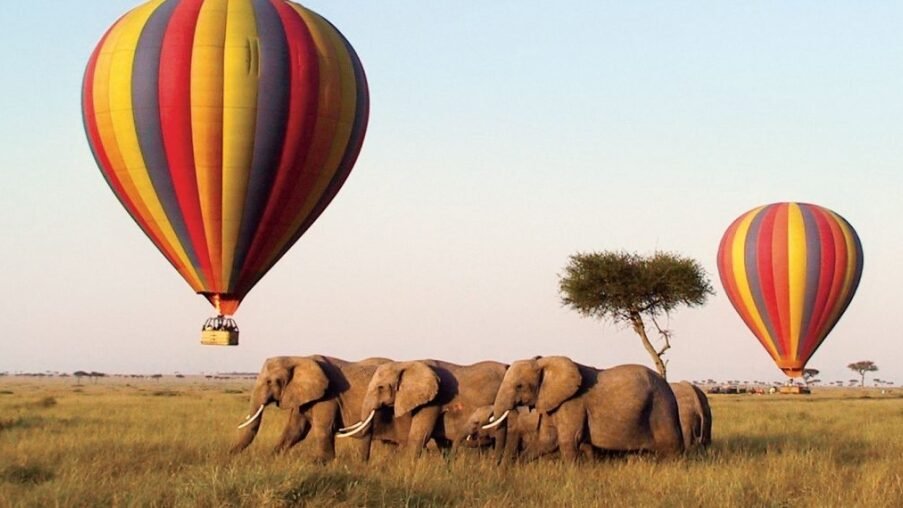
A hot-air balloon safari over the Maasai Mara can add a spectacular dimension to your journey.
As the sun rises, you can float above the savannah and see the landscape stretching towards the horizon.
From above, the scale of the Mara becomes much easier to appreciate.
A balloon safari can be combined with traditional game drives, allowing you to experience Kenya both from the ground and from the sky.
What Should You Pack for a Migration Safari?
A few essentials can make your safari more comfortable:
Lightweight, breathable clothing
Light jacket for early mornings
Comfortable walking shoes
Sunglasses
Sunscreen
Hat or cap
Binoculars
Camera with extra batteries
Power bank
Insect repellent
Reusable water bottle
Neutral-coloured clothing is generally a practical choice for safari environments.
Photography Tips for the Great Migration
The Great Migration offers incredible photography opportunities, but patience is essential.
Use a Zoom Lens
Animals may be far away, especially during river crossings. A telephoto lens can help capture detailed images without disturbing wildlife.
Shoot Early and Late
Early morning and late afternoon light can create beautiful safari photographs.
Don’t Photograph Everything
Sometimes the best safari memory is the one you experience without a camera in front of your face.
Put the camera down occasionally and simply watch.
Is the Great Migration Suitable for First-Time Safari Travellers?
Absolutely.
The Maasai Mara offers an accessible introduction to African safari, with a wide variety of wildlife and experienced safari guides.
However, travellers should remember that a safari is not a guaranteed wildlife show.
You may have an incredible day filled with sightings.
Another day may be quieter.
That unpredictability is part of the adventure.
Why the Great Migration Should Be on Your Kenya Bucket List
The Great Wildebeest Migration isn’t simply about watching animals move from one location to another.
It is about witnessing one of nature’s greatest survival journeys.
Millions of animals responding to rain, grass and instinct.
Predators waiting for opportunities.
Herds moving across endless golden plains.
And sometimes, standing beside the Mara River as thousands of wildebeest gather before making one of nature’s most dramatic crossings.
This is Kenya at its wildest.
Plan Your Great Migration Safari With Travelexie
Your Great Migration experience deserves more than a rushed itinerary.
At Travelexie, we help Indian travellers plan thoughtfully designed Kenya journeys around their interests, travel dates and safari goals.
From Maasai Mara and the Great Migration to Amboseli’s elephants, Lake Nakuru’s rhinos and unforgettable safari experiences, we can help turn your Kenya dream into a carefully planned adventure.
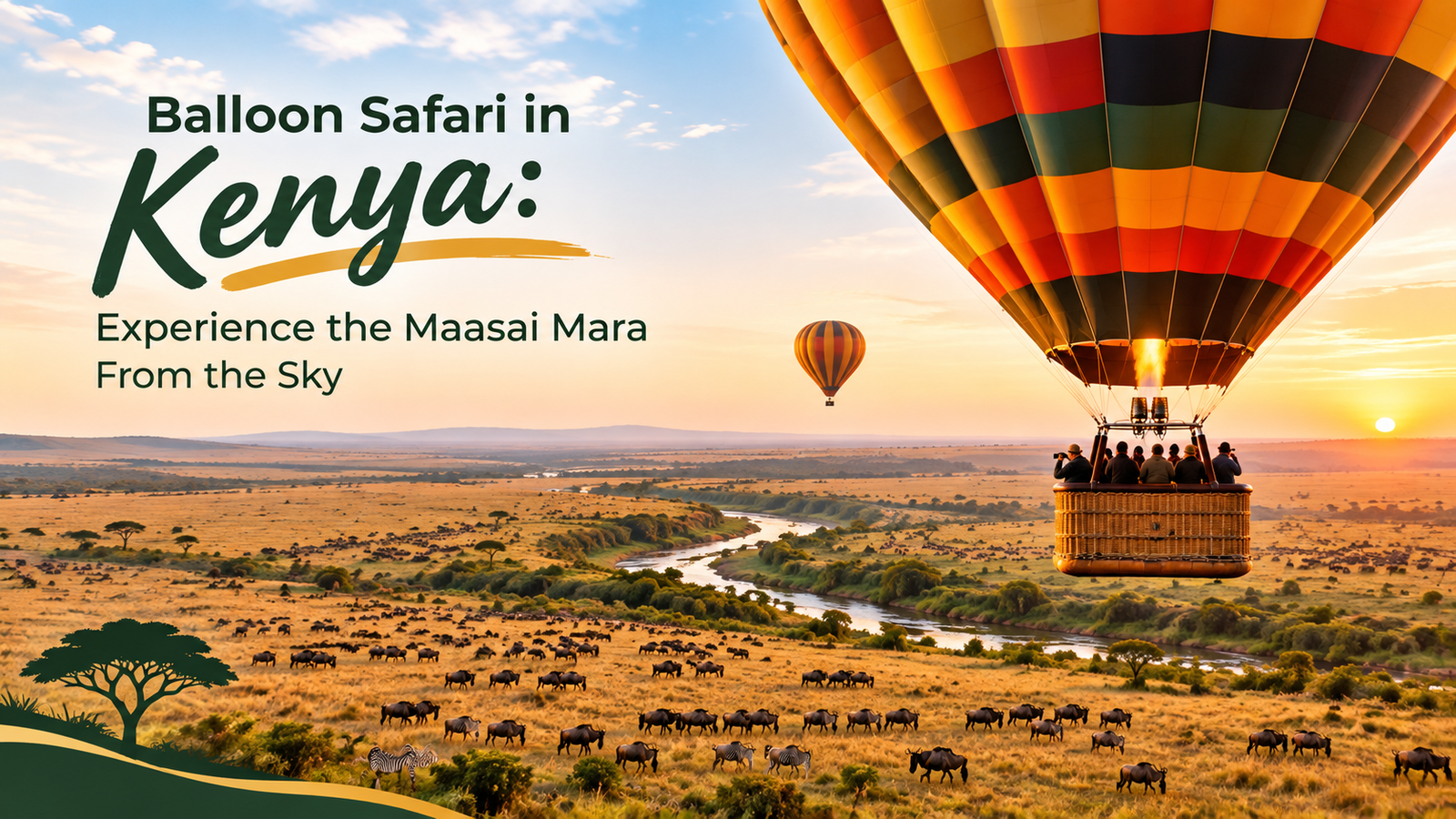
Imagine rising quietly above the golden plains of the Maasai Mara as the sun begins to appear over the horizon. Below you, herds of wildebeest, zebras and elephants move across the vast savannah while the landscape slowly comes alive.
A Kenya Balloon Safari offers one of the most unforgettable ways to experience Africa — from above.
Unlike a traditional game drive, a hot-air balloon lets you see the Maasai Mara from a completely different perspective, combining breathtaking landscapes, wildlife and the peaceful beauty of a sunrise flight.
What Is a Balloon Safari?
A balloon safari is a guided hot-air balloon experience over the Maasai Mara National Reserve and surrounding conservancies.
The adventure usually begins before sunrise. After a short safety briefing, you climb into the balloon basket and slowly rise above the savannah.
As the balloon drifts with the wind, you can enjoy panoramic views of:
Golden grasslands
Acacia trees
Wildlife herds
Rivers and seasonal streams
Sunrise over the African plains
The vast Maasai Mara landscape
The flight is generally calm and quiet, making it possible to observe the wilderness without the noise of a safari vehicle.
Why Choose a Balloon Safari in Maasai Mara?
1. See Kenya From a New Perspective
A normal game drive gives you a ground-level view of the wilderness.
A balloon safari gives you something completely different.
From the air, you can see how enormous the Maasai Mara really is — with wildlife trails, rivers, grasslands and herds stretching across the landscape.
2. Experience a Magical African Sunrise
One of the highlights of a balloon safari is watching the sunrise from the sky.
As the first light reaches the horizon, the colours of the savannah gradually change from dark silhouettes to warm golden landscapes.
It is an experience that feels almost cinematic.
3. Spot Wildlife From Above
From a balloon, wildlife can sometimes be easier to appreciate as part of the larger landscape.
You may see:
Wildebeest
Zebras
Elephants
Giraffes
Buffalo
Antelope
Hippos
Lions and other predators
However, wildlife sightings are never guaranteed because the balloon follows the wind and animals move freely across the reserve.
What Does a Typical Balloon Safari Look Like?
A typical experience starts very early in the morning.
Step 1: Early Morning Pickup
Your safari team picks you up from your camp or lodge while it is still dark.
Step 2: Reach the Launch Site
You arrive at the balloon launch area and meet the pilot and crew.
Step 3: Safety Briefing
The pilot explains the basic safety instructions and what to expect during the flight.
Step 4: Sunrise Flight
The balloon takes off as the sun begins to rise.
For roughly an hour, you drift over the Maasai Mara, enjoying panoramic views of the wilderness.
Step 5: Landing
After landing, the crew helps everyone safely leave the basket.
Step 6: Bush Breakfast
One of the most memorable parts of the experience is often a breakfast in the African bush after the flight.
Imagine sitting beneath the open sky, surrounded by the sounds and scenery of the Mara, enjoying breakfast after watching the sunrise from a hot-air balloon.
Is a Balloon Safari Safe?
Balloon safaris are operated by trained pilots and experienced safari teams, with safety procedures followed before and during the flight.
Passengers should follow the pilot’s instructions carefully, especially during take-off and landing.
Because weather and wind conditions affect balloon flights, the experience may occasionally be delayed or cancelled if conditions are unsuitable.
Best Time for a Balloon Safari in Kenya
A balloon safari can be enjoyed throughout much of the year, but the experience can be particularly spectacular during the Great Wildebeest Migration season.
During the migration period, the Maasai Mara can become a spectacular landscape of moving wildebeest and zebras.
That said, you don’t need to visit during the migration to enjoy a balloon safari. The Mara’s resident wildlife and dramatic landscapes make the experience worthwhile throughout the year.
Balloon Safari vs Traditional Game Drive
Both experiences offer something different.
Balloon Safari
Game Drive
Views the wilderness from above
Explores wildlife at ground level
Usually around sunrise
Can be morning, afternoon or full-day
Peaceful and quiet
Closer encounters with wildlife
Incredible panoramic photography
Better for detailed wildlife observation
Follows the wind
Driver chooses routes
Usually a special add-on experience
Core safari experience
The best option? Combine both.
Start your morning with a balloon safari and follow it with a traditional game drive. This gives you two completely different perspectives of the Maasai Mara.
What Should You Carry?
For a comfortable balloon safari, consider carrying:
Light layered clothing
Comfortable shoes
Sunglasses
Sunscreen
Camera or smartphone
Binoculars
Light jacket for the early morning
Water
Avoid carrying unnecessarily large bags into the balloon basket because space can be limited.
Is a Balloon Safari Worth It?
For many travellers, yes.
A balloon safari is not simply another way to see wildlife. It is an opportunity to experience the scale, silence and beauty of the Maasai Mara from the sky.
For couples, honeymooners, photographers and travellers celebrating a special occasion, it can become one of the most memorable moments of a Kenya trip.
And even if you have already experienced a traditional safari, seeing the Mara from above can make the landscape feel completely new.
Make Your Kenya Safari Extraordinary With Travelexie
Your Kenya journey should be more than a checklist of places.
It should be filled with moments you’ll remember long after you return home.
From tracking the Big Five on a game drive to watching the sunrise from a hot-air balloon above the Maasai Mara, Travelexie helps Indian travellers experience Kenya in a thoughtful and memorable way.
Ready to see the Maasai Mara from the sky?
Plan Your Kenya Balloon Safari With Travelexie
Wake up early. Rise above the savannah. Watch Kenya come alive.
Kenya is more than a safari destination — it is a place where the wild feels truly alive. From the golden plains of the Maasai Mara to the elephant-filled landscapes of Amboseli, Kenya offers some of the most unforgettable wildlife experiences in Africa.
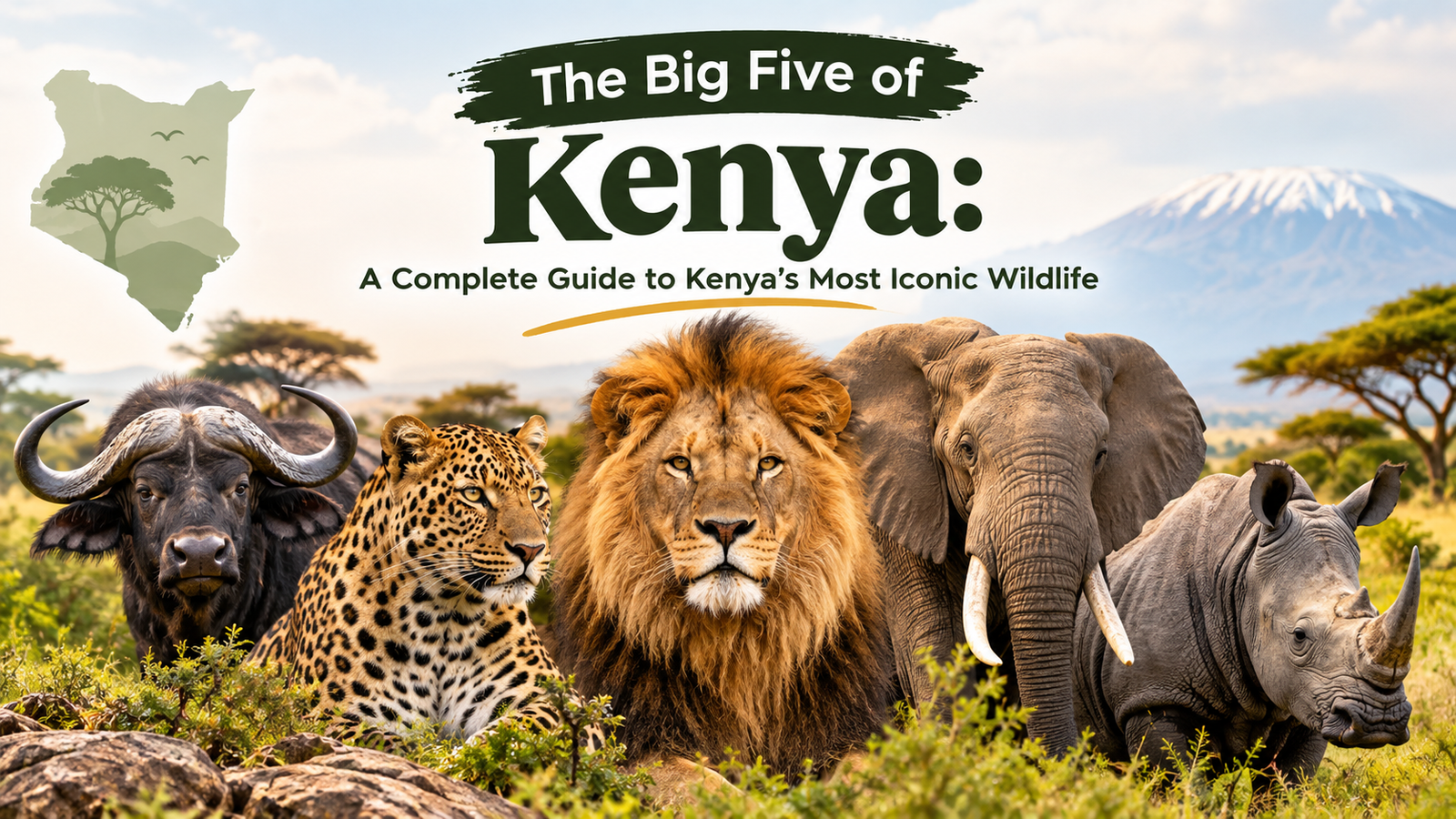
Among the hundreds of species you can encounter on a Kenyan safari, five animals have earned legendary status: the Lion, Leopard, Elephant, African Buffalo, and Rhinoceros. Together, they are known as the Big Five of Kenya.
But what makes these five animals so special? Where can you see them? And what should you know before planning your first Big Five safari?
Let’s explore.
What Are the Big Five of Kenya?
The term “Big Five” originally referred to five of Africa’s most challenging animals to hunt on foot: the lion, leopard, elephant, buffalo, and rhinoceros.
Today, thankfully, the term has a very different meaning for travellers. It represents some of Africa’s most iconic wildlife and the incredible experience of observing them in their natural habitat.
Kenya is particularly famous for Big Five safaris, with destinations such as Maasai Mara, Amboseli, Lake Nakuru, Tsavo, and other protected areas offering opportunities to encounter these remarkable animals. Kenya Wildlife Service highlights elephants, lions, rhinos, giraffes and buffalo among the country’s iconic wildlife.
1. The African Lion – The King of the Savannah
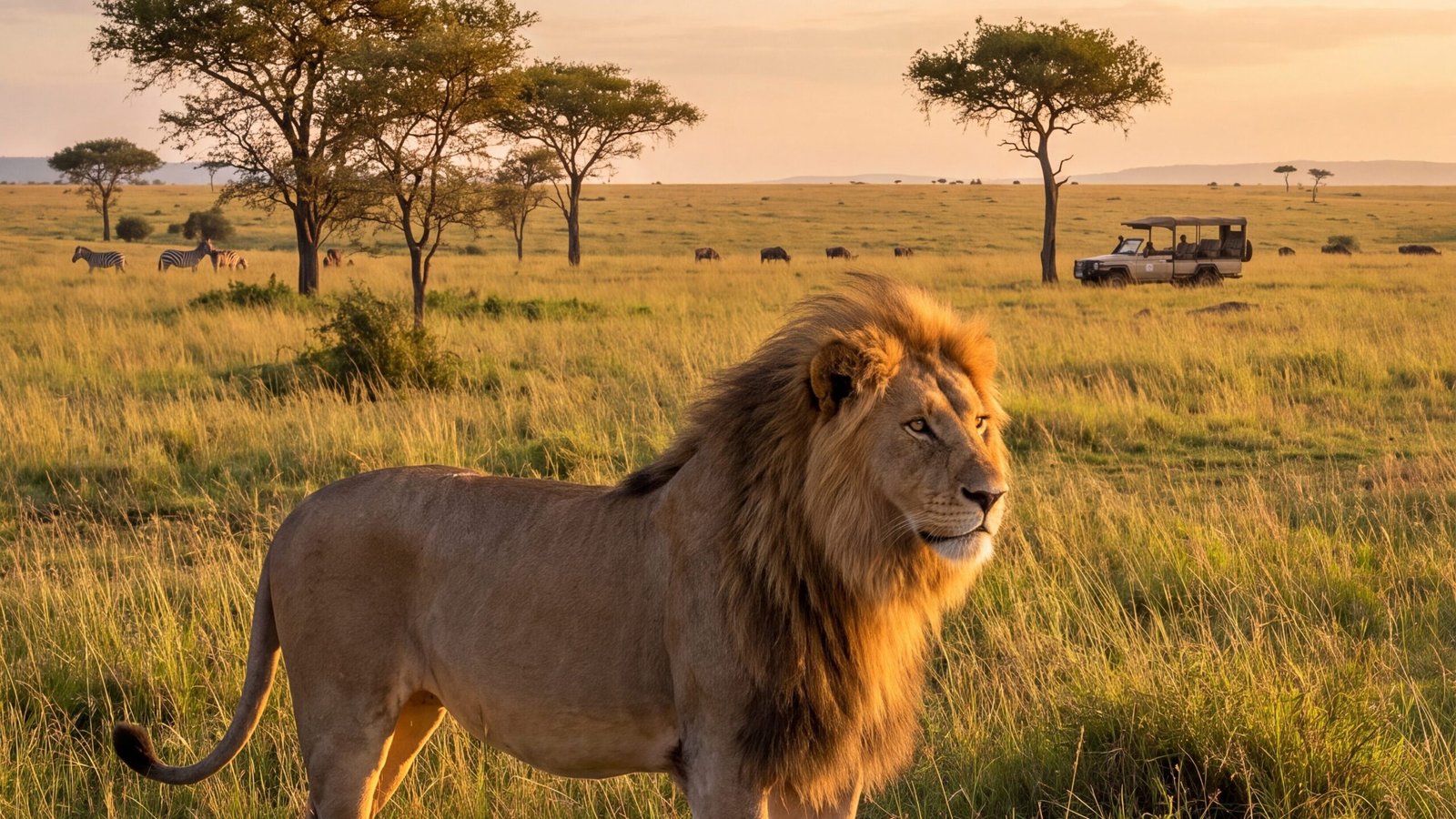
Few sights are as powerful as seeing a lion resting beneath an acacia tree or watching a pride move across the golden grasslands.
The African lion is perhaps the most recognisable member of Kenya’s Big Five. Lions are social animals and are often found living in prides consisting of related females, cubs and one or more males.
Where Can You See Lions in Kenya?
The Maasai Mara is one of Kenya’s most famous destinations for lion sightings. Its open grasslands provide excellent conditions for wildlife viewing.
You can also encounter lions in destinations including:
Maasai Mara
Amboseli National Park
Tsavo East
Tsavo West
Nairobi National Park
Meru National Park
Kenya Wildlife Service notes that Meru National Park has a healthy lion population alongside the other Big Five species.
Best Safari Experience
Early morning and late afternoon game drives can be particularly rewarding, when temperatures are cooler and wildlife activity can increase.
Safari tip: Don’t only look for lions sitting in the open. Your guide may spot them partially hidden in tall grass or beneath vegetation long before you do.
2. The African Elephant – Giants of the Wild
Standing beneath an enormous African elephant is an experience that is difficult to describe.
Elephants are among Kenya’s most iconic animals and can often be seen moving in family groups, feeding on vegetation or gathering around water sources.
Where Can You See Elephants in Kenya?
Amboseli National Park is especially famous for its elephant population and dramatic views of Mount Kilimanjaro.
Other excellent destinations include:
Amboseli National Park
Tsavo East
Tsavo West
Maasai Mara
Meru National Park
Kenya Wildlife Service describes elephants as one of the country’s iconic species and highlights their presence across Kenya’s diverse protected landscapes.
Why Amboseli Is Special
Imagine watching a herd of elephants crossing the savannah with Mount Kilimanjaro rising in the background.
This combination of wildlife and landscape is one of the signature visual experiences of a Kenya safari.
3. The African Leopard – The Elusive Big Cat
If lions are the kings of the savannah, the leopard is the master of stealth.
Leopards are powerful, intelligent and remarkably difficult to spot. Their spotted coats provide excellent camouflage, allowing them to disappear into grass, bushes and trees.
One of the most exciting moments on safari is when your guide suddenly stops the vehicle and says:
“There’s a leopard.”
Everyone looks around.
At first, you may see nothing.
Then suddenly, you notice a pair of eyes or the outline of a spotted body hidden among the branches.
Where Can You See Leopards?
Leopards can be encountered in several Kenyan wildlife areas, including:
Maasai Mara
Samburu
Tsavo
Lake Nakuru
Meru National Park
Because leopards are elusive, sightings are never guaranteed. That uncertainty is part of what makes finding one so exciting.
Safari Tip
Listen carefully to your guide. Experienced safari guides often notice tiny clues — tracks, alarm calls or unusual animal behaviour — that can lead to a leopard sighting.
4. The African Buffalo – Powerful and Unpredictable
The African buffalo may not receive as much attention as lions or elephants, but it is one of the most impressive members of the Big Five.
Large herds can create an incredible sight as hundreds of buffalo move across the grasslands.
Buffalo are powerful animals and should always be observed respectfully from a safe distance.
Where Can You See Buffalo in Kenya?
Buffalo are found in several Kenyan safari destinations, including:
Maasai Mara
Amboseli
Lake Nakuru
Tsavo
Meru National Park
Kenya Wildlife Service lists Cape buffalo among the Big Five species found in Meru National Park.
What Makes Buffalo Special?
Their strength, herd behaviour and sheer size make them fascinating to watch.
During a game drive, you may see buffalo grazing peacefully. But when a herd begins moving together across the savannah, the scale of the experience can be spectacular.
5. The Rhinoceros – A Symbol of Conservation
The rhinoceros is one of Kenya’s most important wildlife species.
Seeing a rhino in the wild is not simply a memorable safari moment — it is also a reminder of the importance of conservation.
Kenya has made significant efforts to protect its rhino populations. Kenya Wildlife Service reports that conservation programmes have helped protect and recover rhino populations, while dedicated sanctuaries provide important protection for the species.
Where Can You See Rhinos in Kenya?
Some of the notable places for rhino experiences include:
Lake Nakuru National Park
Nairobi National Park
Ol Pejeta Conservancy
Meru National Park
Tsavo conservation areas
Nairobi National Park is particularly remarkable because it offers wildlife viewing surprisingly close to the capital city and includes a rhino sanctuary.
Why Rhino Conservation Matters
Rhinos have faced severe pressure from poaching and habitat challenges.
Kenya’s conservation story demonstrates that protecting wildlife requires more than simply creating national parks. It involves rangers, conservation organisations, local communities, habitat management and long-term protection efforts.
For travellers, responsible tourism can help support the broader conservation ecosystem.
Where Is the Best Place to See the Big Five in Kenya?
There is no single location that guarantees every Big Five sighting.
However, several destinations are particularly well known for wildlife experiences.
Maasai Mara
The Maasai Mara is one of Kenya’s most iconic safari destinations.
Its open savannah landscapes support large populations of wildlife and provide excellent opportunities for game drives.
The region is also famous for the annual wildebeest migration, making it one of Africa’s most celebrated safari landscapes. Magical Kenya identifies the South Rift, including Maasai Mara and Amboseli, as a major Big Five safari region.
Amboseli National Park
Amboseli is famous for its elephants and spectacular views of Mount Kilimanjaro.
It is an excellent choice for travellers who want to combine wildlife encounters with dramatic landscapes.
Lake Nakuru National Park
Lake Nakuru provides a very different safari environment, combining wildlife with a beautiful lake and surrounding landscapes.
The park is also known for its rhino conservation importance.
Tsavo East & Tsavo West
Together, Tsavo’s protected landscapes offer vast wilderness and diverse scenery.
Tsavo West is known for attractions including Mzima Springs, volcanic landscapes and its rhino sanctuary, while the park is also home to the Big Five.
Meru National Park
For travellers looking for a less conventional safari experience, Meru offers an exciting combination of landscapes, wildlife and conservation.
Kenya Wildlife Service confirms that Meru is home to all five Big Five species and has a dedicated rhino sanctuary.
Can You See All Five Big Five Animals on One Safari?
Yes, it is possible — but there are no guarantees.
Wild animals move freely, and safari is not a zoo experience. A lion may be resting somewhere hidden, a leopard may remain inside thick vegetation, or rhinos may be far from your route.
That’s exactly what makes safari special.
Every game drive is different.
Your chances of seeing multiple Big Five species can improve by:
Spending several days on safari
Visiting wildlife-rich destinations
Taking morning and afternoon game drives
Travelling with experienced guides
Combining different parks and conservancies
Remaining patient during wildlife sightings
The goal shouldn’t simply be to “tick off” five animals.
The real experience is being present in the wilderness and watching animals behave naturally.
When Is the Best Time to See the Big Five in Kenya?
Kenya offers wildlife experiences throughout the year, although different seasons can create different safari conditions.
The dry seasons are often popular for wildlife viewing because animals may gather around available water sources and vegetation can be less dense.
The July to October period is particularly famous for the Great Wildebeest Migration in the Maasai Mara.
However, the best time for your safari depends on what you want to experience — wildlife viewing, migration, photography, landscapes, fewer crowds or budget considerations.
Why a Big Five Safari Is More Than Just Wildlife
A Kenya safari isn’t only about finding five animals.
It is about waking up before sunrise, watching the first light spread across the savannah, hearing birds call from the trees and following fresh tracks through the wilderness.
It is about seeing elephants walking across the horizon.
It is about the excitement of spotting a leopard hidden in the grass.
It is about watching a lion pride resting after a morning hunt.
And sometimes, it is simply sitting quietly and taking in the landscape.
That is the magic of Kenya.
Responsible Safari: Protecting Kenya’s Wildlife
A safari should always be about respecting the animals and the ecosystems that support them.
Kenya Wildlife Service emphasises conservation, protected-area management and community involvement as important parts of protecting Kenya’s natural heritage.
As a responsible traveller:
Never feed wild animals.
Follow your safari guide’s instructions.
Maintain a safe distance from wildlife.
Avoid loud noises around animals.
Never attempt to leave the safari vehicle without permission.
Do not purchase illegal wildlife products.
Choose responsible safari operators and accommodations.
Respect local communities and cultures.
Your journey can be both unforgettable and responsible.
Plan Your Kenya Big Five Safari with Travelexie
From the dramatic plains of Maasai Mara to the elephant-filled landscapes of Amboseli, Kenya offers a safari experience unlike anywhere else.
At Travelexie, we help travellers create thoughtfully planned Kenya journeys that combine wildlife, comfort, adventure and unforgettable experiences.
Whether you dream of seeing your first lion, photographing elephants beneath Mount Kilimanjaro, searching for the elusive leopard or witnessing rhinos in protected conservation areas, your Kenya adventure can be designed around the experiences that matter most to you.
Ready to Meet Kenya’s Big Five?
Your safari story is waiting.
Plan your Kenya journey with Travelexie and experience the wild heart of Africa.
Frequently Asked Questions
What are the Big Five in Kenya?
The Big Five are the lion, leopard, African elephant, African buffalo and rhinoceros.
Where is the best place to see the Big Five in Kenya?
The Maasai Mara is one of Kenya’s most famous Big Five safari destinations, while Amboseli, Lake Nakuru, Tsavo and Meru also offer excellent wildlife experiences.
Can I see all five Big Five animals during one safari?
Yes, it is possible, particularly on a multi-day safari visiting wildlife-rich areas. However, sightings are never guaranteed because these are wild animals.
Is Kenya good for first-time safari travellers?
Yes. Kenya offers a wide range of safari destinations, accommodation options and experienced safari operators, making it an excellent choice for a first African safari.
What is the best time for a Kenya safari?
Kenya offers safari experiences throughout the year. July to October is especially popular for the Maasai Mara’s wildebeest migration, while dry-season periods are often preferred for wildlife viewing.
Morning flight into the Mara (or road transfer), afternoon game drive near your camp
2
Maasai Mara
Full-day river crossing watch at the main crossing points (Crossing Points 1-4), packed lunch in the field
3
Maasai Mara
Dawn game drive for predators (lion, cheetah), afternoon Mara Triangle exploration
4
Maasai Mara
Second full day positioned at the river, back-up drive to Sand River if the main herd hasn’t committed
5
Maasai Mara
Maasai village visit (optional), sundowner game drive, hot air balloon safari (optional add-on)
6
Maasai Mara → Nairobi
Final morning game drive, afternoon flight back to Nairobi for onward connection
When Do the River Crossings Actually Happen?
This is the part every Kenya-bound traveler asks about, so let’s be precise instead of vague. The Great Migration reaches the Maasai Mara from July through October, but the crossings — where the herds plunge across the Mara River into crocodile-infested water — cluster in a narrower window. Most 2026 forecasts put peak crossings somewhere between August 10-12 and September 20-25, with the exact dates shifting year to year based on rainfall patterns.
If you can only pick one month, August remains the safest bet: it’s traditionally the highest-probability window, and crossings typically continue on into September as well. September is a solid alternative if you’re chasing lower crowds — by then the bulk of the herds have usually crossed, but you can still catch latecomers, with noticeably fewer vehicles at the riverbanks than during peak August.
Worth knowing before you lock dates: the migration isn’t as clockwork as it used to be. Traditionally, herds arrive in the Mara around mid-July with peak crossings in August, but recent years (2022, 2023, 2025) have shown the most intense crossing activity occasionally delayed by one to two weeks. That’s exactly why Travelexie recommends building in at least 4-5 nights near the river rather than a 2-day dash, and staying flexible on which camp cluster you book into.
For travelers weighing Kenya against a Tanzania-side viewing, both sides of the border see action in peak season — many travelers split time across the Serengeti and Maasai Mara during August-September to widen their odds of catching a crossing.
How Long Should You Wait at the River?
This is where a lot of first-time safari travelers underestimate the patience required. Wildebeest can gather at a riverbank for hours — sometimes days — before actually committing to a crossing. It’s genuinely possible to spend three full days in the Mara during peak August with excellent general game viewing and still not see one. That’s the reason Travelexie’s itinerary for Kenya always builds in a minimum of two full days positioned near the crossing points, not one rushed morning drive.
Getting There from India
There’s no direct Nairobi flight from most Indian metros, but connections are straightforward. Kenya Airways and Qatar Airways/Emirates/Etihad routings via Doha, Dubai, or Abu Dhabi typically run 8-10 hours total travel time from Delhi or Mumbai, including a short layover. From Nairobi, it’s a 45-minute domestic flight into one of the Mara’s airstrips (Keekorok, Ol Kiombo, or Musiara, depending on which camp cluster you’re staying in) — Travelexie books this connection as part of your package rather than leaving you to sort it out separately once you land.
On the visa side, Indian travelers need a Kenya Electronic Travel Authorization (eTA), applied for online before departure — there’s no visa-on-arrival option anymore. The standard eTA fee runs around USD 30-34, it’s single-entry, valid for 90 days from issue, and usually processes within about 3 business days. Travelexie recommends applying at least a week ahead to build in a buffer. If your trip combines Kenya with Tanzania, Uganda, or Rwanda, note that a fresh eTA (or the East African Tourist Visa, which covers all three of Kenya, Uganda, and Rwanda) may apply for re-entry.
Cost Breakdown (Per Person, Twin Sharing)
Migration-season pricing runs higher than off-peak Kenya trips because camps near the river fill up 12-18 months out. Here’s how Travelexie typically breaks this down for a 6-day/5-night Maasai Mara migration safari:
Budget tier (₹1,45,000 – ₹1,85,000):
Flights (Delhi/Mumbai–Nairobi return, via Gulf hub): ₹45,000–55,000
Domestic flight to Mara airstrip (return): ₹18,000–22,000
Mid-range tented camp, 5 nights, full board: ₹55,000–70,000
Park entry fees + conservancy fees: ₹20,000–25,000
Kenya eTA: ~₹2,700
Mid-range tier (₹2,00,000 – ₹2,80,000):
Same flights, upgraded to a river-view or premium tented camp
Private game drive vehicle (vs. shared)
Additional activities (Maasai village visit, guided walk)
Luxury tier (₹3,20,000+):
Riverfront luxury camp with private crossing-point access
Hot air balloon safari add-on (~₹35,000-40,000 per person)
Private guide for the full stay
The reason Travelexie itemizes this instead of quoting one bundled number: migration-season Kenya quotes from many operators bury park entry fees, conservancy fees, and domestic flight costs inside a single “package price,” so you don’t find out what’s actually covered until you’re comparing invoices after booking. Travelexie’s quotes list each of these separately upfront.
Why Book With Travelexie
Travelexie’s Kenya safari quotes are itemized — flights, camp costs, park and conservancy fees, domestic transfers, and visa assistance are each listed as separate line items, not folded into one number. This matters specifically for Kenya because park entry fees (typically USD 80-100 per day for the Maasai Mara) and conservancy fees are two of the most commonly hidden costs in competitor quotes — travelers often discover only after booking that these were never included, and end up paying more on the ground than they budgeted for. Travelexie states these upfront so what you see in your quote is what you pay, with zero surprises when you land in Nairobi. Given how tight migration-season camp availability gets, having a clear, itemized quote also means you can compare Travelexie’s pricing directly against any other operator’s — line by line.
Practical Notes for Indian Travelers
Vegetarian food: Most Mara camps can accommodate vegetarian and Jain meal requests with advance notice — flag this when Travelexie confirms your booking, not on arrival.
Currency: Kenyan Shilling (KES) is the local currency; USD cash is widely accepted at camps and airstrips for tips and incidentals. Carry small denominations.
Connectivity: Most tented camps have limited or no in-room Wi-Fi; expect patchy signal in the bush. This is normal, not a service issue.
Packing: Neutral-colored safari clothing (khaki, olive, brown), a warm layer for early-morning game drives (temperatures can drop to single digits Celsius at dawn even in August-September), and a good zoom lens if you’re serious about photographing the crossings.
Booking lead time: River-view camps for August-September 2026 are already filling up as of this writing — Travelexie recommends locking dates at least 8-10 months out for peak-season availability.
Ready to Plan Your Trip?
If you’re weighing August against September, or trying to figure out how many nights you actually need near the river, Travelexie can walk you through a customized itinerary and an itemized quote based on your travel dates and budget. No pressure to book on the first call — just a clear breakdown of what a migration-season Kenya trip actually costs, so you can plan with real numbers instead of guesswork.
In the heart of northern Kenya, Samburu offers a truly unique safari experience. With rugged landscapes, golden savannahs, rare wildlife, and rich Samburu culture, this is a destination for travellers looking to discover a quieter and more authentic side of Kenya
Discover Rare Wildlife
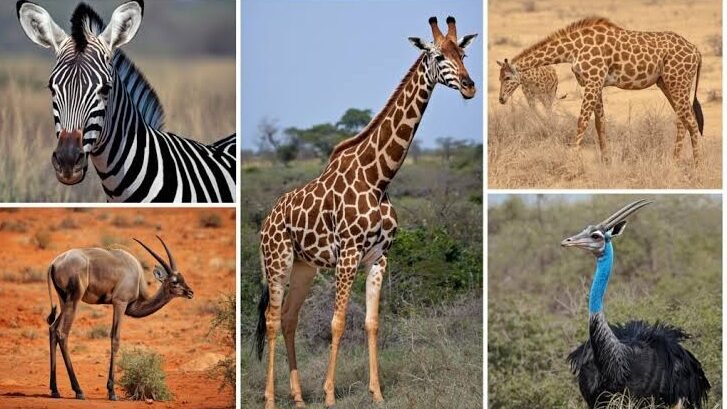
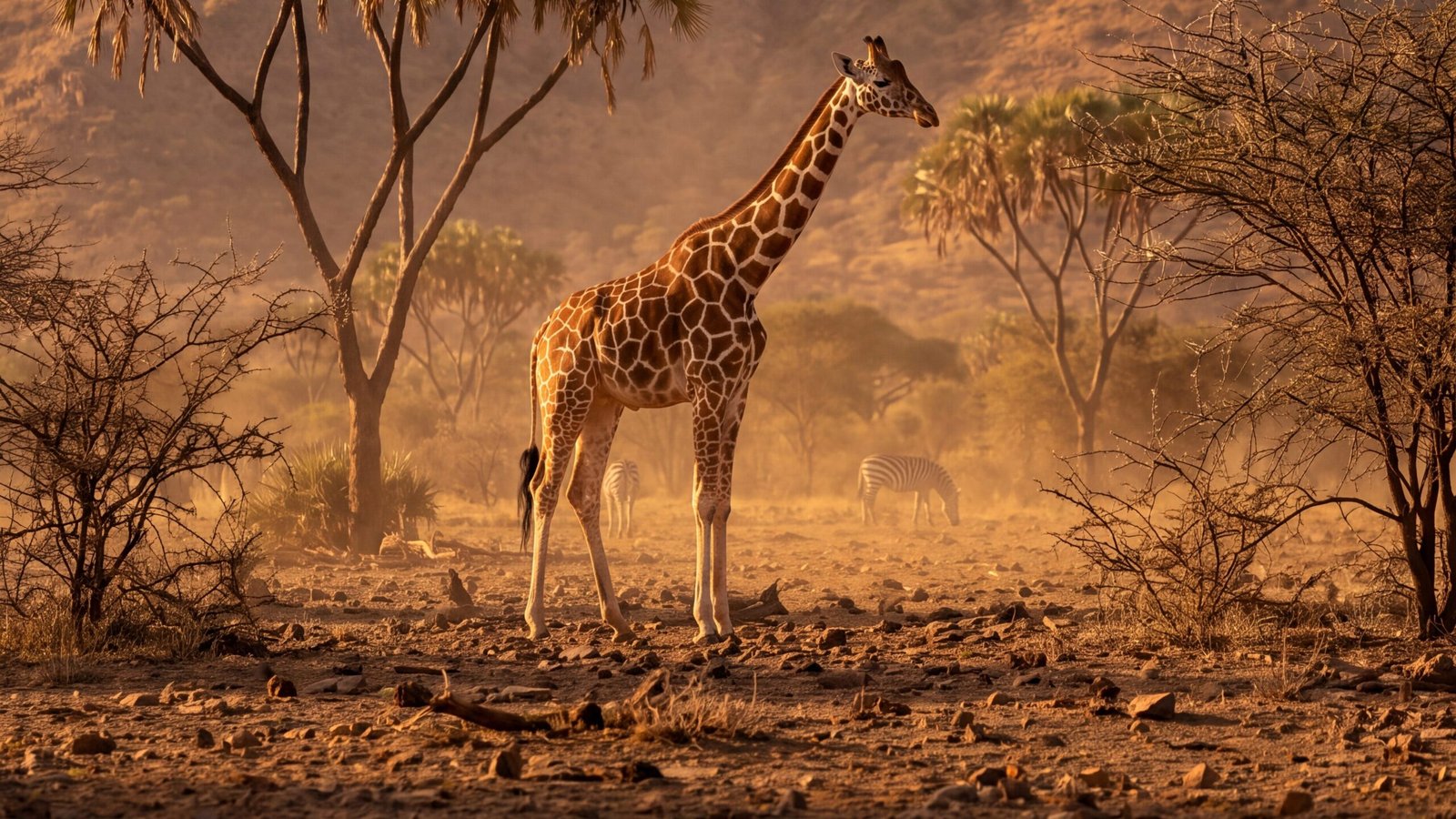
Samburu is famous for wildlife that is rarely seen together elsewhere. Keep an eye out for the Grevy’s zebra, reticulated giraffe, gerenuk, Beisa oryx, and Somali ostrich. Lions, elephants, leopards, and other classic safari animals can also be spotted across the reserve.
Adventure Through the Wild
A game drive through Samburu takes you across dry riverbeds, open grasslands, and rugged hills. Every drive offers a chance to discover something new, from a herd of elephants to predators resting beneath the shade of an acacia tree.
Follow the Ewaso Ng’iro River
The Ewaso Ng’iro River brings life to this otherwise dry landscape. Wildlife often gathers around its banks, creating incredible opportunities for photography and peaceful moments surrounded by nature.
Experience Samburu Culture
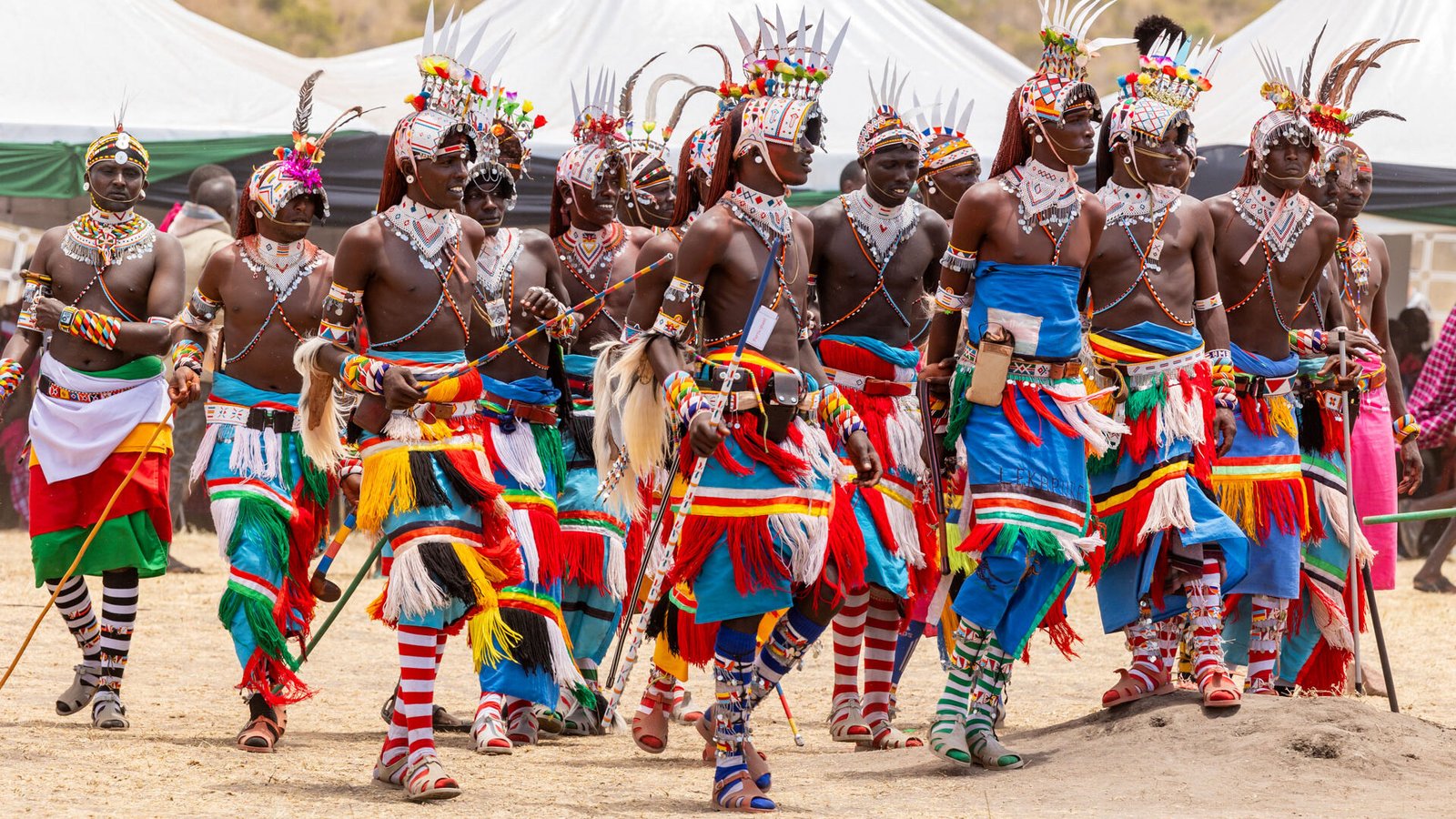
Samburu is also home to a proud and vibrant local culture. Meeting the Samburu people and learning about their traditional way of life adds a meaningful cultural dimension to your safari experience.
Golden Landscapes & African Sunsets
As the sun sets over Samburu, the rugged hills and open plains glow in warm golden tones. It is the perfect moment to pause, enjoy the silence, and take in the raw beauty of northern Kenya.
Why Samburu Should Be on Your List
From rare wildlife and exciting game drives to breathtaking landscapes and authentic cultural experiences, Samburu offers a side of Kenya that feels wild, remote, and unforgettable.
Come discover a Kenya beyond the ordinary, where every safari feels like an adventure into the unknown.
Ready to Experience Samburu?
Turn your dream Kenya safari into reality withTravelexie. From rare wildlife and thrilling game drives to breathtaking landscapes and authentic Samburu experiences, we’ll help you plan a journey made just for you.
Plan your Samburu adventure today — contact Travelexie and discover the untamed beauty of northern Kenya.
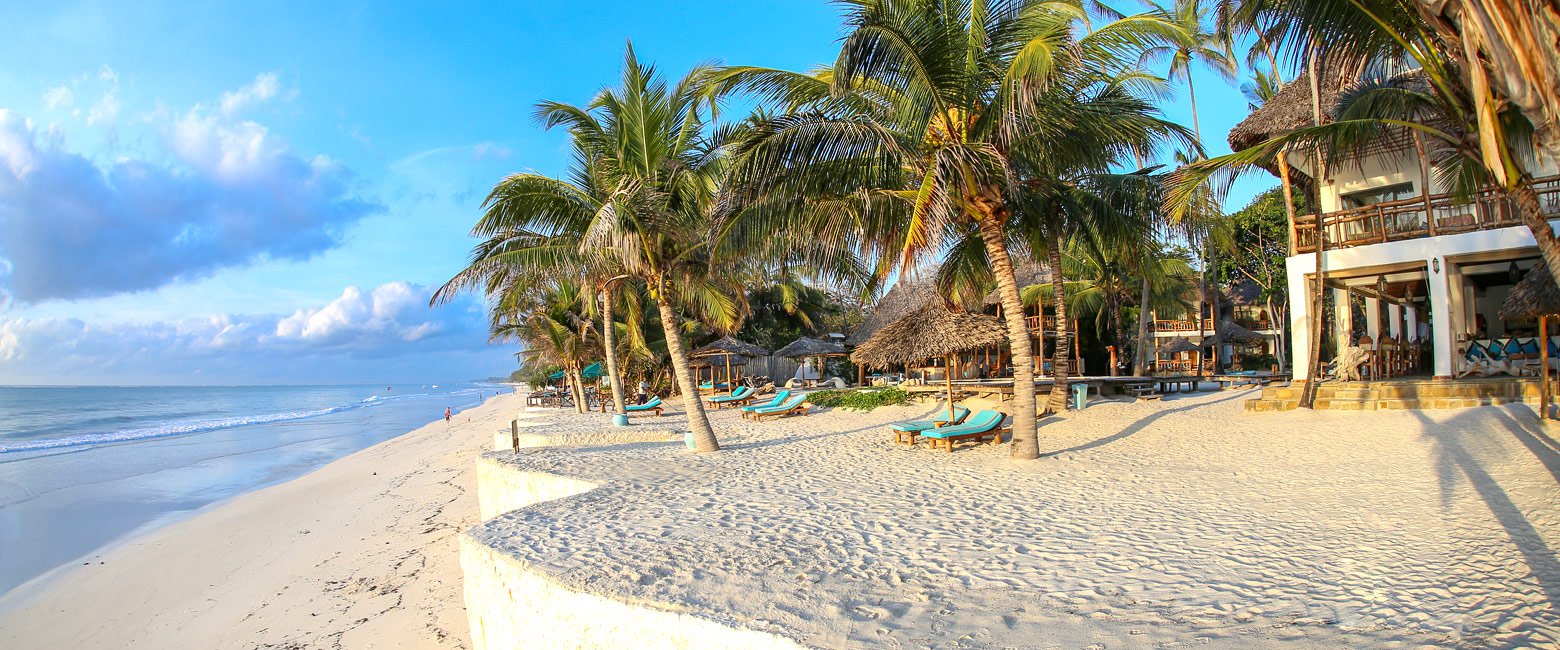
On Kenya’s stunning Indian Ocean coast, Diani Beach is a tropical paradise known for its soft white sands, turquoise waters, and unforgettable coastal experiences. With beautiful beaches, exciting water adventures, and peaceful sunsets, Diani is the perfect place to relax after an adventurous Kenya safari.
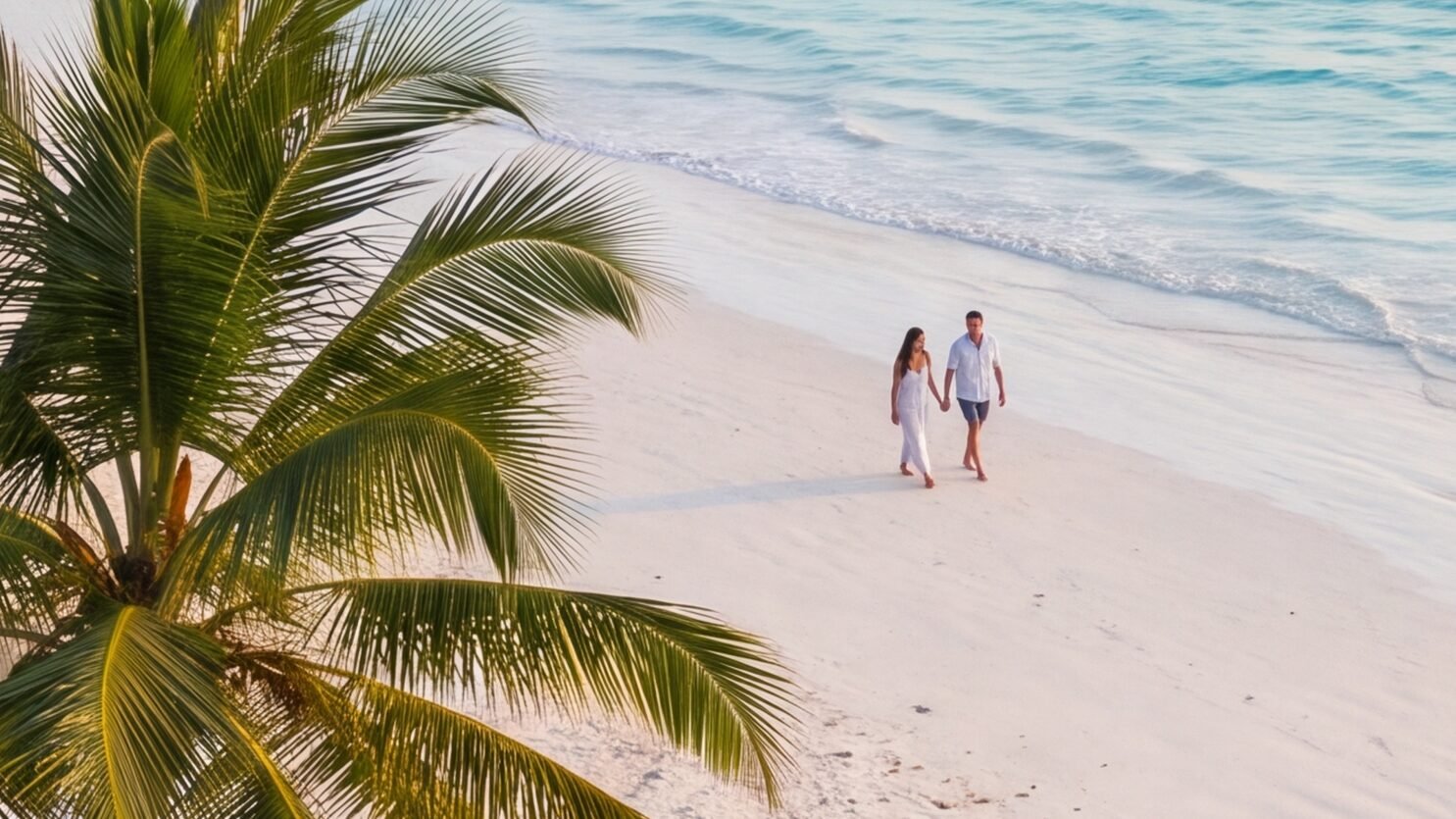
Walk Along the White Sandy Beach
Diani’s long stretch of soft white sand and crystal-clear turquoise water creates the perfect setting for a relaxing beach escape. Take a peaceful walk along the shore, enjoy the tropical surroundings, or simply relax beside the Indian Ocean.
Dive Into Ocean Adventures
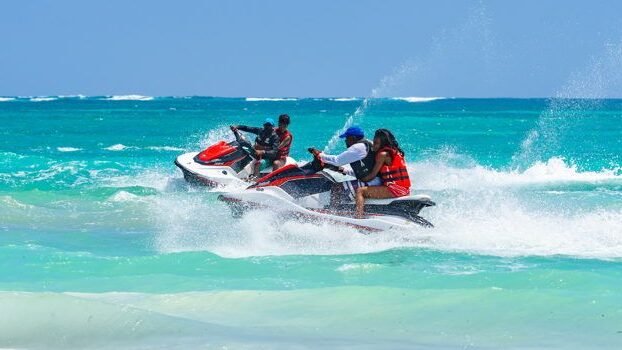
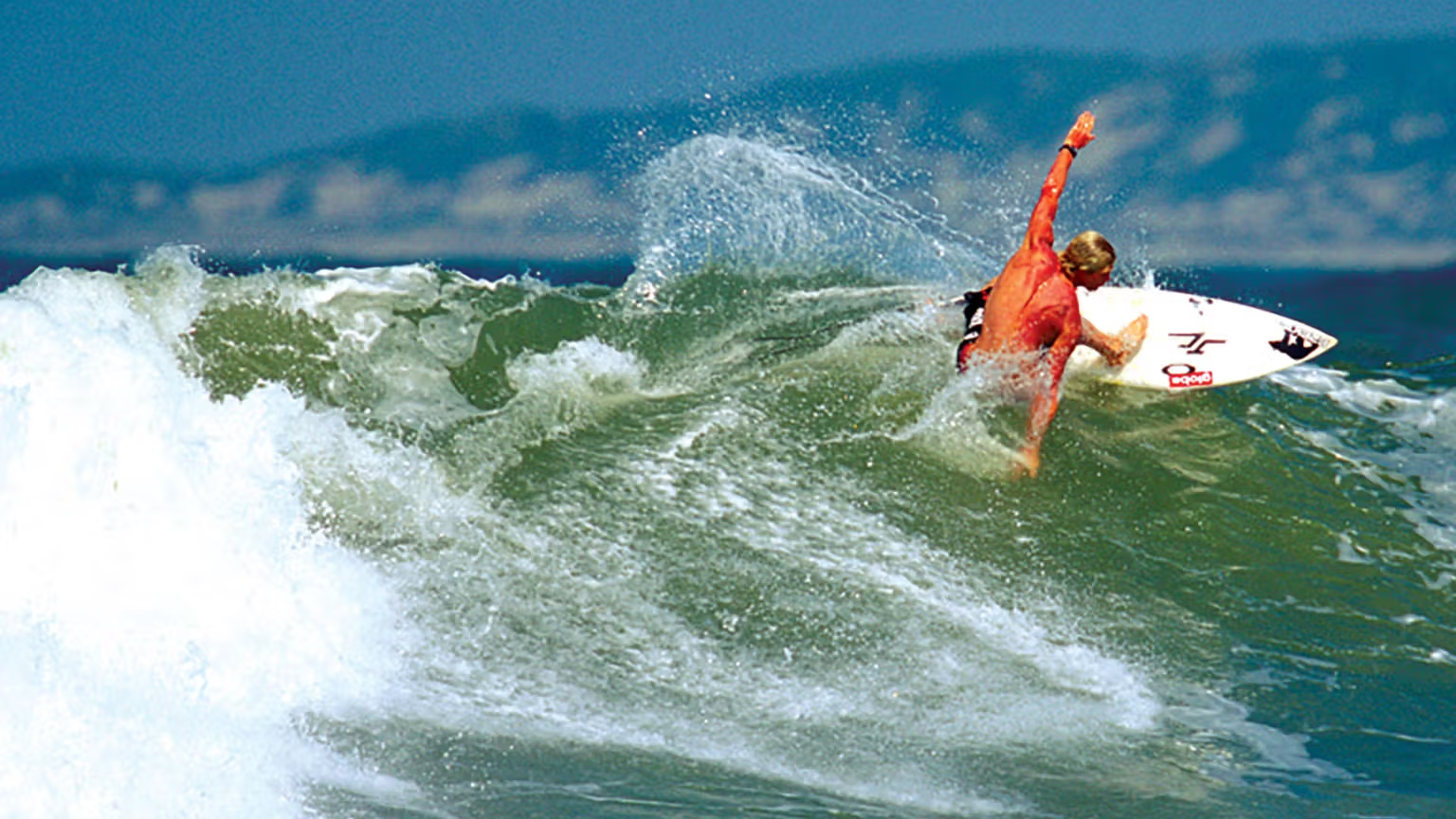
Diani Beach is perfect for adventure lovers. Enjoy snorkelling, diving, kite surfing, and other water activities while discovering the colourful marine life beneath the Indian Ocean.
Discover the Beauty Beneath the Waves
The waters around Diani offer incredible opportunities to discover Kenya’s underwater world. Colourful coral reefs and marine life make the coastline an exciting destination for both first-time explorers and experienced divers.
Explore the Tropical Coast
Diani is more than just a beach. Explore the surrounding coastal landscapes, discover local culture, or take a scenic trip along the beautiful Kenyan coast. The warm atmosphere and tropical scenery make every moment feel like a holiday.
End the Day by the Ocean
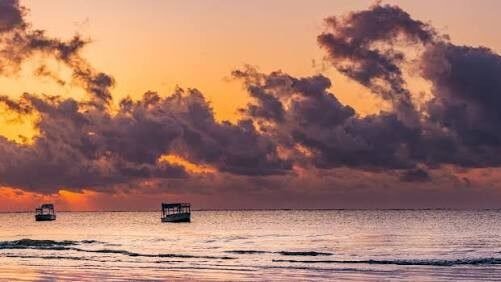
As the sun begins to set, Diani transforms into a peaceful tropical escape. Watch the sky glow over the ocean, enjoy a relaxing evening by the beach, and let the sound of the waves bring your day to a perfect end.
Why Diani Beach Should Be on Your List
From pristine beaches and thrilling water adventures to underwater exploration and unforgettable sunsets, Diani Beach offers the perfect combination of relaxation and adventure.
Come discover the coastal beauty of Kenya, where turquoise waters meet endless white sands.
Ready to Experience Diani Beach?
Turn your dream Kenya holiday into reality withTravelexie. From beautiful white-sand beaches and exciting water adventures to unforgettable sunsets and coastal experiences, we’ll help you plan a journey made just for you.
Plan your Diani Beach adventure today — contact Travelexie and discover the tropical side of Kenya.
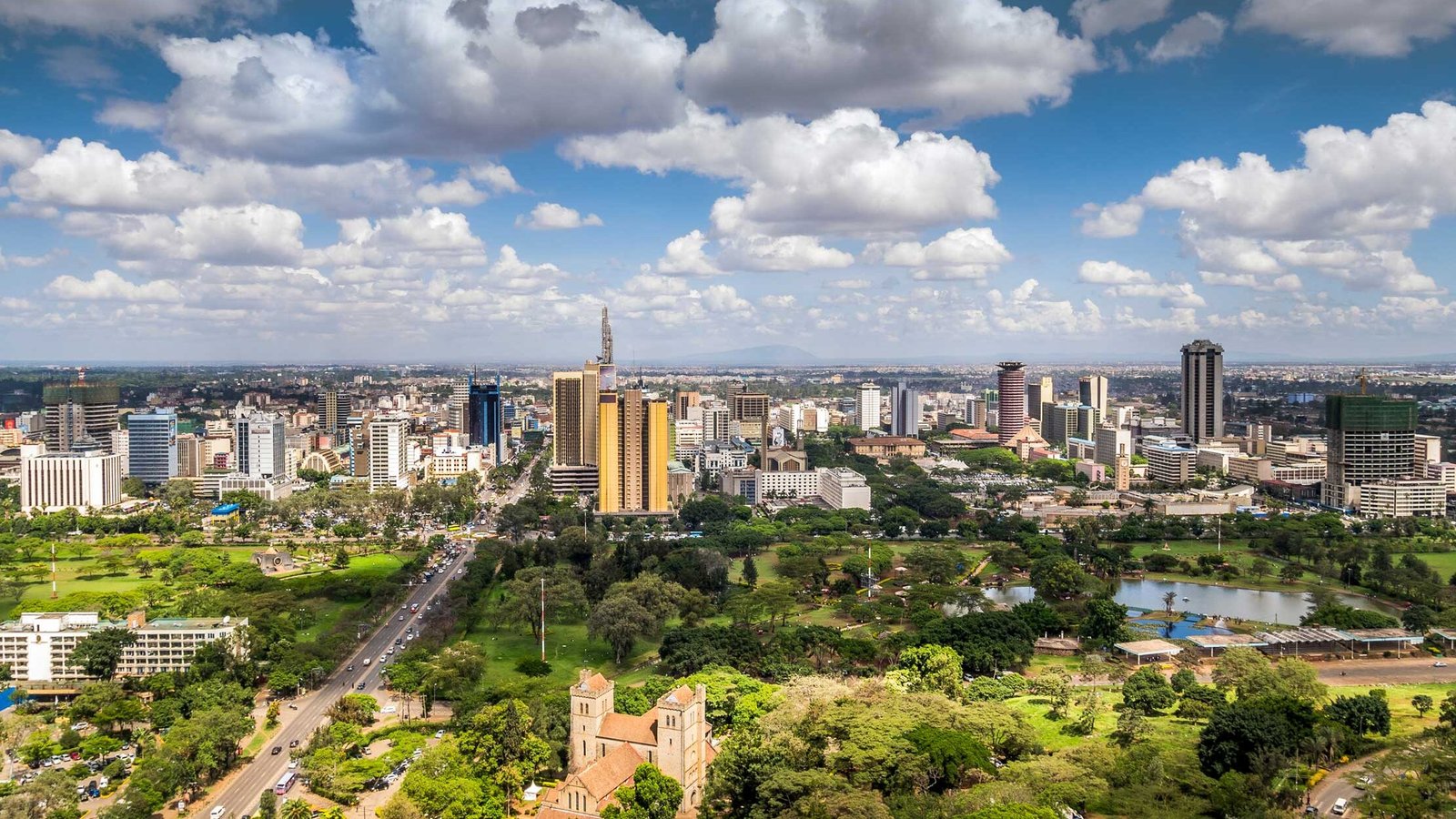
Kenya’s vibrant capital, Nairobi, is a city where modern life and wild nature exist side by side. From incredible wildlife experiences to beautiful parks, local culture, and unforgettable city views, Nairobi is the perfect starting point for an exciting Kenyan adventure.
Experience Wildlife in the City
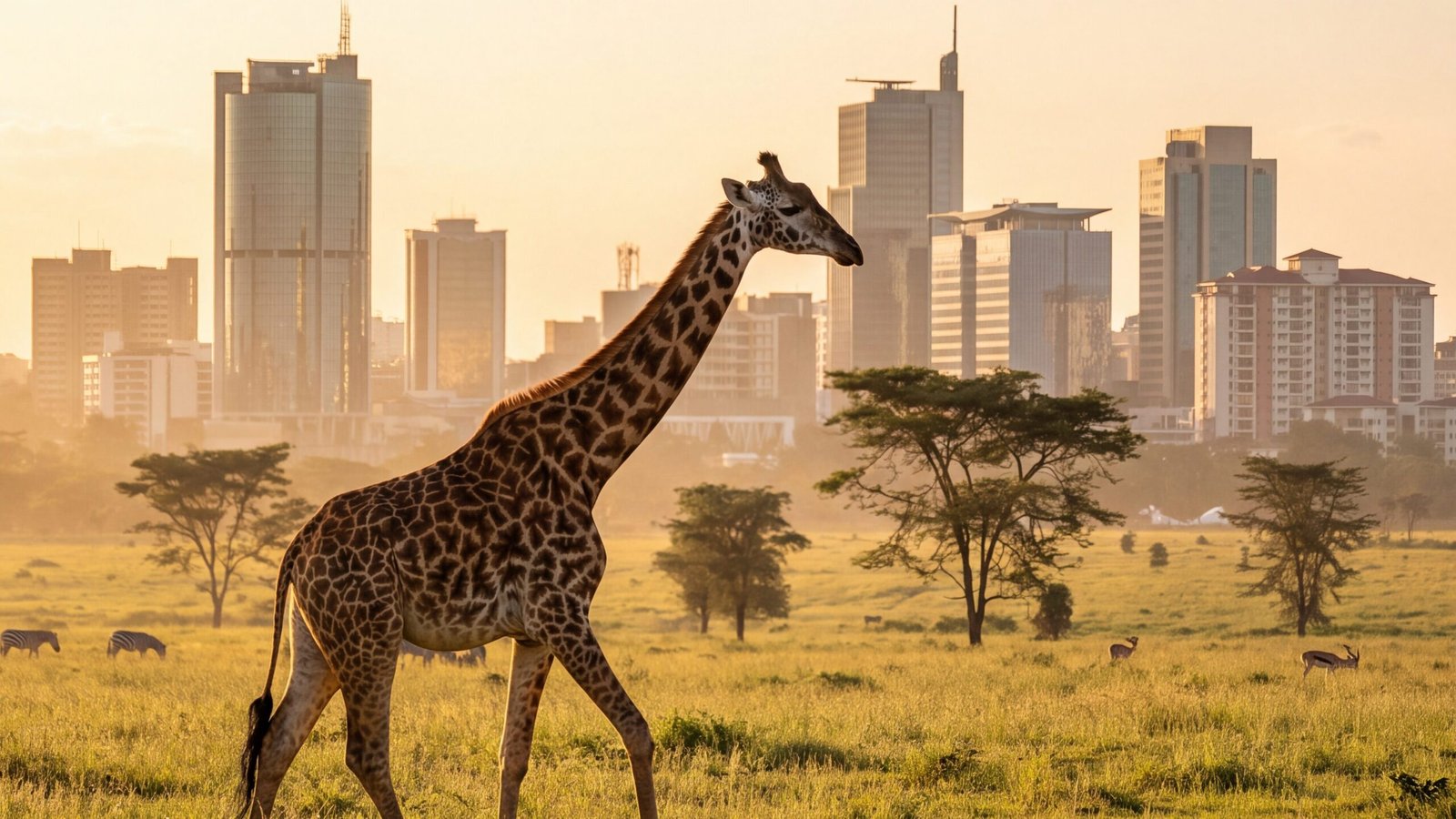
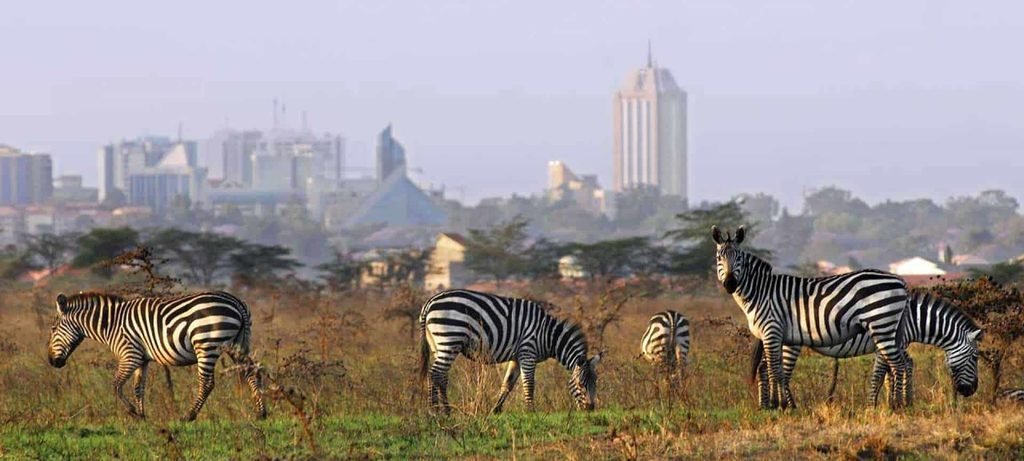
Nairobi is home to Nairobi National Park, one of the most unique wildlife destinations in Kenya. Just outside the city, you can spot lions, giraffes, zebras, rhinos, buffaloes, and other wildlife with Nairobi’s skyline in the distance.
Meet the Gentle Giants
A visit to Nairobi wouldn’t be complete without getting close to Kenya’s beloved giraffes. At the Giraffe Centre, visitors can learn about these beautiful animals and enjoy an unforgettable close-up experience.
Discover Nairobi’s Elephant Conservation
Nairobi also offers a chance to learn about elephant conservation. At the Sheldrick Wildlife Trust, visitors can see rescued baby elephants and learn about efforts to protect Kenya’s wildlife.
Explore the Green Side of Nairobi
Beyond wildlife, Nairobi has peaceful green spaces, beautiful gardens, and scenic places to explore. Take a break from the busy city and enjoy Kenya’s natural beauty right in the heart of the capital.
Feel the Energy of Kenya’s Capital
As the sun sets, Nairobi comes alive with its restaurants, cafés, local markets, and vibrant atmosphere. It’s the perfect place to experience a mix of modern Kenya and traditional culture before continuing your safari journey.
Why Nairobi Should Be on Your List
From wildlife encounters and elephant conservation to city adventures and beautiful natural spaces, Nairobi offers the perfect introduction to Kenya.
Come discover a city where the wild is never far away.
Ready to Experience Nairobi?
Turn your dream Kenya safari into reality with Travelexie. From unforgettable wildlife encounters and giraffe experiences to exciting city adventures and Nairobi National Park, we’ll help you plan a journey made just for you.
Plan your Nairobi adventure today — contact Travelexie and start your journey into Kenya.
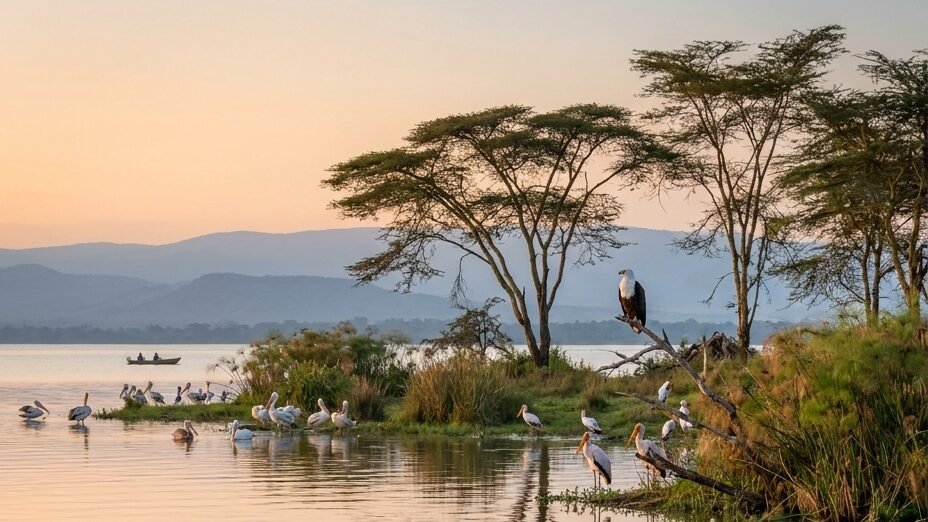
Nestled in Kenya’s Great Rift Valley, Lake Naivasha is a peaceful escape surrounded by beautiful landscapes, wildlife, and adventure. From boat rides across the lake to walking among wildlife, Naivasha offers a different side of Kenya beyond traditional safari.
Discover Wildlife by the Lake
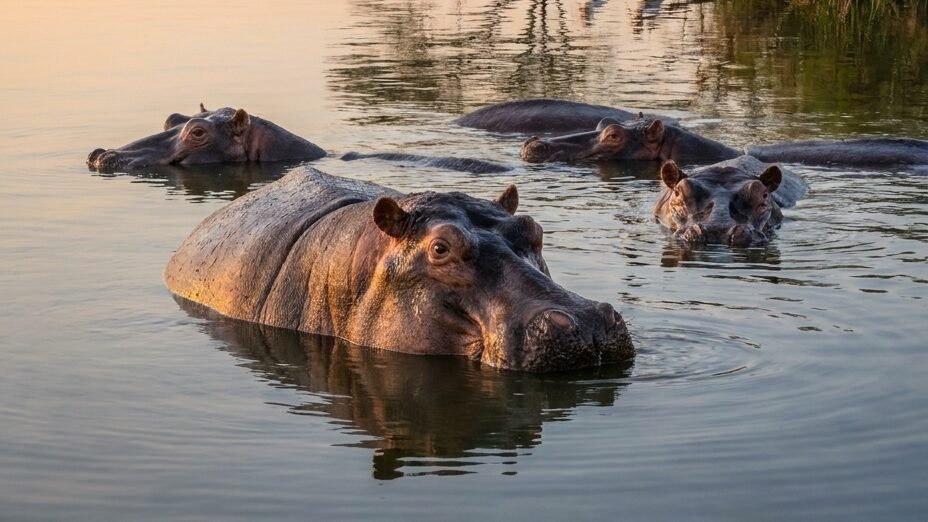
Lake Naivasha is famous for its hippos, which can often be seen resting in the water. The surrounding area is also home to giraffes, zebras, buffaloes, and many species of birds, making it a wonderful destination for nature and wildlife lovers.
Experience a Scenic Boat Safari
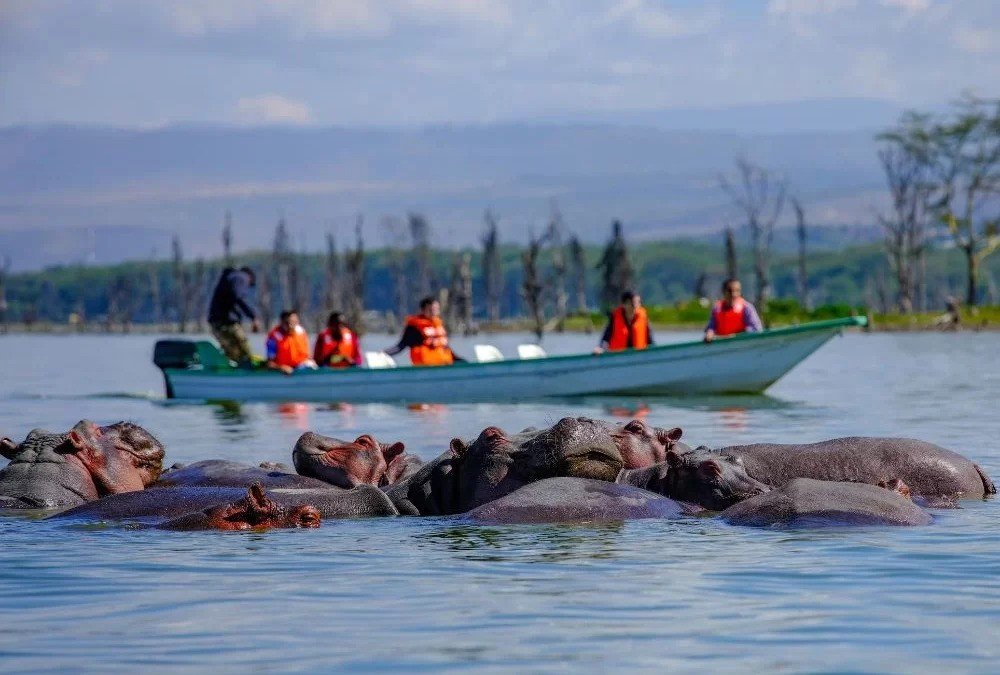
One of the best ways to experience Lake Naivasha is from the water. A peaceful boat safari takes you close to hippos and allows you to spot birds and wildlife along the shoreline while enjoying the beautiful views of the lake.
Walk Among Wildlife at Crescent Island
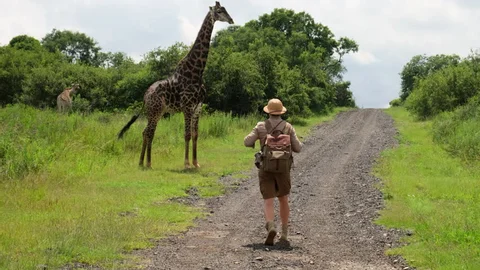
For a more adventurous experience, visit Crescent Island, where you can enjoy a guided walking safari surrounded by giraffes, zebras, and other wildlife. Walking through the open landscape creates a completely different and unforgettable safari experience.
Explore the Beauty of the Great Rift Valley
Peaceful Sunsets by the Lake
As the day comes to an end, Lake Naivasha becomes even more magical. Watch the sunset reflect across the water while birds fly across the sky and the surrounding landscape turns golden.
Why Lake Naivasha Should Be on Your List
From peaceful boat rides and walking safaris to unforgettable wildlife encounters and stunning Rift Valley scenery, Lake Naivasha offers a perfect mix of adventure and relaxation.
Come discover the peaceful side of Kenya, where wildlife, water, and wild beauty come together.
Ready to Experience Lake Naivasha?
Turn your dream Kenya safari into reality withTravelexie. From unforgettable boat safaris and wildlife encounters to beautiful lake views and walking adventures, we’ll help you plan a journey made just for you.
Plan your Lake Naivasha adventure today — contact Travelexie and discover the beauty of Kenya.
Trusted & Recognized
Registered & Certified
Registered with the Ministry of Corporate Affairs, Government of India (CIN: U56101WB2024PTC269471), GST Registered (GSTIN: 19AALCC7475M1ZS), Travelexie is a unit of CYC Enterprises Pvt. Ltd. (IATA Accredited Agent Numeric Code: 14040902) , ISO Certified, and recognized by the Government of India, Ministry of Tourism.