
Kenya vs South Africa Safari: Which African Destination Is Better for Indian Travellers?

If you are planning your first African holiday, two destinations will probably appear at the top of your list:

Kenya and South Africa.

Both offer incredible wildlife experiences, beautiful landscapes and unforgettable safari moments.

But they are not the same kind of holiday.

Kenya is strongly associated with the African savannah, Maasai Mara and the Great Migration.

South Africa combines safari with cosmopolitan cities, wine regions, beaches, scenic drives and diverse landscapes.

So, which one should Indian travellers choose?

Kenya or South Africa?

The answer depends on what kind of African experience you want.

In this guide, we’ll compare Kenya and South Africa across wildlife, safari, cities, beaches, food, family travel, honeymoon experiences, budget and overall travel style.


Kenya vs South Africa: Quick Comparison

Feature🇰🇪 Kenya🇿🇦 South Africa
Main attractionSafari & wildlifeSafari + cities + landscapes
Famous safariMaasai MaraKruger & private reserves
Great Migration⭐⭐⭐⭐⭐❌
Big Five⭐⭐⭐⭐⭐⭐⭐⭐⭐⭐
City experience⭐⭐⭐⭐⭐⭐⭐⭐
Beach holidays⭐⭐⭐⭐⭐⭐⭐⭐
Wine & food⭐⭐⭐⭐⭐⭐⭐⭐
Scenic road trips⭐⭐⭐⭐⭐⭐⭐⭐⭐
Family travelExcellentExcellent
HoneymoonExcellentExcellent
First African safariExcellentExcellent
Variety of experiencesHighVery high

There is no universal winner.

It depends on your priorities.


🇰🇪 Why Choose Kenya?

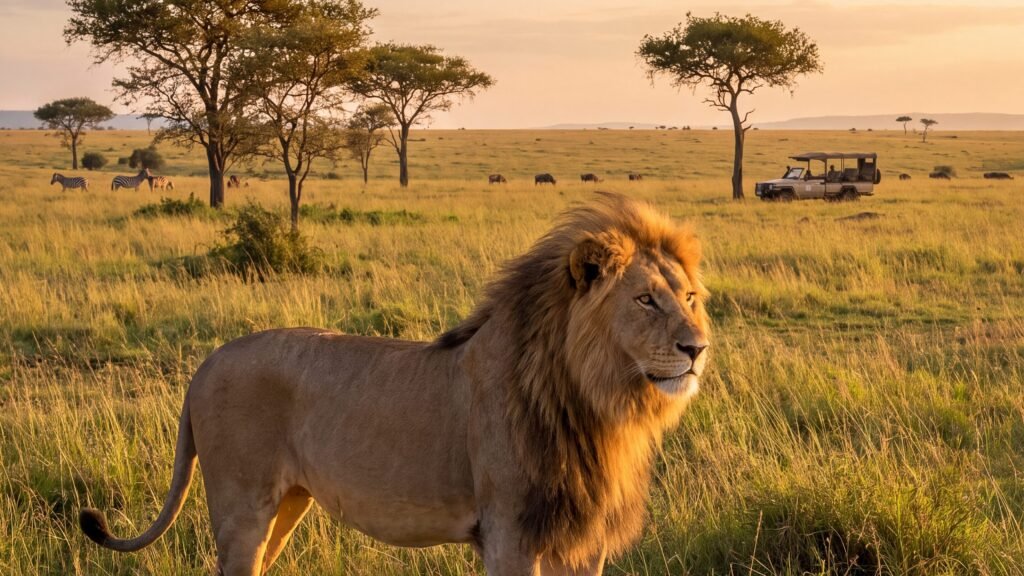
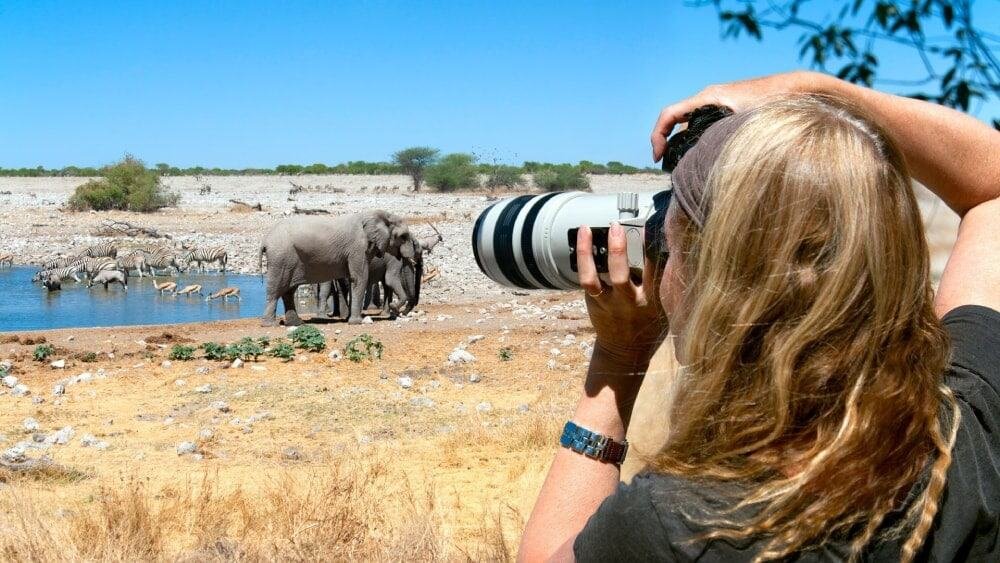
Kenya is one of the destinations that immediately comes to mind when people imagine an African safari.

Think:

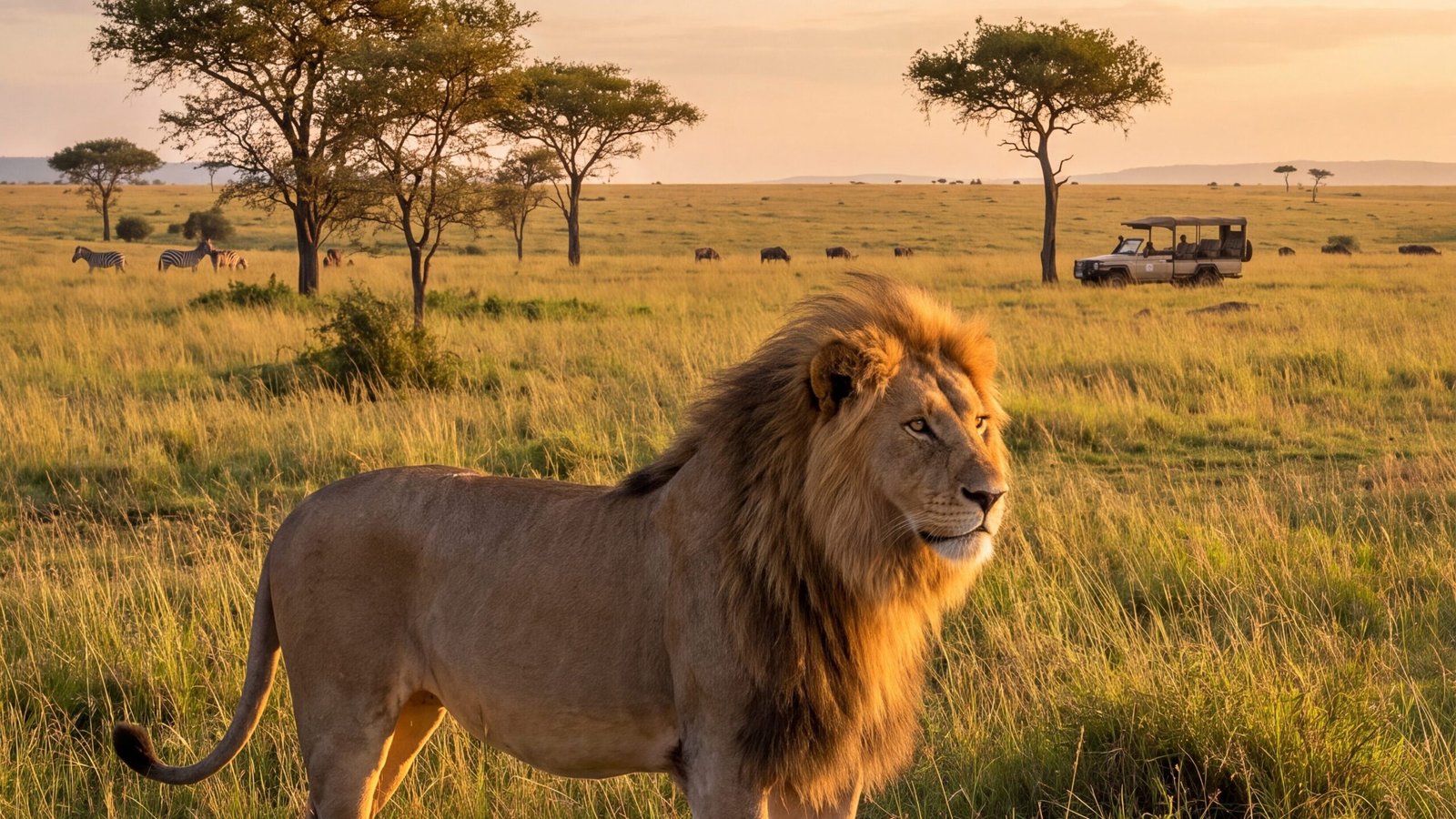
🦁 Lions
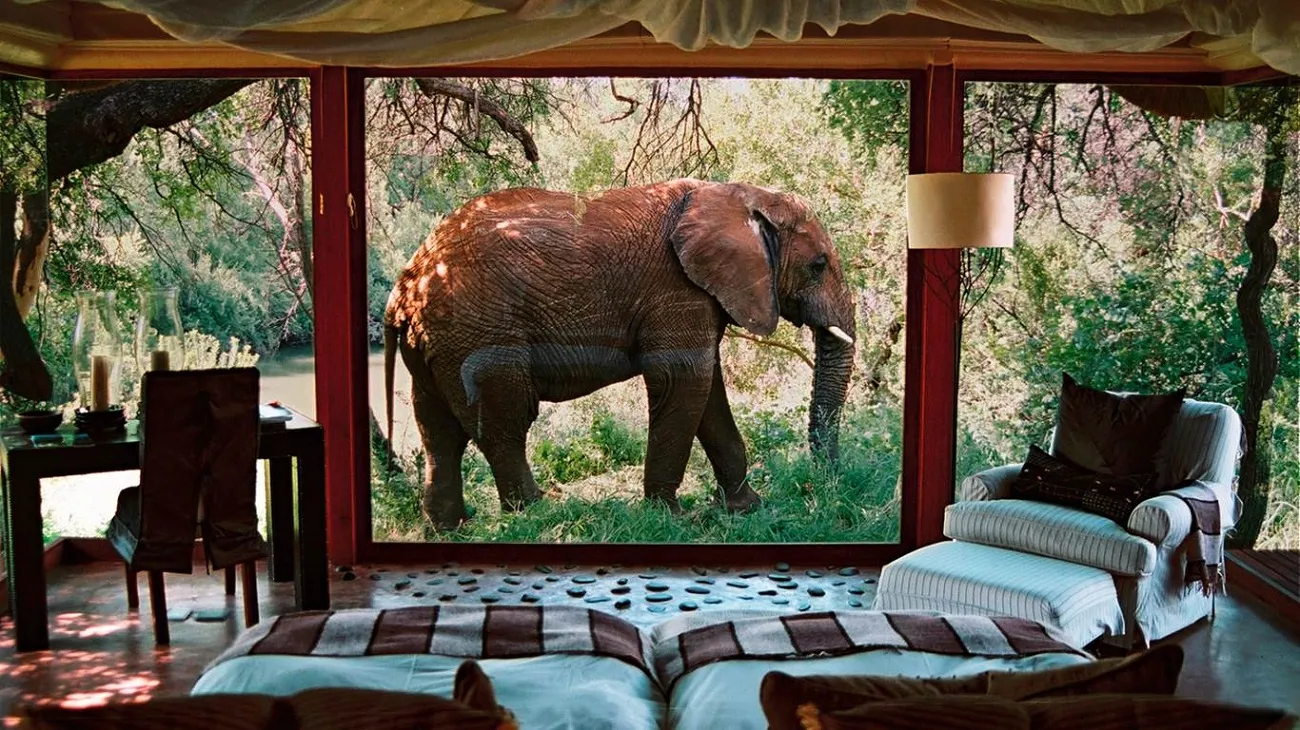
🐘 Elephants
🦒 Giraffes
🦓 Zebras
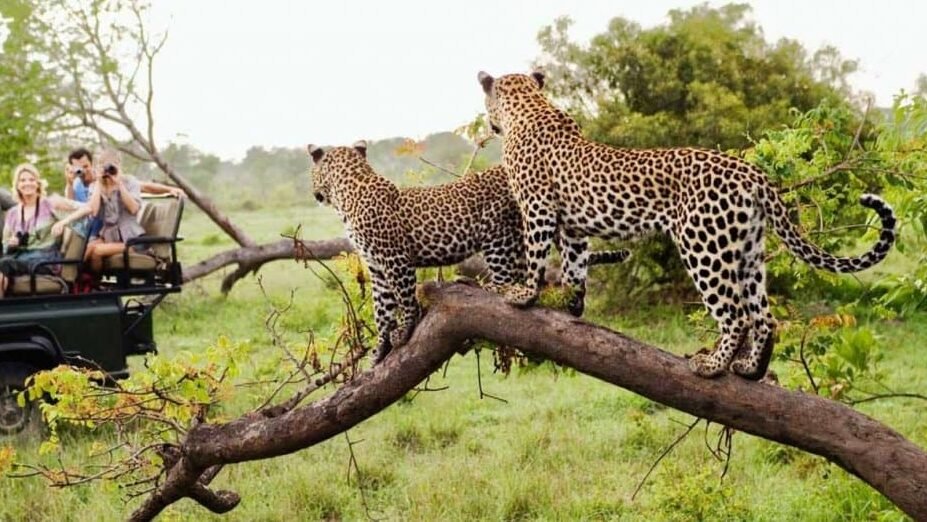
🐆 Leopards
🦬 Buffalo
🌅 Golden savannahs
🛻 Game drives

And, of course, the Maasai Mara.

Kenya is particularly appealing if wildlife is the main reason for your trip.


🇿🇦 Why Choose South Africa?

South Africa offers something slightly different.

Instead of focusing almost entirely on safari, you can combine wildlife with:

🏙️ Cape Town
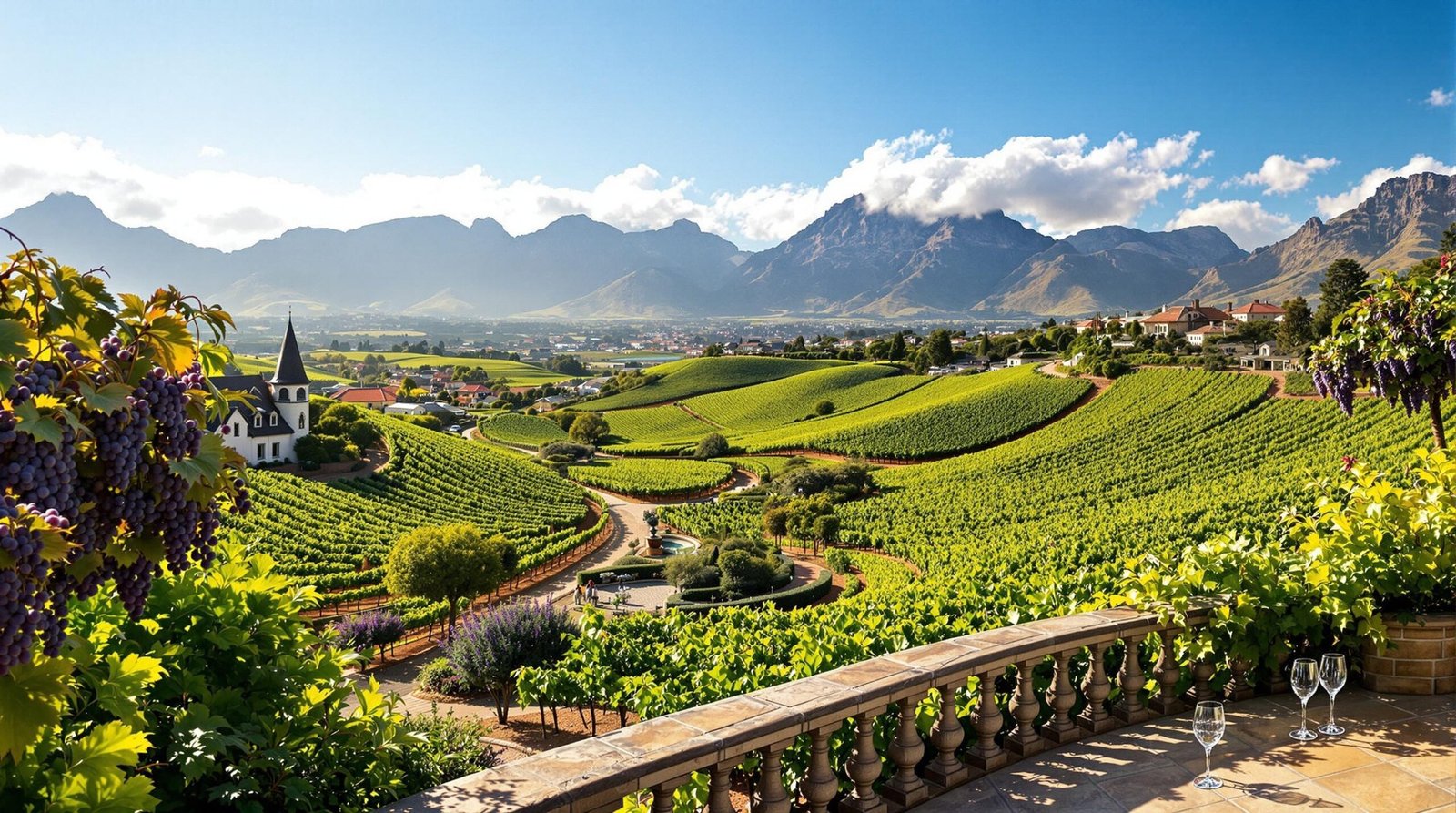
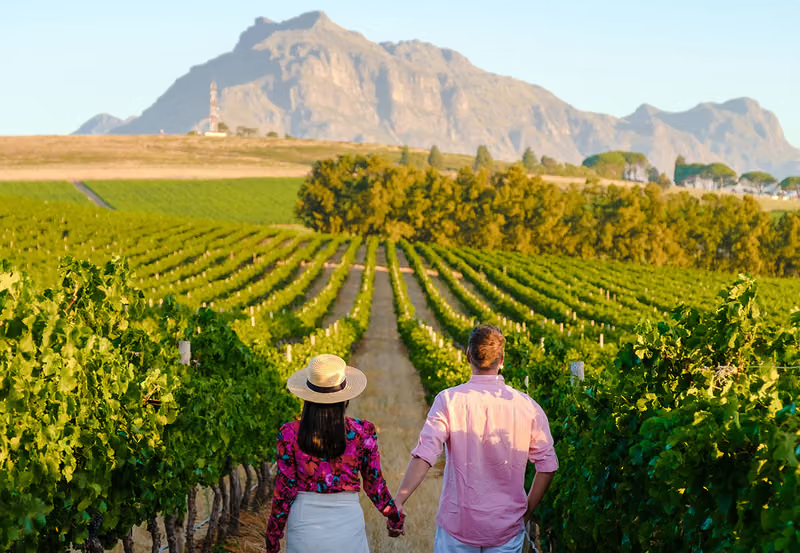
🍷 Cape Winelands
⛰️ Scenic landscapes
🌊 Coastal experiences
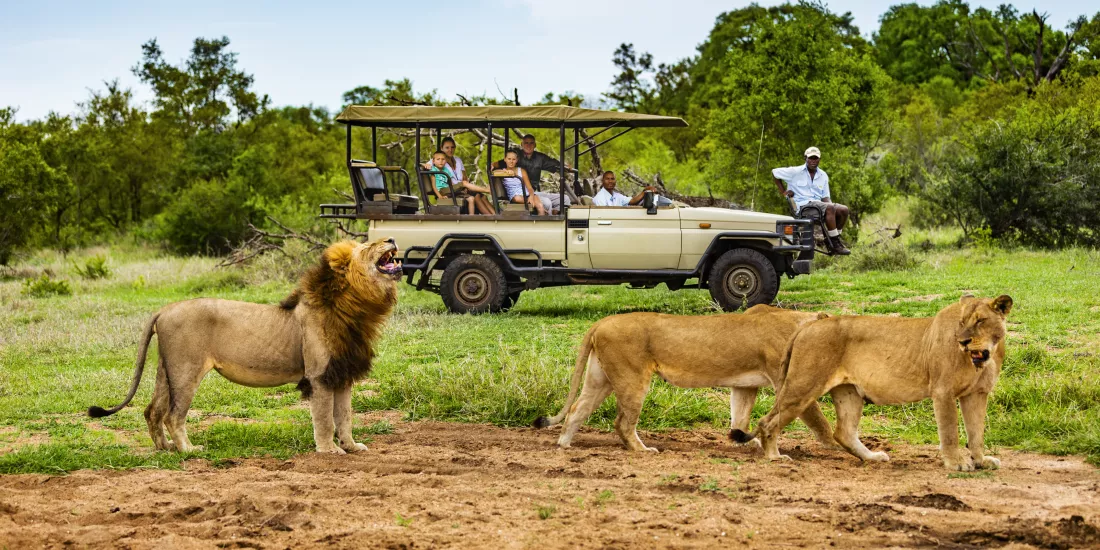
🦁 Safari
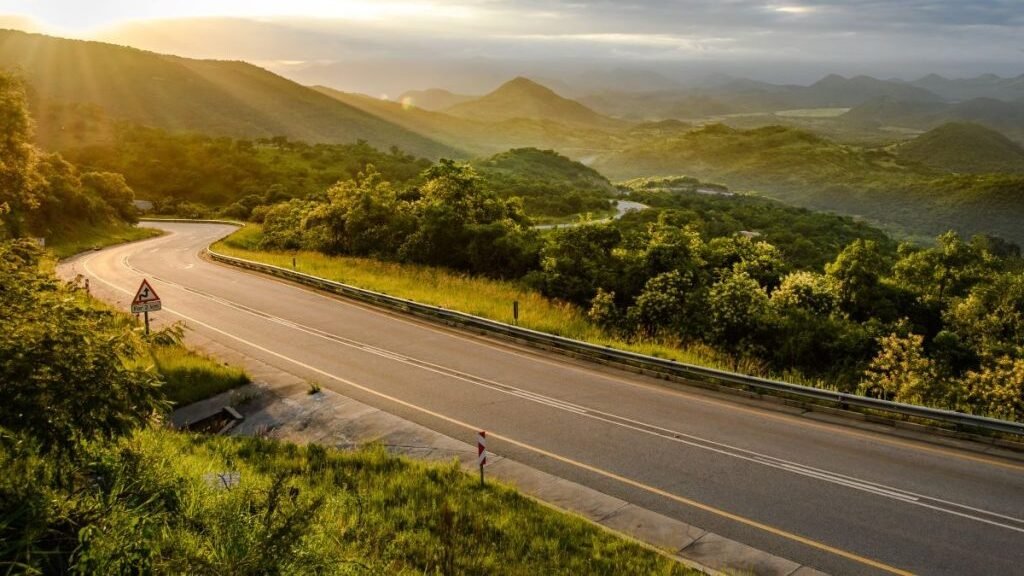
🚗 Road trips
🌆 Johannesburg
🌄 Panorama Route

This makes South Africa particularly attractive to travellers who want a multi-experience holiday.

You can spend one part of your trip watching wildlife and another exploring one of Africa’s most iconic cities.


Kenya vs South Africa for Wildlife

Both countries are excellent for wildlife.

But the experience can feel very different.

Kenya

Kenya’s classic safari experience revolves around open savannah landscapes.

The Maasai Mara is particularly famous for large concentrations of wildlife and the Great Migration.

You may encounter:

  • Lions
  • Elephants
  • Giraffes
  • Zebras
  • Wildebeest
  • Buffalo
  • Leopards
  • Cheetahs

The wide-open landscapes create the classic African safari atmosphere.


South Africa

South Africa also offers outstanding wildlife viewing.

The Kruger region and private reserves are particularly famous.

One advantage is the variety of safari experiences available.

Depending on where you stay, you may have:

  • Morning game drives
  • Evening game drives
  • Guided bush walks
  • Private reserve experiences
  • Luxury safari lodges

For travellers who want a combination of safari and luxury accommodation, South Africa can be particularly appealing.


Kenya vs South Africa for the Big Five

The Big Five are:

Lion · Leopard · Elephant · Rhino · Buffalo

Both destinations offer opportunities to see them.

Kenya

The Maasai Mara and other Kenyan reserves provide excellent opportunities for wildlife viewing.

South Africa

South Africa’s private reserves and Kruger ecosystem are also famous for Big Five experiences.

So if your only question is:

“Which country has the Big Five?”

The answer is:

Both.

Your specific safari area, guide, season and luck matter more than simply choosing one country.


Kenya Wins for the Great Migration

This is where Kenya has a major advantage.

The Great Migration is one of the world’s most famous wildlife spectacles.

Huge herds of wildebeest and zebra move through the Serengeti-Mara ecosystem following food and water.

The Maasai Mara can become a major part of the migration story, particularly during the period when herds move north from Tanzania.

But there is one important thing every traveller should understand:

Wildlife does not follow a calendar.

Migration timing varies naturally.

No responsible safari company should guarantee an exact crossing or specific animal sighting.

If experiencing the Great Migration is your dream, however, Kenya deserves serious consideration.


Kenya vs South Africa for Landscapes

Both countries are visually spectacular.

But again, the style is different.

Kenya

Think:

Savannah + mountains + wildlife + vast open landscapes

The scenery feels raw, wild and traditionally African.

South Africa

Think:

Mountains + coastline + vineyards + forests + savannah + cities

South Africa offers greater geographical variety within a single country.

For travellers who love changing scenery, South Africa may have the edge.


Kenya vs South Africa for City Experiences

This is an easy win for South Africa.

Kenya’s Nairobi offers a fascinating combination of modern city life and access to wildlife.

But South Africa offers major urban destinations such as:

Cape Town

and

Johannesburg.

Cape Town in particular can turn an African safari into a much broader holiday.

You can combine:

  • Table Mountain
  • Cape Peninsula
  • Cape Winelands
  • Coastal scenery
  • Restaurants
  • Shopping
  • Museums
  • Cultural experiences

So if you don’t want your entire holiday to revolve around safari, South Africa may be the better choice.


Kenya vs South Africa for Beaches

Both countries offer beautiful coastal experiences.

Kenya

Kenya’s Indian Ocean coast includes destinations such as Diani Beach, making it easy to combine safari and beach relaxation.

A popular combination can be:

Nairobi → Maasai Mara → Diani Beach

This creates a balanced:

Safari + Beach

holiday.


South Africa

South Africa has an extensive coastline with very different coastal landscapes.

You can explore beaches around Cape Town and along other coastal regions.

However, if your priority is specifically a classic tropical beach extension after safari, Kenya’s Diani option can be particularly attractive.


Kenya vs South Africa for Food

South Africa generally has a stronger advantage for travellers who are passionate about food and wine.

Cape Town and the Winelands offer:

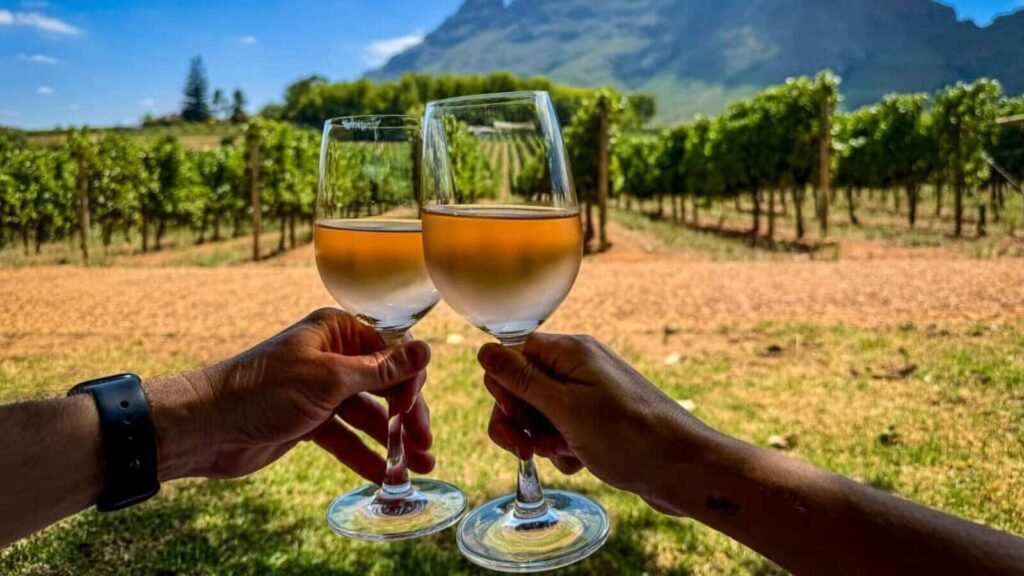
🍷 Wine experiences
🥩 Fine dining
🍽️ International cuisine
☕ Cafés
🦪 Seafood
🥘 Local South African dishes

Kenya also has a fascinating food culture, particularly in Nairobi and along the coast.

But if food and wine are a major part of your holiday, South Africa has more variety for most international travellers.


Kenya vs South Africa for Indian Food

Indian travellers often wonder:

“Will I get vegetarian or Indian food?”

In major cities and tourist areas, vegetarian options are generally available in both countries.

South Africa’s major cities also have a significant Indian-origin population, particularly in KwaZulu-Natal, contributing to a wider range of Indian cuisine.

Kenya also has Indian restaurants and Indian-influenced cuisine, particularly in Nairobi and Mombasa.

Still, during safari stays, meal choices can be more limited than in major cities.

If you have strict dietary requirements, tell your hotel or tour operator before travelling.


Kenya vs South Africa for Honeymoon

Both are excellent honeymoon destinations—but for different reasons.

❤️ Kenya Honeymoon

Perfect for couples who want:

  • Safari
  • Wildlife
  • Luxury lodges
  • Romantic bush dinners
  • Sunset game drives
  • Beach relaxation

A Kenya honeymoon can combine:

Maasai Mara + Diani Beach

for a memorable safari-and-beach experience.


❤️ South Africa Honeymoon

Perfect for couples who want:

  • Cape Town
  • Luxury hotels
  • Safari
  • Wine estates
  • Scenic drives
  • Fine dining
  • Coastal experiences

A possible journey could combine:

Cape Town + Winelands + Safari

This gives couples more variety.

Honeymoon Winner?

Kenya if your dream is a romantic safari.

South Africa if you want safari + city + food + wine + scenery.


Kenya vs South Africa for Family Holidays

Both destinations can work extremely well for families.

Kenya

Children can experience:

🦁 Wildlife
🐘 Elephants
🦒 Giraffes
🦓 Zebras
🌅 Savannah landscapes

It can feel like stepping into a real-life wildlife documentary.


South Africa

Families can combine:

Safari + Cape Town + sightseeing + beaches

This gives children more variety beyond game drives.

Family Winner?

For a pure safari family holiday: Kenya.

For a multi-experience family holiday: South Africa.


Kenya vs South Africa for First-Time African Travellers

If this is your first trip to Africa, both are excellent choices.

But your personality matters.

Choose Kenya if you say:

“I want to experience a real African safari.”

Choose South Africa if you say:

“I want safari, but I also want cities, food, wine and sightseeing.”

That one distinction can make your decision much easier.


Kenya vs South Africa: Which Is More Affordable?

There is no universal answer.

Your total cost depends on:

  • Flights

South Africa Travel Guide for Indians: Safari, Cape Town, Visa, Budget & Best Time

South Africa is one of those rare destinations where you can experience a vibrant city, dramatic coastlines, world-class wildlife, scenic mountains, wine country and unforgettable road journeys in a single holiday.

For Indian travellers planning their first trip to Africa, South Africa can be an exciting alternative to a traditional European or Asian holiday.

Imagine starting your journey in Cape Town, seeing the iconic Table Mountain, driving along the Cape Peninsula, meeting penguins at Boulders Beach, exploring the Winelands, enjoying a safari near Kruger National Park and finishing your journey in Johannesburg.

This guide covers the most important things Indian travellers should know before planning a South Africa holiday—including the best time to visit, visa information, approximate costs, places to visit, safari experiences and what to compare before booking a travel package.


Why Should Indians Visit South Africa?

South Africa is not only about safari.

That is one of the biggest reasons it works so well as a holiday destination.

A single trip can combine:

  • 🦁 Wildlife safari
  • 🏙️ Modern cities
  • 🏔️ Dramatic landscapes
  • 🌊 Beaches and coastlines
  • 🍷 Winelands
  • 🐧 Penguin colonies
  • 🚗 Scenic road journeys
  • 🌍 African culture and history
  • 📸 Incredible photography opportunities

For Indian travellers who want more than a typical sightseeing holiday, South Africa offers a much wider variety of experiences.

And unlike a trip focused entirely on wildlife, a well-designed South Africa itinerary can balance city experiences, nature, adventure and relaxation.


Is South Africa Good for First-Time African Travellers?

Yes.

South Africa can be a particularly attractive choice for travellers visiting Africa for the first time because you don’t have to choose between a safari and a city holiday.

You can experience both.

A typical first journey could include:

Cape Town → Cape Peninsula → Winelands → Sun City → Safari Region → Johannesburg

This gives you a taste of several different sides of the country without having to visit multiple African nations.


South Africa Visa for Indian Travellers

Indian passport holders travelling to South Africa for tourism need to meet the country’s applicable visa and entry requirements.

Visa rules and documentation requirements can change, so travellers should always verify the latest requirements with the official South African authorities or their authorised visa support provider before applying.

Depending on your circumstances, documentation may include:

  • Valid passport
  • Visa application documents
  • Passport photographs
  • Proof of accommodation
  • Travel itinerary
  • Financial documents
  • Flight details
  • Supporting employment or business documents
  • Other documents requested by the authorities

Should You Handle the Visa Yourself?

You can prepare the application yourself, but travellers who are unfamiliar with international visa procedures may prefer professional assistance.

This is particularly useful when your itinerary includes multiple hotels, internal flights, safari stays and several destinations.

Travelexie’s South Africa package currently includes South Africa tourist visa charges and processing fees, along with visa assistance as part of its package offering.


How Much Does a South Africa Trip Cost from India?

The cost of a South Africa holiday depends heavily on:

  • Number of nights
  • International flights
  • Hotel category
  • Safari lodge
  • Internal flights
  • Private or shared transfers
  • Sightseeing
  • Season
  • Meals
  • Visa
  • Travel insurance
  • Personal spending

A budget trip and a premium safari holiday can therefore have very different prices.

Travelexie’s South Africa Package

Travelexie’s current South Africa Explorer: Cape Town, Safari & Sun City is a 10 Days / 9 Nights journey starting at ₹4,20,000 per person, with a minimum of two travellers.

The itinerary includes:

Cape Town — 4 Nights

Sun City — 2 Nights

Hazyview — 2 Nights

Johannesburg — 1 Night

The package includes international flights to and from South Africa and an internal domestic flight between Cape Town and Johannesburg, along with accommodation and selected meals.


What Is Included in Travelexie’s South Africa Package?

One important thing Indian travellers should check when comparing travel agencies is not simply the package price—but what that price actually includes.

Travelexie’s current package includes:

✈️ Flights

International flights to and from South Africa, plus an internal domestic flight.

🏨 Accommodation

9 nights of accommodation across Cape Town, Sun City, Hazyview and Johannesburg.

🍳 Meals

Daily breakfast, plus two dinners at the Hazyview lodge.

🦁 Safari

A full-day open-vehicle Kruger National Park safari with park conservation fees included.

🏔️ Panorama Route

The itinerary includes Blyde River Canyon, God’s Window, Bourke’s Luck Potholes and waterfalls.

🌊 Cape Peninsula

The Cape Point experience includes Hout Bay, Seal Island, Chapman’s Peak Drive, Cape Point, Cape of Good Hope and Boulders Beach.

🍷 Cape Winelands

The package includes a Winelands experience covering Stellenbosch and Franschhoek with two wine tasting sessions.

🏙️ Johannesburg

A guided Soweto township experience including Vilakazi Street and the Hector Pieterson Memorial.

🚗 Transfers

Airport and hotel transfers are arranged using private sedan vehicles.

This level of inclusion is important when comparing South Africa packages because a lower advertised price may not necessarily include the same flights, safari fees, sightseeing or transfers.


Best Places to Visit in South Africa

1. Cape Town

Cape Town is one of the highlights of any first South Africa trip.

The city combines ocean views, mountains, history, food and culture.

Don’t Miss:

  • Table Mountain
  • V&A Waterfront
  • Bo-Kaap
  • Castle of Good Hope
  • Company’s Garden
  • Cape Peninsula
  • Cape Point

Table Mountain alone makes Cape Town worth adding to your itinerary.


2. Cape Peninsula

The Cape Peninsula is one of South Africa’s most scenic experiences.

The route can take you through:

Hout Bay → Seal Island → Chapman’s Peak → Cape Point → Cape of Good Hope → Boulders Beach

Boulders Beach is particularly memorable because of its African penguin colony.

For photographers, this entire route can easily become one of the highlights of the trip.


3. Cape Winelands

Stellenbosch and Franschhoek offer a completely different side of South Africa.

Instead of wildlife and city sightseeing, you get:

  • Vineyards
  • Mountain scenery
  • Historic towns
  • Food experiences
  • Wine estates
  • Relaxed countryside

Even if wine is not the main reason for your trip, the scenery and atmosphere make the Winelands worth considering.

Travelexie’s current South Africa itinerary includes both Stellenbosch and Franschhoek with two wine tasting sessions.


4. Kruger National Park

For many travellers, the safari is the biggest reason to visit South Africa.

Kruger National Park is one of the country’s most famous wildlife destinations.

During a safari, you may have the opportunity to see:

  • Lion
  • Leopard
  • Elephant
  • Rhino
  • Buffalo
  • Giraffe
  • Zebra
  • Antelope and other wildlife

However, wildlife sightings can never be guaranteed.

That uncertainty is also part of what makes safari exciting—you never know what you might discover around the next corner.

Travelexie’s current itinerary includes a full-day open-vehicle safari in Kruger National Park.


5. Hazyview

Hazyview is an excellent base for exploring the Kruger region and surrounding landscapes.

It provides a useful combination of:

Safari + nature + comfortable accommodation

It is also the gateway to one of South Africa’s most spectacular scenic experiences—the Panorama Route.


6. Panorama Route

If you love landscapes and photography, don’t skip the Panorama Route.

Highlights include:

  • Blyde River Canyon
  • God’s Window
  • Bourke’s Luck Potholes
  • Waterfalls
  • Mountain viewpoints

This is a reminder that South Africa isn’t only about wildlife.

The landscapes between destinations can be just as memorable.


7. Johannesburg

Johannesburg offers a very different perspective on South Africa.

Instead of focusing only on sightseeing, visitors can explore the country’s history and culture.

A guided Soweto experience can provide insight into important parts of South Africa’s past.

Travelexie’s current itinerary includes Soweto, Vilakazi Street and the Hector Pieterson Memorial.


Best Time to Visit South Africa

South Africa can be visited throughout much of the year, but the ideal time depends on what you want to experience.

🌿 May to September — Great for Safari

The cooler and drier months are generally popular for wildlife viewing in many safari areas.

With less vegetation and animals often gathering around water sources, spotting wildlife can become easier.

This period can be especially attractive for travellers whose primary goal is safari.


🌸 September to November — Spring

Spring brings greener landscapes, pleasant weather in many areas and beautiful scenery.

Cape Town and other regions can offer a different atmosphere during this period.


☀️ December to February — Summer

South Africa’s summer months can be excellent for travellers who want to enjoy Cape Town, beaches and outdoor experiences.

However, weather conditions vary significantly between regions.


🍂 March to May — Autumn

Autumn can offer a comfortable combination of pleasant temperatures and changing landscapes.

It can also be an attractive period for travellers looking for a less intense travel season.

So, What’s the Best Month?

There isn’t one perfect month for everyone.

Safari: May–September
Cape Town & outdoor experiences: December–March
Balanced itinerary: Shoulder seasons can be attractive

The right choice depends on whether your priority is wildlife, Cape Town, scenery or a combination of everything.


How Many Days Do You Need in South Africa?

For a first-time visitor from India, 9–12 days can work well for a multi-region itinerary.

A classic route could be:

9–10 Days

Cape Town → Sun City → Safari Region → Johannesburg

This gives you a balanced first introduction.

12–14 Days

You can slow the itinerary down and add:

  • More safari time
  • Garden Route
  • Additional Cape Town experiences
  • More coastal destinations
  • Additional wildlife experiences

The key is not to squeeze too many destinations into one trip.

South Africa is large, and travel time between destinations should always be considered while planning.


South Africa Travel Package vs DIY Trip

One of the biggest decisions you’ll make is whether to plan the entire journey yourself or use a travel agency.

DIY South Africa Trip

Planning independently can give you maximum flexibility.

You can choose:

  • Your own hotels
  • Your own flights
  • Your own safari
  • Your own sightseeing
  • Your own transportation

But you’ll also need to coordinate everything yourself.


Travel Agency Package

A properly designed package can combine:

Flights + Hotels + Visa + Transfers + Sightseeing + Safari + Support

This can be particularly useful for first-time African travellers.

But remember:

Don’t Compare Only the Package Price.

Compare:

✔ Flights included?

✔ Visa included?

✔ Safari included?

✔ Conservation fees included?

✔ Airport transfers included?

✔ Internal flights included?

✔ Breakfast included?

✔ Private or shared transport?

✔ Hotel category?

✔ 24/7 support?

This is where two packages with apparently similar prices can actually offer very different value.


Travelexie vs a Typical South Africa Package

When comparing Travelexie with another travel agency, don’t simply ask which agency has the lowest price.

Instead, compare the actual inclusions.

What to CompareTypical PackageTravelexie’s Current South Africa Explorer
DurationVaries10 Days / 9 Nights
Cape TownDepends on packageIncluded
SafariDepends on packageKruger full-day safari
Sun CityDepends on packageIncluded
HazyviewDepends on packageIncluded
JohannesburgDepends on packageIncluded
International FlightsVariesIncluded
Domestic FlightVariesIncluded
Visa ChargesVariesIncluded
Cape PointVariesIncluded
WinelandsVariesIncluded
Panorama RouteVariesIncluded
Soweto TourVariesIncluded
Airport/Hotel TransfersVariesPrivate sedan transfers
Travel SupportDepends on agency24/7 support

Travelexie’s current package specifically highlights transparent pricing, visa assistance, handpicked hotels, planned sightseeing, 24/7 support and IATA/ISO credentials as part of its travel offering.

So when comparing agencies, the better question is:

“What experience am I actually getting for the price?”


Why Choose Travelexie for South Africa?

Travelexie’s approach is not limited to simply selling a hotel-and-flight package.

Its current South Africa Explorer combines several of the country’s major experiences into one journey:

Cape Town + Cape Peninsula + Winelands + Sun City + Kruger Safari + Panorama Route + Johannesburg

That means travellers don’t have to choose between a city holiday and an African safari.

The itinerary is designed to bring both together.

Travelexie also presents itself as an India-focused international travel company, with personalised itineraries, handpicked stays and experiences, 24/7 support and end-to-end travel management.

For an Indian traveller visiting South Africa for the first time, having one team coordinate multiple components can make the journey much simpler.


South Africa for Couples, Families or Friends?

❤️ For Couples

South Africa can be an incredible honeymoon or romantic destination.

You can combine:

Cape Town + Winelands + Safari

for a trip that mixes romance, scenery and adventure.


👨‍👩‍👧‍👦 For Families

Families can enjoy wildlife, penguins, scenic drives and city attractions.

The important thing is to choose comfortable hotels and avoid making the itinerary unnecessarily rushed.


🧑‍🤝‍🧑 For Friends

South Africa works particularly well for groups who want:

  • Adventure
  • Wildlife
  • Photography
  • Food
  • Nightlife
  • Scenic drives
  • Outdoor experiences

What to Pack for South Africa

Your packing list will depend on the season and itinerary.

But useful essentials include:

☐ Comfortable walking shoes
☐ Light layers
☐ Sun protection
☐ Sunglasses
☐ Hat/cap
☐ Camera
☐ Power adapter
☐ Travel documents
☐ Comfortable safari clothing
☐ Light jacket
☐ Personal medicines
☐ Travel insurance documents

For safari, neutral-coloured comfortable clothing is generally practical.


7 Things to Check Before Booking Your South Africa Trip

1. Check the Safari Details

Know exactly where your safari takes place and whether park fees are included.

2. Check Your Hotels

Don’t compare only the star rating. Check location, room category and meal plan.

3. Check Internal Flights

South Africa is large. Internal flights can save significant travel time.

4. Check Transfers

Find out whether transfers are private, shared or excluded.

5. Check Visa Costs

Some packages advertise a lower price but exclude visa-related costs.

6. Check Sightseeing

Make sure famous experiences aren’t simply listed as optional extras.

7. Check Support

For a long international journey, having someone to contact during the trip can be extremely valuable.


Is South Africa Worth Visiting from India?

Absolutely.

South Africa offers something that very few destinations can match in one itinerary.

You can wake up overlooking Cape Town, drive through dramatic coastal landscapes, meet penguins, explore vineyards, experience African wildlife on safari and discover Johannesburg’s history—all during the same holiday.

For Indian travellers looking for an international destination that feels genuinely different from a conventional city tour, South Africa deserves serious consideration.


Final Checklist Before Your South Africa Trip

Before travelling from India, make sure you have:

☐ Valid passport
☐ South Africa visa
☐ Flight tickets
☐ Hotel confirmations
☐ Travel insurance
☐ Complete itinerary
☐ Airport transfer details
☐ Emergency contacts
☐ International payment method
☐ Local currency/payment option
☐ Copies of important documents

Always verify the latest visa, entry and health requirements before departure.


Plan Your South Africa Adventure with Travelexie

A South Africa holiday can be much more than a safari.

It can be:

Cape Town’s coastline.

The beauty of the Winelands.

The excitement of a Kruger safari.

The landscapes of the Panorama Route.

The energy of Johannesburg.

And the memories created between them.

Travelexie’s South Africa Explorer: Cape Town, Safari & Sun City brings these experiences together in a 10 Days / 9 Nights itinerary starting from ₹4,20,000 per person for a minimum of two travellers.

If you’re comparing South Africa travel agencies, don’t look only at the cheapest advertised price.

Compare the flights, hotels, safari, visa, transfers, sightseeing, support and overall experience.

Because the best South Africa holiday isn’t necessarily the cheapest one.

It’s the one that gives you the right experiences, the right support and the right value for your journey.

Ready to explore South Africa?

Explore Travelexie’s South Africa journey and start planning your African adventure.

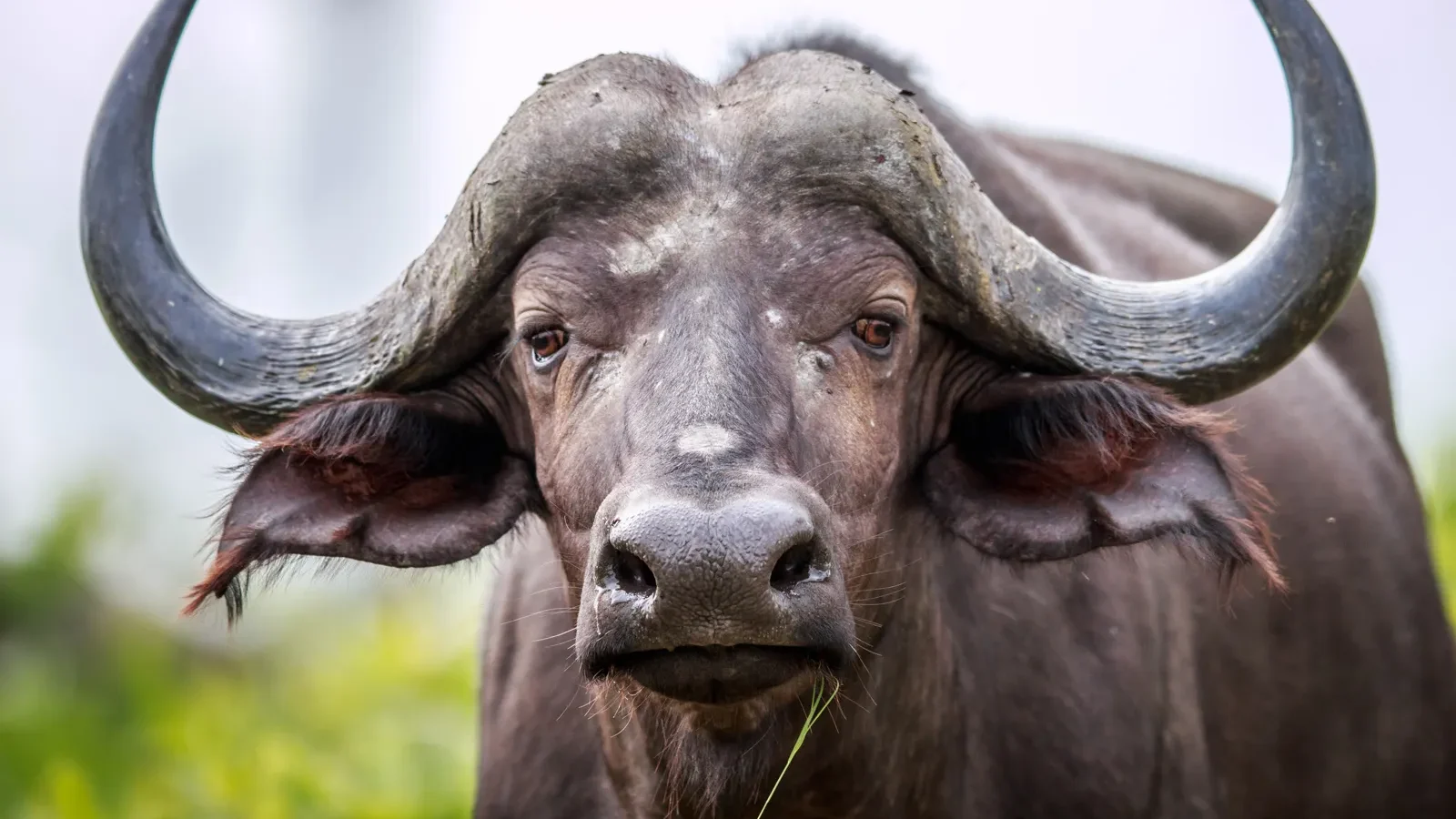
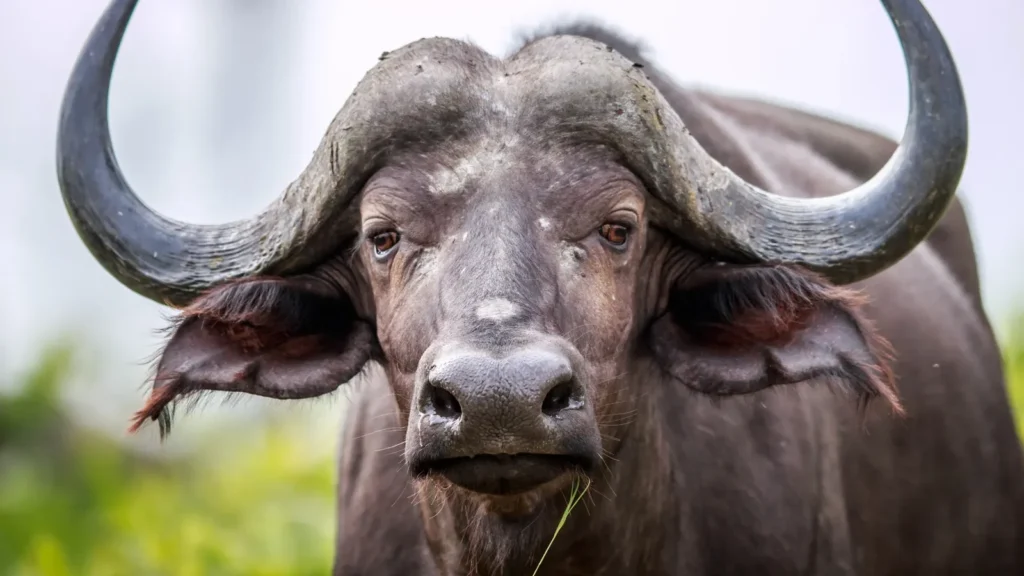
THE HERD: BUFFALO

Few animals capture the raw character of the African wilderness quite like the Cape buffalo. Powerful, resilient and highly social, these impressive animals are often encountered in large herds moving steadily across South Africa’s grasslands, woodlands and water-rich landscapes.

A buffalo sighting can feel completely different from watching a solitary animal. There is movement, energy and constant interaction as individuals travel together, creating one of the most compelling spectacles of a safari.

Strength in Numbers

Cape buffalo are strongly associated with herd life. Large groups can include numerous individuals, creating an extraordinary scene when they gather across open landscapes.

Within the herd, movement is rarely random. Buffalo maintain close proximity to one another, particularly when travelling through areas where water and food are available. Younger animals remain part of the group, while adults contribute to the herd’s constant movement and awareness.

Watching hundreds of buffalo moving together can transform an ordinary game drive into a dramatic wildlife experience. The sound of hooves, shifting bodies and the steady movement of the herd create a sense of scale that is difficult to appreciate until witnessed in person.

A Powerful Presence

The Cape buffalo is instantly recognisable by its heavy build, dark coat and distinctive horns. Adult males can appear especially imposing, with large horn structures forming a characteristic helmet-like shape across the forehead.

Despite their massive appearance, buffalo spend much of their time grazing. They may move between grasslands and shaded areas, often stopping near water during warmer parts of the day.

Their relationship with water is particularly important. Buffalo regularly drink and may spend time close to rivers, lakes and waterholes. These locations can become excellent places to observe their natural behaviour while other wildlife gathers nearby.

The Drama of a Safari

Buffalo are known for creating memorable and sometimes intense safari encounters. A herd crossing a road can bring a game drive to a temporary standstill as vehicles wait patiently for the animals to pass.

At other times, a smaller group may emerge from dense vegetation unexpectedly, creating a close and powerful encounter.

The experience is not about chasing the animals or forcing a sighting. Instead, skilled guides allow travellers to observe from a respectful distance while reading the herd’s movements and behaviour.

For photographers, buffalo can offer a fascinating range of subjects — from close portraits highlighting their textured coats and curved horns to wide landscape images showing an entire herd moving across the wilderness.

An Essential Part of the Wild

The Cape buffalo is often included among Africa’s most iconic large mammals, and its presence contributes significantly to the character of a South African safari.

Yet what makes the species especially fascinating is not simply its strength. It is the sense of community within the herd — the constant movement, interaction and collective presence that defines its life.

The Memory of the Herd

A buffalo encounter can begin quietly: a distant dark line moving across the grassland, gradually revealing itself as a large herd. Then the scale becomes clear.

THE HERD is about that moment — witnessing strength multiplied through numbers and watching one of Africa’s most remarkable animals move naturally through its protected wilderness.

For travellers, it becomes more than another wildlife sighting. It is a reminder that some of Africa’s most unforgettable safari moments come from simply stopping, watching and allowing the herd to pass.

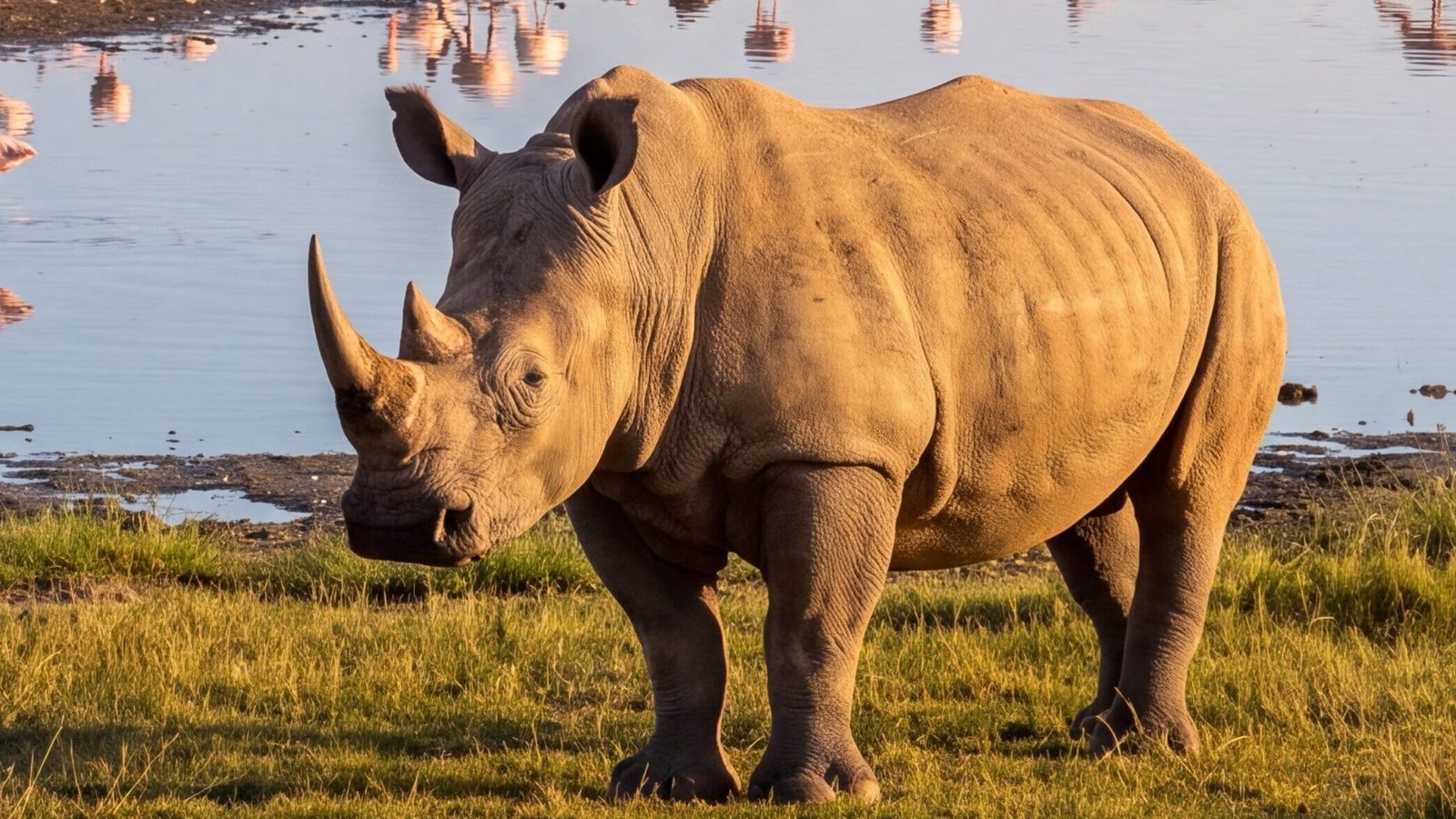
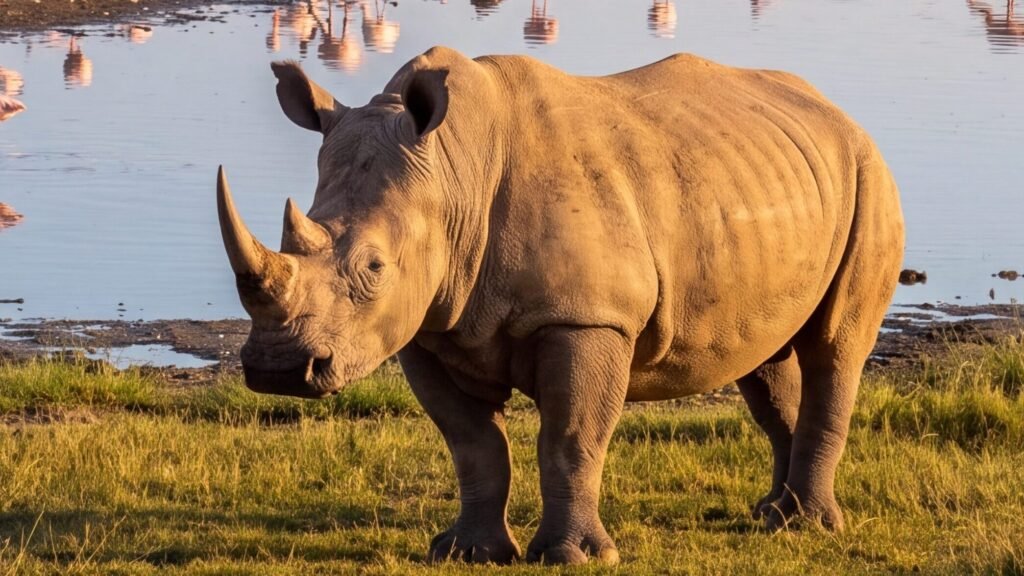
THE ANCIENT: RHINO

Encountering a rhinoceros in the wild is one of the most memorable experiences a traveller can have in South Africa. Powerful, prehistoric in appearance and deeply connected to the continent’s conservation story, rhinos represent both the ancient character of Africa’s wildlife and the importance of protecting its remaining natural habitats.

For safari travellers, seeing a rhino is not simply about observing a large animal. It is an opportunity to experience one of Africa’s most recognisable species within the protected landscapes where conservation efforts continue to play an essential role.

A Living Link to the Past

The rhinoceros has a remarkable presence. Its thick skin, distinctive horns and immense physical strength give it an almost prehistoric appearance, making it easy to understand why the animal is often associated with an ancient world.

Despite their imposing size, rhinos can display surprisingly calm behaviour when moving through their natural surroundings. They may spend hours grazing, walking slowly through open areas or resting beneath the shade of trees.

During a safari, these quieter moments can be just as fascinating as a dramatic sighting.

Life Across Protected Landscapes

South Africa is home to important rhinoceros populations across a number of protected conservation areas and private reserves. Their habitats can include grasslands, bushveld and woodland landscapes, where they move in search of food, water and suitable resting areas.

White rhinos are predominantly grazers, often spending considerable time feeding on grasses. Their broad, specialised mouths are particularly suited to grazing, creating a distinctive sight as they move steadily across open landscapes.

A rhino encountered near a waterhole can create an especially memorable safari scene, with the animal’s powerful silhouette set against the surrounding wilderness.

The Rhino Experience

A rhino sighting can be wonderfully unpredictable. You may discover one standing quietly in the distance, observe a mother with her young, or watch an individual slowly crossing an open track.

Safari vehicles provide an opportunity to observe without interrupting the natural rhythm of the landscape. The experience is often about patience — giving the animal space while allowing its behaviour to unfold naturally.

For photographers, rhinos can also create striking compositions. Their textured skin, distinctive profile and powerful form contrast beautifully with the open grasslands and golden light often found during early morning or late afternoon game drives.

A Symbol of Conservation

Rhinos also carry a deeper significance within African conservation. Their populations have faced severe pressure from illegal poaching, making protection and habitat conservation vital to their future.

Responsible safari tourism can contribute to the wider conservation ecosystem by supporting protected areas, local communities and wildlife management initiatives. For travellers, this adds another dimension to the experience: the privilege of seeing these animals is connected to the ongoing effort to safeguard them.

An Encounter to Remember

The beauty of a rhino encounter lies in its simplicity. Watching an ancient-looking animal move through its natural environment can make the surrounding wilderness feel timeless.

THE ANCIENT represents more than the physical strength of the rhinoceros. It reflects a species that has endured for millions of years and remains an extraordinary part of South Africa’s natural heritage.

To encounter a rhino in a protected landscape is to witness a powerful connection between wildlife, wilderness and conservation — a safari memory that can remain unforgettable long after the journey is over.

THE GIANT: ELEPHANT

Few safari encounters feel as powerful as watching an elephant herd move quietly through the African landscape. Massive yet remarkably graceful, elephants are among South Africa’s most iconic wildlife experiences. Seeing them in their natural environment offers more than a memorable photograph — it gives travellers a glimpse into one of Africa’s most fascinating and socially complex animal families.

Life in the Herd

African elephants are highly social animals, usually travelling in family groups led by an experienced female known as the matriarch. Herds may include mothers, calves, sisters and other related females, creating a strong and protective family structure.

Watching a herd move together can be captivating. The youngest calves often stay close to their mothers, while older members help maintain the group’s movement and awareness of its surroundings. Their communication is equally fascinating, involving a combination of vocalisations, body movements and subtle physical signals.

For safari travellers, these family interactions can be among the most rewarding parts of an elephant encounter.

Across Open Landscapes

Elephants are remarkably adaptable and can be found across a variety of South African environments. They may move through open grasslands, shaded woodlands, bushveld and areas surrounding rivers or waterholes.

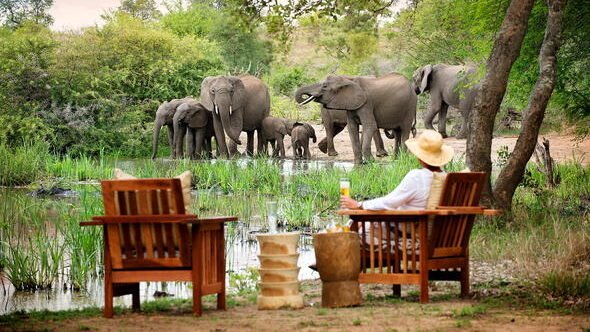
Their daily movements are often closely connected to food and water. Elephants spend a significant part of their day feeding, using their trunks to gather grasses, leaves, branches and other vegetation. At water sources, a herd can become an unforgettable sight as adults drink, calves play and individuals interact around the water.

A quiet waterhole observation can offer especially beautiful safari moments, particularly when the surrounding landscape is illuminated by early morning or late afternoon light.

More Than Size

Their enormous presence can make elephants appear slow and uncomplicated, but they are intelligent and highly perceptive animals. Their trunks are extraordinary tools used for feeding, drinking, smelling, touching and interacting with their surroundings.

Their ears, tusks and distinctive movements make them instantly recognisable, while their social behaviour reveals another side of these remarkable animals.

Every sighting can feel different. Sometimes a herd may cross the road in front of your vehicle, creating a dramatic encounter. At other times, elephants may simply appear in the distance, moving steadily across the landscape. The anticipation of watching their behaviour unfold is part of the experience.

A Safari Memory That Stays

An elephant encounter does not need to be dramatic to be unforgettable. The sight of a matriarch guiding her herd, a calf exploring beside its mother, or a group gathering peacefully at a waterhole can become one of the defining memories of a South African safari.

For travellers seeking a deeper connection with Africa’s wilderness, elephants represent the scale, family and rhythm of the continent’s natural world.

THE GIANT is not simply about seeing one of Africa’s largest animals. It is about slowing down, observing the herd and experiencing wildlife on its own terms — creating a safari moment that stays with you long after the journey ends.

The Shadow: Leopard

Quiet, elusive and remarkably adaptable, the leopard is one of Africa’s most fascinating predators. Known scientifically as Panthera pardus, leopards are often difficult to spot, which makes an unexpected sighting feel particularly special.

Unlike lions, leopards are generally solitary animals. They move quietly through their surroundings, using vegetation, rocks and trees to remain concealed while watching the landscape around them.

For safari travellers, finding a leopard can become one of those unforgettable moments that stays with you long after the journey ends.

A Master of Disguise

One of the leopard’s greatest strengths is its ability to remain hidden. Its patterned coat blends naturally with many different environments, allowing it to move through grass, woodland and rocky landscapes without drawing much attention.

A leopard may be sitting quietly beneath vegetation, resting in the shade or moving through the landscape almost unnoticed.

This makes safari sightings very different from spotting larger animals in open areas. Sometimes, the first clue is simply a movement in the distance or the trained eye of an experienced guide.

A Solitary Life

Leopards generally prefer a solitary lifestyle, with individuals maintaining their own territories. Mothers and cubs remain together while the young are dependent, but adults typically spend much of their lives alone.

This solitary nature contributes to the rarity and excitement of sightings. Unlike a large pride of lions, a leopard can appear and disappear almost silently.

A brief encounter may therefore feel like a private glimpse into the life of an animal that prefers to remain unseen.

At Home in the Trees

Leopards are excellent climbers and are often associated with trees. They may rest on strong branches, use elevated positions to observe their surroundings or retreat into the trees with prey.

Seeing a leopard resting high above the ground can be an extraordinary safari sight, particularly when its spotted coat contrasts against the branches and sky.

Their climbing ability also highlights the remarkable adaptability of this predator.

Patient and Opportunistic

Leopards are patient hunters and highly adaptable predators. They can hunt a variety of prey depending on what is available within their environment.

Rather than relying entirely on speed, they often use stealth, patience and carefully chosen opportunities.

Their ability to adapt to different habitats and food sources has helped them survive across a wide range of environments.

The Reward of Patience

Leopard sightings often remind safari travellers that wildlife experiences cannot be rushed.

You may spend time searching an area without seeing anything, only for a leopard to suddenly appear between the trees or cross the road ahead of you.

That element of uncertainty is part of the magic. The search itself becomes part of the experience, making the eventual sighting even more rewarding.

Meet the Shadow

The leopard represents another side of the African wilderness—quiet, independent and remarkably elusive.

A lion may announce its presence, but a leopard can remain almost invisible until the perfect moment.

For those fortunate enough to encounter one in the wild, the experience can feel like discovering a secret hidden within the landscape.

Panthera pardus · THE SHADOW · ELUSIVE · ELEGANT · SOLITARY

The King: Lion

Few animals are as closely associated with the African wilderness as the lion. Powerful, social and instantly recognisable, lions are one of the most memorable sights on safari. Seeing them in their natural environment offers a very different experience from simply seeing them in photographs or documentaries.

Known scientifically as Panthera leo, lions are highly social big cats and are often seen living in groups known as prides. Their behaviour, interactions and presence make every sighting unique.

A Social Big Cat

Unlike many other big cats, lions are strongly social animals. A pride can include related females, their young and one or more adult males.

Lionesses often form the core of the pride and may cooperate in raising cubs and hunting. The social structure of the group creates fascinating opportunities to observe communication, play, resting and interactions between individuals.

Watching a pride together can reveal a side of lions that is easy to miss when thinking only about their reputation as powerful predators.

Life on the African Plains

Lions spend a considerable amount of time resting, particularly during the heat of the day. Early mornings and late afternoons can therefore be especially interesting periods for safari sightings.

As temperatures become cooler, lions may become more active. You might see individuals moving through the grasslands, interacting with members of their pride or preparing for a hunt.

Every encounter is different, and there is never a guarantee of what behaviour you will witness.

The Art of the Hunt

Lions are skilled predators and can work together when hunting. Lionesses often play an important role in coordinated hunts, using teamwork and positioning to approach potential prey.

However, hunting is only one part of their daily life. Much of a lion’s time is spent resting, socialising and caring for young.

This contrast between intense moments of action and long periods of calm is part of what makes observing lions so fascinating.

Watching Cubs Grow

Lion cubs bring another dimension to a safari experience. Young cubs can often be seen playing, exploring their surroundings and interacting with other members of the pride.

These early experiences help them develop important skills while strengthening social bonds within the group.

For visitors, observing cubs at a respectful distance can be an especially memorable wildlife encounter.

A Defining Safari Experience

Spotting a lion in the wild is often one of the moments travellers remember most from their safari. The sight of a lion resting beneath a tree, walking across an open plain or watching its surroundings can create a powerful sense of connection with the wilderness.

The experience is not simply about seeing a famous animal. It is about observing natural behaviour in a landscape where the animal belongs.

Meet the King

The lion represents many of the qualities people associate with Africa’s wilderness—strength, social bonds, survival and adaptability.

From powerful adults to playful cubs, every pride has its own story. A safari offers the opportunity to witness these animals in their natural environment and appreciate them not just as an iconic symbol, but as complex social predators within a larger ecosystem.

Panthera leo · THE KING · SOCIAL · POWERFUL · ICONIC

The Grand South Africa: The Complete Journey

For travellers who want to experience South Africa beyond a single destination, The Grand South Africa brings together the country’s city life, wine country, spectacular coastline and unforgettable wilderness in one beautifully paced journey.

With 3 nights in Cape Town, 2 nights in the Winelands, 3 nights along the Garden Route and 4–6 nights on safari, this itinerary gives you the time to discover South Africa at a deeper and more relaxed pace.

It is a journey designed for those who want variety, comfort and enough time to truly enjoy each destination.

3 Nights in Cape Town

Begin in Cape Town, where sophisticated city life meets dramatic natural beauty.

Spend three nights discovering the city’s iconic sights, coastal landscapes and vibrant food scene. Take in panoramic views from Table Mountain, explore the V&A Waterfront or follow the scenic roads of the Cape Peninsula.

You can balance sightseeing with relaxed afternoons and memorable dining experiences, allowing you to experience the city without rushing from one attraction to another.

2 Nights in the Winelands

From Cape Town, continue into the peaceful Cape Winelands.

Stellenbosch and Franschhoek offer vineyards, mountain views, historic estates and a slower rhythm of travel. Enjoy wine tasting, explore selected estates and take your time over long lunches surrounded by beautiful countryside.

Two nights allow you to experience the region comfortably while making your accommodation and dining experiences part of the journey.

3 Nights on the Garden Route

Next, take the road towards the Garden Route, where the scenery changes dramatically.

Three nights give you time to enjoy the journey rather than simply passing through. Discover beautiful beaches, coastal viewpoints, forests, lagoons and charming towns along the way.

Scenic drives become an important part of the experience. Stop for photographs, explore places that catch your attention and enjoy the freedom of travelling through one of South Africa’s most diverse coastal regions.

4–6 Nights in the Wilderness

The final and most immersive chapter takes you into South Africa’s safari country.

With 4–6 nights on safari, there is more time to settle into the rhythm of the wilderness. Early morning and afternoon game drives offer opportunities to observe wildlife in its natural environment, while the longer stay allows you to enjoy the safari experience without feeling hurried.

Depending on your chosen destination, you may encounter elephants, lions, giraffes, zebras, rhinos and many other species.

Between game drives, return to your lodge, relax surrounded by nature and enjoy the peaceful atmosphere of the African bush.

A Journey with Time to Discover

The Grand South Africa is designed around variety and balance.

Cape Town brings sophistication and city energy. The Winelands introduce wine, food and countryside. The Garden Route adds scenic roads and coastal landscapes. Safari completes the journey with wildlife and wilderness.

Each destination offers something completely different, while the itinerary gives you enough time to appreciate every chapter.

The Complete South African Experience

With 3 nights in Cape Town, 2 nights in the Winelands, 3 nights on the Garden Route and 4–6 nights on safari, The Grand South Africa offers an extensive journey through the country’s most distinctive landscapes and experiences.

From sophisticated city stays and beautiful wine estates to scenic coastal drives and extended time in the wilderness, this is South Africa experienced slowly, comfortably and in depth.

Wild Coast + Wine Country: From Vineyards to the Wilderness

For travellers who want to experience the many different landscapes of South Africa, the Wild Coast + Wine Country journey brings together vibrant city life, peaceful vineyards, scenic coastal roads and unforgettable wildlife.

With 3 nights in Cape Town, 2 nights in the Winelands, 2–3 nights along the Garden Route and a safari experience, this itinerary moves naturally from the sophistication of the Cape to the beauty of the coast before ending in the African wilderness.

It is a journey for travellers who want variety, scenic drives and plenty of opportunities to discover South Africa at a comfortable pace.

3 Nights in Cape Town

Begin in Cape Town, where mountains, ocean and city life create one of South Africa’s most distinctive settings.

Spend three nights exploring the city’s highlights and enjoying its coastal atmosphere. Discover Table Mountain, explore the V&A Waterfront or take a scenic journey along the Cape Peninsula.

There is also time to enjoy Cape Town’s food, culture and relaxed evenings. With the Atlantic Ocean on one side and dramatic mountains on the other, the city provides a spectacular beginning to your South African adventure.

2 Nights in the Winelands

Continue from Cape Town into the peaceful Cape Winelands.

Stellenbosch and Franschhoek offer a slower rhythm surrounded by vineyards and mountain scenery. Spend time visiting selected estates, discovering South African wines and enjoying long lunches overlooking the countryside.

Two nights allow you to experience the region without rushing between wineries. Boutique accommodation and beautiful surroundings add another layer to the journey, creating a relaxed break before the coastal adventure begins.

2–3 Nights on the Garden Route

Next, take to the road and follow South Africa’s spectacular Garden Route.

This part of the journey is all about landscapes. Ocean views, beaches, forests, lagoons and mountains create a constantly changing backdrop as you travel between destinations.

Take time to stop at scenic viewpoints, explore coastal towns and enjoy the freedom of the open road. Whether you are travelling as a couple, with family or with friends, the Garden Route offers plenty of opportunities to make the journey your own.

Two to three nights provide flexibility to explore selected highlights while maintaining a comfortable pace.

End with Safari

After the vineyards and coastline, the journey takes you into the wilderness.

A safari adds an entirely different dimension to your South Africa experience. Spend time exploring the bush on game drives and discovering wildlife in its natural surroundings.

Depending on the destination, you may encounter elephants, lions, giraffes, zebras, rhinos and many other species.

Between drives, enjoy the tranquillity of your lodge and take time to appreciate the landscapes around you.

A Journey Full of Contrast

The beauty of the Wild Coast + Wine Country itinerary is its variety.

You begin surrounded by the energy of Cape Town, slow down among vineyards, follow the coastline through the Garden Route and finish surrounded by wildlife.

Each destination offers a completely different atmosphere, creating a journey where there is always something new to discover.

From Wine Country to the Wild

With 3 nights in Cape Town, 2 nights in the Winelands, 2–3 nights on the Garden Route and a safari experience, this itinerary brings together South Africa’s city, countryside, coast and wilderness.

It is a journey for travellers who want to see more, experience different landscapes and enjoy the freedom of discovering South Africa one destination at a time.

Cape Town + Safari Escape: Culture, Wine & Wildlife

For travellers who want to experience more than one side of South Africa, the Cape Town + Safari Escape brings together three distinctive experiences in one beautifully paced journey.

With 3 nights in Cape Town, 2 nights in the Winelands and 3–4 nights on safari, this itinerary combines culture, food, wine, scenic landscapes and wildlife without making the holiday feel rushed.

It is a journey designed for travellers who want variety while still having enough time to enjoy each destination.

3 Nights in Cape Town

Begin in Cape Town, where the energy of the city meets the beauty of mountains and ocean.

Spend your first days exploring the city’s iconic sights, enjoying its diverse food scene and discovering its coastal character. Take in the views from Table Mountain, explore the V&A Waterfront or enjoy a scenic drive along the Cape Peninsula.

Cape Town also gives you the freedom to slow down. Enjoy a relaxed meal overlooking the ocean, explore local neighbourhoods or simply spend an afternoon taking in the scenery.

Three nights provide a comfortable introduction to the city before moving into the countryside.

2 Nights in the Winelands

From Cape Town, continue into the beautiful Cape Winelands.

Surrounded by vineyards and mountains, destinations such as Stellenbosch and Franschhoek offer a completely different atmosphere. Here, the pace becomes slower and the experience centres around food, wine and beautiful landscapes.

Spend time exploring selected wineries, enjoy wine tasting and settle in for a long vineyard lunch. Boutique properties and peaceful surroundings make the Winelands an ideal transition between the energy of Cape Town and the adventure of safari.

With two nights, you have enough time to experience the region without turning it into a rushed day trip.

3–4 Nights on Safari

The final chapter takes you into the wilderness.

A 3–4 night safari stay gives you several opportunities to explore South Africa’s wildlife and natural landscapes. Early morning and afternoon game drives can bring you close to the rhythms of the African wilderness.

Depending on the safari area, you may have opportunities to see elephants, lions, giraffes, zebras, rhinos and other wildlife in their natural environment.

Between drives, enjoy time at your lodge, relax surrounded by nature and take in the peaceful atmosphere of the bush.

A Journey with Natural Variety

What makes this itinerary special is the contrast between its destinations.

Cape Town brings culture, restaurants, coastline and city energy. The Winelands introduce vineyards, local flavours and a slower countryside experience. Safari completes the journey with wildlife, open landscapes and adventure.

Each destination feels different, yet the journey moves naturally from one experience to the next.

Beautifully Paced Travel

The itinerary is designed to give you enough time to experience each destination without constantly packing and unpacking.

Comfortable stays, well-planned transfers and carefully selected experiences can keep the journey smooth while allowing flexibility for your interests.

Whether you are travelling as a couple, with family or simply looking for a varied South African holiday, the combination can be adapted to your preferred pace.

Culture. Food. Wine. Wildlife.

The Cape Town + Safari Escape brings together some of South Africa’s most memorable experiences in one journey.

Explore the city, taste your way through the Winelands and finish among the wildlife of the African wilderness.

With 3 nights in Cape Town, 2 nights in the Winelands and 3–4 nights on safari, it is a beautifully balanced way to experience South Africa’s culture, flavours, landscapes and wildlife—all within one unforgettable holiday.