MOUNT FUJI — JAPAN’S TIMELESS ICON

MOUNT FUJI — JAPAN’S TIMELESS ICON

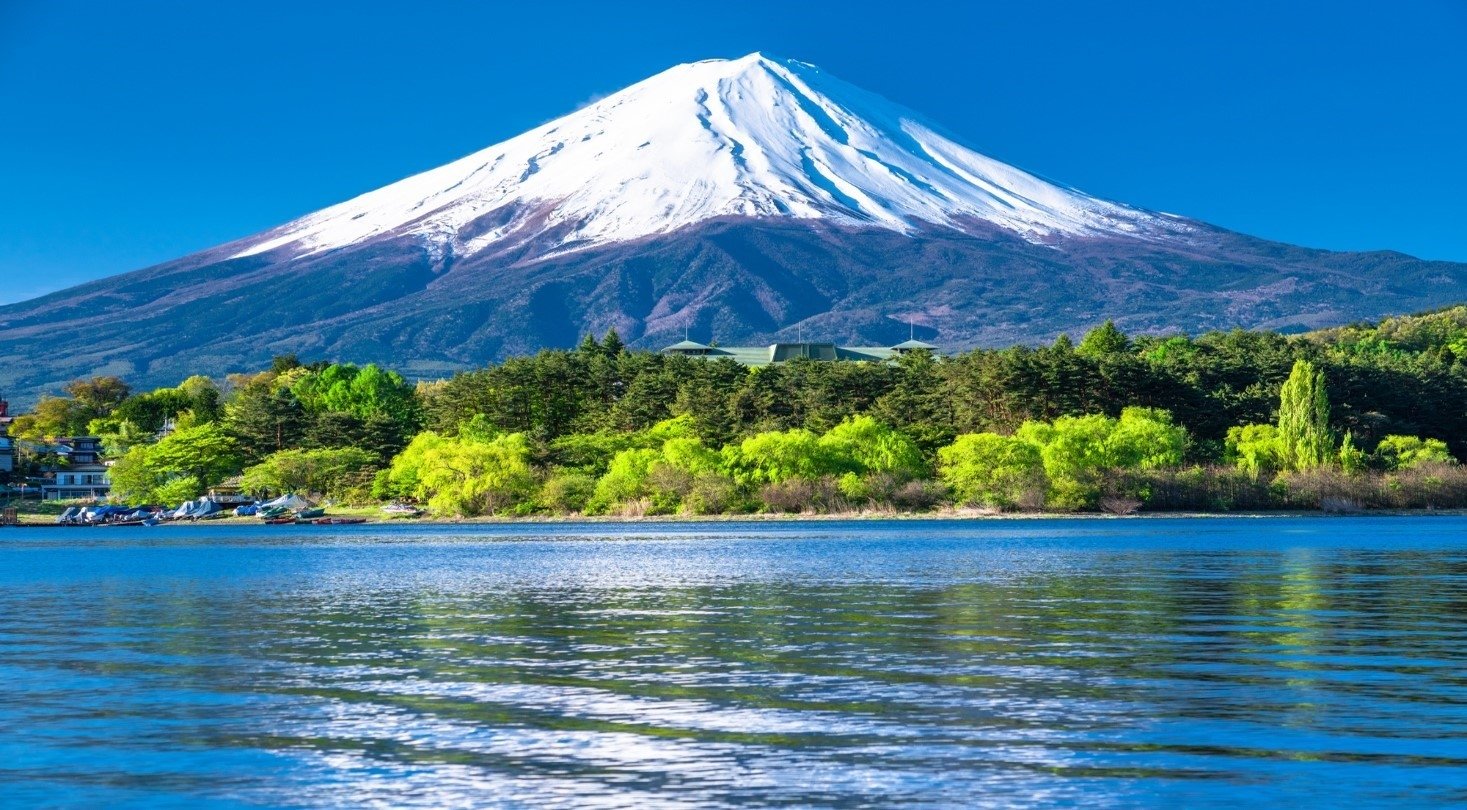
Standing at 3,776 metres above sea level, Mount Fuji is one of Japan’s most recognizable landmarks and a powerful symbol of the country’s natural beauty. Its perfectly shaped volcanic peak has inspired artists, photographers, poets, and travellers for centuries.

Located between Tokyo and Kyoto, Mount Fuji offers far more than a beautiful view. The surrounding region is filled with lakes, forests, traditional villages, hot springs, and scenic viewpoints that allow travellers to experience a quieter and more natural side of Japan.

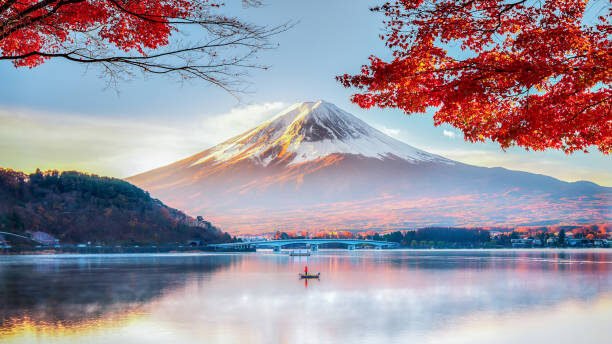
The Fuji Five Lakes region is one of the best places to admire the mountain. Lake Kawaguchi, in particular, offers spectacular views of Fuji reflected across the water on clear days. During spring, cherry blossoms frame the mountain, while autumn brings colourful foliage to the surrounding landscape.

For adventure seekers, climbing Mount Fuji is a memorable experience. The official climbing season is generally during Japan’s summer months, when the mountain trails are accessible. Watching the sunrise from higher elevations can be a remarkable part of the journey, although climbing requires preparation and appropriate weather conditions.

Those who prefer a more relaxed experience can explore the many viewpoints around the mountain. Scenic lakesides, peaceful parks, traditional streets, and countryside roads create countless opportunities for photography and sightseeing.

Mount Fuji also has a deep connection with Japanese culture. The mountain has long been considered sacred and has appeared extensively in Japanese art and literature. Its presence represents more than physical beauty—it reflects ideas of nature, spirituality, strength, and harmony.

The surrounding area also offers opportunities to experience traditional Japanese life. Visitors can enjoy onsen hot springs, stay in traditional ryokan, explore local villages, and taste regional dishes while enjoying views of the mountain.

Every season presents Fuji differently. Spring brings cherry blossoms, summer creates clear green landscapes, autumn adds warm colours, and winter often provides the clearest views of its snow-covered summit.

What makes Mount Fuji unforgettable is the sense of scale and calm it creates. Whether viewed from a quiet lakeside, a traditional village, or from the window of a passing train, its presence immediately feels iconic.

Mount Fuji is not simply a mountain to visit—it is a landscape to experience, a symbol to remember, and one of the moments that makes a journey through Japan truly unforgettable.
KYOTO — WHERE TRADITION LIVES

KYOTO — WHERE TRADITION LIVES

Kyoto is the soul of traditional Japan—a city where ancient temples, peaceful gardens, wooden streets, and timeless customs create an atmosphere unlike anywhere else. Once Japan’s imperial capital, Kyoto continues to preserve centuries of history while welcoming travellers from around the world.

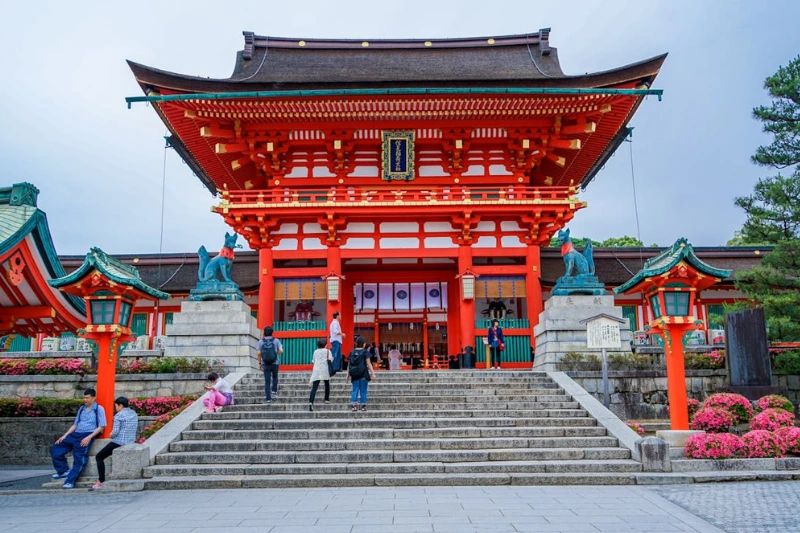
One of Kyoto’s most iconic experiences is visiting its historic temples and shrines. Fushimi Inari Taisha, famous for its thousands of vibrant torii gates, creates a remarkable pathway through the forest. Kinkaku-ji, the Golden Pavilion, reflects beautifully across its surrounding pond, while Kiyomizu-dera offers sweeping views over Kyoto from its famous wooden terrace.

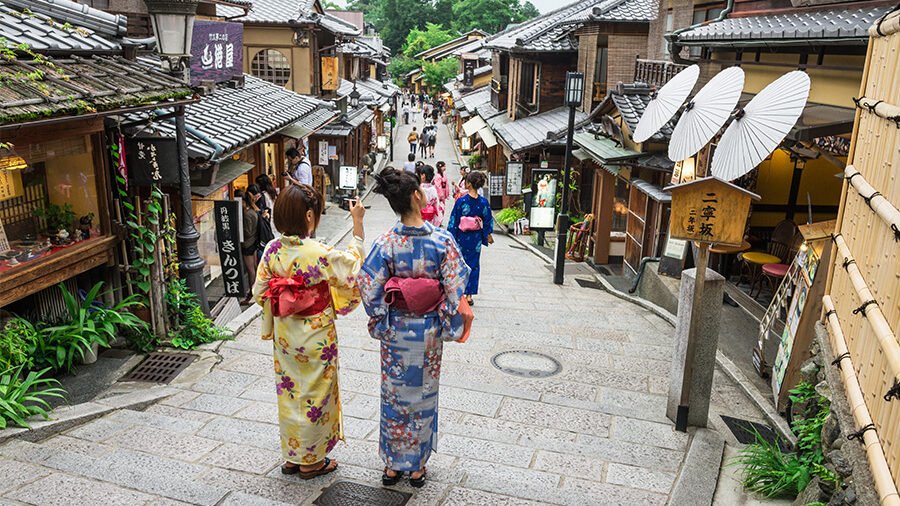
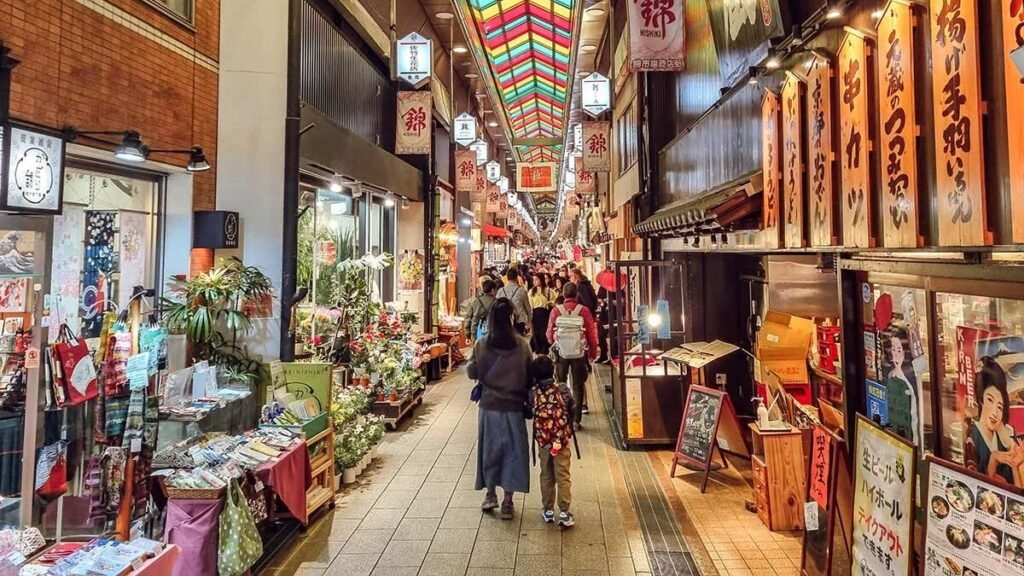
Beyond its famous landmarks, Kyoto is best experienced by simply walking through its traditional neighbourhoods. The narrow streets of Gion are lined with wooden machiya houses, small restaurants, tea houses, and beautifully preserved architecture. During the evening, lanterns illuminate the streets, creating a quiet and atmospheric glimpse into old Japan.

Kyoto is also deeply connected to Japanese cultural traditions. Visitors can experience a traditional tea ceremony, explore Japanese gardens, discover handcrafted ceramics and textiles, or learn about the careful art of Japanese cuisine. These experiences offer more than sightseeing—they provide an opportunity to understand the values of patience, simplicity, craftsmanship, and harmony that have shaped Japanese culture.

Seasonality adds another layer to Kyoto’s beauty. Spring brings delicate cherry blossoms to temples, riversides, and gardens, while autumn transforms the city with brilliant red, orange, and golden foliage. Each season creates a different mood, making Kyoto a destination that can feel completely new on every visit.

Food is another essential part of the Kyoto experience. From elegant kaiseki cuisine to traditional tofu dishes, matcha desserts, soba, sushi, and local specialities, Kyoto’s culinary culture reflects the same attention to detail found throughout the city. Meals are often presented with a focus on seasonality, balance, and visual beauty.

For travellers seeking a quieter experience, Kyoto’s gardens and surrounding areas provide peaceful places to slow down. The famous Arashiyama Bamboo Grove, the gardens of historic temples, and the scenic paths along the Philosopher’s Path allow visitors to experience Japan at a gentler pace.

What makes Kyoto special is its ability to preserve the past without feeling frozen in time. Modern cafés, contemporary restaurants, boutique hotels, and creative spaces exist alongside centuries-old temples and traditional homes.

Kyoto invites you to look beyond the landmarks and notice the details—the sound of temple bells, the design of a garden, the warmth of a tea ceremony, or the quiet beauty of a traditional street.

This is where Japan’s history feels alive, where every corner tells a story, and where tradition becomes an unforgettable journey.

TOKYO — WHERE TOMORROW LIVES

TOKYO — WHERE TOMORROW LIVES

Tokyo is a city where ancient traditions and futuristic possibilities exist side by side. As Japan’s dynamic capital, it offers an experience unlike anywhere else—from glowing streets and towering skyscrapers to peaceful temples, traditional neighbourhoods, and world-class cuisine.

At the heart of Tokyo’s modern energy is Shibuya, one of the city’s most recognizable districts. The famous Shibuya Crossing comes alive with thousands of people moving through the intersection, surrounded by giant digital screens, fashion stores, cafés, and restaurants. As evening arrives, Tokyo transforms into a spectacular city of lights, creating an atmosphere that feels both exciting and distinctly Japanese.

For a glimpse into Tokyo’s futuristic side, explore Shinjuku, where skyscrapers, neon streets, entertainment districts, and elevated viewpoints showcase the scale of the metropolis. The area is especially atmospheric after sunset, when illuminated streets reveal another side of the city.

Yet Tokyo is not only about modern architecture and technology. In Asakusa, the atmosphere changes completely. The iconic Senso-ji Temple, traditional streets, lanterns, and small local shops offer a connection to Tokyo’s cultural heritage. Walking through the area provides a reminder that beneath the modern skyline, centuries of Japanese history remain deeply rooted in the city.

Tokyo is also a destination for food lovers. From sushi and ramen to tempura, yakitori, and Japanese desserts, the city offers an incredible range of culinary experiences. Tiny neighbourhood restaurants, traditional izakayas, elegant dining spaces, and bustling food markets each reveal a different part of Tokyo’s food culture.

For travellers looking for something quieter, Tokyo has plenty of green spaces and peaceful escapes. Meiji Jingu, surrounded by a forested area in the centre of the city, provides a calm contrast to the surrounding urban landscape. Parks and gardens throughout Tokyo offer moments to slow down, relax, and appreciate the city from a different perspective.

Shopping is another major part of the Tokyo experience. From the luxury boutiques of Ginza to the creative street fashion of Harajuku and the electronics and pop-culture world of Akihabara, every neighbourhood has its own personality.

Tokyo’s transportation system makes exploring the enormous city remarkably convenient. High-speed trains and an extensive urban rail network connect major districts, allowing travellers to move easily between cultural landmarks, shopping areas, restaurants, and entertainment zones.

What makes Tokyo truly unforgettable is its contrast. A quiet temple can sit just minutes away from a neon-filled boulevard. Traditional craftsmanship exists alongside cutting-edge technology. Centuries-old customs continue while the city constantly looks toward the future.

Tokyo is more than a destination—it is an experience of Japan in motion.

Where tradition meets technology, the past meets tomorrow, and every street opens the door to something new.

OSAKA

The City That Never Stops

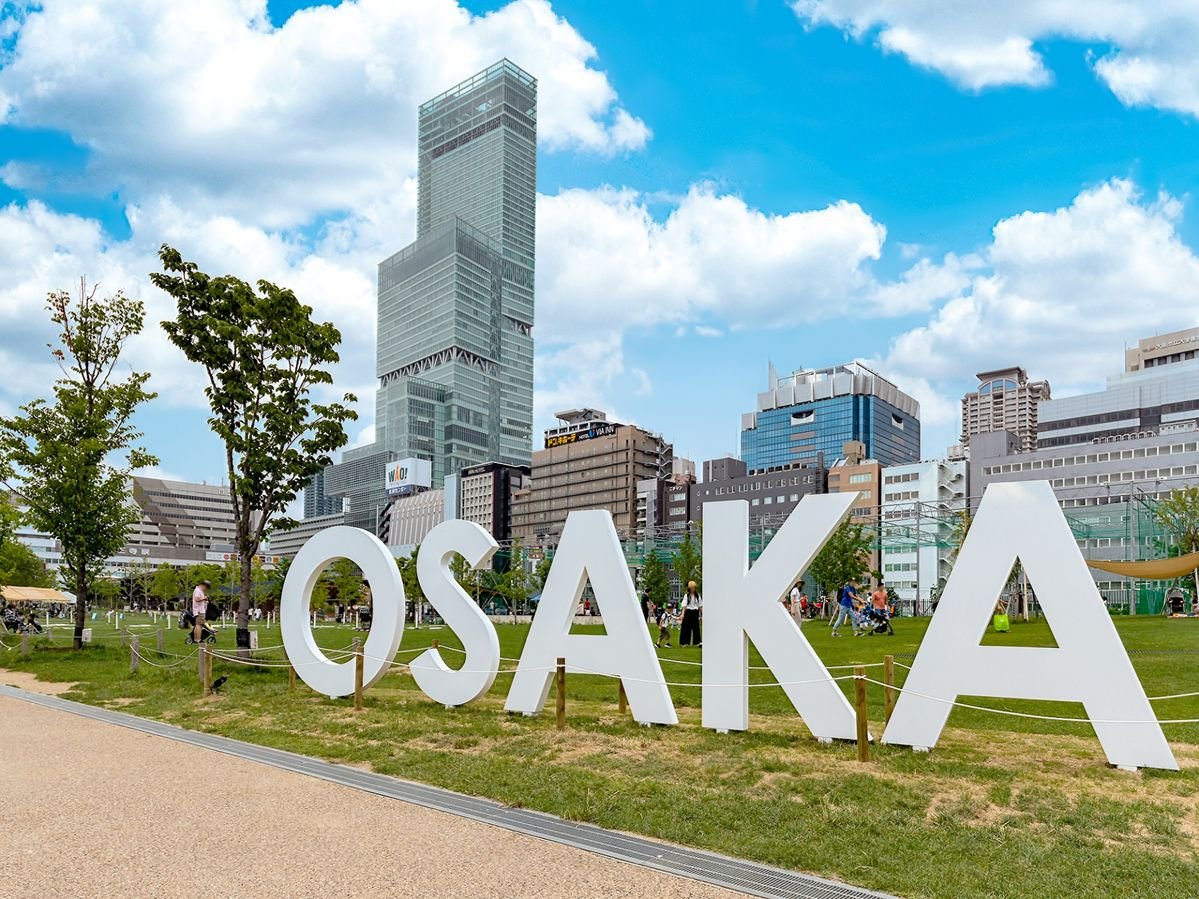
Osaka is Japan at its most energetic—bold, welcoming, vibrant, and full of flavour. Known for its lively streets, iconic landmarks, incredible food, and friendly atmosphere, Osaka offers a different side of Japan from the traditional calm of Kyoto and the futuristic energy of Tokyo.

If Tokyo represents Japan’s future and Kyoto reflects its past, Osaka brings together modern city life, local culture, entertainment, and unforgettable food.

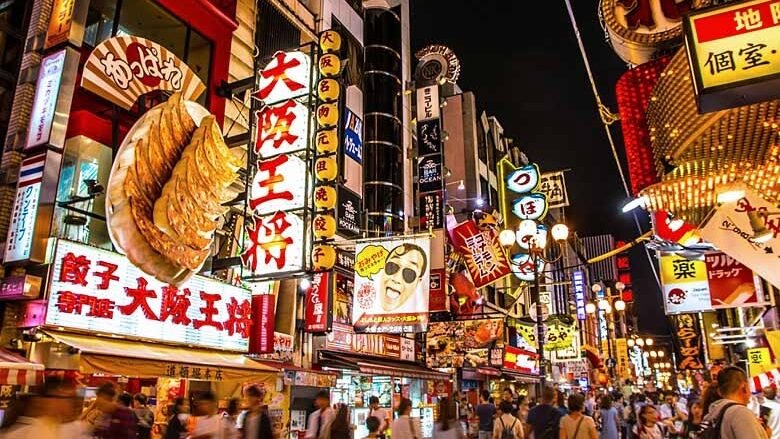
From the bright streets of Dotonbori to the historic beauty of Osaka Castle, the city is packed with experiences that can easily fill your Japan itinerary. Dotonbori is especially famous for its giant illuminated signs, canal-side atmosphere, restaurants, street food, and lively nightlife. Walking through the area after sunset gives you a true taste of Osaka’s energetic personality.

Food is an essential part of the Osaka experience. The city is often associated with takoyaki, okonomiyaki, kushikatsu, ramen, and fresh seafood. Small restaurants, food stalls, and local eateries make exploring Osaka feel like a culinary adventure. The phrase kuidaore, often associated with Osaka, reflects the city’s strong food culture and love of eating well.

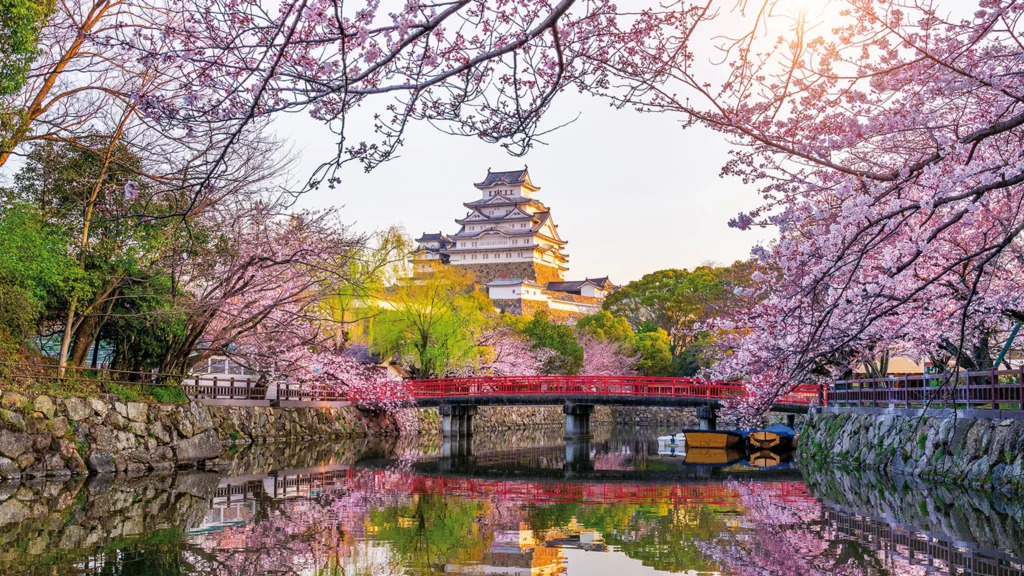
Beyond its food and entertainment, Osaka also has a rich historical side. Osaka Castle stands as one of the city’s most recognizable landmarks, surrounded by spacious gardens that are particularly beautiful during cherry blossom season. The castle and surrounding park offer a peaceful contrast to the busy streets of central Osaka.

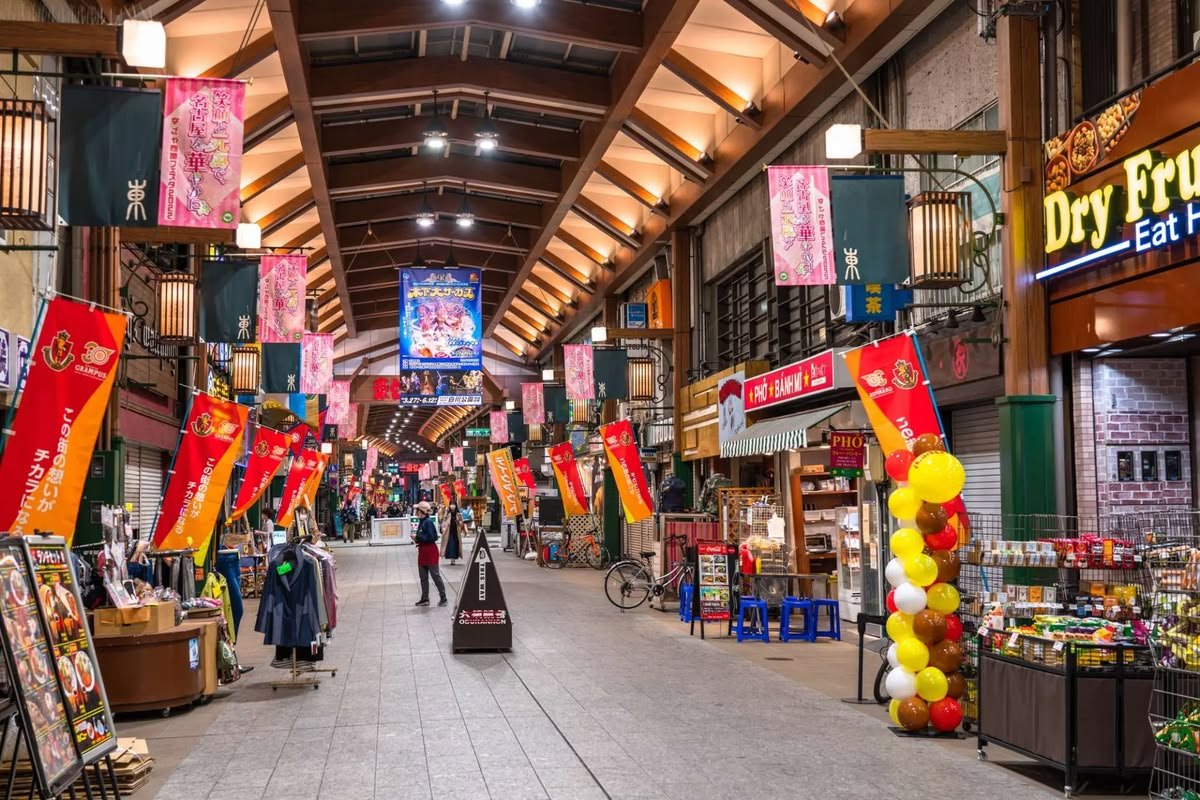
For shopping and entertainment, areas such as Shinsaibashi and Namba offer everything from fashion and cosmetics to local souvenirs and Japanese pop culture. Travellers can spend hours exploring covered shopping arcades, department stores, independent shops, cafés, and restaurants.

Osaka is also an excellent base for exploring nearby destinations. Universal Studios Japan provides a full day of entertainment, while easy rail connections make it convenient to visit places such as Kyoto, Nara, and Kobe.

What makes Osaka memorable is not just its landmarks—it is the atmosphere. The city feels lively without being overwhelming, modern without losing its local character, and energetic while still offering plenty of moments to slow down and explore.

Whether you’re tasting street food in Dotonbori, photographing Osaka Castle, shopping through Namba, or simply wandering through its colourful neighbourhoods, Osaka adds a completely different flavour to your Japanese journey.

Experience Osaka — where every street has a story, every meal becomes a memory, and the city keeps moving long after the sun goes down.

Future + Technology

Tomorrow Starts Here

Japan has long been associated with innovation, precision and technology. From high-speed trains and advanced robotics to futuristic architecture and vibrant digital entertainment, the country offers travellers a glimpse of how technology can become part of everyday life.

Yet Japan’s futuristic identity is not limited to machines and gadgets. It can be seen in the way cities are designed, how people travel, how businesses operate and how traditional culture continues to adapt to a rapidly changing world.

Tokyo: A City Built for Tomorrow

Tokyo is one of the best places to experience Japan’s futuristic side.

The city combines towering skyscrapers, giant digital screens, modern architecture and busy streets with historic neighbourhoods and traditional temples. After sunset, areas such as Shibuya and Shinjuku transform into spectacular neon landscapes filled with illuminated buildings, digital billboards and thousands of people moving through the city.

The result is a unique atmosphere where technology and everyday life exist side by side.

Japan’s Famous Bullet Trains

Few examples demonstrate Japanese innovation better than the Shinkansen, Japan’s famous high-speed railway.

Connecting major cities across the country, the Shinkansen is known for its speed, efficiency, comfort and punctuality. For travellers, it provides more than transportation—it makes exploring different parts of Japan remarkably convenient.

A journey can take you from the modern streets of Tokyo to the cultural atmosphere of Kyoto or the historic landscapes of other regions within a few hours.

Robotics and Smart Experiences

Japan has also become internationally recognised for its robotics and automation.

Robots can be encountered in entertainment, hospitality, manufacturing and other areas of everyday life. Technology-focused attractions offer visitors opportunities to explore interactive digital environments, robotics and immersive experiences.

In cities such as Tokyo, travellers can discover everything from futuristic entertainment districts to advanced digital art installations that combine technology, light, sound and movement.

Digital Art and Immersive Experiences

One of the most exciting developments in modern Japanese tourism is the rise of immersive digital experiences.

Visitors can enter spaces where projections, lights, mirrors, sound and interactive technology create constantly changing environments.

These experiences blur the boundary between physical surroundings and digital art, creating something that feels very different from a traditional museum or gallery.

For travellers interested in photography, design and technology, these attractions provide some of Japan’s most visually striking experiences.

Technology Meets Everyday Life

What makes Japan particularly interesting is how technology often feels integrated rather than separate from daily life.

Modern train systems, automated services, digital payment options, vending machines, convenience stores and highly organised urban infrastructure demonstrate how technology can simplify everyday experiences.

At the same time, Japan has retained many traditional elements of its culture. A traveller can spend the morning visiting a centuries-old shrine and the evening surrounded by neon lights and digital screens.

Innovation Without Forgetting Tradition

Japan’s futuristic identity does not mean abandoning its past.

Instead, one of the country’s most fascinating characteristics is the contrast between old and new.

Traditional wooden houses can exist near modern skyscrapers. Ancient temples can stand within highly developed cities. Traditional crafts continue alongside advanced manufacturing and digital technology.

This combination gives Japan a distinctive identity—one where history and innovation continuously interact.

Tomorrow Starts Here

For travellers, Japan offers an opportunity to experience a country that constantly looks forward while remaining connected to its past.

From the neon streets of Tokyo and the speed of the Shinkansen to robotics, digital art and futuristic entertainment, technology is woven into the Japanese travel experience.

Come to Japan to experience not just the future—but a future shaped by culture, creativity and innovation.

World-Class Food

Taste Japan

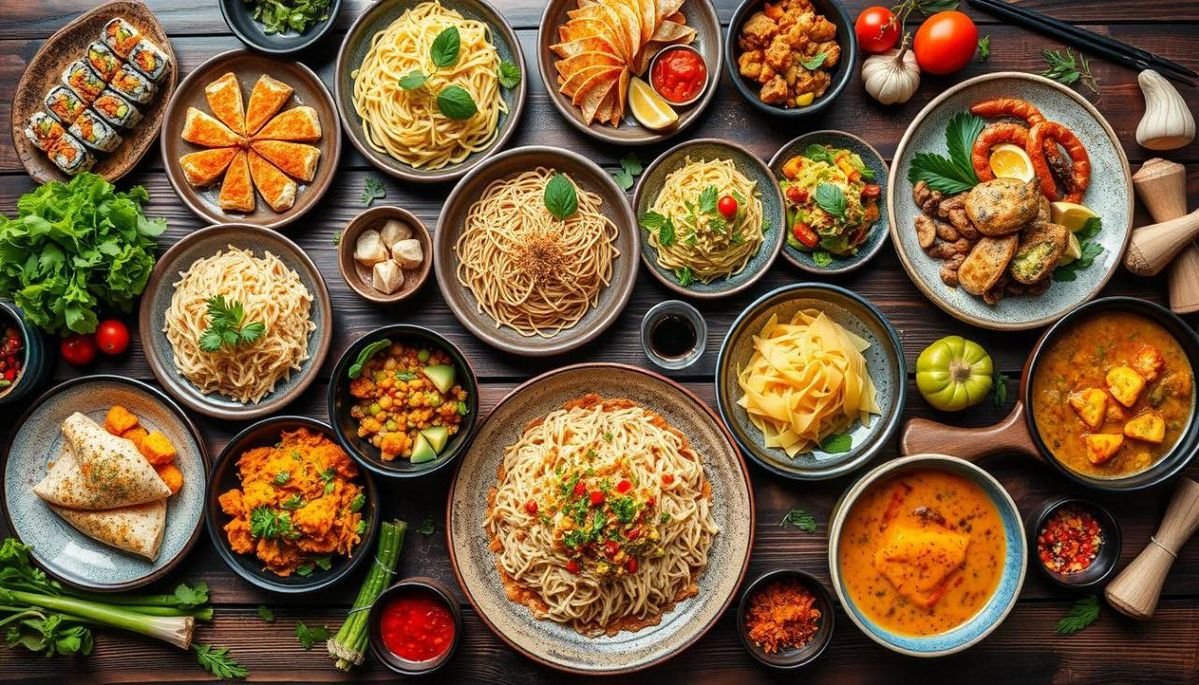
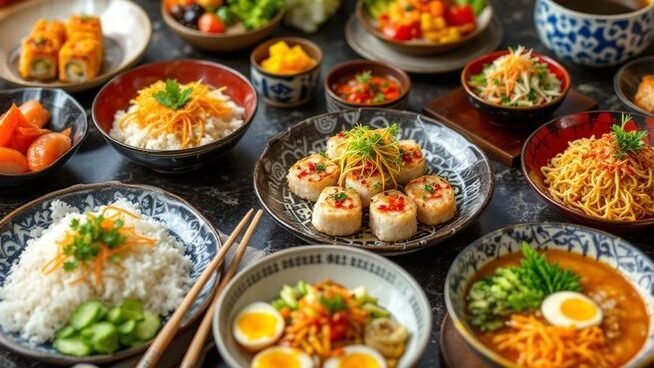
Japanese cuisine is much more than sushi. From steaming bowls of ramen and perfectly prepared tempura to delicate seasonal dishes and regional specialities, food is an essential part of experiencing Japan.

Known as washoku, traditional Japanese cuisine places strong importance on fresh ingredients, seasonality, balance, presentation and careful preparation. Even a simple meal can become an experience when every ingredient is thoughtfully selected and beautifully presented.

Sushi — Japan’s Global Favourite

Sushi is perhaps the most famous Japanese food around the world.

Traditional sushi combines seasoned rice with ingredients such as fresh seafood, vegetables and egg. Depending on the style, it can be served as nigiri, maki, temaki or chirashi.

In Japan, sushi can range from casual neighbourhood restaurants to highly specialised establishments where chefs spend years perfecting their techniques.

For visitors, trying sushi in its country of origin offers an opportunity to experience the variety, freshness and craftsmanship behind this iconic cuisine.

Ramen — Comfort in a Bowl

Ramen is another essential Japanese food experience.

A typical bowl combines noodles, rich broth and toppings, but the flavours can vary significantly from region to region. Popular styles include shoyu, miso, shio and tonkotsu ramen.

Different cities have developed their own ramen traditions, making it possible to experience completely different flavours while travelling across Japan.

Whether enjoyed at a small local shop or a popular ramen restaurant, a warm bowl of ramen is one of the simplest and most satisfying ways to experience everyday Japanese food culture.

Tempura and Traditional Dishes

Japanese cuisine is also famous for tempura, where seafood or vegetables are lightly coated and fried until crisp.

Other traditional dishes worth discovering include soba, udon, yakitori, donburi and okonomiyaki. Each offers a different combination of textures and flavours.

Japanese meals often include several small dishes rather than one large main course, allowing travellers to experience a variety of ingredients in a single meal.

Regional Flavours Across Japan

One of the best things about eating in Japan is that every region has something different to offer.

Tokyo is known for an enormous variety of restaurants and modern interpretations of Japanese cuisine. Osaka is famous for dishes such as takoyaki and okonomiyaki, while Kyoto is particularly associated with refined traditional cuisine and seasonal ingredients.

Hokkaido is celebrated for its seafood and dairy products, while regional areas throughout the country offer their own noodles, vegetables, sweets and local specialities.

Travelling across Japan therefore becomes a culinary journey as much as a cultural one.

The Importance of Seasonality

Seasonality is one of the defining characteristics of Japanese cuisine.

Restaurants often change ingredients and dishes according to the time of year. Spring may bring bamboo shoots and seasonal vegetables, summer features refreshing dishes, autumn highlights mushrooms and other seasonal produce, while winter brings warming dishes and hot-pot meals.

This connection with the seasons makes Japanese food constantly changing and gives travellers something new to discover throughout the year.

More Than Just Food

Japanese cuisine is also about presentation and experience.

The arrangement of ingredients, the choice of serving dishes and even the atmosphere of a restaurant can be carefully considered. Traditional meals may combine different colours, textures and flavours to create balance.

From a beautifully presented sushi plate to a simple bowl of ramen enjoyed at a local shop, food in Japan reflects the country’s attention to detail.

Taste Japan

Exploring Japanese cuisine means discovering much more than famous dishes.

It means visiting local restaurants, tasting regional specialities, trying seasonal ingredients and experiencing the traditions behind the food.

From the delicate craftsmanship of sushi to the comforting warmth of ramen, Japan offers a culinary experience for every traveller.

Come hungry. Leave with a taste of Japan you won’t forget.

Cherry Blossoms in Japan

Japan in Bloom

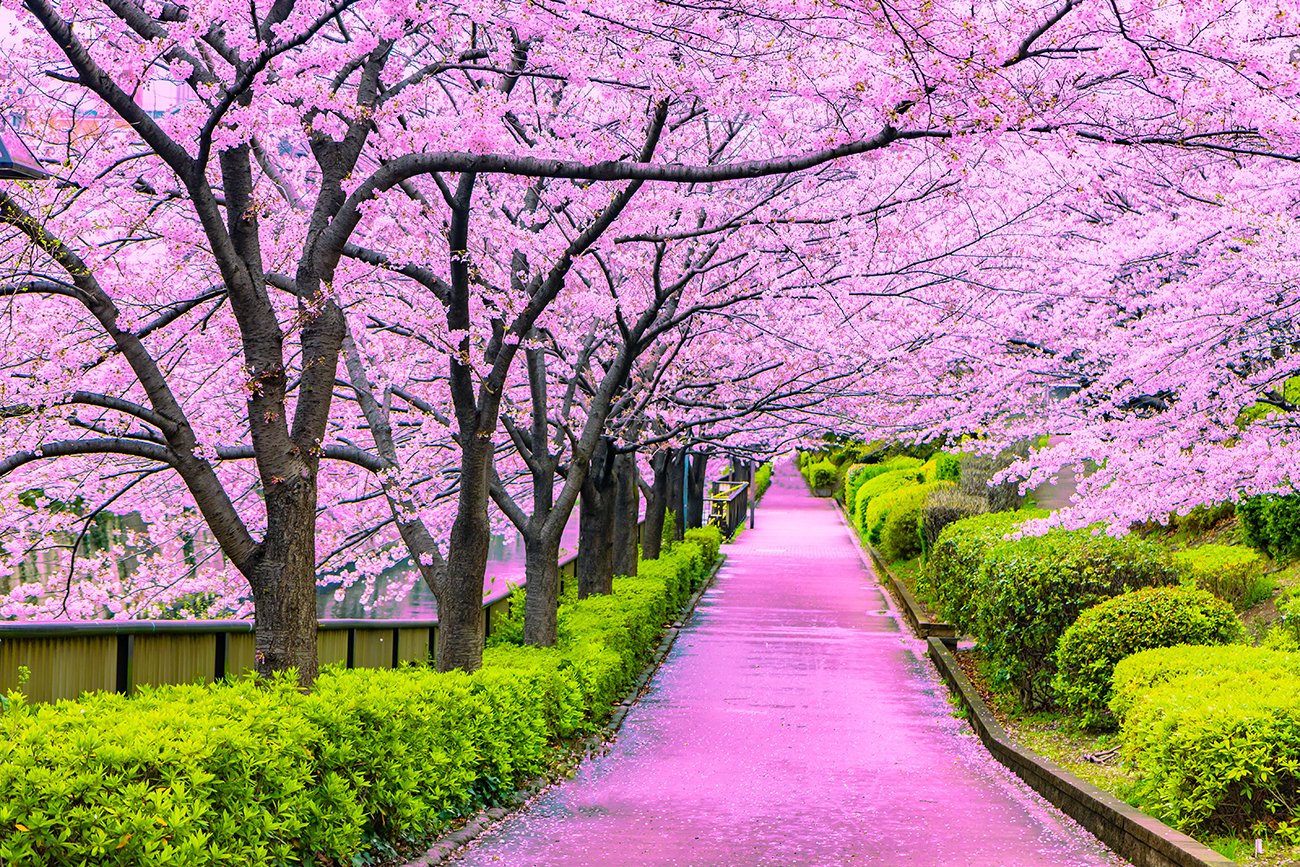
Few sights capture the beauty of Japan quite like its famous cherry blossoms, or sakura. Every spring, millions of delicate pink and white flowers appear across the country, transforming parks, gardens, riversides, temples and mountain landscapes into spectacular seasonal scenes.

Cherry blossom season is more than simply a beautiful time to visit Japan. It is deeply connected to Japanese culture and the idea of appreciating beauty while it lasts. Sakura flowers bloom for only a short period, making their appearance feel especially precious and meaningful.

When Do Cherry Blossoms Bloom?

The cherry blossom season generally begins in the warmer southern regions of Japan before gradually moving north.

In many popular destinations, including Tokyo and Kyoto, blossoms typically appear around late March to early April, although the exact timing changes each year depending on weather conditions.

The blooming period itself is relatively short. Flowers may reach full bloom and then begin falling within roughly a week, making timing an important part of a sakura trip.

The Tradition of Hanami

One of the most beautiful Japanese traditions associated with cherry blossoms is hanami, which means flower viewing.

During the season, people gather under blooming cherry trees with friends, family or colleagues to enjoy food, conversation and the scenery. Parks and gardens become lively meeting places, while some locations hold evening events where cherry trees are illuminated after sunset.

Hanami reflects an important aspect of Japanese culture—the appreciation of a beautiful moment that is temporary.

Where to Experience Sakura

Cherry blossoms can be found throughout Japan, but some destinations are particularly famous for their scenery.

Tokyo combines cherry blossoms with modern city views, historic neighbourhoods and beautiful parks.

Kyoto offers a more traditional atmosphere, with sakura surrounding temples, shrines, gardens and historic streets.

Osaka is known for lively parks and riverside blossom viewing, while Nara combines cherry trees with historic temples and its famous free-roaming deer.

For travellers looking for quieter landscapes, the countryside and mountain regions can offer equally beautiful experiences with fewer crowds.

Sakura Beyond the Cities

One of the most rewarding ways to experience cherry blossom season is to travel beyond Japan’s major cities.

Imagine walking beside a quiet river lined with flowering trees, seeing pink blossoms against snow-covered mountains, or discovering a traditional village surrounded by spring flowers.

In rural Japan, cherry blossoms often appear alongside rice fields, wooden houses, temples and countryside roads, creating scenes that feel distinctly Japanese.

A Short-Lived Beauty

The magic of sakura lies partly in its temporary nature.

The flowers arrive suddenly, reach full bloom and then slowly fall, covering paths and riversides with petals. This fleeting beauty is closely associated with the Japanese concept of mono no aware—an awareness of the temporary nature of beautiful things.

For travellers, this makes cherry blossom season more than a photography opportunity. It becomes a chance to experience one of Japan’s most celebrated seasonal traditions.

Experience Japan in Bloom

From the first delicate blossoms of spring to petals drifting through historic streets, cherry blossom season reveals a softer, more poetic side of Japan.

Whether you experience sakura beneath the skyline of Tokyo, beside Kyoto’s historic temples or against the mountains of the Japanese countryside, the sight is one that stays with you long after the flowers have disappeared.

Come for the blossoms. Stay for the moment. Experience Japan in bloom.

Ancient Culture

Timeless Traditions

Japan is a country where the past continues to live alongside the present. Among its modern cities, advanced technology and contemporary lifestyle, centuries-old traditions remain an important part of everyday Japanese culture.

For travellers, exploring Japan’s ancient culture means stepping into a world of peaceful temples, sacred shrines, traditional wooden houses, historic streets and customs that have been carefully preserved across generations.

Kyoto: The Heart of Traditional Japan

Few places represent traditional Japan as beautifully as Kyoto. Once the imperial capital of Japan, Kyoto is home to thousands of temples and shrines, historic neighbourhoods and traditional gardens.

Walking through Kyoto’s old streets can feel like travelling back in time. Areas such as Gion are known for their traditional architecture, narrow lanes and teahouses, while historic districts preserve the atmosphere of old Kyoto.

Among the city’s many cultural landmarks, Kiyomizu-dera, Fushimi Inari Taisha and Kinkaku-ji are especially famous. Each offers a different glimpse into Japan’s religious architecture, history and artistic traditions.

Temples and Shrines

Temples and Shinto shrines are an essential part of Japan’s cultural landscape.

Buddhist temples are often associated with peaceful gardens, pagodas, statues and meditation, while Shinto shrines are traditionally connected with nature, local communities and Japanese spiritual practices.

Visitors may notice distinctive features such as torii gates, stone lanterns, purification fountains and traditional wooden architecture.

A visit to these places is not simply about sightseeing. Observing local customs—such as cleansing one’s hands before entering a shrine or maintaining a respectful atmosphere—allows travellers to experience these cultural spaces more meaningfully.

The Japanese Tea Ceremony

The traditional Japanese tea ceremony, known as chanoyu or sadō, represents much more than drinking tea.

It is an art centred around preparation, hospitality, simplicity and mindfulness. Every detail—from the tea utensils and room design to the movements of the host—is carefully considered.

For visitors, participating in a traditional tea experience can provide a fascinating introduction to Japanese aesthetics and the importance of hospitality within Japanese culture.

Traditional Streets and Old Neighbourhoods

Japan’s cultural heritage can also be discovered simply by walking through its historic streets.

Traditional wooden buildings, small shops, lanterns, gardens and local restaurants create an atmosphere very different from modern Japanese city centres.

Historic areas in Kyoto, Kanazawa, Takayama and other parts of Japan offer opportunities to discover traditional crafts, regional food and architecture while seeing how historic communities have evolved over time.

Geisha and Traditional Arts

Japan’s traditional performing arts are another important part of its cultural identity.

In Kyoto, geiko and maiko continue traditions involving music, dance, conversation and formal hospitality. Their elaborate kimono, hairstyles and makeup are closely connected to the history of Japan’s traditional entertainment districts.

Japan is also known for traditional arts such as calligraphy, ikebana flower arrangement, kabuki theatre, noh theatre and traditional crafts.

These practices demonstrate the Japanese appreciation for precision, patience and beauty in even the smallest details.

Festivals and Living Traditions

Japan’s cultural traditions are not limited to museums and historical buildings. Throughout the year, towns and cities celebrate festivals known as matsuri.

These celebrations can include traditional performances, decorated floats, processions, music, food stalls and religious ceremonies.

From major city festivals to small local celebrations, matsuri offer travellers an opportunity to experience Japanese traditions as part of community life.

Experience Japan’s Living Heritage

Japan’s ancient culture is not simply something preserved in history books. It continues through temples, festivals, crafts, food, ceremonies, architecture and everyday customs.

From the peaceful gardens of Kyoto to the bright red torii gates of historic shrines, every experience offers another glimpse into the country’s long cultural journey.

Travel through Japan, and you don’t just discover its history—you experience traditions that are still alive today.

Mount Fuji and Japanese Landscapes

Nature’s Masterpiece

Japan is a country where nature feels like an essential part of the journey. Beyond its famous cities, ancient temples and modern attractions, Japan is home to some of Asia’s most breathtaking natural landscapes—from majestic mountains and peaceful lakes to dense forests, colourful countryside and dramatic coastlines.

At the centre of this natural beauty stands Mount Fuji, Japan’s highest and most iconic mountain. Rising to 3,776 metres, its perfectly shaped volcanic peak has become one of the most recognisable symbols of Japan. On a clear day, its snow-covered summit creates an unforgettable view, especially when reflected across the calm waters of the surrounding lakes.

Mount Fuji and the Fuji Five Lakes

The area surrounding Mount Fuji offers much more than simply a mountain viewpoint. The Fuji Five Lakes region—Lake Kawaguchi, Lake Yamanaka, Lake Sai, Lake Shōji and Lake Motosu—is one of the best places to experience Fuji up close.

Lake Kawaguchi is particularly popular for its panoramic mountain views, while Lake Motosu is known for its exceptionally clear water and iconic views of Mount Fuji. The surrounding area also offers walking trails, traditional villages, hot springs and peaceful countryside, making it an ideal escape from Japan’s busy cities.

Mount Fuji also changes dramatically with the seasons. Spring brings cherry blossoms and fresh greenery, summer creates lush mountain landscapes, autumn surrounds Fuji with brilliant red and golden foliage, and winter often provides some of the clearest views of its snow-covered peak.

Discover the Japanese Alps

Beyond Mount Fuji, the Japanese Alps offer a completely different side of Japan. Stretching across central Honshu, these mountain ranges are home to dramatic peaks, deep valleys, alpine forests and picturesque villages.

Destinations such as Kamikochi are particularly popular with nature lovers and hikers. Surrounded by towering mountains and clear rivers, Kamikochi provides peaceful walking routes through some of Japan’s most beautiful alpine scenery.

During autumn, the mountains become covered in vibrant colours, while winter transforms many areas into spectacular snowy landscapes.

Japan’s Beautiful Countryside

Japan’s countryside offers an experience that is quieter and more traditional. Travelling beyond the major cities reveals rice fields, bamboo forests, tea plantations, wooden houses, small shrines and mountain villages.

Places such as Shirakawa-go showcase traditional Japanese architecture surrounded by mountains and forests. In spring and summer, the countryside becomes lush and green, while autumn brings warm golden tones. Winter creates an entirely different atmosphere, with snow-covered rooftops and peaceful white landscapes.

A Landscape for Every Season

One of the most fascinating things about Japan is the way its landscapes transform throughout the year. Cherry blossoms define spring, greenery dominates summer, autumn foliage paints the mountains in vibrant colours, and winter brings snow to the country’s northern and mountainous regions.

This seasonal beauty is deeply connected to Japanese culture, where appreciating the changing and temporary beauty of nature has long been an important part of life, art and tradition.

Experience Japan Beyond the Cities

From the iconic silhouette of Mount Fuji to the dramatic peaks of the Japanese Alps and the peaceful beauty of rural villages, Japan offers far more than its famous urban destinations.

Whether you are watching Fuji reflected in a quiet lake, walking through an alpine valley, exploring a traditional countryside village or simply enjoying the changing colours of the seasons, Japan’s landscapes invite you to slow down, explore and experience the country from a completely different perspective.

Japan is not just a destination to see—it is a landscape to experience.

Japan & South Korea Escape: A Journey Through Tradition and Modern Wonders

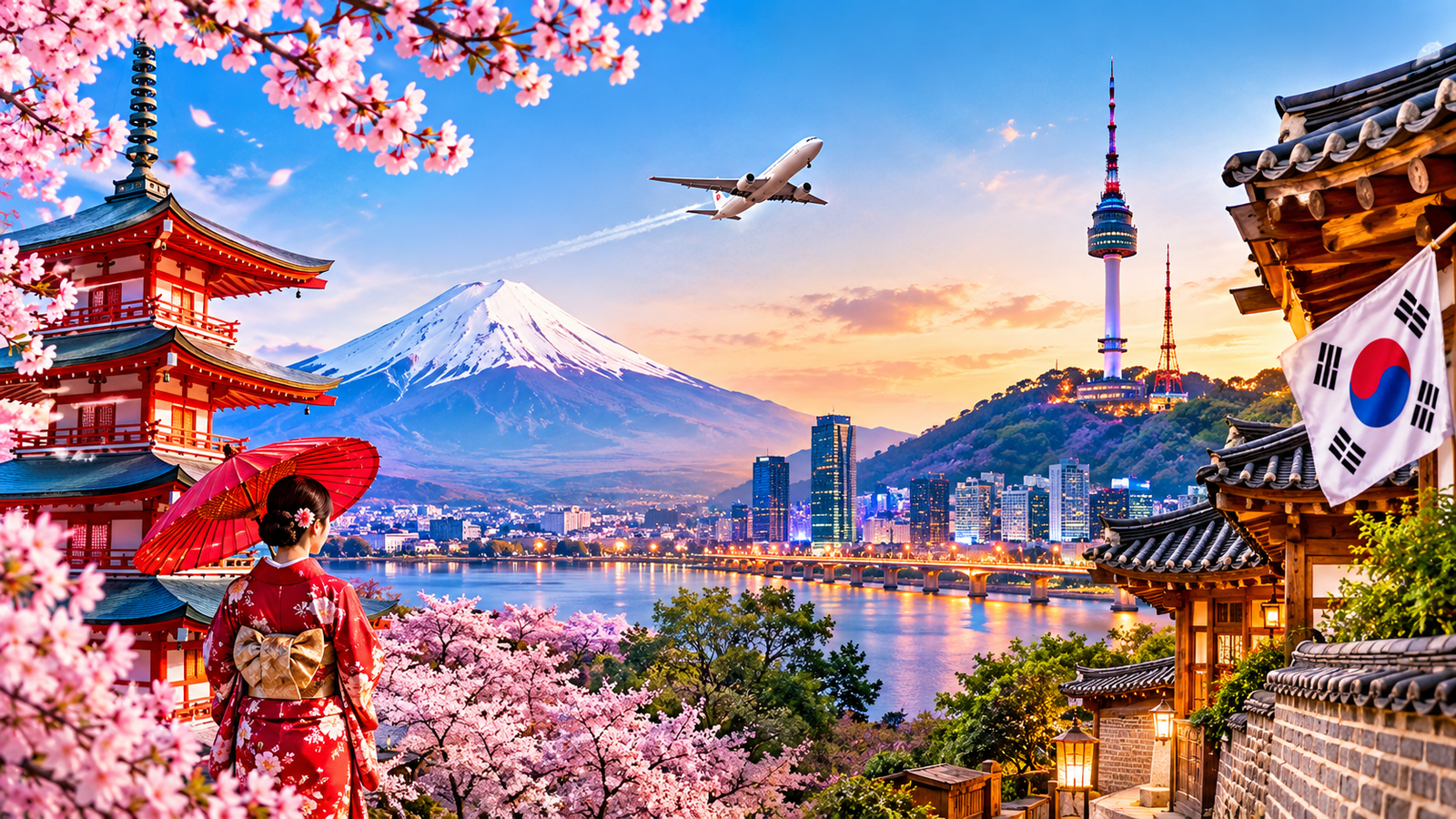
Discover two of East Asia’s most fascinating destinations on an unforgettable journey through Japan and South Korea. From ancient temples and peaceful gardens to futuristic skylines, vibrant city streets, and world-famous cuisine, this combined escape offers the perfect balance of culture, adventure, and modern experiences.

A Japan & South Korea Escape is ideal for travelers who want to explore iconic landmarks, experience unique traditions, and discover the diverse beauty of two extraordinary countries.

Experience the Timeless Charm of Japan

Japan welcomes travelers with a fascinating blend of ancient heritage and cutting-edge innovation. Explore the energetic streets of Tokyo, admire the historic beauty of Kyoto, and experience the peaceful atmosphere of traditional temples and gardens.

From cherry blossom seasons to majestic Mount Fuji views, Japan offers unforgettable scenery and cultural experiences at every turn.

Explore Tokyo’s Modern Wonders

Tokyo is a city where technology, fashion, entertainment, and tradition come together. Discover famous neighborhoods such as Shibuya and Asakusa, visit impressive shopping districts, and enjoy the city’s vibrant nightlife and culinary scene.

Whether you are interested in anime, architecture, shopping, or history, Tokyo has something for every traveler.

Discover Kyoto’s Cultural Heritage

Step into Japan’s traditional side in Kyoto, a city known for its beautiful shrines, historic streets, and serene gardens. Visit iconic landmarks such as Fushimi Inari Shrine and Kinkaku-ji, and experience the charm of Japan’s timeless customs.

Kyoto offers a peaceful contrast to the energy of Japan’s modern cities.

Experience the Vibrant Spirit of South Korea

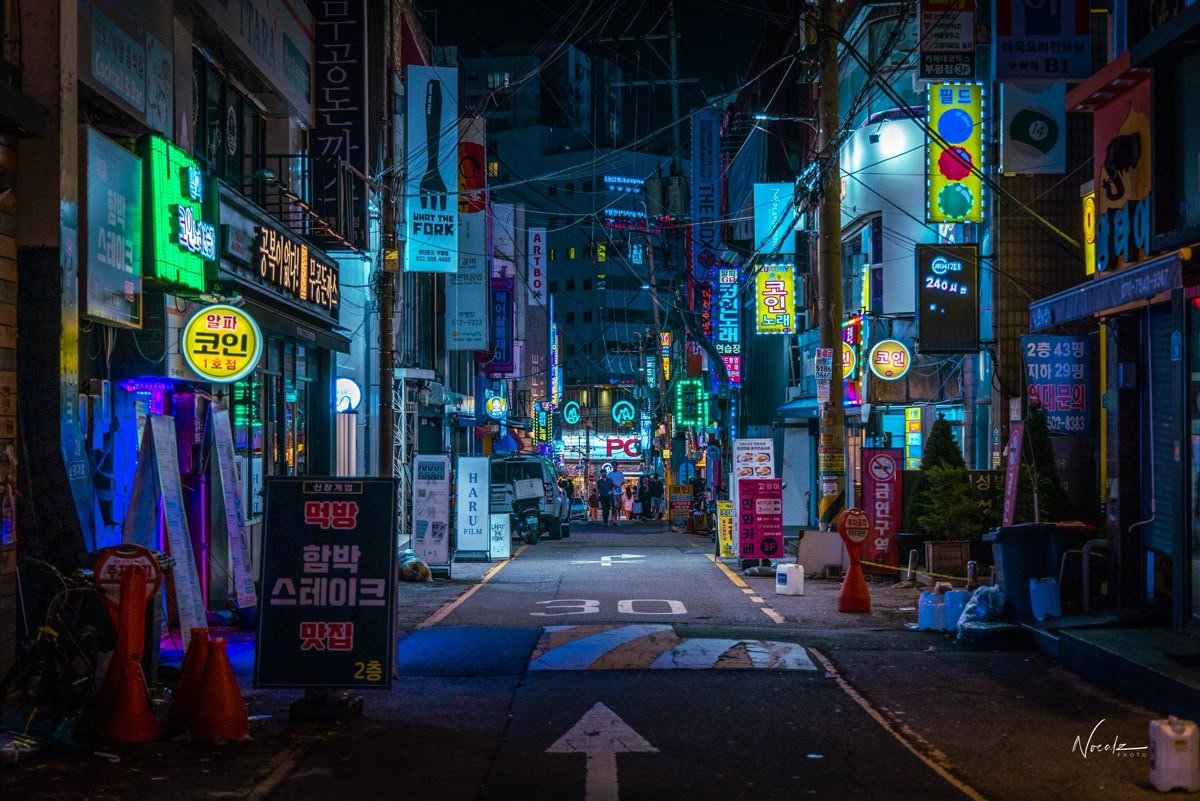
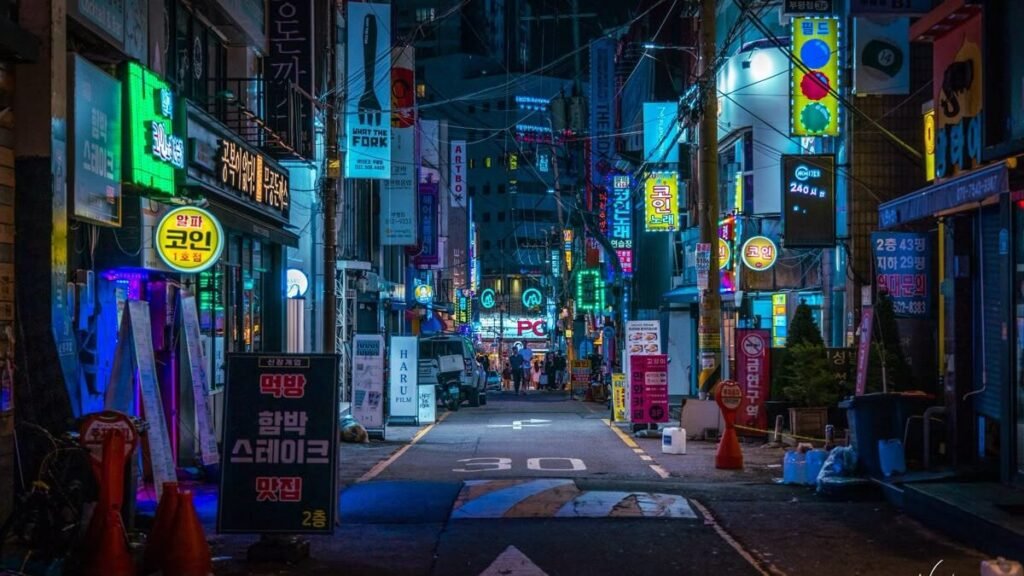
South Korea combines rich history, contemporary culture, stunning landscapes, and exciting urban experiences. Seoul, the dynamic capital, is home to grand palaces, modern shopping districts, trendy cafés, and vibrant entertainment.

Explore the city’s unique blend of traditional Korean heritage and modern lifestyle.

Explore Seoul’s Iconic Attractions

Discover the historic beauty of Gyeongbokgung Palace, stroll through traditional Bukchon Hanok Village, and enjoy panoramic city views from N Seoul Tower.

For shopping, fashion, and entertainment, neighborhoods such as Myeongdong and Hongdae offer an exciting taste of Seoul’s modern energy.

Taste the Flavours of Japan and South Korea

Food is one of the highlights of this combined journey. Enjoy authentic Japanese sushi, ramen, and tempura, followed by Korean favorites such as Korean barbecue, bibimbap, and kimchi.

Both countries offer rich culinary traditions that make every meal part of the travel experience.

Why Choose a Japan & South Korea Escape?

This unforgettable journey offers the perfect combination of:

  • Ancient temples and cultural landmarks
  • Futuristic cities and modern attractions
  • Scenic landscapes and seasonal beauty
  • Authentic local cuisine
  • Shopping and entertainment
  • Rich traditions and unique experiences
  • Two incredible destinations in one journey

Whether you are traveling with family, friends, or as a couple, Japan and South Korea offer a diverse and rewarding holiday experience.

Plan Your Japan & South Korea Escape with Travelexie

From Japan’s timeless traditions to South Korea’s vibrant modern culture, this journey promises unforgettable discoveries across two of Asia’s most captivating destinations.

Experience iconic cities, breathtaking landscapes, delicious cuisine, and rich cultural heritage with a thoughtfully planned Japan & South Korea Escape.

Plan your Japan and South Korea adventure today with Travelexie.