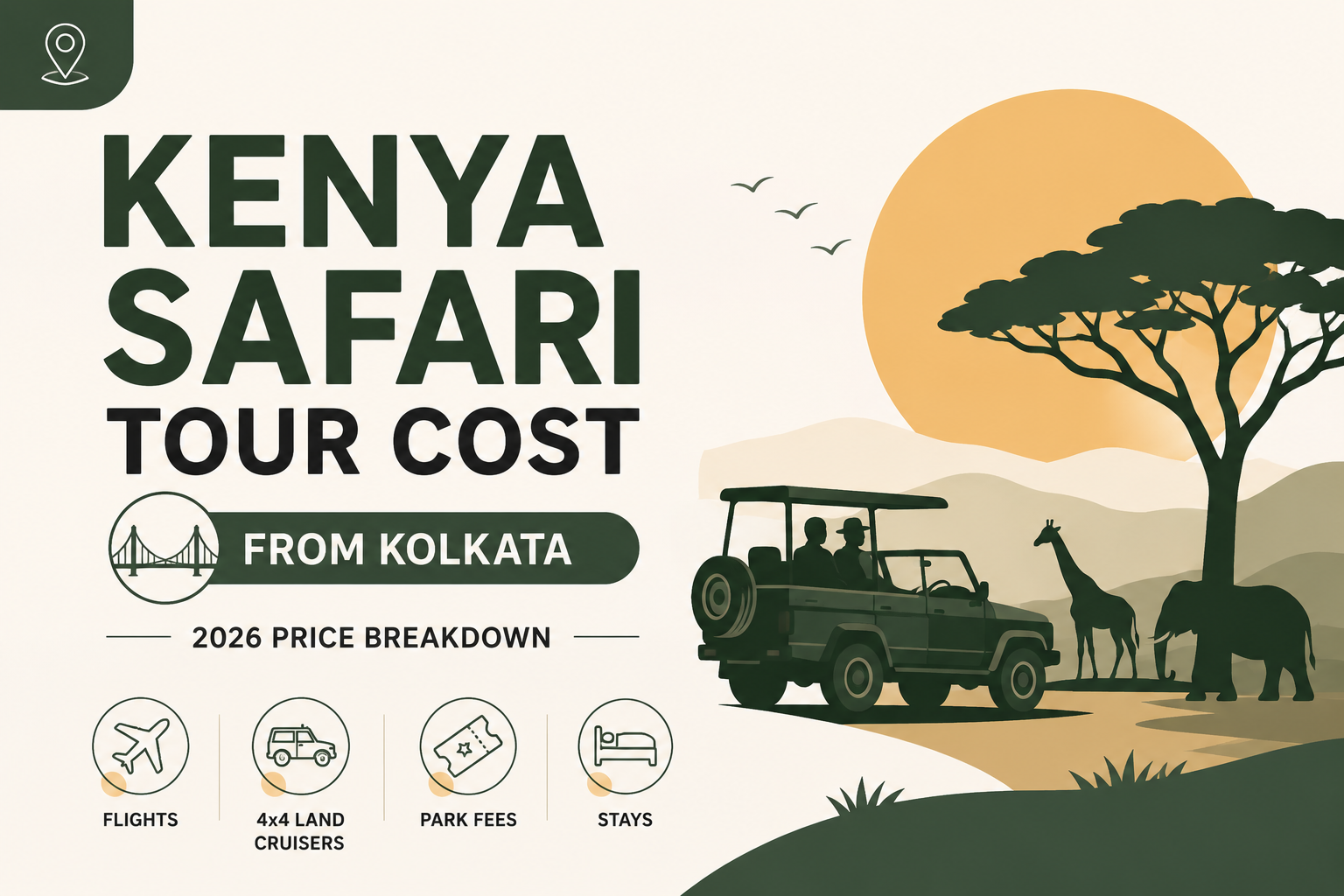
Kenya Safari Tour Cost from Kolkata (2026 Price Breakdown): Flights, 4×4 Land Cruisers, Park Fees & Stays

Ask three operators for a Kenya safari quote from Kolkata and you’ll likely get three very different numbers — and no clear reason why. That’s usually because the quote is bundling things that should be separated: park fees change by season, vehicle type changes your game-viewing experience, and lodge category swings the price more than almost anything else. Travelexie runs its Kenya safaris with an on-ground team in Nairobi and Maasai Mara, so this breakdown reflects what things actually cost on the ground right now, not a generic estimate.

Day-by-Day Itinerary (6N/7D Kenya Safari)

DayLocationWhat You’ll Do
1Kolkata → NairobiConnecting flight via Mumbai or Dubai, arrival, transfer to Nairobi hotel
2Nairobi → Maasai MaraMorning transfer by road or light aircraft, afternoon game drive
3-4Maasai MaraFull-day game drives (dawn and dusk), Mara River viewpoint, Maasai village visit
5Maasai Mara → Lake NaivashaTransfer with a stop for boat ride and Colobus monkey spotting
6Lake Naivasha → NairobiElephant orphanage or giraffe centre visit, free evening
7Nairobi → KolkataTransfer to airport, connecting flight home

Getting There from Kolkata

There’s no direct Kolkata-Nairobi flight, so every route runs through a connection — typically CCU to Mumbai or Dubai, then on to Nairobi (NBO). The Mumbai-Nairobi leg runs about 5-5.5 hours, and the Dubai-Nairobi leg is roughly 4.5 hours, so total travel time from Kolkata usually works out to 12-15 hours depending on layover length. Kenya Airways, Emirates, and Air India codeshares are the airlines Travelexie books most often for this route.

Indian travelers need either a Kenya eTA or an East Africa Tourist Visa (which also covers Tanzania, Uganda, and Rwanda if you’re extending the trip). The eTA costs roughly $34 (about ₹2,900-3,000) per person and is typically processed within 3 days online — you’ll need your passport, a photo, your itinerary, and accommodation confirmation. It’s a far lighter process than a Schengen visa, which is one reason Kenya works well as a first safari for Indian travelers on a tighter planning timeline.

Why Private 4×4 Land Cruisers, Not Minibuses

A lot of shared safari circuits use standard tourist vans with a pop-up roof — fine on tarmac, but the Mara’s tracks turn to thick black-cotton-soil mud for stretches of the year, and a two-wheel-drive van simply gets stuck. Private conservancies bordering the main reserve (Mara North, Naboisho, Olare Motorogi among them) also cap the number of vehicles allowed at any sighting to keep the experience exclusive — which means the vehicle you’re in needs to be registered and equipped for off-road conservancy driving, not just reserve tracks. Travelexie books private 4×4 Land Cruisers with a guide-driver for every Kenya safari for this reason: better ground clearance, a proper roof hatch for photography, and the flexibility to follow wildlife off the main tracks when the reserve’s rules allow it.

Cost Breakdown

Travelexie’s Kenya safari packages start from ₹1,99,999 per person for a 6N/7D itinerary, flight- and visa-inclusive. What changes the number from there:

  • Park fees by season: Maasai Mara National Reserve charges non-resident adults USD 100/day (Jan-June) versus USD 200/day (July-Dec) — this alone can shift a 3-day-in-park itinerary by ₹25,000-35,000 per adult depending on when you travel. Children aged 9-17 pay half, and under-8s enter free, which matters if you’re costing out a family trip.
  • Standard tier (reserve-based lodges, low season): from ₹1,99,999/person — covers flights, visa, park fees at low-season rates, lodge stays, and a private 4×4 with driver-guide.
  • Conservancy tier (private conservancy camps, any season): typically ₹2,60,000-3,20,000/person — conservancy fees run separately from reserve fees and usually include exclusive game drives and night drives not permitted in the main reserve.
  • Peak migration season (July-October, luxury tented camps): ₹3,50,000/person and up, reflecting both the higher park fees and peak-season camp rates.

These are per-person, double-occupancy estimates; family and group quotes are priced separately since child park fees and room configurations change the math.

Why Book With Travelexie

Every Travelexie Kenya quote separates park fees from lodge cost from flights from visa charges — so you can see exactly what changes if you shift your travel dates or upgrade your camp, instead of getting one bundled number that quietly assumes low-season park fees even for a July departure. This is where hidden fees usually show up on other Kenya quotes: an operator prices the trip assuming reserve-only game drives, then adds a conservancy “exclusivity surcharge” after you’ve paid your token advance, or fails to flag that park fees roughly double from July onward. Because Travelexie has an on-ground team in Nairobi and Maasai Mara, pricing is checked against current park and conservancy rates directly rather than pulled from an outdated rate sheet, so the number you’re quoted holds when you get there.

Practical Notes for Indian Travelers

Vegetarian food is genuinely well handled at most Kenya safari lodges and camps — Indian-origin communities have a long presence in Kenya, and larger properties in Nairobi and the Mara are used to Indian dietary requests, though it’s worth confirming Jain-specific needs in advance. Malaria prophylaxis is recommended for the Mara region; check with a travel clinic before departure. If you’re connecting through a yellow-fever-endemic country en route, carry your vaccination certificate, since Kenya can ask for it at entry. Currency is the Kenyan Shilling, though USD cash is widely accepted at lodges for tips and extras — budget roughly $15-20 per day per guest for guide and staff tipping, a norm most first-time travelers underestimate.

Ready to Plan Your Trip?

If you’re comparing Kenya safari quotes from Kolkata and the numbers don’t add up to the same thing, send Travelexie your travel dates and group size. You’ll get a quote that separates park fees, lodge cost, flights, and visa charges line by line — so you know exactly what a July departure costs versus a February one before you commit.
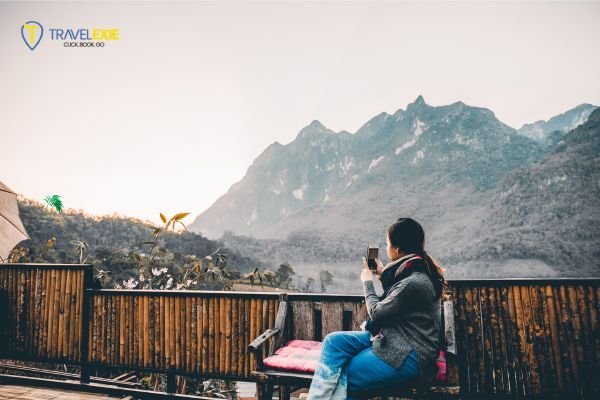
A solo traveler sitting on a wooden bench, peacefully admiring mountain views during sunrise, symbolizing the essence of slow travel and mindful journeys focused on quality experiences.

Slow Travel: Embracing Quality Over Quantity in Your Journeys 🌍

🌿 What Is Slow Travel?

Slow travel is a mindful way of exploring the world. Instead of rushing between cities and landmarks, you stay longer, move slower, and truly connect with a place. It’s about experiencing cultures, people, and moments. You travel less, but live more.

Q. Is slow travel only for long vacations?

Ans. No. Even a 4–5 day trip in one destination counts. It’s about mindset, not duration.

✈️ How to Plan a Slow Travel Trip

  • 1. Pick One Base, Not Ten Stops

Choose one destination and stay put for a while. It could be a quiet coastal town, a mountain village, or a small city you’ve always wanted to explore.

  • 2. Travel by Land

Trains, buses, ferries — these let you see more of the journey and interact with locals along the way.

  • 3. Focus on Experiences, Not Attractions

Swap crowded sightseeing for immersive activities like a local cooking class, a nature walk, or volunteering for a day.

  • 4. Choose Local Stays

Skip the generic hotels and try guesthouses, homestays, or eco-lodges. You’ll get genuine stories, homemade food, and cultural exchange.

  • 5. Plan “Do Nothing” Days

Some of your best travel memories come from unplanned mornings. Sit in a café, watch people go by, or explore a market without a map.

  •  6. Learn Something Local

Take a pottery lesson, learn a dance form, or just cook a local recipe. It’s a fun way to connect deeper with the culture.

💫 Why Choose Slow Travel?

  • 1. You Experience More, Not Just See More

When you travel slow, you get to know the rhythm of a place. You chat with locals, learn a few phrases, and notice details that tourists usually miss.

  • 2. It’s Kinder to the Planet

Fewer flights, shorter transfers, and local stays mean less carbon footprint. Choosing trains or shared rides helps keep your travel greener and simpler.

  • 3. You Save More Than You Think

Staying longer often costs less. Weekly stays, home rentals, or local guesthouses are usually cheaper than hopping between hotels.

  • 4. It Boosts Mental Clarity

Traveling slowly gives your mind time to breathe. You’re not chasing schedules — you’re actually enjoying the moment.

  • You Support Local Communities

When you stay longer, you invest in local shops, markets, and guides. That money stays within the community, helping real people thrive.

🌸 Real Tips

  • Walk whenever possible. You’ll see more details and spend less.
  • Carry a reusable bottle and bag to reduce waste.
  • Spend your first day observing, not rushing.
  • Try the local breakfast — it often tells you everything about a place’s soul.

Q. Is slow travelling expensive?

Ans. Not at all. You actually spend less because you’re moving less and living more like a local.

✅ Slow Travel Checklist

☐ One destination, minimum 5 nights

☐ One local activity booked (class, guide, or volunteering)

☐ One full day with no plans

☐ Local transport arranged (train, bus, or bike)

☐ Sustainable stay chosen (eco-lodge, homestay, or guesthouse)

🌅 Final Thoughts

Slow travel isn’t about doing less — it’s about feeling more. You come back with fewer photos but richer memories. You’ll remember the smell of rain on cobblestones, a stranger’s kindness, and the silence of a sunrise.

If you want help creating your own slow travel plan, the team at Travelexie can help you design custom itineraries focused on meaningful experiences, not miles traveled.

Take it slow. The world looks better that way. 🌏✨

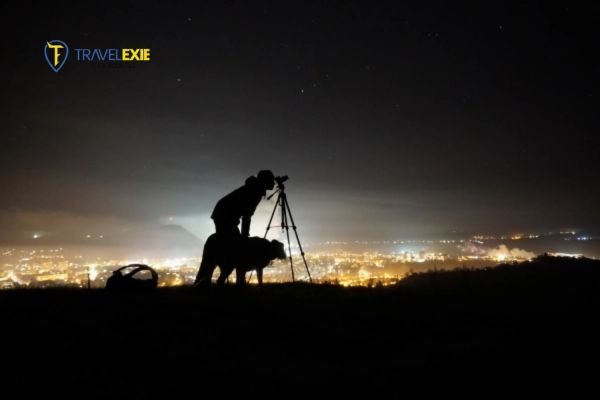
Traveler stargazing with telescope and dog overlooking illuminated city at night — noctourism adventure by Travelexie

Noctourism: Discovering the World After Dark

🌙 What Is Noctourism?

Noctourism is the emerging travel trend of exploring destinations after dark. It’s about embracing the unique experiences that nighttime offers—whether it’s stargazing in remote deserts, attending illuminated festivals, or savoring street food under city lights. This trend is gaining momentum in 2025 as travelers seek to experience the world from a different perspective.

🌍 Top Noctourism Destinations

Here are some destinations renowned for their nocturnal attractions:

  • NamibRand Nature Reserve, Namibia: Known for its pristine night skies, it’s a haven for stargazing.
  • Tromsø, Norway: A prime location for witnessing the Northern Lights.
  • Tokyo, Japan: Experience the vibrant nightlife, from neon-lit streets to late-night eateries.
  • Perth, Australia: Offers bioluminescent kayaking experiences in its waters.

🌌 Why Is Noctourism Gaining Popularity?

Several factors contribute to the rise of noctourism:

  • Escape from Daytime Crowds: Nighttime activities often offer a more peaceful and less crowded experience.
  • Unique Experiences: Activities like night safaris or stargazing provide opportunities to witness phenomena not visible during the day.
  • Cultural Immersion: Exploring night markets or attending evening festivals allows travelers to engage with local culture in a vibrant setting.
  • Photographic Opportunities: The night offers unique lighting and scenes perfect for photography enthusiasts.

🧭 How to Plan a Nocturnal Adventure

To make the most of your noctourism experience:

  • Research Local Events: Look for night festivals, stargazing events, or nocturnal wildlife tours.
  • Check Safety Measures: Ensure the areas you plan to visit are safe at night.
  • Pack Accordingly: Bring layers, as temperatures can drop after sunset.
  • Stay Informed: Use local guides or apps to stay updated on nighttime activities.

⚠️ Safety Tips for Nocturnal Travelers

  • Stay in Well-Lit Areas: Choose accommodations and activities in well-lit, populated areas.
  • Use Trusted Transportation: Opt for reputable taxi services or rideshare apps.
  • Inform Someone: Let a friend or family member know your plans and expected return time.
  • Avoid Risky Areas: Stay away from poorly lit or unfamiliar neighborhoods.

Final Thoughts

Noctourism is a unique way of experiencing the world after dark You reveal sights and sound that are hidden during the daytime. Whether you’re seeking adventure, tranquility, or cultural immersion, the night always has something special to offer.

Start exploring exclusive night tours and travel packages with Travelexie. Plan your Noctourism adventure trip, experience the magic of the night, and see your destination in a whole new way.


Infographic showcasing top travel trends for Indian travelers in 2025, including solo trips, wellness retreats, cultural tourism, and eco-friendly travel.

Top Travel Trends for Indians in 2025: What’s Changing & What It Means for You

Quick answer

  • Sustainability and conscious travel are mainstream.
  • Workcations and digital-nomad-friendly travel continue to grow.
  • Domestic, short-stay and micro-trip demand keeps rising.
  • Indians are prioritizing unique, experience-first trips — cultural, culinary, wellness.
  • Popular outbound hubs (UAE, Saudi, the US, Thailand, Singapore) remain top picks for Indians

Here’s the thing: this guide puts the answers first, then shows what each trend means for you as a traveler and what to watch if you sell travel packages. If you want a tailor-made plan after reading, check our packages or reach out. (Travelexie: Home, MICE, Forex, Visa).

1) Sustainability becomes the baseline, not the niche

What’s changing: Travellers now expect choices that reduce local impact, support communities, and limit waste. Many are actively looking for greener stays and experiences. 

What it means for you: Ask properties about waste, local sourcing, and community benefits before booking. Pick small-group local experiences over large extractive tours.

Actionable tip: Look for certified eco-stays or locally run homestays and factor in small donations or tips to local guides.

For travel sellers: add clear sustainability notes to itineraries and partner with community-run experiences to make packages more attractive and defensible.

2) Workcations, long-stays and digital-nomad setups

What’s changing: Remote work isn’t going away. Cities and resorts that offer reliable internet, coworking access and visa flexibility are getting more bookings. Companies and freelancers alike are mixing work with travel, not separating them.

What it means for you: If you can work remotely, longer stays (1–4 weeks) cut trip anxiety and let you explore slower. Prioritise accommodations with clear workspaces and stable connectivity.

Actionable tip: Ask for a room with a desk, test Wi-Fi on arrival, and buy a local eSIM or short-term data plan for redundancy.

For travel sellers: create dedicated “workcation” packages that include coworking passes, local SIM/ESIM support, and flexible change policies.

3) Domestic micro-trips and tier-2/3 discovery

What’s changing: Indians are rediscovering domestic regions and smaller towns. Shorter drives and 2–4 day breaks are booming. Government initiatives and better connectivity are accelerating this shift. 

What it means for you: You can get meaningful experiences without long flights. Weekend escapes are cheaper, lower risk, and often more authentic.

Actionable tip: Build a rotation of nearby weekend options so you can travel more often with less planning time.

For travel sellers: scale local inventory, add curated short itineraries, and promote off-peak timing to spread demand.

4) Experience-first travel: culture, food, wellness, sleep retreats

What’s changing: Standard sightseeing is being replaced by deep experiences — local food trails, cultural workshops, wellness and even sleep-focused retreats. Travelers, especially younger cohorts, want trips that change them.

What it means for you: If you want a different trip, pick packages that list experiences (cook with a family, night markets, stargazing) rather than a long list of temples or monuments.

Actionable tip: When booking, ask what percentage of the itinerary is “experiential” vs. “sightseeing.” Favor smaller group sizes.

For travel sellers: design modular experiences, promote local partners, and add optional immersive extras to base packages.

5) Bleisure and MICE travel are back — bigger and smarter

What’s changing: Business trips now include leisure add-ons, and companies expect professional MICE solutions with safety, logistics and measurable outcomes. Events are hybrid and personalized.

What it means for you: If your trip is partly work, plan buffer days for leisure. Ask your company to negotiate in advance for local experiences.

Actionable tip: If you’re an HR or travel buyer, bundle incentives with local cultural or wellness options that increase attendance.

For travel sellersB promote MICE-specific services, create bleisure add-ons and show clear ROI for corporate clients.

6) Travel tech: contactless, eSIM, AI planning

What’s changing: Contactless payments and AI itinerary tools are smoothing the booking and in-trip experience. eSIMs and reliable digital payments reduce friction for Indians travelling abroad.

What it means for you: Use an eSIM or local data as backup. Try AI-powered itinerary drafts but verify details like transfers and local holidays.

Actionable tip: Keep digital copies of documents, use trusted eSIM vendors and confirm booking details directly with providers.

For travel sellers: Offer a tech pack (local eSIM, contact numbers, digital itineraries) and provide clear in-destination support.

7) Flexible bookings and travel protection

What’s changing: People prefer refundable or changeable bookings and robust travel insurance. Flexibility sells.

What it means for you: Buy travel insurance that covers cancellations and medical emergencies. When possible, choose flexible fares.

Actionable tip: Read policy exclusions for evacuations, pandemics and pre-existing conditions before you buy.

For travel sellers: Offer clear change policies and bundle travel insurance or give a clear comparison so customers can decide.

8) Forex, visa services and simpler outbound choices

What’s changing: With more outbound travel, travelers value reliable forex and visa processing. Popular hubs like UAE and Saudi are clean, fast options for Indians.

What it means for you: Sort your forex before travel and use a trusted provider. For visas, use agents with deadlines and document checklists.

Actionable tip: Use regulated forex services or bank partners and double-check visa requirements early. If you need help, we offer forex and visa assistance. 

How travel businesses should adapt (quick checklist)

  • Create shorter, experience-led itineraries.
  • Build explicit workcation and MICE products.
  • Publish sustainability claims and local partner info.
  • Offer forex, eSIM help and visa assistance at booking. 

Why do these trends matter?

Travel choices in 2025 are less about ticking boxes and more about what the trip does for you — rest, skill, family time, or working while you travel. For travel businesses, that means product design must be flexible: shorter itineraries, clear sustainability credentials, remote-work friendly stays, and smoother forex and visa support.

FAQs

Q: Which destinations are trending for Indians in 2025?

Ans: UAE remains top for outbound travel, followed by Saudi Arabia, the US, Thailand and Singapore. For domestic travel, hill stations and cultural circuits are gaining popularity.

Q: Are workcation visas available for Indians?

Ans: Some countries offer remote-work or long-stay visas. Policies change quickly, so check visa requirements early and consider using a specialist if you need assistance.

Q: How do I pick a genuinely sustainable stay?

Ans:  Look for local ownership, waste policies, community benefit notes, small-group activities and transparent sourcing. Verified eco-certifications help.

Sources & authority

These travel trends reflect the latest patterns among Indian travelers in 2025. Insights from Booking.com, IWG on workation trends, the Ministry of Tourism (India), American Express travel reports, and Times of India coverage of outbound travel confirm these shifts. Travelers can refer to these sources for detailed data while planning their trips.